
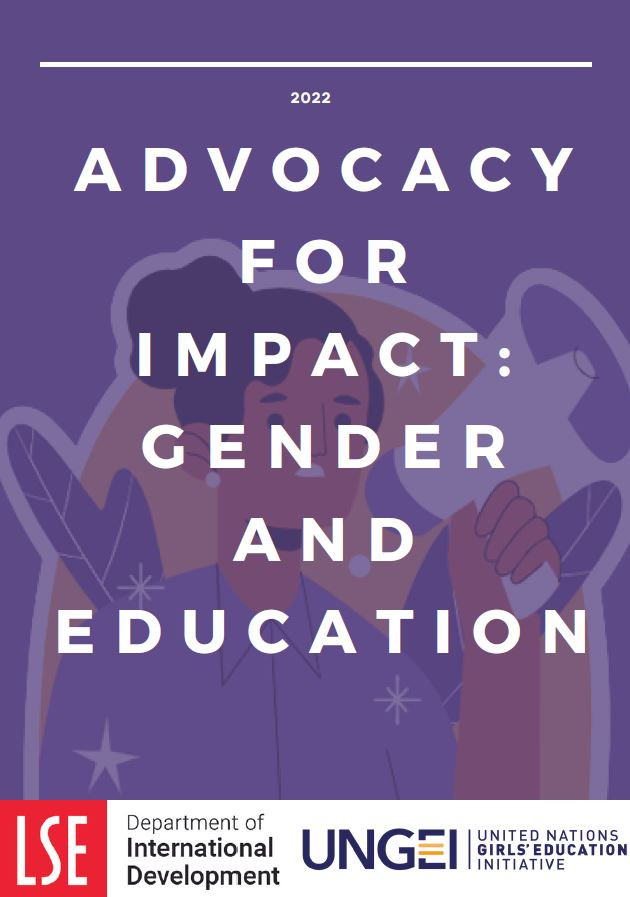
Advocacy for Impact: Gender and Education
There has been an urgent need to include a gender-inclusive, anti-racist and decolonial lens in advocacy strategies in recent years. In the rare circumstances these lenses were applied, they were not effectively utilised when designing and implementing an advocacy campaign regarding education. Often, an intersectional approach was not used to consider context-specific power dynamics impacting girls’ ability to access education. The first objective of this report is to understand the “best practices to design and implement advocacy strategies that are gender-inclusive and anti-racist in the development sector, with a focus on gender and education”. The second objective was to examine the evidence regarding the effectiveness and impact of different advocacy strategies. Thirdly, the study aimed to understand the “best tools and approaches to measure advocacy impact." This research was conducted by an LSE student research team exploring gender-inclusive and anti-racist advocacy strategies.
관련 자료
-
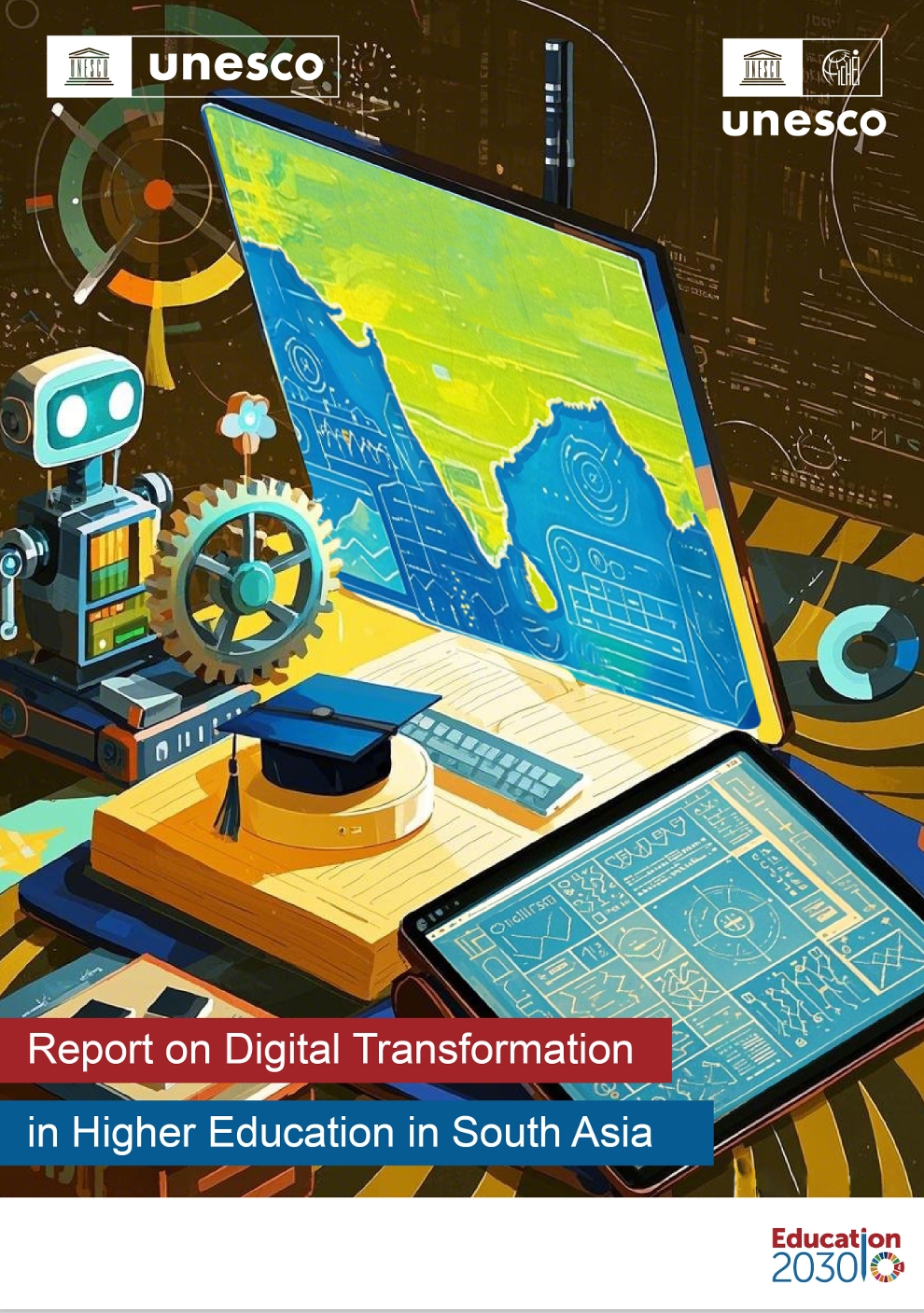 Report on Digital Transformation in Higher Education in South Asia
 -
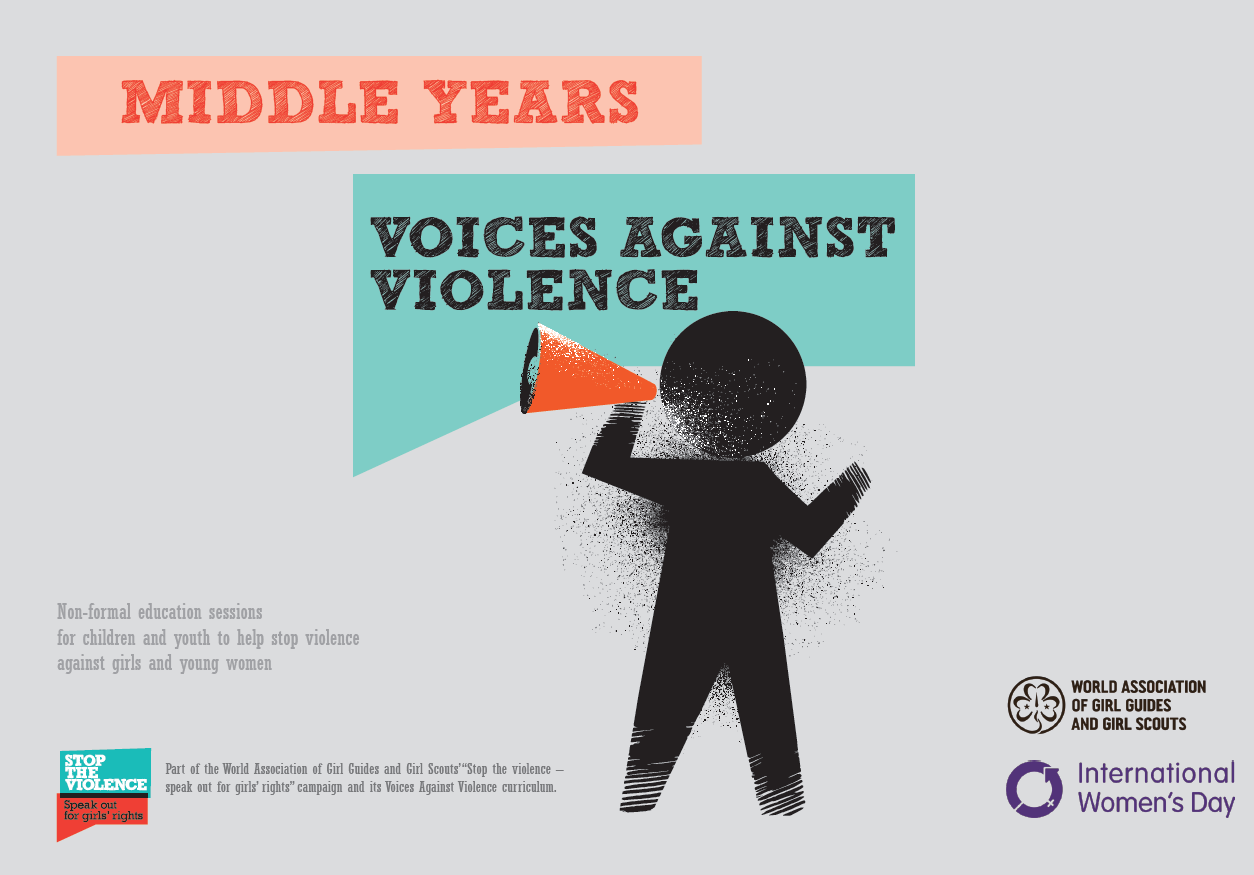 Voices Against Violence: Middle Years
 -
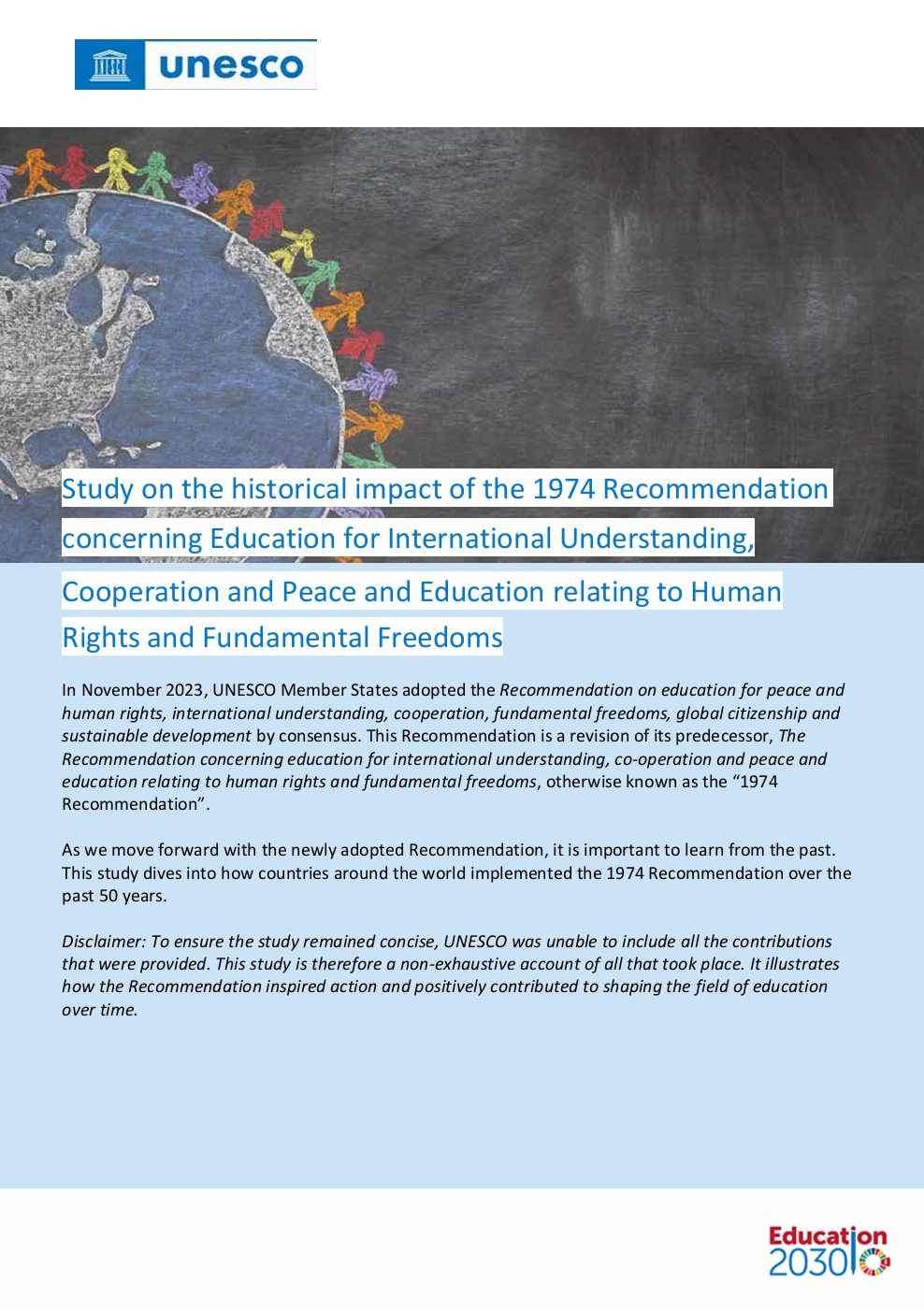 Study on the Historical Impact of the 1974 Recommendation concerning Education for International Understanding, Cooperation and Peace and Education relating to Human Rights and Fundamental Freedoms
 -
 IIEP-UNESCO 12th Medium-Term Strategy: 2026–2029