
الموارد
استكشف مجموعة واسعة من الموارد القيمة حول تعليم المواطنة العالمية لتعميق فهمك وتعزيز البحث والمناصرة والتعليم والتعلم.
تم العثور على 2 نتيجة
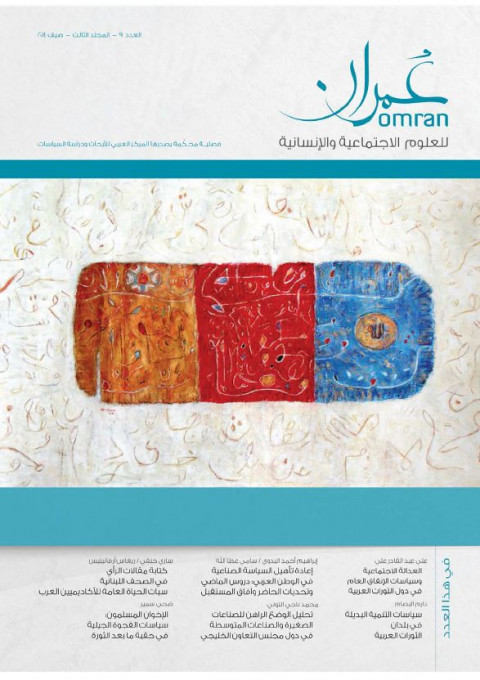 العدالة الاجتماعية وسياسات الإنفاق العام في دول الثورات العربية سنة النشر: 2014 المؤلف: Ali Abdul Qadir Ali المؤلف المؤسسي: Arab Center for Research and Policy Studies تهدف هذه الورقة إلى إبراز التحدّي الذي سيواجه دول الثورات العربية في صوْغها سياسات إنفاقٍ عامّ تلبّي ما طالبت به الثورات. في سبيل ذلك، تنظر الورقة إلى الثورات العربية بوصفها سعيًا نحو تأسيس أنظمة حكم ديمقراطية؛ بمعنى إنشاء مؤسسات سياسية تعددية وما يعني ذلك لكفاءة المؤسسات الاقتصادية. وتقترح الورقة أن طبيعة تحدّي صوْغ إنفاق عامّ ملائمة لطموحات الثورات في تحقيق عدالة اجتماعية تتمثّل في خلوّ جعبة المؤسسات الدولية المانحة للعون التنموي، كما يمثّلها صندوق النقد الدولي، من فكرٍ تنموي جديد في مجال صوْغ سياسات الإنفاق العامّ على الرغم من وجود الشواهد التطبيقية التي توضح نجاعة سياسات الإنفاق العامّ التوزيعية في تحقيق العدالة الاجتماعية. وهي شواهد تستعرضها الورقة، التي تعرض أيضًا نتائج تطبيقية ناجمة عن حجم الطبقة الوسطى في عيّنة دول الثورات العربية، وتوضح أن هذه الطبقة تمثّل أغلبية السكّان في هذه الدول، وتقترح أن الانتقال إلى نظام حكم ديمقراطي يستند إلى تفضيلات الناخبين من شأنه أن يفرض اتّباع سياسات إنفاق عامّ توزيعية، حيث يقوم الناخب الوسيط بدور محوري في اختيار مثل هذه السياسات. Social Justice and Public Expenditure Policies in the Arab Revolutions سنة النشر: 2014 المؤلف: Ali Abdul Qadir Ali المؤلف المؤسسي: Arab Center for Research and Policy Studies This paper examines the challenges faced by Arab spring states when formulating public expenditure policies that meet the revolutions’ demands. In an attempt to establish democratic regimes, the Arab revolutions dictated the creation of pluralist political institutions with concomitant implications for economic institutions. The paper suggests that the challenge of formulating a public expenditure policy in line with the revolutions’ aspirations for social justice lies in the inability of international development agencies, such as the IMF, to propose new and innovative ideas for formulating development policy. However, there are successful applied examples of distributive public expenditure policies for creating social justice. The paper reviews these examples in addition to the results of a survey identifying the size of the middle class in samples of Arab spring states. The survey demonstrates that the middle class represents a majority of population in these countries, suggesting that the transition to electoral democracy requires adopting distributional public expenditure policies in which the middle class voter occupies a central role.