
Resources
Explore a wide range of valuable resources on GCED to deepen your understanding and enhance your research, advocacy, teaching, and learning.
8,340 Results found
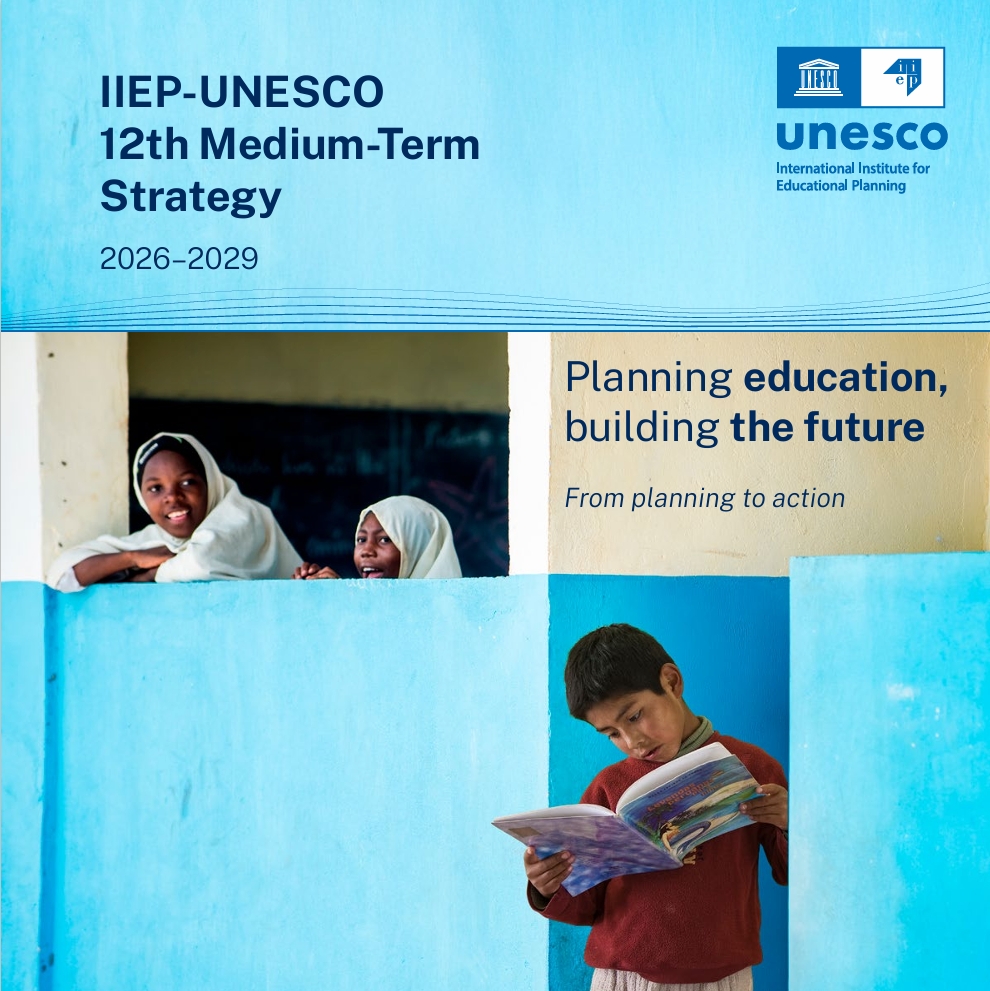 IIEP-UNESCO 12th Medium-Term Strategy: 2026–2029 Year of publication: 2026 Corporate author: UNESCO International Institute for Educational Planning (IIEP) The 2026-2029 Medium-Term Strategy of the UNESCO International Institute for Educational Planning provides a vision for transforming educational planning into tangible results for education systems across the globe. Building on more than 60 years of experience, the Strategy puts the focus not only on policy and plan design, but on collective and agile implementation.
 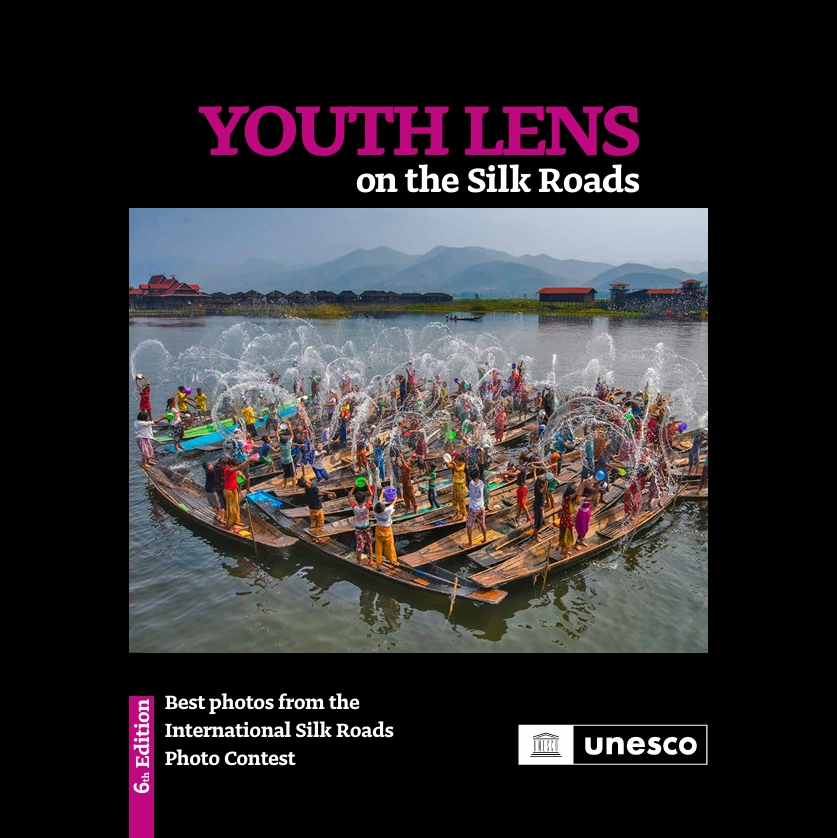 Youth Lens on the Silk Roads: Best Photos from the International Silk Roads Photo Contest; 6th Edition Year of publication: 2026 Corporate author: UNESCO This album presents the sixth edition of UNESCO’s Youth Eyes on the Silk Roads international photo contest. Organized by the UNESCO Silk Roads Programme, with the support of the Beijing International Peace Culture Foundation, this annual initiative invites talented young photographers from across the globe to explore the vibrant cultural heritage and diversity that thrive along these historic routes.The term “Silk Roads” symbolizes the vast network of historical trade routes linking East, South, and Southeast Asia with Central Asia, the Russian Steppes, the Indian Subcontinent, the Iranian and Anatolian Plateaus, and the Arabian Peninsula. These routes also extended into North and Northeast Africa and Europe, eventually reaching Western Europe and the Iberian Peninsula. Over centuries, these routes served as pathways for trade and vital corridors for cultural exchange, the dissemination of knowledge, and the blending of diverse traditions and practices. This intercultural exchange has significantly shaped contemporary societies, enriched identities, and fostered dialogue and mutual understanding among cultures.In this sixth edition, held under the theme ‘Life Celebrations’, young photographers have vividly documented festivities and cultural moments that highlight joy, unity, and shared heritage along the Silk Roads. Their powerful images capture how these celebrations and rituals continue to reflect and strengthen centuries-old connections between communities.The Youth Lens on the Silk Roads album presents 66 striking photographs from two age categories (14-17 and 18-25), illustrating the vibrant mosaic of cultural celebrations that unite communities across landscapes. Each image reveals the energy, resilience, and profound cultural richness of contemporary Silk Road societies. Together, these photographs celebrate the enduring legacy and dynamic spirit of the Silk Roads today.
 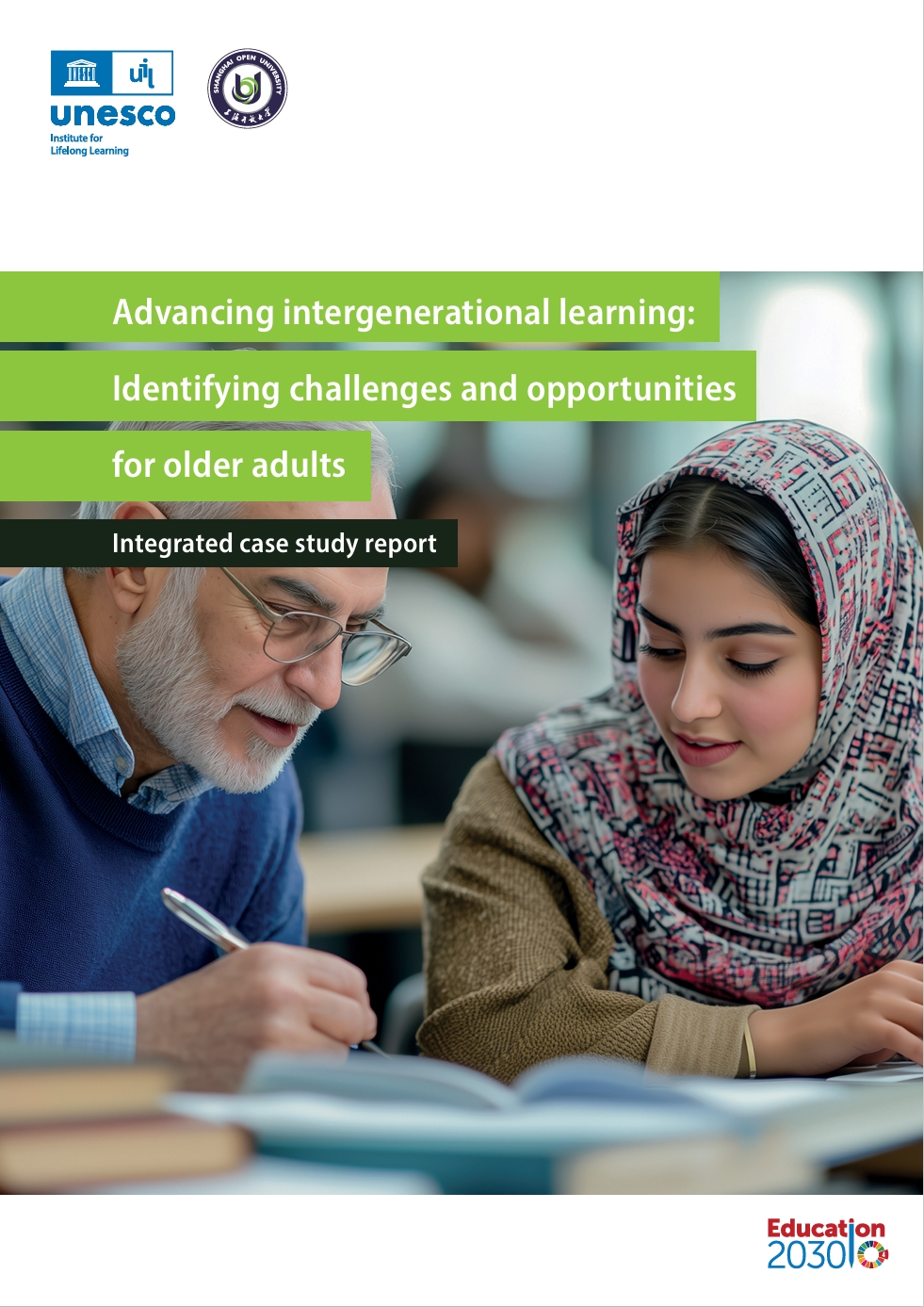 Advancing Intergenerational Learning: Identifying Challenges and Opportunities for Older Adults; Integrated Case Study Report Year of publication: 2025 Corporate author: UNESCO Institute for Lifelong Learning (UIL) | Shanghai Open University (SOU) This research report presents case studies from the UNESCO regions Europe and North America, Africa, and Asia and the Pacific, showcasing various strategies for designing intergenerational learning initiatives. It highlights the diverse policy frameworks and implementation contexts within which these global programmes operate.Using an exploratory multiple case study approach, the report examines the dynamics and potential of intergenerational learning as a catalyst for cultivating a culture of lifelong learning. It assesses the value of such learning in promoting age-friendly environments and addressing ageism. Additionally, the report offers insights into generational learning motivations and identifies barriers to effective intergenerational programming.Finally, the report provides a set of evidence-based guidelines to inform and enhance future efforts in intergenerational learning. The findings and recommendations serve as a valuable resource for educators, policy-makers, and community leaders.These case studies were developed as part of the broader UNESCO Institute for Lifelong Learning research project, Higher Education Institutions – Responses to the Learning Needs of Ageing Societies.
  Digital Empowerment for Lifelong Learning and Transformative Andragogy (DELTA) for Adult Educators: Introduction to the DELTA Framework and Resources Year of publication: 2025 Corporate author: UNESCO Institute for Lifelong Learning (UIL) | Shanghai Open University (SOU) The UNESCO Institute for Lifelong Learning (UIL), in partnership with Shanghai Open University (SOU), has unveiled the DELTA Framework — Digital Empowerment for Lifelong Learning and Transformative Andragogy. This global initiative aims to enhance adult educators’ digital competencies and foster inclusive, lifelong learning opportunities for all.
 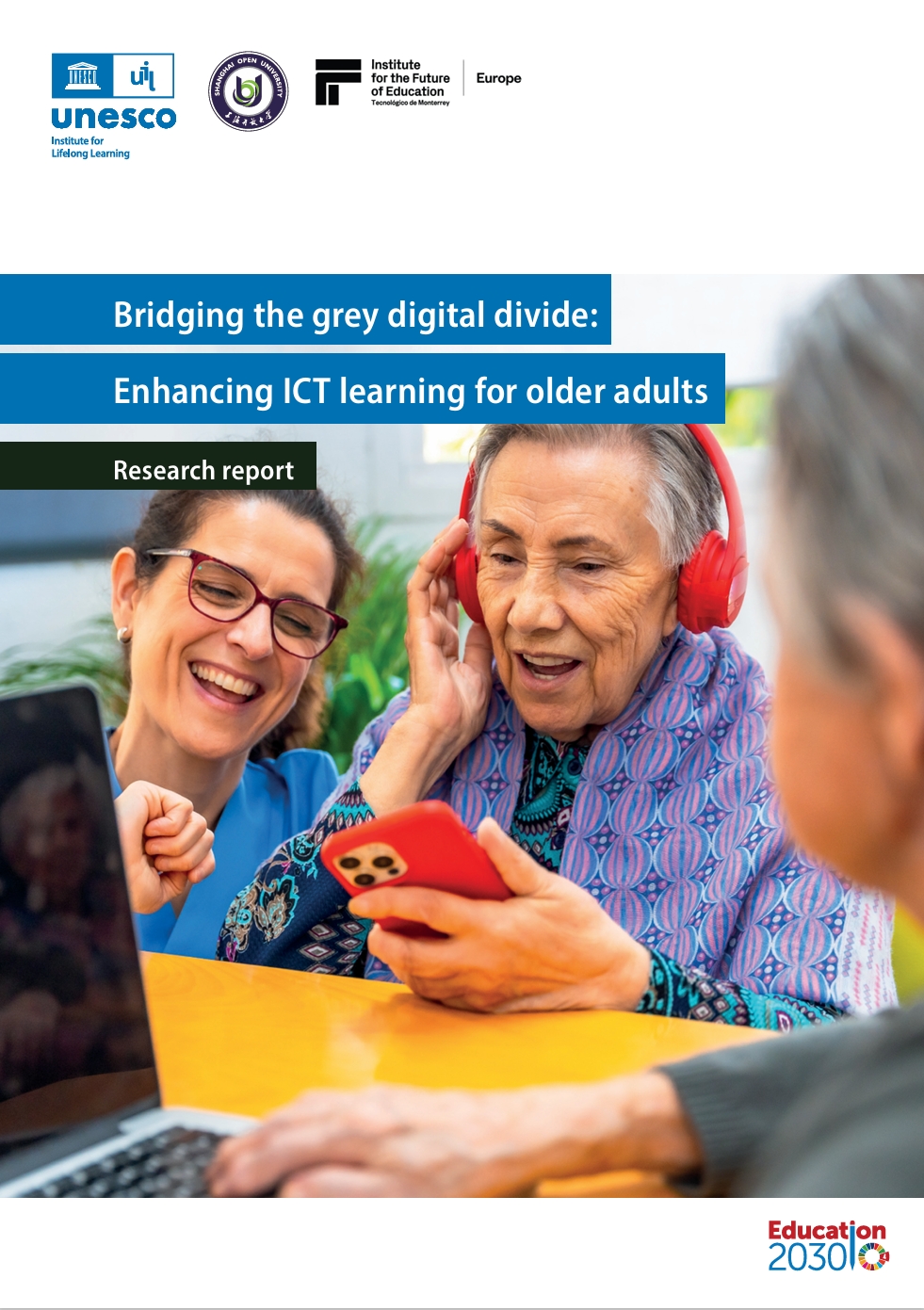 Bridging the Grey Digital Divide: Enhancing ICT Learning for Older Adults; Research Report Year of publication: 2025 Corporate author: UNESCO Institute for Lifelong Learning (UIL) | Shanghai Open University (SOU) | Institute for the Future of Education This research report, Bridging the Grey Digital Divide: Enhancing ICT Learning for Older Adults, explores how organizations across diverse national and regional contexts are supporting digital learning opportunities for older adults. Through six case studies from across five UNESCO regions, it presents a rich array of practices and strategies adopted by independently funded non-profit organizations, community learning centres operating under the auspices of national and local governments, foundations and adult education institutions drawing on a combination of private and public funding sources while maintaining links with universities, and other stakeholders working to close the digital gap for older learners. These examples demonstrate that with the right support structures and pedagogical methods – such as tailored learning programmes, age-friendly technology environments, and intergenerational collaboration – older adults can, and do, engage meaningfully with digital technologies..
  Greening Communities Guidance: Lifelong Learning for Climate and Sustainability Action Year of publication: 2025 Corporate author: UNESCO Institute for Lifelong Learning (UIL) | World Organization of the Scout Movement Climate change poses a serious threat to communities around the world, compelling us to protect vulnerable lives and shape resilient futures. By nurturing lifelong learning and empowering local initiatives, communities can drive transformative change – amplifying local efforts into global impact.Green communities are municipalities of any size that embrace lifelong learning to empower individuals to take meaningful climate and sustainability action. This is achieved by extending climate education beyond the classroom and offering learning opportunities in non-formal and informal settings – rooted in and responsive to local culture and context. By engaging learners of all ages across a variety of learning environments, residents of green communities are equipped to take informed, proactive and responsible action for the climate and environment, contributing to more sustainable living.The sections of this document provide an overview of the diverse learners, learning spaces and educational approaches that can contribute to greening communities. It outlines practical steps for developing a comprehensive green learning strategy and action plan that mobilizes learners of all generations in climate and sustainability efforts.Municipal governments, along with a wide range of local stakeholders and change agents in both urban and rural areas, are invited to use this guidance to foster green communities through a lifelong learning lens.Together, let’s green our communities!
  Addressing Violent Pasts through Education: A Policy Guide Year of publication: 2025 Corporate author: UNESCO Teaching about violent pasts and their legacies is a powerful way to foster sustainable peace.Education can build a nuanced understanding of complex histories, raise awareness of the roots and legacies of violence, nationally and internationally, and sensitize learners for their own agency as actors of change for reconciliation and conflict prevention.Educating about violent pasts is a challenging yet critical endeavour for policy-makers globally. It entails tailored approaches and an important support for educators to address traumatic pasts sensitively and to navigate related emotions and narratives successfully.Building on UNESCO’s programme on Global Citizenship Education, this guide offers education policy-makers a set of strategies, principles, and education practices to effectively integrate education about violent pasts into local education systems. It suggests a comprehensive approach that spans formal and informal education and aligns with the 2023 Recommendation on Education for Peace, Human Rights and Sustainable Development, opening new perspectives on history education, dialogue, and conflict transformation.
  UNESCO Framework for Culture and Arts Education: Implementation Guidance Year of publication: 2025 Corporate author: UNESCO Culture and the arts are integral to inclusive, equitable and quality education. They nurture creativity, critical thinking, and respect for cultural diversity, empowering learners to engage meaningfully with the world and to build more just, sustainable and peaceful societies. Yet, countries have not systematically incorporated culture and arts education across all levels of education. This Implementation guidance for the UNESCO Framework for Culture and Arts Education is a collective invitation to reimagine education by placing culture and the arts at its heart and advancing a transformative vision of education for all.Through a holistic approach, the Guidance supports the integration of culture and the arts across formal, non-formal and informal education, throughout life. It offers practical orientations to help Member States fulfil the commitment enshrined in the UNESCO Framework for Culture and Arts Education, adopted by Ministers of Culture and Education in 2024. With a global perspective, this Guidance will equip policy-makers, educators and cultural actors in developing inclusive, context-relevant policies, curricula and learning environments.The Guidance is a milestone on a shared journey, inviting countries to harness their cultural strengths, respond to emerging challenges, and work together towards a more inclusive education for all.
  Mainstreaming the General History of Africa into Education Systems: The Curriculum Pathway Year of publication: 2025 Corporate author: UNESCO Education about the history of Africa in formal, non-formal and informal learning settings continues to be dominated by Eurocentric perspectives, which has led to imbalanced representation of Africa’s history and preconceptions.This publication is a tool to support countries in challenging the skewed perspectives on how African history is taught and how Africa is perceived. It aims to bring to the foreground Africa’s history, cultures and heritage through the curriculum to strengthen knowledge, skills, values and attitudes that contribute towards addressing long-standing hegemonic, colonial thinking and connected racial bias, while forging a united, prosperous and peaceful Africa and world.Stemming from the decolonial vision and content of the volumes of the General History of Africa, the publication proposes guiding principles and approaches for designing and implementing the General History of Africa into the curriculum. It puts forth curriculum outlines for basic and secondary education to offer renewed and broader perspectives on the history of Africa and its diasporas, and their contributions to humanity.The curriculum outlines are structured around nine thematic Learning Units, arranged chronologically from the origins of humanity and civilizations to Africa’s most recent history.
  The Representation of Jews, Judaism and Antisemitism in School Textbooks and Curricula in Europe Year of publication: 2025 Corporate author: UNESCO Jewish communities have been integral to Europe’s social fabric for centuries, preserving rich religious and cultural traditions while facing recurring periods of exclusion, persecution, and resilience. School textbooks are important vantage points to understand how this history and heritage is represented, (de)constructed and embedded into a shared historical and cultural memory. They are also important practical tools used daily by students, teachers, and parents.This comprehensive research, carried out by UNESCO in collaboration with the Georg-Eckert-Institute and supported by funding from the European Commission, examines the ways in which Jewish culture, history, life, and anti-Jewish prejudice are represented in secondary school materials across eight European nations.The publication highlights opportunities within curricula to address Jewish experiences and antisemitism, reviews how these themes are incorporated into textbooks, and analyzes the narratives and portrayals that arise. The study also looks at the use of visual sources and assesses whether Jewish viewpoints and agency are sufficiently reflected. The findings highlight both recurring stereotypes and promising practices. By showcasing these contrasts, the study provides targeted recommendations to guide the creation of more inclusive educational materials.