About
Learn about Global Citizenship Education and explore the key features of the Clearinghouse on GCED.
Global Citizenship Education
Global Citizenship Education (GCED) empowers learners of all ages with the knowledge, skills, values, and attitudes needed to build a more inclusive, just, and peaceful world.
Through GCED, Learners are:
- Encouraged to understand and uphold universal values such as peace, human rights, social justice, cultural diversity, gender equality, and environmental sustainability;
- Inspired to critically reflect on today’s pressing global challenges, including discrimination and hatred, inequality, the climate crisis, ecological degradation, and excessive competition;
- Empowered to engage and act in solidarity and cooperation as active, responsible global citizens committed to fostering justice, inclusion, respect for life, and a culture of peace.
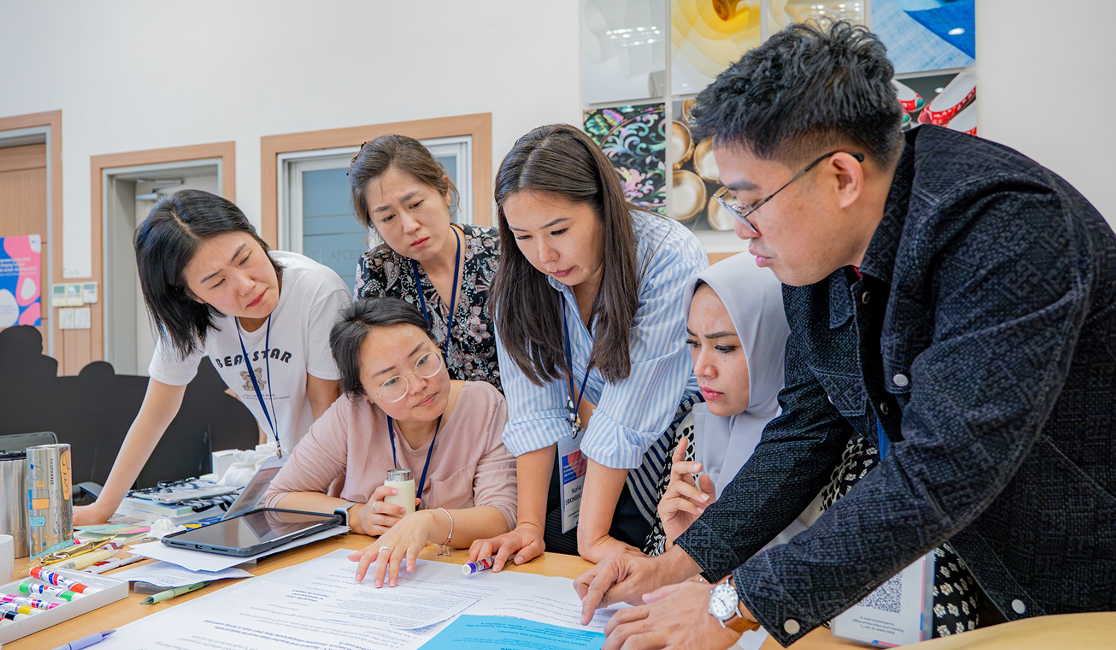
GCED goes beyond specific age groups or classroom settings.
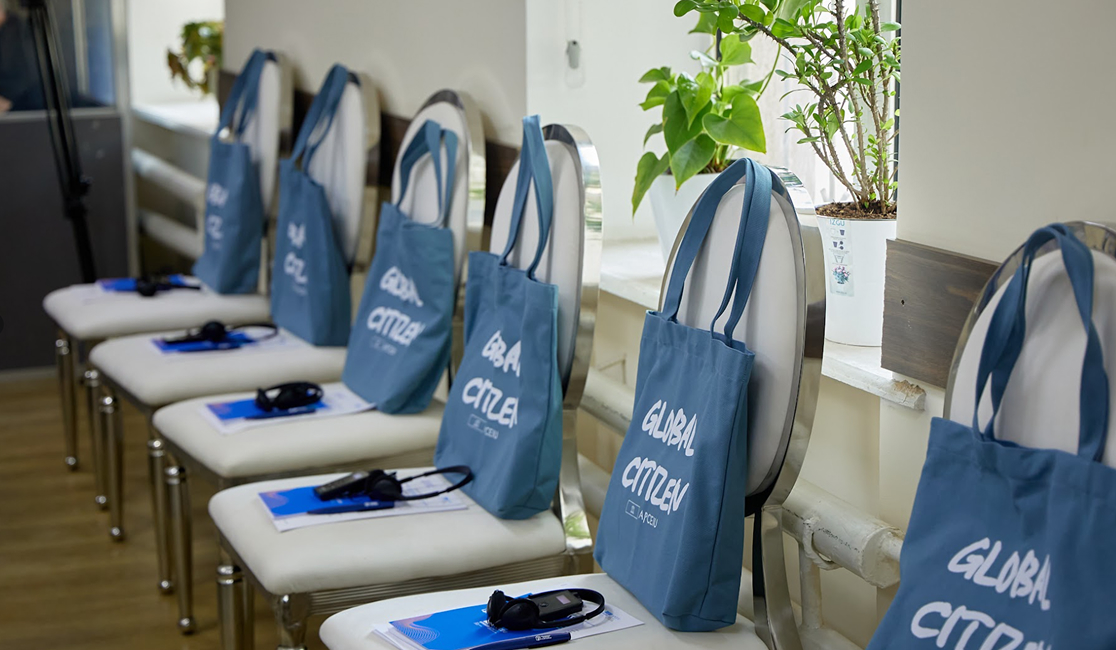
- From a lifelong learning perspective, it applies equally to children, youth, and adults.
- It calls for integrated approaches that bridge formal and non-formal education, curricular and extracurricular learning, and both conventional and innovative methods.
According to UNESCO, GCED can be understood through three conceptual dimensions:
-
- Cognitive
- To acquire knowledge, understanding and critical thinking about global, regional, national and local issues and the interconnectedness and interdependency of different countries and populations.
-
- Socio-emotional
- To have a sense of belonging to a common humanity, sharing values and responsibilities, empathy, solidarity and respect for differences and diversity.
-
- Behavioural
- To act effectively and responsibly at local, national and global levels for a more peaceful and sustainable world.
Source: UNESCO, “Global Citizenship Education: Topics and Learning Objectives”