
الموارد
استكشف مجموعة واسعة من الموارد القيمة حول تعليم المواطنة العالمية لتعميق فهمك وتعزيز البحث والمناصرة والتعليم والتعلم.
تم العثور على 45 نتيجة
 من أجل التنمية المستدامة الأمم المتحدة للتعليم للنصف الثاني من العقد استراتيجية اليونسكو سنة النشر: 2010 المؤلف المؤسسي: UNESCO The UNESCO Strategy for the Second Half of the United Nations (UN) Decade of Education for Sustainable Development (DESD) draws on the findings and lessons learnt from the first phase of the DESD monitoring and evaluation (M&E) process (as reflected in the 2009 DESD M&E report Learning for a Sustainable World: Review of Contexts and Structures for Education for Sustainable Development. It also builds on the UNESCO World Conference on ESD and the Bonn Declaration as well as on the outcomes of other key international ESD meetings. The Bonn Declaration gives particular emphasis to the importance of education for the global development agenda and underlines the essential contribution of ESD to shaping the purpose, content and quality of all education. The UNESCO strategy will be implemented in line with the International Implementation Scheme (IIS), which, along with the Bonn Declaration, will provide the global strategic framework for UNESCO and its DESD partners during the second half of the Decade. The Strategy takes into account key DESD regional challenges and opportunities. It is also shaped by the shared vision of education emerging from the four 2008-2009 UNESCO international education conferences: one of education systems that encourage equity and inclusion, quality learning, flexibility and innovation. While UNESCO puts highest emphasis on achieving Education for All (EFA), the Organization’s actions in education extend beyond this, to pay explicit attention to inclusion, social cohesion and social justice, to lifelong learning and to the crucial role of higher education and research. The overall goal of the UNESCO Strategy for the Second Half of the DESD is to support Member States and other stakeholders in addressing global sustainable development challenges at regional, national and global level through ESD, thus addressing the challenges of learning for bringing about a more sustainable world. نحو صالح مشـترك عاملي؟ إعـادة التفكير في التـربـيــة والتعليم سنة النشر: 2015 المؤلف المؤسسي: UNESCO The changes in the world today are characterized by new levels of complexity and contradiction. These changes generate tensions for which education is expected to prepare individuals and communities by giving them the capability to adapt and to respond. This publication contributes to rethinking education and learning in this context. It builds on one of UNESCO’s main tasks as a global observatory of social transformation with the objective of stimulating public policy debate.It is a call for dialogue among all stakeholders. It is inspired by a humanistic vision of education and development, based on respect for life and human dignity, equal rights, social justice, cultural diversity, international solidarity, and shared responsibility for a sustainable future. These are the fundamentals of our common humanity. This book enhances the vision provided by the two landmark UNESCO publications: Learning to Be: The world of education today and tomorrow (1972), the ‘Faure Report’, and Learning: The treasure within (1996), the ‘Delors Report عدسة التعليم من أجل التنمية المستدامة أداة استعراض السياسات والممارسات سنة النشر: 2010 المؤلف المؤسسي: UNESCO The UN Decade of Education for Sustainable Development (DESD) calls on the Governments to consider the inclusion of measures to implement the Decade in their respective education systems and strategies and, where appropriate, into national development plans’.2 This ESD Lens provides tools to start this process. It can be adapted to different educational contexts, and country specific policy and practice needs. It is not prescriptive, but provides guidelines and starting points for reviewing education policy and practice using an ESD perspective. ESD Lens Review Tools are provided for planning, for building knowledge of ESD, for reviewing national policy and the aims of education, for reviewing quality learning outcomes, and for reviewing more specific and detailed aspects of the education system such as curriculum, learning materials, assessment and teacher education. The tool is flexible and can be used at different levels of the system.Some of the tools are more suited to policy-makers, while others can be used by teachers and principals in schools. Ideally they should all be used to ensure a more systemic re-orientation of the education system in a country, province, region or district.The pilot testing of the ESD Lens showed that it helps to build synergy for understanding and implementing ESD at national level and at sub-regional levels. The key question being addressed by the ESD Lens is:How can education policies, curriculum and other support processes sufficiently integrate the principles of ESD to inform and strengthen the quality of learning experiences for sustainable development?
  إسهام اليونسكو في تنسيق ودعم العمل على الصعيد العالمي/الإقليمي لتحقيق الهدف 4 للتنمية المستدامة الخاص بالتعليم حتى عام 2030 سنة النشر: 2017 المؤلف المؤسسي: منظمة الأمم المتحدة للتربية والعلم والثقافة (UNESCO) عقد األمم املتحدة للتعليم من أجل التنمية املستدامة (2014-2005) التقرير الختامي رسم مالمح املستقبل الذي نصبو إليه الملخص سنة النشر: 2014 المؤلف: Carolee Buckler | Heather Creech المؤلف المؤسسي: منظمة الأمم المتحدة للتربية والعلم والثقافة (UNESCO) This summary for policy- and decision-makers provides a brief overview of the key findings and trends, a synopsis of highlights, challenges and actions across all levels and areas of education, and steps for scaling up actions presented in the UNESCO 2014 Global Monitoring and Evaluation Final Report, Shaping the Future We Want – UN Decade of Education for Sustainable Development (2005-2014). The Final Report provides an assessment of progress towards embedding education for sustainable development (ESD) into education systems and into sustainable development efforts. Building on the findings of the past two DESD Global Monitoring and Evaluation reports, and based upon Member States’ and other stakeholders’ assessments of the current state of ESD, the Final Report maps the achievements and challenges of a decade of progress and action on ESD at the global, national, regional and local levels, and within all areas and levels of education. The Final Report concludes that a solid foundation has been laid for ESD at the end of the DESD, achieved by raising awareness, influencing policies and generating significant numbers of good practice projects in all areas of education and learning. At the end of 10 years of work, 10 key findings and trends have emerged that will guide ESD into the future. The report also shows that despite the successes, a full integration of ESD into education systems has yet to take place in most countries.
 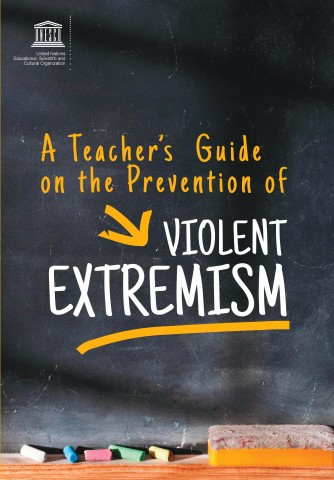 دليل المعلم حول منع التطرف العنيف سنة النشر: 2016 المؤلف المؤسسي: منظمة الأمم المتحدة للتربية والعلم والثقافة (UNESCO) إنه دليل اليونسكو الأول للمعلم حول منع التطرف العنيف من خلال التعليم. جرى تطوير هذه الوثيقة استجابة فورية لحاجات الدول الأعضاء في اليونسكو، كما جاء في القرار التاريخي،20151 EX/197 رقم 46 الذي اتخذه المجلس التنفيذي لليونسكو في تشرين الأول/أكتوبر ويدعو فيه المنظمة إلى تعزيز قدرتها لتوفير المساعدة للبلدان الساعية إلى تقوية استجابة قطاعها التربوي للتطرف العنيف، بما فيه بواسطة برامج التربية العالمية على المواطنة القائمة على حقوق الإنسان، مع مراعاة السياقات الوطنية...بغية ضمان انطباق دليل المعلمين هذا على مختلف السياقات الجغرافية والاجتماعية والثقافية، فقد جرى وضعه بعد عملية تشاورية موسعة مع خبراء ومعلمين من المناطق المختلفة، كما اختبرته ميدانياً الأطراف التربوية المعنية في البلدان المختلفة بالتالي، و يمكن استخدامه كما هو، أو اعتباره نموذجاً يحتاج إلى أن يوضع في سياقه، ويترجم بغية تلبية حاجات المتعلمين المحددة.... في المرحلة العليا من التعليم آخذين هذا في الاعتبار، جرى وضع هذا الدليل للمعلمين في المرحلة العليا من التعليم الابتدائي، والمرحلة الدنيا والمرحلة العليا من التعليم الثانوي. كما تم تطويره مع الأمل بتمكنه من من دعم جهود المعلمين في الأطر التربوية النظامية وغير النظامية....ويسعى هذا الدليل بشكل خاص إلى: تقديم النصائح العملية حول متى وكيف تُناقش مسألة التطرف العنيف مع المتعلمين... ومساعدة المعلمين في تأمين مناخ عام في الصف الدراسي يفضي إلى الحوار المحترم والنقاش المفتوح والتفكير النقدي. عناوينه الرئيسة: حول التطرف العنيف، إدارة المناقشات في قاعة الصف، الرسائل الأساسية الواجب إيصالها، الأسئلة الأكثر طرحا ومراجع.
  [فيديو] الغايات العشر للهدف 4 من أهداف التنمية المستدامة ... مع إليكس! سنة النشر: 2017 المؤلف المؤسسي: UNESCO شاهد فيديو اليونسكو الجديد الذي يشرح الغايات العشر للهدف 4 من أهداف التنمية المستدامة. واكتشف مع إليكس، أول سفير رقمي للأمم المتحدة، كيفيةضمان وصول التعليم للجميع وتعزيز فرص التعلّم المتساوية والجيدة طوال العمر. التعليم للجميع في أمريكا اللاتينية والكاريبي، ليما، بيرو، 30-31 تشرين الأول/أكتوبر 2014 : بيان ليما سنة النشر: 2014 المؤلف المؤسسي: منظمة الأمم المتحدة للتربية والعلم والثقافة (UNESCO) The Ministers of Education of Latin America and the Carribean (LAC), high-level government officials, UN agencies, representatives of civil society organizations and development partners, gathered at th meeting on "Education for All (EFA) in Latin America and the Carribean: Assessment of progress and post-2015 challenges", in Lima, Peru, from 30 to 31 October 2014. Having deliberated on progress towards EFA in the region, the Muscat Agreement adopted at the Global EFA Meeting (GEM) in Muscat, Oman, 12-14 May 2014, and the outcome document of the UN General Assembly Open Working Group for Sustainable Development Goals, and having examined the unfinished EFA tasks in the region, as well as the challenges and priorities that will configure the post-2015 education agenda for the region, the Lima Statement was adopted.
 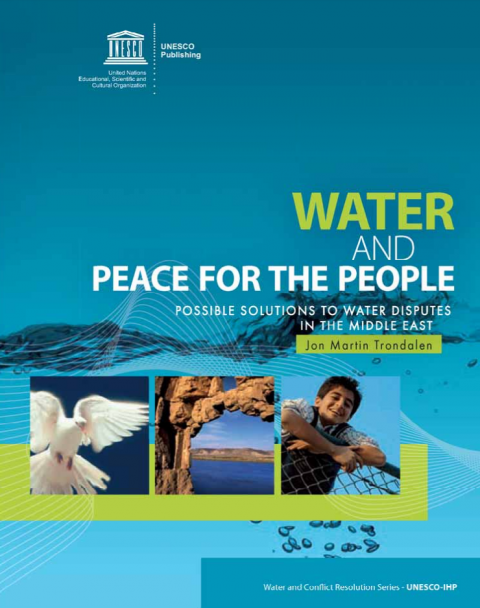 المياه والسلام من أجل الناس: حلول ممكنة للنزاعات المائية في الشرق الأوسط سنة النشر: 2008 المؤلف المؤسسي: UNESCO This book proposes practical and objective solutions to the entrenched water conflicts in the Middle East. The author reveals and clarifies the complexity of the water conflicts, drawing on years of experience facilitating and chairing water negotiations in the region. The bottom line is: Unless the countries involved co-operate, the consequences will be devastating. The lack of plentiful and clean water for the people will not only result in severe human suffering, but could also have grave geopolitical consequences.
 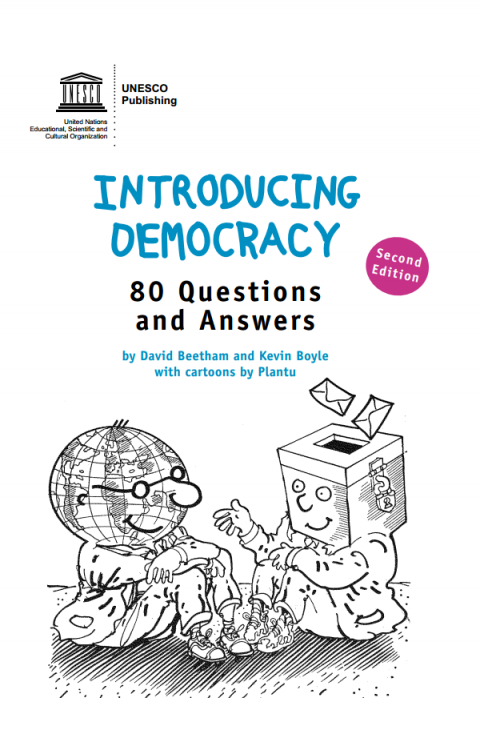 الديمقراطية: أسئلة وأجوبة سنة النشر: 2009 المؤلف: David Beetham | Kevin Boyle المؤلف المؤسسي: UNESCO Humorously illustrated by Plantu, the famous cartoonist of the French newspaper Le Monde, this book is a valuable tool for all those who want to know more about democracy and human rights, whether it be students, activists, civil servants, or simply as interested citizens. What is democracy? What is the relation between democracy and individual rights? Is majority rule always democratic? How can democracy be maintained and improved? This book tackles these and other questions about democracy, covering six broad areas: basic concepts and principles; free and fair elections; open and accountable government; individual rights and their defence; democratic or civil society; the future of democracy.