
الموارد
استكشف مجموعة واسعة من الموارد القيمة حول تعليم المواطنة العالمية لتعميق فهمك وتعزيز البحث والمناصرة والتعليم والتعلم.
تم العثور على 47 نتيجة
 البيان المشترك للبلدان التسعة ذات الأعداد الضخمة فيما يخص التعليم في مرحلة ما بعد عام 2015 سنة النشر: 2014 المؤلف المؤسسي: منظمة الأمم المتحدة للتربية والعلم والثقافة (UNESCO) This statement is adopted by the participants of the 10th E-9 Ministerial Review Meeting held in Islamabad, Pakistan, on November 27-28, 2014. They have taken stock of the progress made since 2000 and challenges remaining in the nine countries in achieving the six Education for All (EFA) goals, and reflected on the priorities and prospects for each country to sustain and further advance educational development beyond 2015. Their deliberations were based on a careful examination of the National EFA 2015 Reviews of the countries concerned, the Muscat Agreement adopted at the Global Education for All Meeting (Muscat, Oman, 12-14 May 2014), the Outcome Document of the United Nations General Assembly Open Working Group on Sustainable Development Goals, and took into account the Aichi-Nagoya Declaration on Education for Sustainable Development as well as the changing global environment that shapes the cooperation among the E-9 countries.
  التربية على المواطنة العالمية: مواضيع وأهداف تعلمية سنة النشر: 2015 المؤلف المؤسسي: UNESCO هذا الدليل "التربية على المواطنة العالمية: المواضيع والأهداف التعلمية" هو أول التوجيهات التربوية لليونسكو حول تعليم المواطنة العالمية. أتى هذا الدليل نتيجة لبحوث معمقة وعملية استشارية مع خبراء من مختلف أصقاع العالم. يرتكز هذا التوجيه على دليل اليونسكو» التربية على المواطنة العالمية: تحضير المتعلمين لتحديات القرن الواحد والعشرين " ومخرجات الأحداث لليونسكو حول التربية على المواطنة العالمية: المشاورة الفنية حول التربية على المواطنة العالمية (أيلول/سبتمبر 2013) وندوة اليونسكو الأولى والثانية حول التربية على المواطنة العالمية، واللتين عقدتا في كانون الأول/ديسمبر 2013 وكانون الثاني/يناير من العام 2015 على التوالي. قبل الانتهاء من العمل على هذا التوجيه، اختبره أصحاب المصلحة في المجال التعليمي اختباراً ميدانياً في عدد من الدول المنتقاة بغية الحرص على ملاءمته للسياقات الجغرافية والاجتماعية الثقافية المختلفة. تهدف التربية على المواطنة العالمية إلى أن تشكل قوة تحويلية، وبناء المعرفة والمهارات والقيم والسلوكيات التي يحتاج إليها المتعلمون ليتمكنوا من المساهمة في عالم أكثر دمجاً وعدلا وسلاماً. ويقدم هذا الدليل اقتراحات لترجمة مفاهيم التربية على المواطنة العالمية إلى مواضيع وأهداف تعلمية عملية ومراعية للأعمار بطريقة تسمح بمواءمتها مع السياقات المحلية. ويهدف الدليل إلى أن يشكل مورداً للمربين ومطوري المناهج والمدربين، بالإضافة إلى صانعي السياسات، فضلا عن كونه مهماً أيضاً لغيرهم من أصحاب المصلحة في المجال التعليمي، العاملين في أطر نظامية أو غير نظامية. يعرّف الدليل بالتربية العالمية ومقوماتها التعلمية وكيفية إدماجها في النطم التربوية وتطبيقها داخل الصف. أصداء، التنوع الثقافي: طريق نحو تحقيق التنمية؛ الذكرى السنوية العاشرة لإعتماد الإعلان العالمي لليونسكو بشأن التنوع الثقافي سنة النشر: 2011 المؤلف المؤسسي: UNESCO This founding text was the first to acknowledge cultural diversity as “the common heritage of humanity”. It is with great pride that UNESCO is commemorating the 10th anniversary of the Declaration. Commemorate – from the Latin cum memorare – means quite literally “to remember together” or “to remember with”. This collection is compiled the voices of all those who have contributed to the heightening of human awareness by throwing into relief the inestimable value of cultural diversity. These excerpts from books, articles and statements by global intellectual and political leaders, artists and Nobel Prize-winners all call for the safeguarding of cultural diversity, which is inseparable from respect for human dignity. Their voices resound in bearing witness to the strength of cultural diversity and to its capacity to enlighten the minds of women and men. We are duty-bound to ensure that it is central to public policies and a resource for development and dialogue among nations. The United Nations was born of the determination of men and women “to save succeeding generations from the scourge of war...”. In accordance with that principle, UNESCO was established on a key idea, expressed at the very beginning of its Constitution: “... since wars begin in the minds of men, it is in the minds of men that the defences of peace must be constructed”. In the world today, globalized, connected and interdependent as never before, this mission is more vital than ever. The rapprochement of peoples and cultures requires a commensurately global awareness. Cultural diversity has always been at the heart of international relations. It is also, increasingly, a feature of the contemporary mixed and plural societies in which we live. In view of this reality, we must formulate appropriate public policies and rethink the mechanisms of social cohesion and civic participation. How can we build common ground on the basis of such diversity? How can we construct genuine moral and intellectual solidarity of humanity? Any new vision of humanism must be grounded itself in the dynamism and diversity of cultural heritage. It is a source of inspiration and knowledge to be shared and a means of broadening our horizons. The goal of the UNESCO Universal Declaration on Cultural Diversity is to provide keys and benchmarks for capitalizing on this wealth. There can be no sustainable governance if cultural diversity is not acknowledged. There can be no economic and social development if specific features of every culture are belittled and ignored.
 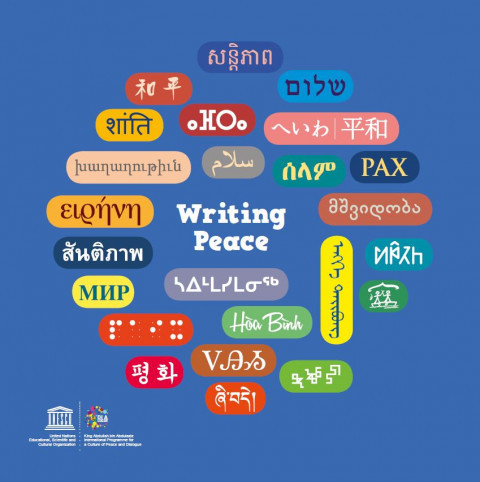 أكتب السلام سنة النشر: 2017 المؤلف: Eric Cattelain المؤلف المؤسسي: منظمة الأمم المتحدة للتربية والعلم والثقافة (UNESCO) يدعو كتيب "أكتب السلام" فئة القراء الصغار إلى اكتشاف الكتابات الحديثة من خلال التعريف بلغات مختلفة. كما نسعى من خلال ذلك إلى التعايش مع الاختلاف ليبدو العالم أكثر قربا وحيوية. يشجع كتيب "أكتب السلام" الأطفال الذين تتراوح أعمارهم بين 8 ـ 14 سنة على الاطلاع على مختلف أشكال الترابط والتفاعل بين الثقافات من خلال تعريفهم بأنظمة الكتابة وتاريخها والاقتباسات المتبادلة بينها.يحتوي الكتيب على 24 ورقة نشاط حيث يعرض كل جزء حروف أحد أنظمة الكتابة المدرجة في الكتيب من جهة، ومن جهة أخرى، نصَا تعريفيّا بها وبخلفيتها التاريخية، إضافة إلى كلمة "السلام" وكلمة "مرحبا" واللغة أو اللغات المرتبطة بتلك الأنظمة. كما يحتوي كل جزء على نشاط معرفي تتوفر أجوبته في آخر الدليل.بعد مرور 6000 سنة على مجيء الكتابة، ما الذي نعرفه عن الآخرين، عن أنظمتهم الفكرية وعن كيفية تناقل أنظمتهم الخطيّة؟ كيف لهذه الأنظمة المختلفة أن تساهم في تقديم معرفة أفضل عن العالم وعن موقعنا فيه؟ نسعى من خلال افتتاحنا للكتاب بآليات التعلم حول تلك الأنظمة وجمالها الأخاذ ربط إدراك الأطفال بالتنوع والانفتاح على مفهوم السلام والوعي به.
  التدريب على القيادة في التعليم من أجل التنمية المستدامة المشروع الطليعي للشبكة الشريكة الرابعة في برنامج العمل العالمي لليونسكو سنة النشر: 2017 المؤلف المؤسسي: UNESCO يُعتبر التدريب على القيادة في مجال التعليم من أجل التنمية المستدامة المشروعالطليعي للشبكة الشريكة الرابعة في برنامج العمل العالمي ويرمي إلى حشدالشباب وتعزيز مشاركتهم. ويستخدم أعضاء الشبكة هذه الوحدات التدريبيةفي الأنشطة التدريبية التي ينظمونها من أجل الشباب.
  دور اليونسكو ومسؤولياتها في وضع تعليم المواطَنة العالمية موضع التطبيق وتعزيز التعليم من أجل السلام وحقوق الإنسان والتعليم من أجل التنمية المستدامة سنة النشر: 2015 المؤلف المؤسسي: UNESCO This document is an addendum to document 196 EX/32. This item was included in the provisional agenda of the 196th session of the Executive Board at the request of Austria and Italy
 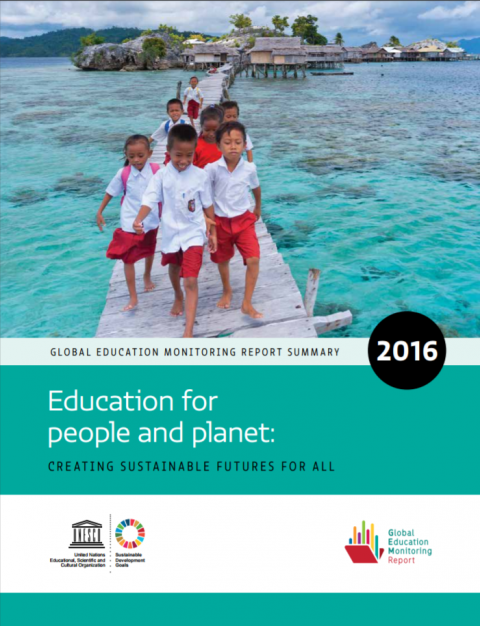 التعليم من أجل الناس والكوكب: بناء مستقبل مستدام للجميع سنة النشر: 2016 المؤلف المؤسسي: UNESCO The GEM Report provides an authoritative account of how education is the most vital input for every dimension of sustainable development. Better education leads to greater prosperity, improved agriculture, better health outcomes, less violence, more gender equality, higher social capital and an improved natural environment. Education is key to helping people around the world understand why sustainable development is such a vital concept for our common future. Education gives us the key tools – economic, social, technological, even ethical – to take on the SDGs and to achieve them. These facts are spelled out in exquisite and unusual detail throughout the report. Yet the report also emphasizes the remarkable gaps between where the world stands today on education and where it has promised to arrive as of 2030.
  برنامج الملك عبد الله بن عبد العزيز الدولي لثقافة السلام والحوار: أهم منجَزات المرحلة الأولى سنة النشر: 2016 المؤلف المؤسسي: منظمة الأمم المتحدة للتربية والعلم والثقافة (UNESCO) انبثق برنامج الملك عبد الله بن عبد العزيز الدولي لثقافة السلام والحوار من الإطار المؤسسي لبرنامج اليونسكو لثقافة السلام واللاعنف.إن ثقافة السلام لا تقتصر على كونها مفهوماً بل تتعداه إلى كونها التزاماً بجعل السلام واقعاً ملموساً للجميع. فهي تعبِّ عن “مجموعة من القيم والمواقف والتقاليدوأنماط السلوك وأساليب الحياة تستند إلى [...] احترام الحياة وإنهاء العنف [... و] التمسك بمبادئ الحرية والعدل والديمقراطية والتسامح والتضامنوالتعاون والتعددية والتنوع الثقافي والحوار والتفاهم على مستويات المجتمع كافة وفيما بين الأمم” (المادة 1 من إعلان وبرنامج العمل بشأن ثقافة السلام،اليونسكو، 1999 ). وتثابر اليونسكو على العمل لغرس ثقافة السلام مع مراعاة اعتبارات التنمية، بمضافرة القوى مع أصحاب المصلحة الملتزمين فيمجال التربية والعلوم والثقافة، والاتصال والإعلام.
 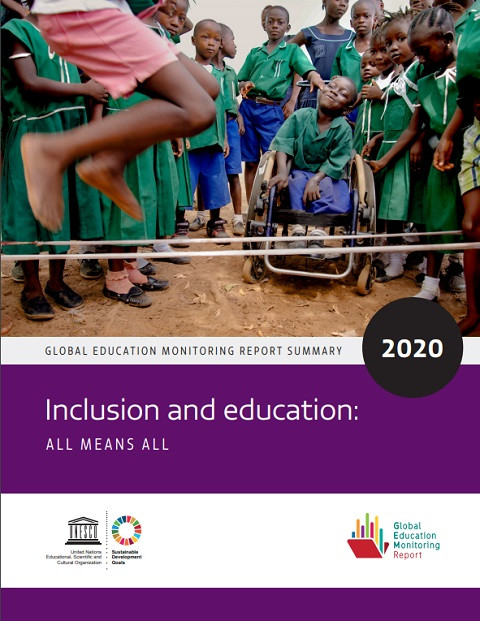 ملخص التقرير العالمي لرصد التعليم 2020: التعليم الشامل للجميع; الجميع بال استثناء سنة النشر: 2020 المؤلف المؤسسي: UNESCO | Global Education Monitoring Report Team ينظر التقرير العالمي لرصد التعليم لعام 2020 في اآلليات االجتماعية واالقتصادية والثقافية التي تميز ضد األطفال والشباب والبالغين المحرومين، مما يحرمهم من التعليم أو يجعلهم مهمشين فيه. وبفضل حافز التزامها بإعمال الحق في التعليم الشامل، تعمل البلدان على توسيع نطاق رؤيتها للتعليم الشامل بإدراج التنوع في صلب ً ما يتعثر تنفيذ القوانين والسياسات الهادفة التي تنطوي نظمها التعليمية. لكن غالبا على نوايا حسنة. ويرى التقرير الذي صدر في بداية عقد العمل حتى عام 2030 ، وفي خضم األزمة الناجمة عن جائحة كوفيد-19 ،التي أسفرت عن تفاقم أوجه عدم ً أمام ً حقيقيا المساواة الكامنة، أن مقاومة تلبية احتياجات كل متعلم تشكل تهديدا تحقيق أهداف التعليم العالمية.
 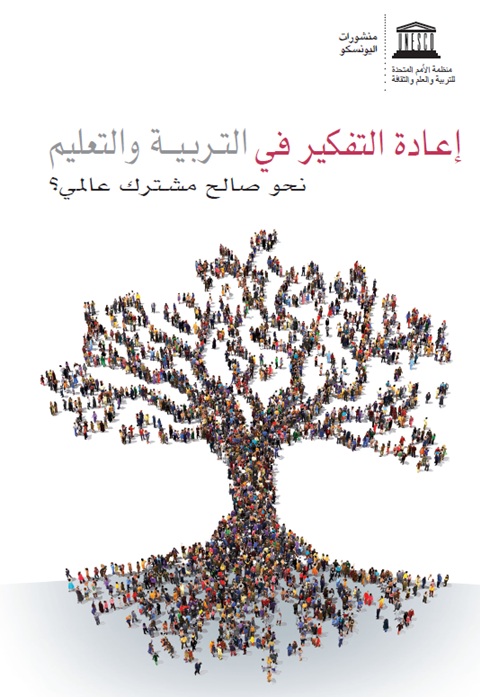 إعادة التفكير في التربية والتعليم: نحو صالح عام عالمي؟ سنة النشر: 2015 المؤلف المؤسسي: UNESCO ات، ّرات توتّد هذه التغيّولُات جديدة من التعقيد والتناقض. وتّتتسم تغيرات عالم اليوم بسويئا لها الأفراد والجماعات، من خلال تزويدهم بالمقدرة على ِّتهينتظر من التربية والتعليم أن ُيتي التعليم ّعمليف والاستجابة. وفي هذا السياق يسهم هذا المطبوع في النظر مجددا في ّالتكيم. إذ إنه يؤسس على دور رئيسي تؤديه اليونسكو، دور مرصد عالمي للتحولات الاجتماعية، ّوالتعلبهدف حفز نقاش السياسات العامة.م من رؤية إنسانية َمستلهل هذا المطبوع دعوة إلى الحوار بين جميع الجهات المعنية.فهو ّويمثللتعليم والتنمية، مبنية على احترام الحياة وكرامة الإنسان، وعلى التساوي في الحقوق، والعدالة الاجتماعية، والتنوع الثقافي، والتضامن الدولي، والتشارك في المسؤولية من أجل مستقبل مها مطبوعا ّقدد الرؤية التي ّمستدام. تلك هي أساسيات إنسانيتنا المشتركة. إن هذه الوثيقة تؤيم: ذلك ّ، «تقرير فور»؛ و التعل(١97٢)ًوغدام لتكون: عالم التربية اليوم ّمان: تعلَلْاليونسكو المع، «تقرير ديلور».(١996)الكنز المكنو.