
الموارد
استكشف مجموعة واسعة من الموارد القيمة حول تعليم المواطنة العالمية لتعميق فهمك وتعزيز البحث والمناصرة والتعليم والتعلم.
تم العثور على 89 نتيجة
 Учёт показателей достижения ЦУР 4: доклад о ходе достижения национальных контрольных показателей; в фокусе внимания — учителя سنة النشر: 2024 المؤلف المؤسسي: Global Education Monitoring Report Team | UNESCO Institute for Statistics (UIS) В настоящем издании представлена вторая оценка прогресса в достижении странами контрольных показателей, или национальных плановых ориентиров, установленных ими в отношении восьми показателей достижения ЦУР 4 в качестве вклада в реализацию глобальных целей. В этой оценке, охватывающей период с 2015 года, анализируется вероятность достижения каждой из стран национального контрольного показателя на 2025 год или (если контрольный показатель не был установлен) значения, которого они могли бы достичь в случае, если бы темпы их прогресса в истекший период (2000–2015 годы) были на уровне 25 % наиболее быстро прогрессирующих стран.В докладе об учете показателей достижения ЦУР 4 за 2024 год отмечено, что по большинству показателей темпы прогресса в достижении национальных целевых ориентиров отстают от плановых. Более того, по двум аспектам – гендерный дисбаланс (в пользу девочек) по показателю завершения полной средней школы и государственные расходы на образование в процентной доле от общего объема государственных расходов – в странах был зафиксирован регресс.Напротив, ускорился прогресс в достижении нового, восьмого показателя ЦУР 4 (доступ школ к интернету), который был добавлен с учетом приоритетного внимания, уделенного в ходе Саммита по трансформации образования 2022 года проблематике внедрения цифровых технологий. Треть стран установила в 2023 году национальные плановые ориентиры по этому показателю, в связи с чем в настоящем издании был впервые рассмотрен прогресс в этом вопросе.Наряду с этим относительно быстрыми темпами растет процентная доля учителей, имеющих минимально требуемый уровень квалификации. Этому показателю в настоящей публикации также было уделено повышенное внимание. В докладе представлены новые данные о национальных стратегиях в отношении минимальных уровней квалификации для доступа к учительской профессии, а также о правилах и стандартах, касающихся обязательного непрерывного повышения квалификации и обучения учителей навыкам применения новых технологий в сфере образования.
  سجّل الأداء بشأن تحقيق هدف التنمية المستدامة 4: التقرير المرحلي عن المؤشرات المرجعية الوطنية سنة النشر: 2024 المؤلف المؤسسي: Global Education Monitoring Report Team | UNESCO Institute for Statistics (UIS) يتضمن هذا التقرير نتائج عملية التقييم الثانية للتقدم المحرز على الصعيد القطري نحو تحقيق المؤشرات المرجعية، أو الأهداف الوطنية، التي حددتها البلدان المساهمة في أهداف التنمية المستدامة بهدف تحديد مساهمتها في تحقيق الأهداف العالمية في مجال التعليم. وتغطي عملية التقييم هذه الفترة منذ عام 2015، وتقيّم مدى احتمال بلوغ البلدان المؤشر المرجعي الخاص بكل بلد لعام 2025، أو القيمة التي كان باستطاعة البلدان الوصول إليها في حال واصلت وتيرة التقدم المحرز فيها خلال الفترة 2000-2015.وأظهر شكل التقييم لعام 2024 أن معظم البلدان تتقدم ببطء نحو بلوغ الأهداف الوطنية المرجوة منها. بل إن البلدان تتراجع عن تحقيق هدفين اثنين – أحدهما التفاوت بين الجنسين لمصلحة الفتيات في إتمام التعليم الثانوي الكامل، والآخر الإنفاق العام على التعليم كنسبة مئوية من الإنفاق العام الإجمالي.وعلى ذلك، سجّل البلدان تقدّمًا متسارعًا في بلوغ المؤشر المرجعي الثامن، ألا وهو الاتصال بالإنترنت في المدارس، الذي أضيف نتيجةً للأولوية التي أُعطيت للتحول الرقمي في قمة التحول في التعليم لعام 2022. وقد وضعت ثلث البلدان أهدافًا وطنية بشأن هذا المؤشر في عام ٢٠٢٣. ويجري في هذا الإصدار من التقرير تقييم التقدم في هذا المجال لأول مرة.وتستمر البلدان كذلك في تحقيق تقدّم سريع نسبيًا بالنسبة للمؤشر المتعلق بالنسبة المئوية للمعلمين الذين يستوفون الحد الأدنى من المؤهلات. وقد أولى هذا الإصدار اهتمامًا خاصًا لهذا المؤشر. ويعرض التقرير بيانات جديدة بشأن الأطر الوطنية المتعلقة بالحد الأدنى من المؤهلات المطلوبة للالتحاق بمهنة التدريس، وكذلك القواعد والمعايير الخاصة بالتطوير المهني المستمر الإلزامي للمعلمين، إضافة إلى التدريب على استخدام الوسائل التكنولوجية في مجال التعليم.
  可持续发展目标4记分卡:关于国家基准的进展报告:聚焦教师 سنة النشر: 2024 المؤلف المؤسسي: Global Education Monitoring Report Team | UNESCO Institute for Statistics (UIS) 这是第二份关于各国在实现基准或国家目标方面取得进展的评估报告,这些基准或国家目标是各国为八项可持续发展目标4指标而设定的,代表着其对全球目标的贡献。该评估涵盖了自2015年以来的时期,审查了每个国家实现其2025年基准的可能性;对于未设定此项基准的国家,则审查其是否有可能实现以历史上(2000–2015年)进展最快的25%国家的速度进步或将达到的数值。2024年可持续发展目标4记分卡表明,大多数指标的国家目标进展偏离轨道。在高中教育完成率方面男童处于不利地位的性别差距和公共教育支出占公共支出总额的比例这两项指标方面,各国甚至出现了倒退。相比之下,第八项基准指标——学校互联网连通性方面的进展较快,这项指标是在2022年教育变革峰会将数字变革作为优先事项后新增的。三分之一的国家在2023年制定了国家目标,本期报告首次审查了该指标的进展情况。另一个取得较快进展的指标,是具有最低必备资格的教师比例,这也是本期报告重点关注的指标。报告介绍了关于从事教师职业最低必备资格的国家政策、强制性持续专业培训政策,以及教师在教育技术方面培训政策的新证据。
 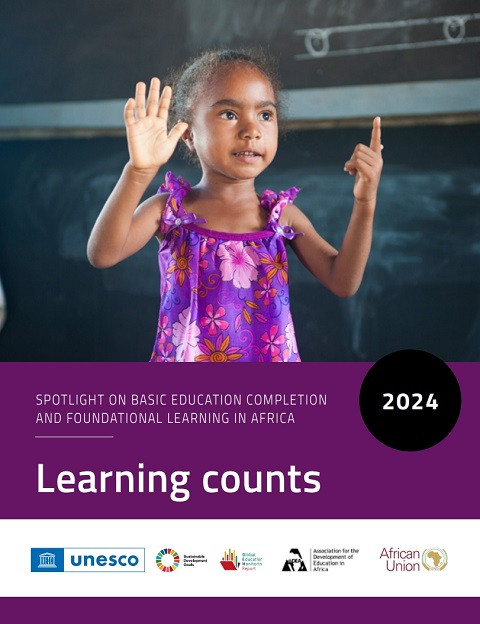 Learning Counts: Spotlight on Basic Education Completion and Foundational Learning in Africa, 2024 سنة النشر: 2024 المؤلف المؤسسي: Global Education Monitoring Report Team | Association for the Development of Education in Africa (ADEA) | African Union The African Union’s designation of 2024 as the Year of Education highlights the critical importance of education for equipping young Africans with the skills essential for their own and for the continent’s development. It is also a recognition of the multiple challenges ahead before every child can complete primary school having acquire the foundational skills that open the door for lifelong learning. Currently the out-of-school population is rising, one in five children do not complete primary school and, of those who do, only about one in five achieve minimum proficiency in reading and mathematics. African countries have set targets on primary completion and foundational learning but to effectively translate their ambitions into results, the 2024 Spotlight continental report emphasizes the importance of coherence between their curricula, textbooks, teacher guides and assessments. It evaluates the alignment of these policy documents with each other but also with a global standard of what students are expected to know and by when. It also assesses how these key documents are used in classrooms and what the implications are for children’s opportunities to learn. This report is the second in a series of three envisaged between 2022 and 2025, each covering some 12 countries of which a selection is examined in depth, in dialogue with education ministries and national stakeholders. The focus countries for this second Spotlight report cycle were Mauritania, Niger, South Africa, Uganda, and Zambia. The statistics and analysis presented in this publication aim to feed into the policy dialogue mechanism under the auspices of the African Union and its Continental Education Strategy for Africa. In particular, the Spotlight series aims to spark debate on foundational learning among African countries and encourage them to identify areas for joined action, given that they share a lot of policy challenges.
 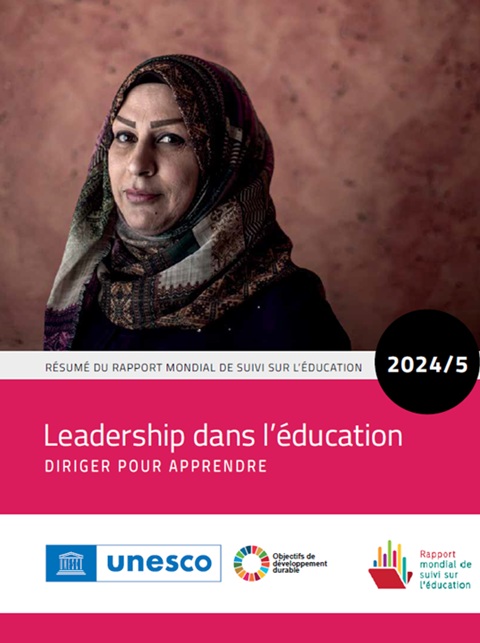 Résumé du rapport mondial de suivi sur l'éducation 2024/5: leadership dans l'éducation: diriger pour apprendre سنة النشر: 2024 المؤلف المؤسسي: Global Education Monitoring Report Team Le Rapport mondial de suivi sur l'éducation 2024/5 évalue les progrès accomplis dans la réalisation des objectifs du Programme 2030 et montre que, si le nombre d'enfants scolarisés et achevant l'enseignement secondaire n'a jamais été aussi élevé, de nombreux domaines connaissent une stagnation. Le leadership joue un rôle central pour y remédier. Aucune école n’améliore les résultats des élèves sans un bon leader pour montrer la voie. Sur la base d’un examen des lois et politiques concernant la sélection, la préparation et les conditions de travail des chefs d'établissement de 211 systèmes éducatifs, le rapport analyse les leviers stratégiques permettant d'attirer et de retenir des leaders de talent.Les possibilités d’exercer un leadership ne se limitent pas aux dirigeants des écoles, elles s’étendent à des personnes qui occupent d’autres postes dans le système éducatif et en dehors de celui-ci, telles que les directeurs adjoints, les enseignants et les élèves lorsque le leadership est partagé, les responsables politiques, la société civile, les organisations internationales, les syndicats et les médias, qui contribuent à définir les objectifs en matière d’éducation.Le rapport préconise que des efforts soient faits pour former des leaders dans quatre dimensions essentielles : fixer des objectifs, donner la priorité à l’apprentissage, encourager la collaboration et faire évoluer les personnes. Pour que ces dimensions se concrétisent, il faut faire confiance aux personnes occupant des postes de direction et leur donner les moyens d’agir ; il faut les recruter grâce à des pratiques d’embauche équitables ; les soutenir dans leur évolution ; et les encourager à mettre en place une culture de collaboration. Le rapport appelle également à investir dans la capacité des responsables de l'éducation à jouer un rôle de leader au sein du système, en mettant particulièrement l'accent sur la direction pédagogique et l'assurance qualité
  Resumen del informe de seguimiento de la educación en el mundo, 2024/5: Liderazgo en la educación: liderar por el aprendizaje سنة النشر: 2024 المؤلف المؤسسي: Global Education Monitoring Report Team El Informe de seguimiento de la educación en el mundo 2024-2025 evalúa los avances hacia el logro de las metas de 2030 y muestra que, aunque hay más niños escolarizados y que finalizan la educación secundaria que nunca, en muchos ámbitos hay estancamientos. El liderazgo es fundamental para abordar esta cuestión. Ninguna escuela puede mejorar los resultados de los alumnos sin un buen líder que muestre el camino a seguir. Partiendo de un examen de la legislación y las políticas relativas a la selección, preparación y condiciones laborales de los directores de escuela de 211 sistemas educativos, el informe analiza instrumentos de política para atraer y retener a líderes talentosos.El potencial de liderazgo no se limita a los líderes escolares, sino que abarca también a las personas que ocupan otros puestos en el sistema educativo, así como fuera de él, desde subdirectores, docentes y alumnos, cuando el liderazgo es compartido, hasta líderes políticos, la sociedad civil, organizaciones internacionales, sindicatos y medios de comunicación, que contribuyen a definir los objetivos de la educación.El informe insta a adoptar medidas para que los líderes desarrollen sus capacidades en las cuatro dimensiones fundamentales del liderazgo: establecer expectativas, centrarse en el aprendizaje, fomentar la colaboración y favorecer el perfeccionamiento personal. Para llevar a la práctica estas dimensiones, es esencial confiar en quienes ocupan puestos de liderazgo y empoderarlos; reclutarlos mediante prácticas de contratación justas; brindarles apoyo para que se perfeccionen; y motivarlos a fomentar culturas de colaboración. Asimismo, el informe pide que se invierta en fortalecer las capacidades de los funcionarios de educación para que actúen como líderes del sistema, especialmente en el liderazgo pedagógico y la garantía de la calidad.
  [Резюме] Лидерство в образовании: Всемирный доклад по мониторингу образования за 2024/5 годы سنة النشر: 2024 المؤلف المؤسسي: Global Education Monitoring Report Team Всемирный доклад по мониторингу образования за 2024/2025 годы содержит подробный анализ прогресса в достижении к 2030 году запланированных целей, а также указывает на то, что несмотря на небывалые показатели охвата школьным образованием и показатели завершения полного цикла обучения в средней школе во многих аспектах сферы образования наблюдаются застойные тенденции. Важнейшей предпосылкой их преодоления является развитие образовательного лидерства. Нет таких школ, которым удалось бы улучшить образовательные достижения своих учащихся в отсутствие эффективного лидера, способного повести за собой. На основе обзора нормативных и регламентирующих документов, касающихся отбора, профессиональной подготовки и условий работы директоров школ в 211 системах образования, авторы доклада анализируют политические рычаги, которые обеспечат привлечение и удержание талантливых руководителей.Потенциал лидерства не ограничивается школьными руководителями: он распространяется и на людей, занимающих должности в других частях системы образования, а также за ее пределами, начиная с заместителей директоров школ, педагогов и учащихся, так называемого совместного руководства, и заканчивая политическими руководителями, гражданским обществом, международными организациями, профсоюзами и средствами массовой информации, готовыми содействовать в определении целей образования.В докладе содержится призыв предпринять шаги, направленные на профессиональное совершенствование лидеров в сфере образования в четырех принципиально важных компонентах лидерства, таких как формулирование видения в отношении перспектив, акцент на обучении, поощрение взаимодействия и содействие профессиональному росту. Для успешной реализации этих задач необходимо, чтобы лица, занимающие руководящие позиции в сфере образования, пользовались доверием и были наделены соответствующими полномочиями, прошли адекватную процедуру отбора, получили необходимые профессиональные навыки и поощрялись к формированию культуры коллективного лидерства. Кроме того, в докладе содержится призыв содействовать повышению профессиональных компетенций должностных лиц, работающих на руководящих постах в системе образования, с уделением особого внимания вопросам руководства учебным процессом и обеспечения качества образования.
  [الملخص] التقرير العالمي لرصد التعليم 2024/5: مهارات القيادة في مجال التعليم والقيادة الجيدة من أجل تعزيز التعلّم سنة النشر: 2024 المؤلف المؤسسي: Global Education Monitoring Report Team ويهدف التقرير العالمي لرصد التعليم لعام 5/2024 إلى تقييم التقدم المحرز على صعيد تحقيق أهداف خطة عام 2030. ويُستشَفّ من النتائج التي خلص إليها التقرير أن عدد الأطفال الملتحقين بالمدارس والذين يكملون تعليمهم الثانوي أعلى من أي وقت مضى، ولكن قطاع التعليم لا يزال يشهد ركوداً في العديد من المجالات. وتكتسي مهارات القيادة أهمية حاسمة للتصدي لهذه المشكلة. فلا يمكن للمدرسة أن تحسّن نتائج الطلاب إذا لم يكن على رأسها قائد كفؤ يرشدها إلى الطريق.واستناداً إلى استعراض أجري للتشريعات والسياسات المطبقة في اختيار المدراء، وإعدادهم، وظروف عملهم، في 211 مؤسسة تعليمية، يبحث التقرير في أدوات السياسة العامة الكفيلة باستقطاب القادة الموهوبين والاحتفاظ بهم.ولا تقتصر مهارات القيادة على مدراء المدارس فحسب، بل تشمل أيضاً الأفراد الذين يشغلون مناصب أخرى في مجال التربية والتعليم وخارجه، مثل المديرين المساعدين والمعلّمين والطلاب. وإذا كانت القيادة مشتركة، فتمتد هذه القدرات لتشمل الزعماء السياسيين والمجتمع المدني والمنظمات الدولية والنقابات ووسائل الإعلام، الذين يساعدون على تحديد أهداف التعليم.ويدعو التقرير إلى بذل الجهود الرامية إلى تعزيز قدرات القادة وفقاً لأربعة أبعاد رئيسية خاصة بمهارات القيادة، وذلك للتمكن من تحديد التوقعات والتركيز على التعلم وتعزيز التعاون وتنمية مهارات الأفراد. ولكي تؤتي هذه الأبعاد ثمارها، ينبغي أن يحظى الأشخاص الذين يشغلون مناصب قيادية بالثقة، وأن تُعزَّز قدراتهم، وأن يتم توظيفهم من خلال إجراءات توظيف عادلة، وأن يتم دعمهم في تعزيز مهاراتهم، وتشجيعهم على إرساء ثقافة للتعاون.كما يدعو التقرير إلى تعزيز قدرة المسؤولين عن التعليم على أداء مهامهم بصفتهم قادة لنُظم التعليم.
  [摘要] 全球教育监测报告摘要, 2024/5年: 教育领导力: 引领学习 سنة النشر: 2024 المؤلف المؤسسي: Global Education Monitoring Report Team 《2024/5年全球教育监测报告》对实现2030年具体目标的进展情况进行了评估。报告显示,虽然入学儿童和完成中学教育的儿童比以往任何时候都多,但在多个领域,进展陷入停滞。领导力是解决这一问题的核心。若无优秀的领导者指明方向,任何学校都无从改善学习成果。本报告在对211个教育系统中有关校长遴选、培训和工作条件的法律法规和政策加以审查的基础上,就吸引和留住优秀领导人才的政策手段进行了探讨。领导力潜力并非仅限于学校领导者而言:亦延及教育系统内外其他岗位上的个人,从共享领导力模式下的副校长、教师和学生,到助力制定教育目标的政治领导者、民间社会、国际组织、工会和媒体。报告呼吁努力从四个关键的领导力维度培养领导者,使他们能够设定期望、关注学习、促进协作和支持员工发展。要实现这些维度的领导力,则应信任并赋权担任领导职务的人员;通过公平的招聘做法进行征聘;支持他们成长;鼓励他们厚植协作式文化。报告还呼吁投资于教育官员担任系统领导者的能力,特别是要侧重于教学领导和质量保证。
  Global Education Monitoring Report 2019: Gender Report: Building Bridges for Gender Equality سنة النشر: 2019 المؤلف المؤسسي: Global Education Monitoring Report Team Achieving gender equality in education participation, in the teaching and learning process and in access to social and economic opportunities that education can facilitate are key interlinked ambitions in two of the Sustainable Development Goals (SDGs) in the 2030 Agenda for Sustainable Development: SDG 4 on education and SDG 5 on gender equality. These aims are also key to the Education 2030 Framework for Action, which calls on countries to adopt strategies that not only cover access to education for all but also address substantive gender equality issues: ‘supporting gender-sensitive policies, planning and learning environments; mainstreaming gender issues in teacher training and curricula; and eliminating gender-based discrimination and violence in schools’. The 2019 Gender Report is based on a monitoring framework first introduced in the 2016 Global Education Monitoring Report.In addition to focusing on gender parity in education participation, attainment and learning achievement, the framework examines broad social and economic contexts (gender norms and institutions) and key education system characteristics (laws and policies, teaching and learning practices, learning environments, and resources). The framework also looks at the relationship between education and selected social and economic outcomes. For instance, a move towards parity in education attainment may increase women’s labour force participation rates, but low levels of labour force participation feed into existing norms and may constrain expansion of education opportunities for women.