
الموارد
استكشف مجموعة واسعة من الموارد القيمة حول تعليم المواطنة العالمية لتعميق فهمك وتعزيز البحث والمناصرة والتعليم والتعلم.
تم العثور على 22 نتيجة
 Programa Mundial para Educação em Direitos Humanos: terceira fase, plano de ação سنة النشر: 2015 المؤلف المؤسسي: UNESCO Brasilia | UN. Office of the United Nations High Commissioner for Human Rights (UN. OHCHR) De acordo com a Resolução 24/15 do Conselho de Direitos Humanos, o Escritório do Alto Comissariado das Nações Unidas para os Direitos Humanos (ACNUDH) elaborou, no primeiro trimestre de 2014, um esboço de plano de ação para a terceira fase (2015-2019) do Programa Mundial para Educação em Direitos Humanos (PMEDH) tomando como base, entre outros, importantes instrumentos e documentos das Nações Unidas, os planos de ação da primeira (2005- 2009) e da segunda (2010-2014) fases do PMEDH e outros materiais publicados pelo ACNUDH e pelas Nações Unidas. Em abril e maio, o esboço de plano de ação foi submetido à análise dos Estados, organizações intergovernamentais relevantes, incluindo a Organização das Nações Unidas para a Educação, a Ciência e a Cultura (UNESCO), instituições nacionais de direitos humanos e sociedade civil. Em 4 de julho, o ACNUDH recebeu 30 respostas com os comentários, os quais foram levados em consideração no texto final e que constituem as Seções de II a V do presente relatório.
  Economic, Social and Cultural Rights: Handbook for National Human Rights Institutions (Professional Training Series No.12) سنة النشر: 2005 المؤلف المؤسسي: UN. Office of the United Nations High Commissioner for Human Rights (UN. OHCHR) This publication reviews economic, social and cultural human rights. It is a guide to national institutions produced by the United Nations. The guide is a reference in all matters related to human rights to create a decent life for people, and to clarify the role that governments should play in this regard.This handbook is intended to help national human rights institutions maximize the effectiveness of their functions and powers in addressing economic, social and cultural rights. Its aim is to assist national human rights institutions in the development of policies, processes and skills to integrate economic, social and cultural rights further into their work, thereby enabling them to address poverty and development, for example, through an economic, social and cultural rights framework.This handbook will discuss ways in which national human rights institutions can become more effective in protecting and promoting economic, social and cultural rights. It will examine how national institutions’ legal mandates can be interpreted to incorporate economic, social and cultural rights within their jurisdictions, how their functions and powers can be exercised more appropriately in regard to these rights, how they can use their resources most efficiently and effectively and how they can implement economic, social and cultural rights in the political and social contexts in which they operate. الحقوق الاقتصادية والاجتماعية والثقافية: دليل للمؤسسات الوطنية لحقوق الإنسان سنة النشر: 2005 المؤلف المؤسسي: UN. Office of the United Nations High Commissioner for Human Rights (UN. OHCHR) يستعرض المنشور حقوق الانسان الاقتصادية والاجتماعية والثقافية، وهو دليل للمؤسسات الوطنية انتجته الأمم المتحدة. ويعتبر الدليل مرجع في جميع ما يخص الحقوق لإيجاد حياة كريمة للإنسان، وتوضيح الدور الذي يجب أن تلعبه الحكومات في ذلك.مهام والصلاحيات الممنوحة لها في مجال الحقوق الاقتصادية والاجتماعية والثقافية، وهدفه هو مساعدة تلك المؤسسات على تطوير سياسات وعمليات ومهارات لمواصلة إدماج تلك الحقوق في عملها، وبالتالي تمكينها من معالجة الفقر والتنمية، وذلك على سبيل المثال، من خلال إطار قوامه الحقوق الاقتصادية والاجتماعية والثقافية.يتناول الدليل الطرق التي يمكن بها للمؤسسات الوطنية لحقوق الإنسان أن تصبح أكثر فعالية في حماية وتعزيز الحقوق الاقتصادية والاجتماعية والثقافية، ويطرح الكيفية التي تفسر بها ولايتها القانونية، بحيث يتسنى لها إدماج الحقوق الاقتصادية والاجتماعية والثقافية ضمن نطاق سلطتها، والكيفية التي يمكنها أن تحسن بها أداء مهامها وصلاحياتها فيما يتعلق بهذه الحقوق. وعلى الرغم من أن الدليل يستهدف حماية وتعزيز الحقوق ااقتصادية والاجتماعية والثقافية على وجه التحديد، إلا أنه يهتم ـ أيضا ـ بعمل المؤسسات الوطنية لحقوق الإنسان فيما يتعلق بالحقوق المدنية والسياسية.
 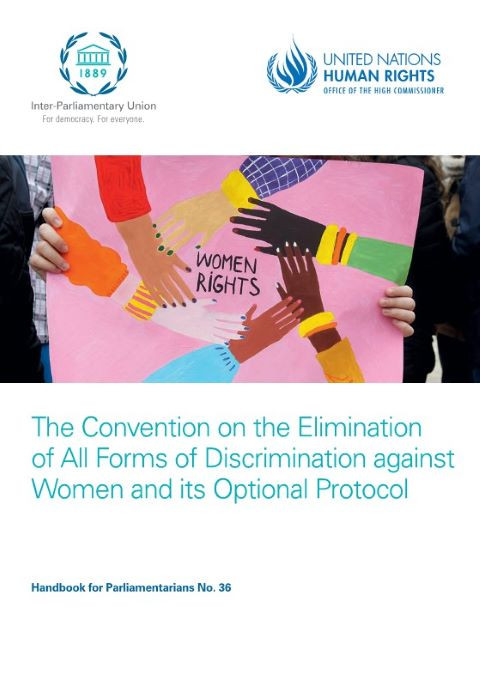 The Convention on the Elimination of All Forms of Discrimination against Women and its Optional Protocol: Handbook for Parliamentarians No. 36; Revised edition سنة النشر: 2023 المؤلف المؤسسي: Inter-Parliamentary Union (IPU) | UN. Office of the United Nations High Commissioner for Human Rights (UN. OHCHR) More than four decades after its adoption, the Convention on the Elimination of All Forms of Discrimination against Women remains an essential and ambitious guide for achieving gender equality across the board – from the family and the classroom to executive boards and political leadership roles. Despite considerable progress since the Convention came into force, no country can yet claim to have fully achieved gender equality. This revised edition of The Convention on the Elimination of All Forms of Discrimination against Women and its Optional Protocol: Handbook for Parliamentarians is a joint collaboration undertaken by the Inter-Parliamentary Union (IPU) and the Office of the United Nations High Commissioner for Human Rights (OHCHR). La Convention sur l’élimination de toutes les formes de discrimination à l’égard des femmes et son Protocole facultatif: Manuel à l'intention des parlementaires; édition révisée سنة النشر: 2023 المؤلف المؤسسي: Inter-Parliamentary Union (IPU) | UN. Office of the United Nations High Commissioner for Human Rights (UN. OHCHR) Plus de quarante ans après son adoption, la Convention sur l’élimination de toutes les formes de discrimination à l’égard des femmes reste un cadre essentiel et ambitieux de promotion de l’égalité des sexes dans tous les domaines – depuis le contexte familial et scolaire jusque dans les conseils d’administration et les sphères dirigeantes de la politique. Si des progrès considérables ont été accomplis depuis l’entrée en vigueur de la Convention, aucun pays ne peut encore prétendre avoir atteint une égalité pleine et entière entre les hommes et les femmes.Au cours des vingt dernières années, une relation très étroite s’est développée entre le Comité pour l’élimination de la discrimination à l’égard des femmes – organe conventionnel chargé de contrôler l’application de la Convention – et l’Union interparlementaire (UIP). Grâce à cette collaboration, des parlementaires du monde entier ont approfondi leur connaissance de la Convention et se sont, en nombre croissant, impliqués dans l’important exercice d’établissement du de rapports périodiques au Comité qui rend compte de la mise en œuvre de la Convention au niveau national. Nombre de parlementaires ont posé des questions au gouvernement, ont proposé ou modifié des lois, mené des opérations de sensibilisation dans leurs circonscriptions et se sont engagés auprès de l’Organisation des Nations Unies pour réduire l’écart entre les promesses de la Convention et la réalité qui est celle des femmes et des filles au quotidien. La Convención sobre la eliminación de todas las formas de discriminación contra la mujer y su Protocolo Facultativo: Manual para Parlamentarios nº 36; edición revisada سنة النشر: 2023 المؤلف المؤسسي: Inter-Parliamentary Union (IPU) | UN. Office of the United Nations High Commissioner for Human Rights (UN. OHCHR) Más de cuatro décadas después de su adopción, la Convención sobre la eliminación de todas las formas de discriminación contra la mujer continúa siendo una guía esencial y ambiciosa para lograr la igualdad de género de forma generalizada, desde la familia y las aulas hasta los consejos ejecutivos y los cargos de liderazgo político. Pese a los considerables avances que se han alcanzado desde la entrada en vigor de la Convención, ningún país puede reivindicar aún haber logrado plenamente la igualdad entre los géneros.Los progresos conseguidos en materia de derechos humanos de la mujer y de igualdad de género están en un grave riesgo de invertirse fruto de diversas crisis, que abarcan desde la pandemia de COVID-19 y la triple crisis planetaria relativa al cambio climático, la contaminación y la pérdida de biodiversidad, hasta los conflictos armados y el desplazamiento, y el alza del autoritarismo. La igualdad de género es un elemento fundamental del desarrollo sostenible y la paz. Las dificultades actuales no se pueden sortear si las mujeres —que constituyen la mitad de la población mundial— quedan excluidas de una participación y un liderazgo plenos y equitativos en los ámbitos económico, político y social. Por lo tanto, la Convención sigue actuando de pilar sólido para desarrollar un mundo más resiliente y sociedades más inclusivas.
 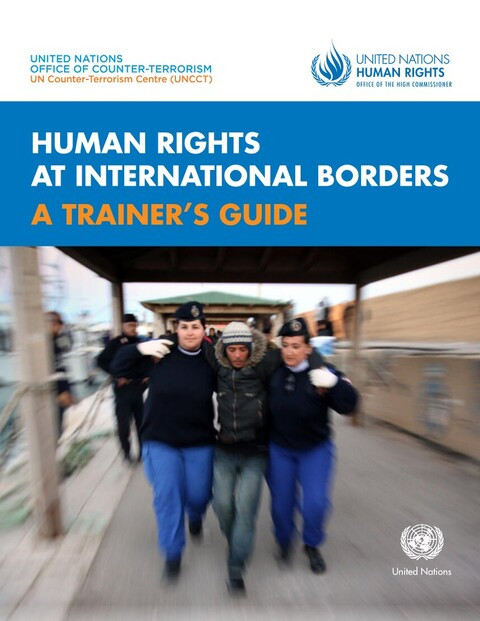 Human Rights at International Borders : A Trainer's Guide سنة النشر: 2021 المؤلف المؤسسي: UN. Office of Counter-Terrorism (UNOCT) | UN. Office of the United Nations High Commissioner for Human Rights (UN. OHCHR) | United Nations (UN) International borders can be dangerous places for migrants, particularly for migrants in vulnerable situations. This capacity-building tool seeks to support States and particularly border officials in adopting a human rights-based and gender-responsive approach to border governance. Accompanying presentation slides and course materials have been developed for use in training courses or as a general information resource on the subject.
 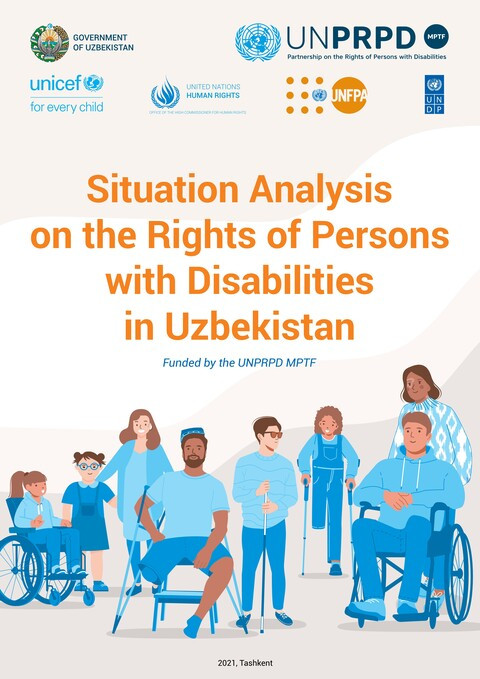 Situation Analysis on the Rights of Persons with Disabilities in Uzbekistan سنة النشر: 2021 المؤلف المؤسسي: UNICEF Uzbekistan | United Nations Population Fund (UNFPA) | United Nations Development Programme (UNDP) | UN. Office of the United Nations High Commissioner for Human Rights (UN. OHCHR) This study is based on the results of a situation analysis of children and adults with disabilities conducted in 2019. The ambition of this Situation Analysis is not merely to point at problems but to lay ground for solutions by identifying the opportunities and catalytic forces emerging today. The report looks at the necessary preconditions for realisation of human rights of persons with disabilities, particularly women, girls, and boys with disabilities, such as a robust equality and non-discrimination framework, availability of inclusive and accessible services in the community, disability inclusive financial and coordination mechanisms, transparent monitoring and accountability systems and meaningful participation of persons with disabilities. Анализ ситуации по обеспечению прав лиц с инвалидностью в Узбекистане سنة النشر: 2021 المؤلف المؤسسي: UNICEF Uzbekistan | United Nations Population Fund (UNFPA) | United Nations Development Programme (UNDP) | UN. Office of the United Nations High Commissioner for Human Rights (UN. OHCHR) Данное исследование основывается на результатах ситуационного анализа детей и взрослых с инвалидностью, проведенного в 2019 г. Цель данного анализа – не в том, чтобы указать на проблемы, а в том, чтобы заложить основу для их решения путем выявления возможностей и сил содействия, возникающих сегодня. В отчете рассматриваются необходимые предпосылки для реализации прав человека людей с инвалидностью, особенно женщин, девочек и мальчиков с инвалидностью, такие как надежная система обеспечения равенства и недискриминации, наличие инклюзивных и доступных услуг в сообществе, финансовые и координационные механизмы, учитывающие интересы людей с инвалидностью, прозрачные системы мониторинга и отчетности, а также значимое участие людей с инвалидностью.
  Regional Consultations of the National Human Rights Institutions of Central Asia: Conference Proceedings سنة النشر: 2016 المؤلف المؤسسي: UN. Office of the United Nations High Commissioner for Human Rights (UN. OHCHR) | United Nations Development Programme (UNDP) For the first time, the conference became a platform for consultations of national human rights institutions (NHRIs) of Central Asia to help strengthen partnerships and provide opportunities for mutual support and exchange of expertise. Special attention the role of NHRIs in their interaction with the government and other partners in the country, as well as the role of NHRIs in terms of achieving the Sustainable Development Goals (SDGs).