
الموارد
استكشف مجموعة واسعة من الموارد القيمة حول تعليم المواطنة العالمية لتعميق فهمك وتعزيز البحث والمناصرة والتعليم والتعلم.
تم العثور على 6 نتيجة
 Cultural Identity and Citizenship With the Challenges of Globalization (Journal of Humanities and Social Sciences; Vol.6, No.13) سنة النشر: 2022 المؤلف: Huda Alshamsi المؤلف المؤسسي: Arab Institute of Science and Research Publishing (AISRP) Citizenship is the emotional feeling that is based on three important pillars, including democracy in human rights, civil society, and the relationship between citizenship and identity, is manifested in the active role of individuals in social construction within human societies. Globalization affects citizenship when it exists among individuals and groups in society. Individual and social affiliations, characterized by anthropological features within social groups, can also impact citizenship. Thus, there may be a specific relationship between globalization and cultural, religious, or other identity patterns. Today, globalization threatens both identity and citizenship. As societies adapt to the global system through these global changes that force interaction with globalization, it becomes essential for communities to address this issue to preserve their identity and individual belonging, whether geographically or socially. This forms the basis for researching the dimensions related to citizenship, identity, globalization, and their interrelationships, which pose significant challenges for societies. تحديات العولمة في صياغة الهوية والمواطنة (مجلة العلوم الإنسانية والإجتماعية; Vol. 6, No. 13) سنة النشر: 2022 المؤلف: Huda Alshamsi المؤلف المؤسسي: Arab Institute of Science and Research Publishing (AISRP) إن المواطنة بوصفها ذلك الشعور الوجداني الذي يرتكز على ثلاثة ركائز مهمه منها الديمقراطية في حقوق الإنسان والمجتمع المدني وعلاقة المواطنة بالهوية تتمثل في دور الفرد في المشاركة الفاعلة في البناء الاجتماعي للمجتمعات الإنسانية ، تؤثر العولمة في المواطنة أن وجدت لدى أفراد المجتمع بوصفهم أفراد وجماعات أيضا يمكن أن تؤثر الانتماءات الفردية والاجتماعية من خلال مجموعة السمات الإنثروبولوجية التي تتسم بها الجماعات الاجتماعية داخل المجتمع على المواطنة، وبذلك يمكن أن تكون هنالك علاقة من نوع معين بين العولمة والهوية الثقافية أو الدينية أو غيرها من أنماط الهويات، وتهدد العولمة اليوم الهوية والمواطنة على حد سواء . وبما أن المجتمعات انتمت الى نظام العولمة وفق هذه التغيرات العالمية التي اجبرت المجتمعات الى التفاعل مع العولمة. لابد من المجتمعات ان تتدارك هذا الموضوع للمحافظة على هويتيها وانتماء الأفراد لها سواء كبعد جغرافي أو اجتماعي وهنا تتشكل مشكلة البحث في مناقشة الأـبعاد الخاصة بالمواطنة والهوية والعولمة والعلاقة بينها ويقف على أهم التحديات التي تواجهه المجتمعات.
 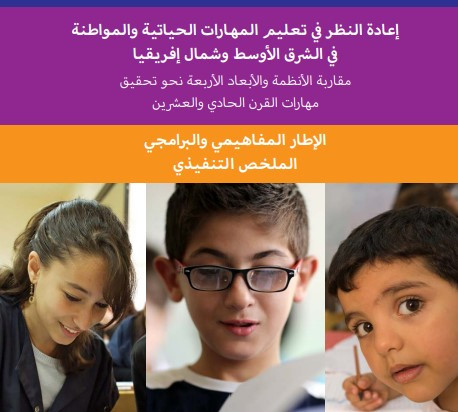 تعليم المهارات الحياتية والمواطنة في الشرق الأوسط وشمال أفريقيا سنة النشر: 2016 المؤلف المؤسسي: UNICEF Middle East and North Africa يستدعي وضع التعلم في منطقة الشرق الأوسط وشمال إفريقيا رؤية تعليم شاملة ومستمرة مدى الحياة وقائمة على الحقوق، ومن شأنها أن تزيد من قدرات جميع الأطفال والشباب في المنطقة. يهدف إطار العمل إلى تزويدهم بشكل أفضل لإنتاج معنى من المعرفة ولمواجهة التحولات من مرحلة الطفولة للبلوغ، ومن مرحلة التعليم للعمل، ومن التنمية غير المدروسة للمواطنة المسؤولة والفعالة.الأمر الذي يدفع مبادرة تعليم المهارات الحياتية والمواطنة (LSCE) في منطقة الشرق الأوسط وشمال إفريقيا ، التي انطلقت خلال عام 2015 بهدف دعم بلدان المنطقة - من الناحية المفاهيمية والبرنامجية والفنية - لتحسين التعلم واستثمار هذا التعلم بشكل أفضل في الفرد والمجتمع والتنمية الاقتصادية.وقد تم تحديد مجموعة تتكون من اثنتي عشر مهارة حياتية رئيسة - وهي الأكثر أهمية في السياق الإقليمي- باستخدام نموذج التعلم رباعي الأبعاد: “التعلم أن تعرف” (البعد المعرفي) و”التعلم أن تفعل” (البعد الأدواتي)، و”التعلم أن تكون” (البعد الفردي)و”التعلم من أجل العيش معًا” (بُعد التعلم الاجتماعي والمواطنة).تدوم المهارات الحياتية الاثني عشر الأساسية مدى الحياة وتعتمد على الأدلة التي تؤكد أهمية اكتساب المهارات في سن مبكرة. علاوة على ذلك، يتم اكتساب المهارات الحياتية الأساسية الاثني عشر واستدامتها من خلال جميع أشكال التعلم في النظم التي تعترف بمسارات متعددة للتعلم، رسمية وغير رسمية. Teaching Life Skills and Citizenship in the Middle East and North Africa سنة النشر: 2016 المؤلف المؤسسي: UNICEF Middle East and North Africa The situation of learning in MENA calls for a holistic, lifelong and rights-based vision of education that maximizes the potential of all children and youth in the region and better equips them to create meaning out of knowledge and to face the transitions from childhood to adulthood, from education to work, and from unreflective development to responsible and active citizenship. This is what drives the MENA Life Skills and Citizenship Education (LSCE) Initiative, kicked off in 2015 with the aim of supporting the countries of the region – conceptually, programmatically and technically – to improve learning and to better invest such learning in individual, social and economic development.A set of twelve core life skills for MENA has been identified using the four-dimensional learning model: ‘Learning to Know’ (Cognitive Dimension), ‘Learning to Do’ (Instrumental Dimension), ‘Learning to Be’ (Individual Dimension), and ‘Learning to Live Together’ (Social Dimension). The twelve core life skills are life-long and build on evidence that underlines the importance of skills acquisition from an early age. Furthermore, the twelve core life skills are acquired and sustained through all forms of learning in a systems approach that recognizes multiple pathways of learning, formal, non-formal and informal.
  استراتيجية لتعزيز التربية من أجل المواطنة في المدرسة الحديثة سنة النشر: 2015 المؤلف: Zayneb Algharibi المؤلف المؤسسي: Mohamed Lamin University تعد المواطنة أحد الج وانب المهمة في حياة أي مجتمع، فبدون مواطنين يدركون حقيقة دورهم في تنمية مجتمعهم لا يمكن لأي مجتمع أن ينمو و يتطور ويتقدم للأمام. ويعتبر التعليم أفضل الوسائل في تنمية الشعور بالمواطنة الصالحة، واطلق على عملية تنشئة الطلبة على المواطنة مصطلح "تربية المواطنة"، والتعليم من أجل المواطنة بدأ بتلمس طريقه في أنظمتنا التربوية الخليجية إيمانا بدور الأجيال المتعاقبة في ممارسة أد وار المواطنة الصحيحة وا لإيجابية والنشطة في المجتمع. تلقي هذه الورقة الضوء على استراتيجية تعزيز تربية المواطنة في المدرسة الحديثة، وبصفة عامة تسعى الورقة للإجابة عن الأسئلة التالية:- ما المفهوم الحديث للتربية من أجل المواطنة؟- ما مبررات الاهتمام بالتربية من أجل المواطنة في المدرسةالحديثة؟- ما خطوات تعزيز التربية من أجل المواطنة في المدرسة؟ A Strategy for Promoting Citizenship Education in the Modern School سنة النشر: 2015 المؤلف: Zayneb Algharibi المؤلف المؤسسي: Mohamed Lamin University Citizenship is regarded as an important aspect in the life of community. With the lack of citizens who do not realize their role in the development of their community, no society/ or community will be able to progress, grow, and develop. Since education is the best means to develop good citizenship, the process of bringing up students into citizenchip is called 'citizenship education', and because of its importance, education for citizenship has begun to be integrated within the educational systems of Gulf countries ; for the fact of the role of our successive generations in exercising the different roles of citizenship and positive activities in society.The present paper highlights the strategy to strengthen and promote citizenship education in the modern school; It seeks to answer the following questions:What the modern concept of education for citizenship?What is the justifications for giving much concern to education for citizenship in the modern school?What steps that should be used to strengthen education for citizenship at school?