
الموارد
استكشف مجموعة واسعة من الموارد القيمة حول تعليم المواطنة العالمية لتعميق فهمك وتعزيز البحث والمناصرة والتعليم والتعلم.
تم العثور على 23 نتيجة
 أبطال من أجل التغي سنة النشر: 2015 المؤلف: Josh Elder | Natabara Rollosson | Sean Southey | Grace Allison | Karl Kesel | Grace Allison المؤلف المؤسسي: Project Everyone | PCI Media Impact and Reading With Pictures Heroes for Change has been created for the World's Largest Lesson Initiative to share information on the global goals.
  التربية من أجل التنمية المستدامة التجربة التونسية أنموذجا سنة النشر: 2006 المؤلف: Fatima Al-Tarhouni المؤلف المؤسسي: Federation of the Universities of the Islamic World يقدم المؤلف في هذه المقالة وصفا تحليليا للتعليم من أجل التنمية المستدامة. تستخدم التجربة التونسية كمثال على تطبيق التعليم من أجل التنمية المستدامة.
 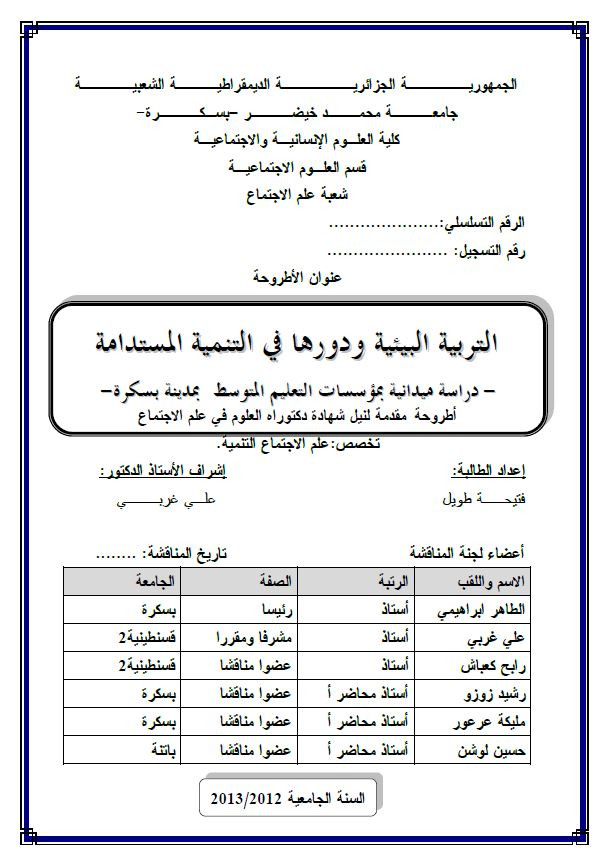 التربية البيئية ودورها في التنمية المستدامة- دراسة ميدانية بمؤسسات التعليم المتوسط بمدينة بسكرة- سنة النشر: 2013 المؤلف المؤسسي: University Mohamed Khider Biskra الملف عبارة عن أطروحة دكتوراه بأحد الجامعات الجزائرية. تناقش الاطروحة دور التربية البيئية في تحقيق التنمية المستدامة. استخدمت الدراسة المنهج الوصفي وركزت على مدينة بسكرة.
  التعليم من أجل التنمية المستدامة سنة النشر: 2016 المؤلف: Altayeb Ahmed المؤلف المؤسسي: National Center for Curriculum and Educational Research تتناول الورقة التعليم من أجل التنمية المستدامة. يفتح من خلال مناقشة مفهوم التعليم من أجل التنمية المستدامة. يربط المؤلف بوضوح كيف ينظر التعليم إلى البيئة وكيف يجب أن نحافظ عليه.
 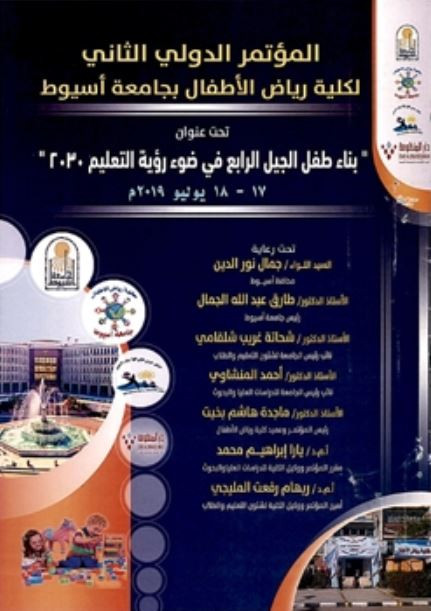 تربية الطفل من أجل التنمية المستدامة: المشكلات والحل سنة النشر: 2019 المؤلف: Fathy Mohamed المؤلف المؤسسي: Assiut University تهدف هذه الورقة لدراسة المشكلات التي تعوق تربية الطفل من أجل التنمية المستدامة. بعد مناقشة المشكلات تنتهي الورقة بوضع رؤية لتفعيل التربية من أجل التنمية المستدامة في مؤسسات رياض الأطفال.
 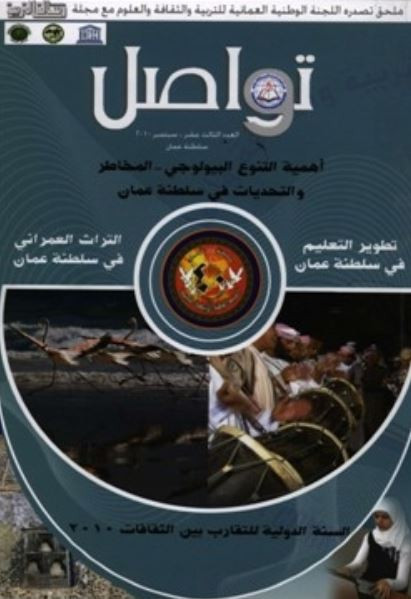 مؤتمر التربية من أجل التنمية المستدامة لدعم التنوع الثقافي والبيولوجي 24 - 26 يناير 2011م سنة النشر: 2011 المؤلف: Salem bin Hilal Al-Habsi | Mahmoud bin Abdullah Al-Abri المؤلف المؤسسي: Oman National Commission for Education, Culture and Science يتحدث النص عن مؤتمر تم إقامته في العاصمة العمانية مسقط، ويركز المؤتمر على التنمية المستدامة لدعم التنوع الثقافي والبيولوجي. ويأتي هذا المؤتمر لدعم الجهود الدولية ومساعدة الانظمة التعليمية في فهم التنوع وأهميته في نهضة الشعوب.
  المجموعة الثانية من الممارسات الجيدة في مجال التعليم من أجل التنمية المستدامة سنة النشر: 2009 المؤلف المؤسسي: UNESCO Associated Schools Project Network (ASPnet) This second collection of ASPnet good practices for quality education takes stock of some of the contributions being made by UNESCO Associated Schools in support of the United Nations Decade of Education for Sustainable Development (DESD). مؤتمر اليونسكو العالمي للتعليم من أجل التنمية المستدامة: ٣١ آذار/مارس - ٢ نيسان/أبريل ٢٠٠٩ سنة النشر: 2009 المؤلف المؤسسي: German Federal Ministry of Education and Research (BMBF) | German Commission for UNESCO As the United Nations Decade of Education for Sustainable Development (DESD) approached its midpoint, the “UNESCO World Conference on Education for Sustainable Development – Moving into the Second Half of the UN Decade” was held from 31 March to 2 April 2009 in Bonn, Germany. It brought together 900 participants from 147 countries, among them 49 Ministers and Deputy-Ministers. Participants included representatives of UNESCO Member States, UN agencies, civil society organizations, education institutions, youth, and the private sector, as well as individual experts. The Conference was organized by UNESCO and the German Federal Ministry of Education and Research, in cooperation with the German Commission for UNESCO. The programme was developed in consultation with an international advisory group.
 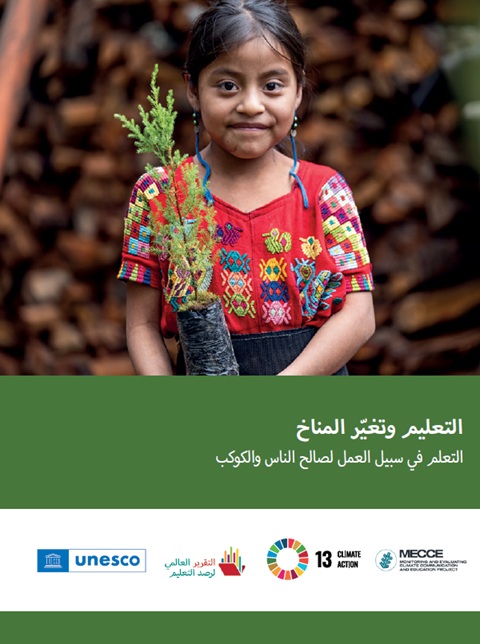 التعلّم من أجل العمل لصالح الناس والكوكب: التعليم وتغيّر المناخ سنة النشر: 2024 المؤلف المؤسسي: Global Education Monitoring Report Team | Monitoring and Evaluating Climate Communication and Education Project (MECCE) | University of Sakatchewan ملخص مختصركيف يفضي التعليم إلى اتخاذ إجراءات بشأن تغيّر المناخ؟مع أن هنالك بيّنات دامغة على تأثير التعليم في سائر النتائج في مجال التنمية، وعلى الدور الذي يؤديه التعليم في تنمية القدرات المهنية اللازمة لعمليات الانتقال إلى التنمية المستدامة، فإن التعليم عادةً ما يكون غائباً عن اعتبارات سائر القطاعات عند اضطلاعها بوضع الاستراتيجيات والسياسات والتخطيط والتمويل. ولذا، استحدث التقرير العالمي لرصد التعليم سلسلة جديدة من المنشورات سعياً إلى تعزيز الحوار بشأن العلاقة المتبادلة بين التعليم وسائر أهداف التنمية المستدامة.وتتمحور الوثيقة الأولى في هذه السلسلة حول تغيّر المناخ. وتستعرض في مستهلها تنامي عواقب تغيّر المناخ على التعليم، ثم تتناول دور التعليم في العمل المناخي. وتبيّن الوثيقة أن مساهمة التعليم في تنمية القدرات المهنية اللازمة للانتقال إلى الاقتصاد المراعي للبيئة (الأخضر) لا تنال حقّ قدرها من التقدير. وهنالك قناعة شائعة أيضاً بأن التعليم، سواء النظامي أو غير النظامي أو غير الرسمي، يؤدي دوراً حاسماً في الحفز على اتخاذ الإجراءات الرامية إلى الحد من وطأة عواقب تغيّر المناخ والتكيف معها.بيد أن العلاقة الطردية بين التحصيل العلمي ومستويات الاستهلاك غير المستدام، فضلاً عن عدم توصل البحوث بشأن التأثير المباشر للتعليم في إجراءات التكيف مع عواقب تغيّر المناخ والحد من وطأتها إلى نتائج قاطعة، ساهما مساهمة جزئية في وضع مجال التعليم في أسفل سلم أولويات الخطط العالمية والوطنية المتعلقة بتغيّر المناخ.وتدّعي هذه الوثيقة ضرورة تكييف التعليم بشأن تغيّر المناخ لكي يتسنى تحقيق الإمكانيات الكامنة فيه. فلا يمكن أن يقتصر النموذج التربوي على نقل المعارف، بل لا بد له من التركيز أيضاً على التعلم الاجتماعي والعاطفي والعمل المنحى.وقد تمحور العديد من البحوث حول تأثير التحصيل العلمي والتعلم المعرفي. ولذا من الضروري إجراء المزيد من البحوث لتقييم سائر العوامل الحفازة التي يمكن للتعليم التأثير من خلالها في أنماط السلوك والحفز على اتخاذ إجراءات بشأن تغيّر المناخ. وتعدّ هذه البحوث ضرورية أيضاً من أجل إعداد برامج إصلاح قابلة للتطبيق في مجال التعليم تفضي إلى تحسين المناهج الدراسية، وتعزيز تأهب المدارس ونظم التعليم للتصدي لعواقب تغيّر المناخ، وإشراك المتعلمين، وإعداد المعلمين بما يتلاءم مع ذلك. من أجل التنمية المستدامة الأمم المتحدة للتعليم للنصف الثاني من العقد استراتيجية اليونسكو سنة النشر: 2010 المؤلف المؤسسي: UNESCO The UNESCO Strategy for the Second Half of the United Nations (UN) Decade of Education for Sustainable Development (DESD) draws on the findings and lessons learnt from the first phase of the DESD monitoring and evaluation (M&E) process (as reflected in the 2009 DESD M&E report Learning for a Sustainable World: Review of Contexts and Structures for Education for Sustainable Development. It also builds on the UNESCO World Conference on ESD and the Bonn Declaration as well as on the outcomes of other key international ESD meetings. The Bonn Declaration gives particular emphasis to the importance of education for the global development agenda and underlines the essential contribution of ESD to shaping the purpose, content and quality of all education. The UNESCO strategy will be implemented in line with the International Implementation Scheme (IIS), which, along with the Bonn Declaration, will provide the global strategic framework for UNESCO and its DESD partners during the second half of the Decade. The Strategy takes into account key DESD regional challenges and opportunities. It is also shaped by the shared vision of education emerging from the four 2008-2009 UNESCO international education conferences: one of education systems that encourage equity and inclusion, quality learning, flexibility and innovation. While UNESCO puts highest emphasis on achieving Education for All (EFA), the Organization’s actions in education extend beyond this, to pay explicit attention to inclusion, social cohesion and social justice, to lifelong learning and to the crucial role of higher education and research. The overall goal of the UNESCO Strategy for the Second Half of the DESD is to support Member States and other stakeholders in addressing global sustainable development challenges at regional, national and global level through ESD, thus addressing the challenges of learning for bringing about a more sustainable world.