
الموارد
استكشف مجموعة واسعة من الموارد القيمة حول تعليم المواطنة العالمية لتعميق فهمك وتعزيز البحث والمناصرة والتعليم والتعلم.
تم العثور على 39 نتيجة
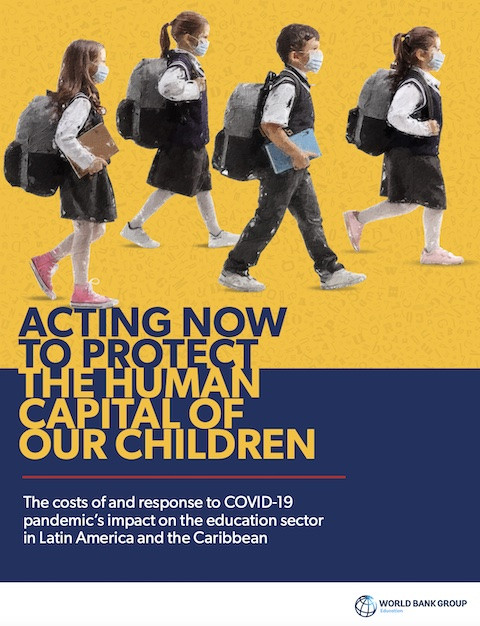 Acting Now to Protect the Human Capital of Our Children: The Costs of and Response to COVID-19 Pandemic’s Impact on the Education Sector in Latin America and the Caribbean سنة النشر: 2021 المؤلف المؤسسي: World Bank The sanitary and economic shocks caused by the COVID-19 pandemic brought about the most significant disruption in the history of the education sector in Latin America and the Caribbean region, leading to school closures at all levels and affecting over 170 million students throughout the region. Despite the tremendous efforts made by countries to mitigate the lack of in-person education through remote learning, education is taking a serious hit and outcomes are plummeting in the region. Learning poverty by the end of primary education could increase by more than 20 percent. Over 2 in 3 lower secondary education students could fall below minimum proficiency levels, and learning losses will be substantially larger for the most disadvantaged students. There is no time to lose. All countries must act now to make sure schools are ready to reopen safely and effectively country-wide so as to speed up the recovery process from the dramatic effects of the pandemic. They can leverage many emerging lessons and evidence, and must protect public funding for education, to enable this reopening process. While education systems face a challenge like no other, this exceptionally difficult situation also opens a window of opportunity to build back better their education systems to become more effective, equitable and resilient. Actuemos ya para proteger el capital human de nuestros ninos: Los costos y la respuesta ante el impacto de la pandemia de COVID-19 en el sector educativo de América Latina y el Caribe سنة النشر: 2021 المؤلف المؤسسي: World Bank El doble shock, sanitario y económico, generado por la pandemia COVID-19 provocó, sin duda alguna, la mayor disrupción en la historia del sector educativo en la región de América Latina y el Caribe, llevando al cierre masivo de escuelas en todos los niveles educativos y afectando a más de 170 millones de estudiantes en toda la región. A pesar de los enormes esfuerzos realizados por los países para tratar de mitigar la falta de educación presencial a través de sistemas de educación a distancia, el impacto sobre la educación está siendo demasiado alto y los aprendizajes se están desplomando en la región. La “pobreza de aprendizaje” al final de la educación primaria podría aumentar en más del 20 por ciento. Más de 2 de cada 3 estudiantes de educación secundaria podrían caer por debajo de los niveles mínimos de rendimiento esperados, y las pérdidas de aprendizaje serán sustancialmente mayores para los estudiantes más desfavorecidos. Realmente no hay tiempo que perder. Todos los países deberían actuar ya mismo para asegurarse que las escuelas estén listas para reabrir de manera segura y eficaz en todo el país a fin de acelerar el proceso de recuperación de los dramáticos efectos de la pandemia. Hay muchas lecciones y evidencias de experiencias positivas que van emergiendo y que pueden ser aprovechadas por los países, los cuales también deben asegurarse de proteger el financiamiento público de la educación, para facilitar este proceso de reapertura. Aun cuando los sistemas educativos de toda la región enfrentan un desafío jamás experimentado, esta situación excepcionalmente difícil también abre una ventana de oportunidad para poder ayudar a reconstruir los sistemas educativos para lograr que sean más efectivos, más equitativos y más resilientes.
  Catch-up Programmes: 10 Principles for Helping Learners Catch Up and Return to Learning سنة النشر: 2021 المؤلف: Kayla Boisvert المؤلف المؤسسي: Accelerated Education Working Group (AEWG) Due to the COVID-19 pandemic, in which approximately 1.5 billion children and youth (nearly 85% of the world’s learners) were affected by school closures,1 the AEWG anticipates that catch-up programmes will be deployed extensively to meet the needs of learners who missed out on several months to approximately one year of education due to the disruption. Therefore, building on the AEWG’s programme definitions and our expertise in AE and other non-formal or alternative education options that accelerate the acquisition of knowledge and skills, the AEWG developed this set of principles and action points for catch-up programmes.
 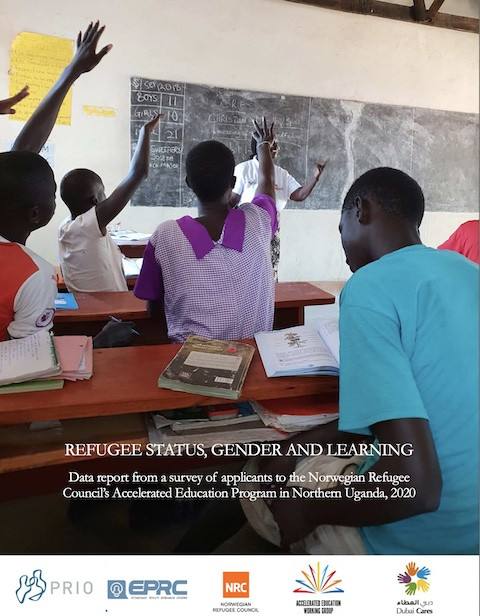 Refugee Status, Gender and Learning: Data Report From a Survey of Applicants to the Norwegian Refugee Council’s Accelerated Education Program in Northern Uganda, 2020 سنة النشر: 2020 المؤلف: Kendra Dupuy | Martin Flatø | Haakon Gjerløw | Andreas Kotsadam | Mette Løvgren | Francis Mwesigye | Siri Aas Rustad | Gudrun Østby المؤلف المؤسسي: Economic Policy Research Center (EPRC) | Peace Research Institute Oslo (PRIO) This data report provides details from a survey of applicants to the Norwegian Refugee Council’s Accelerated Education Program in Northern Uganda, 2020. The surveys covered a range of topics, such as demographic and socioeconomic background, school attendance, academic skills, social control, feelings and perceptions on various topics, and future aspirations.
 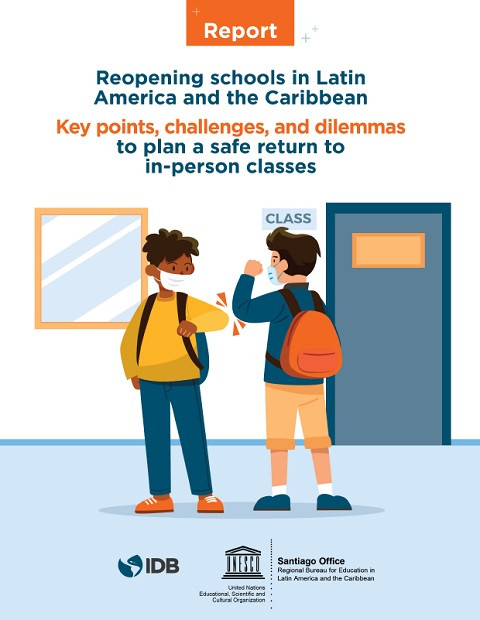 Reopening Schools in Latin America and the Caribbean: Keys, Challenges, and Dilemmas to Plan for a Safe Return to in-Person Classes سنة النشر: 2021 المؤلف: Alejandro Vera | Martín Scasso | Alejandro Morduchowicz | Cecilia Berlanga Alessio Robles المؤلف المؤسسي: UNESCO Santiago | Inter-American Development Bank The suspension of in-person classes as a consequence of the COVID-19 pandemic profoundly affected the education systems in Latin America and the Caribbean (LAC) and compromised the achievements reached around the goals established in the SDG4-Education 2030 Agenda. The most vulnerable people have been the most affected by this situation, which widened the preexisting gaps. The countries of the region have carried out great efforts to guarantee the continuity of learning. However, these have been limited by the challenges that this unprecedented crisis brought, aggravated by unequal conditions in access to infrastructure and other resources that affect broad sectors of the population.This report analyzes the possibilities, restrictions and needs that the countries of the region will face during the process of returning to in-person classes, considering five dimensions: (i) safe schools (school infrastructure, access to water and sanitation); (ii) human resources (principals and teachers); (iii) access to ITC and connectivity; (iv) education financing and (v) information and planning. Reabrir las escuelas en América Latina y el Caribe: Claves, desafíos y dilemas para planificar el retorono seguro a las clases presenciales; Reporte سنة النشر: 2021 المؤلف: Alejandro Vera | Martín Scasso | Alejandro Morduchowicz | Cecilia Berlanga Alessio Robles المؤلف المؤسسي: Organización de las Naciones Unidas para la Educación, la Ciencia y la Cultura (UNESCO) La suspensión de clases presenciales como consecuencia de la pandemia de COVID-19 afectó profundamente los sistemas educativos de América Latina y el Caribe, y puso en riesgo los avances alcanzados en torno al cumplimiento de las metas establecidas en la Agenda ODS 4-Educación 2030. Las poblaciones más vulnerables se han visto más afectadas por esta situación, lo cual acrecentó las brechas preexistentes. Los países de la región llevaron a cabo enormes esfuerzos para garantizar la continuidad de los aprendizajes. Sin embargo, se ven limitados por los desafíos que presenta este contexto inédito de crisis y agravados por las desiguales condiciones de acceso a infraestructura y otros recursos que afectan a vastos sectores de la población.El reporte analiza las posibilidades, restricciones y necesidades que enfrentarán los países de la región durante el proceso del regreso a las clases presenciales, considerando cinco dimensiones: (i) escuelas seguras (infraestructura escolar, acceso al agua y saneamiento); (ii) recursos humanos (directores y docentes); (iii) acceso a TIC y conectividad, (iv) financiamiento de la educación y (v) información y planificación.
 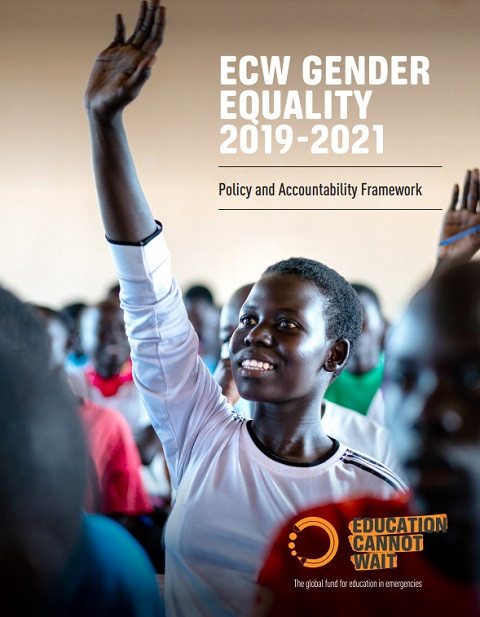 ECW Gender Equality 2019-2021: Policy and Accountability Framework سنة النشر: 2020 المؤلف المؤسسي: Education Cannot Wait (ECW) This report presents Education Cannot Wait (ECW)'s gender equality policy, which leverages action and contributes toward coordinated strategies going beyond parity in enrollment. ECW's gender equality policy aims to provide girls and boys with equal access to education during crises, create spaces that allow learning to happen safely and without fear and ensure educational systems empower girls and boys. The Gender and Policy Accountability framework lays out the organizational strategies, explains the implementation process and outlines the compliance regulations that ECW implements to ensure girls and boys in emergencies and protracted crises have access to equitable and inclusive education. Égalité des genres dans le cadre des activités d’ECW 2019-2021: Politique et cadre de responsabilité سنة النشر: 2020 المؤلف المؤسسي: Education Cannot Wait (ECW) Éducation sans délai s’est engagé à soutenir la prestation de services d’éducation inclusive et de qualité auprès de 9 millions d’enfants et de jeunes parmi les plus touchés par une situation d’urgence ou de crise prolongée d’ici à 2021. La Politique ECW pour l’égalité des genres vise à détailler, en s’appuyant sur les normes internationales, les aspirations du fonds en matière d’égalité des genres et d’autonomisation des femmes et des filles. Igualdad de género en el marco de las actividades para 2019-2021 de ECW : Política y marco de rendición de cuentas سنة النشر: 2020 المؤلف المؤسسي: Education Cannot Wait (ECW) ECW se ha comprometido a respaldar la provisión de educación inclusiva y de calidad a 9 millones de niñas, niños y jóvenes afectados por emergencias y crisis prolongadas no más tarde de 2021. La finalidad de la Política de Igualdad de Género de ECW, que se apoya en normas y estándares internacionales2 , consiste en estructurar la visión del Fondo para promover la igualdad de género y el empoderamiento de las mujeres y las niñas.