
الموارد
استكشف مجموعة واسعة من الموارد القيمة حول تعليم المواطنة العالمية لتعميق فهمك وتعزيز البحث والمناصرة والتعليم والتعلم.
تم العثور على 43 نتيجة
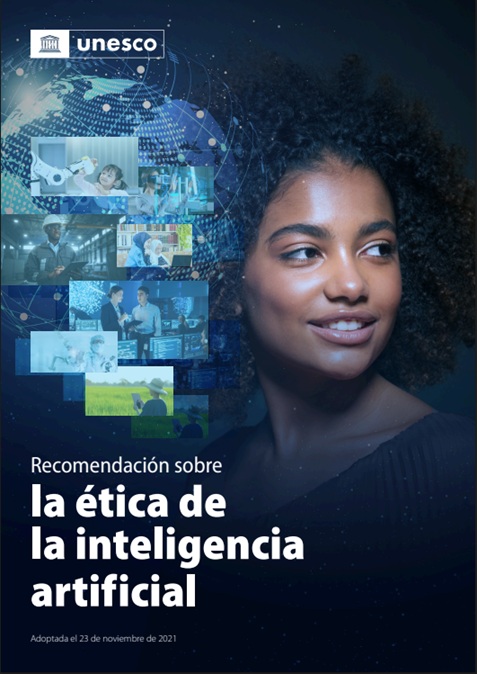 Recomendación sobre la ética de la inteligencia artificial سنة النشر: 2022 المؤلف المؤسسي: UNESCO La presente Recomendación trata de las cuestiones éticas relacionadas con el ámbito de la inteligencia artificial en la medida en que competen al mandato de la UNESCO. Aborda la ética de la IA como una reflexión normativa sistemática, basada en un marco integral, global, multicultural y evolutivo de valores, principios y acciones interdependientes, que puede guiar a las sociedades a la hora de afrontar de manera responsable los efectos conocidos y desconocidos de las tecnologías de la IA en los seres humanos, las sociedades y el medio ambiente y los ecosistemas, y les ofrece una base para aceptar o rechazar las tecnologías de la IA. Considera la ética como una base dinámica para la evaluación y la orientación normativas de las tecnologías de la IA, tomando como referencia la dignidad humana, el bienestar y la prevención de daños y apoyándose en la ética de la ciencia y la tecnología.
 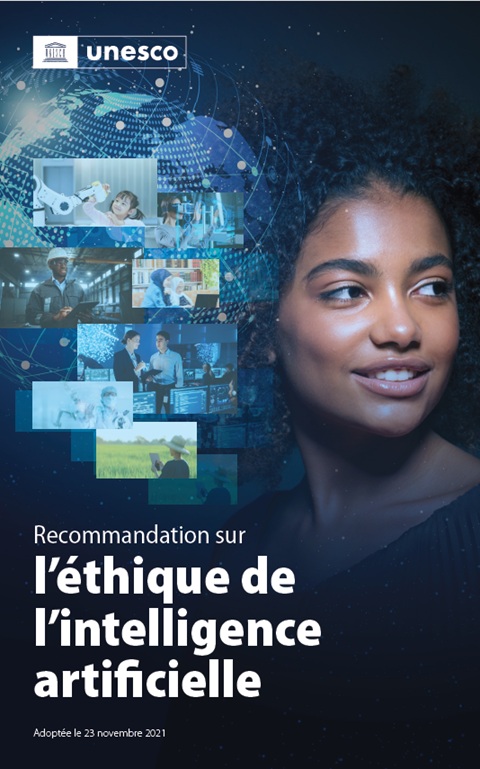 Recommandation sur l’éthique de l’intelligence artificielle سنة النشر: 2022 المؤلف المؤسسي: UNESCO La présente Recommandation traite des questions éthiques soulevées dans le domaine de l’intelligence artificielle, dans la mesure où celles-ci relèvent du mandat de l’UNESCO. Elle aborde l’éthique de l’IA en tant que réflexion normative systématique, basée sur un cadre global, détaillé, multiculturel et évolutif de valeurs, de principes et d’actions interdépendants de nature à orienter les sociétés pour qu’elles apportent des réponses responsables aux conséquences connues et inconnues des impacts des technologies de l’IA sur les êtres humains, les sociétés, l’environnement et les écosystèmes, et leur offre une base pour accepter ou rejeter les technologies de l’IA. Elle considère l’éthique comme une base dynamique pour l’évaluation et l’orientation normatives des technologies de l’IA, en faisant de la dignité humaine, du bien-être et de la prévention des dommages des repères et en s’appuyant sur l’éthique des sciences et des technologies.
 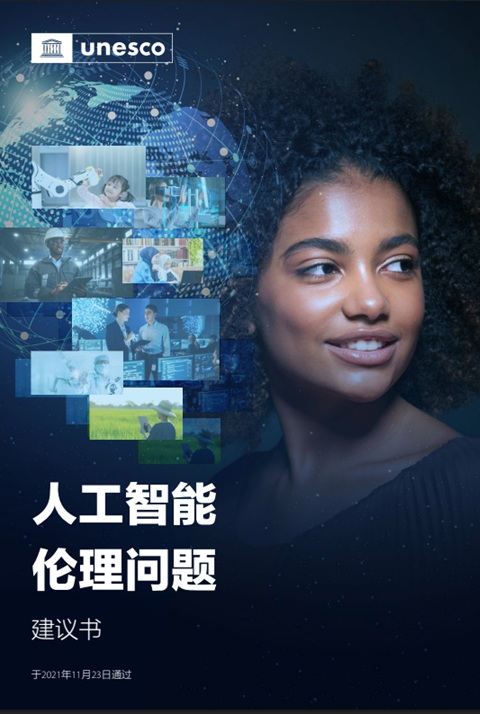 人工智能伦理问题建议书 سنة النشر: 2022 المؤلف المؤسسي: UNESCO 本建议书述及与人工智能领域有关且属于教科文组织职责范围之内的伦理问题。建议书以能指导社会负责任地应对人工智能技术对人类、社会、环境和生态系统产生的已知和未知影响并相互依存的价值观、原则和行动构成的不断发展的整体、全面和多元文化框架为基础,将人工智能伦理作为一种系统性规范考量,并为社会接受或拒绝人工智能技术提供依据。建议书将伦理视为对人工智能技术进行规范性评估和指导的动态基础,以人的尊严、福祉和防止损害为导向,并立足于科技伦理。
 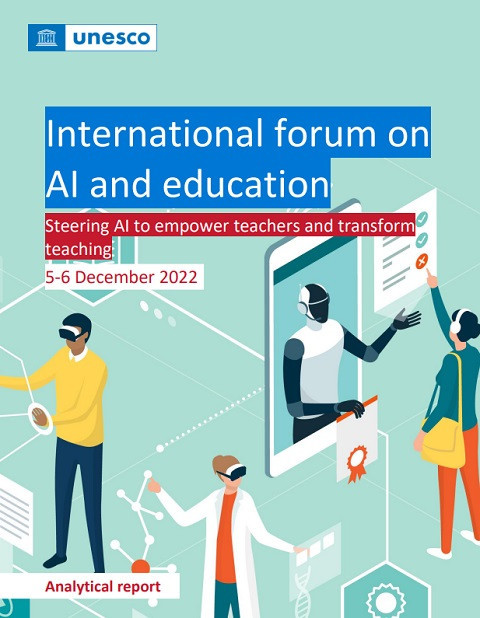 International Forum on AI and Education: Steering AI To Empower Teachers and Transform Teaching, 5–6 December 2022; Analytical Report سنة النشر: 2023 المؤلف: Fengchun Miao | Kelly Shiohira | Zaahedah Vally | Wayne Holmes المؤلف المؤسسي: UNESCO | JET Education Services The International Forum on AI and Education has contributed ‘to peace and security by promoting collaboration among the nations through education, science and culture’ (UNESCO, 1945). The Forum has now become the world’s leading event promoting knowledge-sharing, the understanding of peoples, and the achievement of international agreements, in the fast-developing and increasingly impactful field of AI and education. The fourth edition of the International Forum on Artificial Intelligence and Education aimed to foster knowledge sharing specifically on how to steer the design and use of AI to empower teachers and to transform teaching methodologies within the broad framework of digital transformation of education. The Forum sought to bring together a range of expertise and experiences across the globe, and, in keeping with UNESCO priorities, a special focus was placed on Africa. A total of 16 national strategies were presented at the Forum by the various national ministers and representatives invited to attend. The national strategies shared during the Forum also unveiled the varying levels of preparedness and policy responses toward AI across different regions, a reminder that the pre-existing digital divide still underpins the system-wide uptake and integration of AI in education. Therefore, not all of the strategies were directly related to or containing AI because some areas that were represented at the conference are still at the nascent stages of AI Strategy development. The presentations of national initiatives and strategies related to AI from these countries shed light on the general awareness of policy-makers on the impact of AI in education and the commitment of national governments to fostering AI competencies among students and teachers. This report focus on the following key themes: national strategies on AI and education; critical reviews of roles of AI in the digital transformation of education; ethical principles and their implementation with a specific focus on gender equality; AI competencies for teachers, and notable algorithms or AI platforms and AI-informed pedagogies. The report concludes with considerations for the future based on the authors’ own analysis of the key role of human teachers, steering the human-centered approach, mainstreaming gender equity, designing education-specific AI models and innovative pedagogy, and ensuring human agency in defining problems and designing solutions.a
  International Forum on AI and Education: Ensuring AI as a Common Good To Transform Education, 7–8 December 2021; Synthesis Report سنة النشر: 2022 المؤلف المؤسسي: UNESCO The ‘International Forum on AI and the Futures of Education: Ensuring AI as a Common Good to Transform Education’ was co-organized by UNESCO, the Ministry of Education of the People’s Republic of China, and the National Commission of the People’s Republic of China for UNESCO. Building on the previous ‘AI and the Futures of Education’ forums, held in 2019 and 2020, this 2021 forum set out to explore the importance and role of digital humanism in AI and education. With people and governments worldwide becoming increasingly aware of both the potential and the challenges of AI and education, the forum engaged participants in dialogue about how AI governance and innovation can be enhanced for the common good. Forum participants included government ministers and other high-level ministry officials from Member States, together with representatives of international organizations, NGOs and academic institutions.This synthesis report has been developed by drawing from the International Forum on AI and the Futures of Education held in Beijing and simultaneously online from 7 to 8 December 2021.
  Technology-facilitated gender-based violence in an era of generative AI سنة النشر: 2023 المؤلف المؤسسي: UNESCO <Short summary>Experiments reveal how generative AI facilitates gender-based violence Generative Artificial Intelligence (AI) — deep-learning models that create voice, text, and image — are revolutionizing the way people access information and produce, receive and interact with content. While technological innovations like ChatGPT, DALL-E and Bard offer previously unimaginable gains in productivity, they also present concerns for the overall protection and promotion of human rights and for the safety of women and girls.The arrival of generative AI introduces new, unexplored questions: what are the companies’ policies and normative cultures that perpetuate technology-facilitated gender-based violence and harms? How do AI-based technologies facilitate gender-specific harassment and hate speech? What “prompt hacks” can lead to gendered disinformation, hate speech, harassment, and attacks? What measures can companies, governments, civil society organisations and independent researchers take to anticipate and mitigate these risks?A combination of measures are proposed to be put in place by generative AI companies and the technology companies that platform them, regulators and policy makers, by civil society organisations and independent researchers, as well as users.
  التعليم في عصر الذكاء الاصطناعي (رسالة اليونسكو، العدد 4، أكتوبر إلى ديسمبر 2023) سنة النشر: 2023 المؤلف المؤسسي: UNESCO في وقت يشهد فيه مجال التعليم حالة من الاضطراب على مستوى العالم، استحوذت ظاهرة تعليمية واحدة على اهتمام ليس فقط المهنيين بل والعلمانيين أيضًا. هل يشير الابتكار المعني إلى الذكاء الاصطناعي، أم إلى استخدام الواقع المعزز في الفصول الدراسية؟ لا يشير أي منهما إلى أي منهما. هذا الاقتباس من مقال في The اليونسكو كوريير حول "آلات التدريس"، وهي مجموعة من البرامج التي تم تطويرها في الولايات المتحدة لتوجيه الطلاب في تعلمهم. يعود تاريخها إلى ... مارس 1965. وهو ما يوضح أن التفكير في دور أجهزة الكمبيوتر في التعلم ليس بالأمر الجديد. سواء تم الإشادة بها أو الاستهجان بها، أصبحت التكنولوجيا جزءًا متزايدًا من المشهد المدرسي، على الأقل في البلدان الصناعية. أصبحت ألعاب التعلم الرقمية أو البرامج التعليمية عبر الإنترنت أو الدورات التدريبية المفتوحة الضخمة عبر الإنترنت (MOOCs) حقيقة واقعة لعدد متزايد من التلاميذ والطلاب. لقد أدى جائحة كوفيد-19 إلى تسريع الظاهرة، مما أدى إلى ظهور شركات متخصصة في الخدمات التعليمية الرقمية، بما في ذلك في أفريقيا، أو ما يسمى بـ "التكنولوجيا التعليمية". ومع ذلك، وبغض النظر عن مدى تطور هذه التقنيات، فإنها لم تتحد المبدأ الأساسي للمعلم الذي يعطي درسًا في وقت واحد لمجموعة من الطلاب. يمكن أن يكون الذكاء الاصطناعي بمثابة تغيير لقواعد اللعبة. هل يعني وصول أدوات توليد المحتوى مثل ChatGPT والبرامج التعليمية الذكية أن الثورة التي غالبًا ما يتم الإعلان عنها قد بدأت؟ على أي حال، فإن استخدام الذكاء الاصطناعي التوليدي في التعلم يفرض تحديات غير مسبوقة على أنظمة التعليم. وكما يسلط تقرير اليونسكو العالمي لرصد التعليم لعام 2023 الضوء على أن هذه الأدوات الجديدة يمكن أن تثبت قيمتها في تقديم الدعم الشخصي للطلاب، وخاصة ذوي الإعاقة أو الذين يعيشون في مناطق نائية. لكنها تثير أيضًا تساؤلات حول الفجوة الرقمية وسرية البيانات وهيمنة الشركات العالمية الكبرى في هذا القطاع. وفي الوقت الحالي، هناك نقص في الضمانات. لذلك من الضروري اعتماد لوائح لضمان بقاء استخدام الذكاء الاصطناعي في التعليم متمركزًا حول الإنسان، لصالح الطلاب. ودعمًا لهذا، نشرت اليونسكو في سبتمبر/أيلول 2023 أول إرشادات على الإطلاق بشأن الذكاء الاصطناعي التوليدي في التعليم والبحث، والمصممة لمعالجة الاضطرابات الناجمة عن هذه التقنيات. وهي تكمل الأدوات الأخرى التي أنتجتها المنظمة، بما في ذلك التوصية بشأن أخلاقيات الذكاء الاصطناعي والإرشادات لصناع السياسات بشأن الذكاء الاصطناعي والتعليم، وكلاهما نُشر في عام 2021. Eduaction in the Age of Articial Intelligence (The UNESCO Courier no. 4, October-December 2023) سنة النشر: 2023 المؤلف المؤسسي: UNESCO At a time when the field of education is in worldwide ferment, a single instructional phenomenon has captured the attention not only of professionals but of laymen.” Does the innovation in question refer to artificial intelligence (AI), or to the use of augmented reality in the classroom? Neither one. This quote is from an article in The UNESCO Courier about “teaching machines”, a set of programmes developed in the USA to guide students in their learning. It dates back to… March 1965. Which just goes to show that pondering the role of computers in learning is nothing new. Whether lauded or decried, technologies are increasingly part of the school landscape, at least in industrialized countries. Digital learning games, online tutorials or massive open online courses (MOOCs) have become a reality for a growing number of pupils and students. The COVID-19 pandemic has only accelerated the phenomenon, spurring the rise, including in Africa, of companies specializing in digital educational services, the so-called “edtechs”. Yet no matter how sophisticated these technologies may be, they have not challenged the founding principle of a teacher giving a class simultaneously to a group of students. Artificial intelligence could be a game-changer. Does the arrival of content-generating tools like ChatGPT and intelligent tutorials mean the oft-heralded revolution has started? In any case, the use of generative AI in learning presents unprecedented challenges to education systems. As UNESCO’s Global Education Monitoring Report 2023 highlights, these new tools can prove invaluable in providing personalized support for students, particularly those with disabilities or living in remote areas. But they also raise questions about the digital divide, data confidentiality and the preponderance of major global corporations in this sector. And for the moment, safeguards are lacking. It is therefore urgent that regulations be adopted to ensure the use of AI in education remains human-centred, in the best interests of students. To support this, UNESCO published in September 2023 the first-ever Guidance for generative AI in education and research, designed to address the disruptions caused by these technologies. It complements other tools produced by the Organization, including the Recommendation on the ethics of artificial intelligence and a guidance for policy-makers on AI and education, both published in 2021. La escuela en la era de la inteligencia artificial (El Correo de la UNESCO, no. 4, Octubre-Diciembre 2023) سنة النشر: 2023 المؤلف المؤسسي: UNESCO En una época en que todo el campo de la educación se halla en fermentación uni-versal, hay un aspecto de ella que atrae especialmente la atención no sólo de los profe-sionales sino también de los legos” ¿Esta innova-ción hace referencia a la Inteligencia Artificial (IA), al recurso a la realidad aumentada en las aulas? Ni lo uno, ni lo otro. Este artículo del Correo de la UNESCO trata de las “máquinas de enseñar”, un conjunto de programas desarrollados en Estados Unidos para guiar a los alumnos en su aprendi-zaje. El artículo data de marzo de... 1965. Esto quiere decir que la reflexión sobre el papel de los ordenadores en el aprendizaje no es nada nuevo. Alabadas o denostadas, las tec-nologías forman parte cada vez más del paisaje escolar, al menos en los países industrializados. Los juegos digitales de aprendizaje, las tutorías en línea y los cursos masivos abiertos en línea (MOOC) se han convertido en una realidad para un número creciente de escolares y estudiantes. La pandemia de COVID-19 no ha hecho sino ace-lerar este fenómeno, fomentando el crecimiento, también en África, de sociedades especializadas en servicios educativos digitales conocidas como ‘Edtechs’. Sin embargo, por muy sofisticadas que sean, estas tecnologías no han cuestionado el prin-cipio de un profesor que imparte clases simul-táneamente a un grupo de estudiantes. La inteligencia artificial podría cambiar las reglas. Con la llegada de programas de generación de contenidos como ChatGPT y las tutorías inteli-gentes, ¿se avecina la tan anunciada revolución? Lo que sí es cierto es que el uso de la IA genera-tiva en el aprendizaje está planteando desafíos inéditos para los sistemas educativos. Tal y como señala la edición de 2023 del Informe de seguimiento de la educación en el mundo de la UNESCO, estas nuevas herramientas pueden revelarse como algo precioso para pro-porcionar un apoyo personalizado a los alumnos, sobre todo a los que tienen alguna discapacidad o viven en zonas alejadas. Pero también plan-tean la cuestión de la brecha digital, la confiden-cialidad de los datos y la preponderancia de los grandes grupos mundiales en este sector. Y por el momento no existen garantías. Por lo tanto, es urgente que se adopten nor-mas para garantizar que el uso de la IA en la edu-cación se mantiene centrado en el ser humano, en el interés superior de los estudiantes. Con el fin de apoyar este movimiento, la UNESCO ha publicado en septiembre de 2023 la primera Orientación para la IA generativa en la educación y la investigación concebida para hacer frente a las perturbaciones provocadas por las tecnolo-gías. Este documento contempla otros instru-mentos elaborados por la Organización como la Recomendación sobre la ética de la inteligencia artificial e Inteligencia artificial y educación: guía para las personas a cargo de formular políticas, publicados en 2021. L’école à l’heure de l’intelligence artificielle (Le Courrier de l'UNESCO, 4, octobre-décembre 2023) سنة النشر: 2023 المؤلف المؤسسي: UNESCO À une époque où le domaine de l'éducation est en ébullition dans le monde entier, un phénomène pédagogique unique a attiré l'attention non seulement des professionnels, mais aussi des profanes. » Cette innovation fait-elle référence à l'intelligence artificielle (IA) ou à l'utilisation de la réalité augmentée en classe ? Ni l'un ni l'autre. Cette citation provient d'un article du Courrier de l'UNESCO à propos des "machines à enseigner", un ensemble de programmes développés aux États-Unis pour guider les étudiants dans leur apprentissage. Elle date de... mars 1965.Cela montre simplement que la réflexion sur le rôle des ordinateurs dans l'apprentissage n'est pas nouvelle. Qu'elles soient louées ou critiquées, les technologies font de plus en plus partie du paysage scolaire, du moins dans les pays industrialisés. Les jeux éducatifs numériques, les tutoriels en ligne ou les cours en ligne ouverts à tous (MOOCs) sont devenus une réalité pour un nombre croissant d'élèves et d'étudiants. La pandémie de COVID-19 n'a fait qu'accélérer ce phénomène, stimulant l'émergence, y compris en Afrique, d'entreprises spécialisées dans les services éducatifs numériques, les "edtechs".Cependant, aussi sophistiquées que puissent être ces technologies, elles n'ont pas remis en cause le principe fondateur d'un enseignant donnant un cours simultanément à un groupe d'élèves. L'intelligence artificielle pourrait bien changer la donne. L'arrivée d'outils générant du contenu comme ChatGPT et des tutoriels intelligents signifie-t-elle que la révolution tant annoncée a commencé ? En tout cas, l'utilisation de l'IA générative dans l'apprentissage présente des défis sans précédent pour les systèmes éducatifs.Comme le souligne le Rapport mondial de suivi sur l'éducation 2023 de l'UNESCO, ces nouveaux outils peuvent s'avérer inestimables pour offrir un soutien personnalisé aux élèves, en particulier ceux en situation de handicap ou vivant dans des régions éloignées. Mais ils soulèvent également des questions sur la fracture numérique, la confidentialité des données et la domination des grandes entreprises mondiales dans ce secteur. Et pour l'instant, les protections font défaut.Il est donc urgent d'adopter des réglementations afin que l'utilisation de l'IA dans l'éducation reste centrée sur l'humain, dans le meilleur intérêt des élèves. Pour soutenir cela, l'UNESCO a publié en septembre 2023 le tout premier guide sur l'IA générative dans l'éducation et la recherche, conçu pour faire face aux bouleversements provoqués par ces technologies. Ce guide complète d'autres outils produits par l'Organisation, y compris la Recommandation sur l'éthique de l'intelligence artificielle et un guide pour les décideurs sur l'IA et l'éducation, tous deux publiés en 2021.