
الموارد
استكشف مجموعة واسعة من الموارد القيمة حول تعليم المواطنة العالمية لتعميق فهمك وتعزيز البحث والمناصرة والتعليم والتعلم.
تم العثور على 169 نتيجة
 IX y X Jornadas de Cooperación Educativa con Iberoamérica sobre Educación Especial e Inclusión Educativa سنة النشر: 2015 المؤلف المؤسسي: UNESCO Santiago En esta publicación se incluyen las principales ponencias realizadas por personas expertas en inclusión educativa presentadas en las IX y X Jornadas de Cooperación Educativa con Iberoamérica sobre educación especial e inclusión educativa, realizadas en Cartagena de Indias, Colombia (2012) y Santa Cruz, Bolivia (2013), respectivamente. Las jornadas han sido organizadas por el Ministerio de Educación de España con el apoyo de la Oficina Regional de Educación para América Latina y el Caribe (OREALC/UNESCO Santiago). Esperamos que con esta publicación se contribuya a la difusión de las reflexiones que la RIINEE ha desarrollado sobre nudos críticos en el ámbito de la inclusión educativa de personas con discapacidades y/o necesidades educativas especiales, y de esta forma, constituya un aporte para avanzar en la garantía de los derechos señalados en la Convención sobre los Derechos de las Personas con Discapacidad, aprobada el año 2006 por los Estados Miembro de la Organización de las Naciones Unidas.
 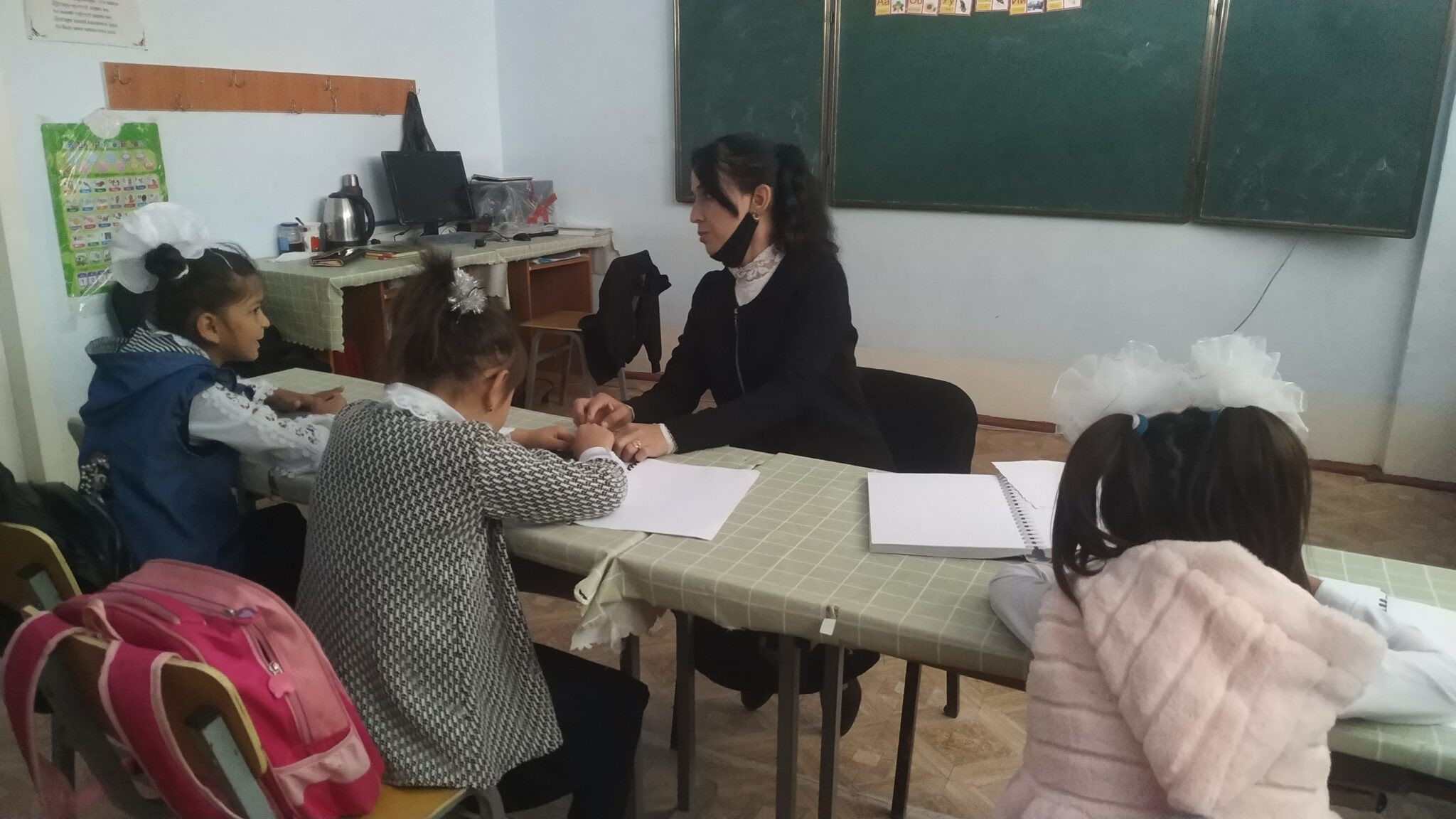 Children with Disabilities in Remote Regions of Tajikistan Have No Access to Quality Education سنة النشر: 2023 المؤلف المؤسسي: CABAR.asia Parents of children with disabilities from remote villages in Khatlon Province are concerned about their children’s education conditions, but authorities say all are covered. У детей с инвалидностью в отдаленных регионах Таджикистана нет доступа к качественному образованию سنة النشر: 2023 المؤلف المؤسسي: CABAR.asia Родители детей с инвалидностью из отдаленных сел Хатлонской области обеспокоены условиями обучения своих детей, но власти заявляют, что все они охвачены образованием.
  Notre diversité créatrice: rapport de la commission mondiale de la culture et du développement, version condensée سنة النشر: 1996 المؤلف المؤسسي: World Commission on Culture and Development This report is designed to address a diversified audience across the world that ranges from community activists, field workers, artists and scholars to government officials and politicians. We want it to inform the world’s opinion leaders and to guide its policy-makers. We want it to capture the attention of the world’s intellectual and artistic communities, as well as the general public. We aim to have shown them how culture shapes all our thinking, imagining and behaviour. It is the transmission of behaviour as well as a dynamic source for change, creativity, freedom and the awakening of innovative opportunities. For groups and societies, culture is energy, inspiration and empowerment, as well as the knowledge and acknowledgment of diversity: if cultural diversity is ‘behind us, around us and before us”, as Claude L&i-Strauss put it, we must learn how to let it lead not to the clash of cultures, but to their fruitful coexistence and to intercultural harmony. Just as in the tasks of building peace and consolidating democratic values, an indivisible set of goals, so too economic and political rights cannot be realized separately from social and cultural rights. The challenge to humanity is to adopt new ways of thinking, new ways of acting, new ways of organizing itself in society, in short, new ways of living. The challenge is also to promote different paths of development, informed by a recognition of how cultural factors shape the way in which societies conceive their own futures and choose the means to attain these futures. I have for some time been concerned with the “culture of peace”. There is now considerable evidence that neglect of human development has been one of the principal causes of wars and internal armed conflicts, and that these, in turn, retard human development. With government complicity and with the intention of raising export receipts, private businesses continue to sell advanced military technology, nuclear materials and equipment for the production of bacteriological and chemical warfare. The concept of state sovereignty which still prevails today has increasingly come under scrutiny. In the area of peace-keeping, the distinction between external aggression and internal oppression is often unrealistic. The predominant threat to stability are violent conflicts within countries and not between them. There is an urgent need to strengthen international human rights law. Many of the most serious troubles come from within states – either because of ethnic strife or repressive measures by governments. Conditions that lead to tyranny and large-scale violations of human rights at home sooner or later are likely to spill over into a search for enemies abroad. The temptation of repressive states to export internal difficulties is great. Consider the Soviet Union’s invasion of Hungary and Czechoslovakia after it had used domestic oppression and the persistent refusal - for many years - of the previous South African governments to grant independence to Namibia. An ounce of prevention is better than a ton of punishment.
  Toolkit for Urban Inclusion in Arab Cities: Cities Promoting Inclusion Through Public Participation, Access to Information, Sport, and Citizenship and Human Rights Education سنة النشر: 2020 المؤلف: Kareem Ibrahim | Deena Khalil | Marwa Barakat | Salwa Salman المؤلف المؤسسي: UNESCO | European Training and Research Centre for Human Rights and Democracy (Austria) | UNESCO Cairo Arab cities are witnessing an unprecedented expansion. Home to more than half of the region’s population, Arab cities have transformed into heterogeneous spaces that host diverse identities, cultures, and ethnicities. In order for this transformation to lead to prosperity, city officials must adopt a rights-based, human-centred approach, and implement inclusive policies and measures that provide equal opportunities for all.In this context, the Toolkit for Urban Inclusion in Arab Cities provides Arab city leaders and local government officials with practical tools and advice to guide their efforts towards establishing inclusive and sustainable cities. The Toolkit is based on the real experiences and practices of cities members of the Coalition of Arab Cities against Racism, Discrimination, Xenophobia and Intolerance in planning, implementing and evaluating programs and projects that promote urban inclusion and combat exclusion in all its forms.The Toolkit focuses on four topics of high priority to the Arab Coalition member cities: public participation, access to information, sport for youth inclusion, and citizenship and human rights education. Manuel des villes arabes pour l’inclusion urbaine: Promouvoir l’inclusion urbaine par la participation publique, l’accès à l’information, le sport, et l’éducation à la citoyenneté et aux droits de l’homme سنة النشر: 2020 المؤلف: Kareem Ibrahim | Deena Khalil | Marwa Barakat | Salwa Salman المؤلف المؤسسي: UNESCO | European Training and Research Centre for Human Rights and Democracy (Austria) | UNESCO Cairo Les villes arabes connaissent un développement urbain accéléré qui les a amenées à réunir plus de la moitié de la population régionale. Une combinaison de nombreux facteurs a transformé la majorité des villes arabes en lieux de brassage où abondent les identités, les cultures et les ethnies variées. Ces transformations peuvent contribuer à la réalisation de la prospérité sociale, à condition que les responsables des villes adoptent un programme législatif centré sur les droits de l’homme, et qu’ils mettent en œuvre des politiques et des dispositions susceptibles de réaliser l’inclusion de manière à assurer l’égalité des chances à tous leurs habitants. Dans ce contexte, le Manuel des villes arabes pour l’inclusion urbaine propose un ensemble d’outils et de conseils pratiques susceptibles de servir de guide aux édiles des villes arabes et aux responsables des gouvernements locaux dans leur quête pour la mise en place de villes inclusives et durables. Le Manuel prend pour base les acquis et expériences de la Coalition des villes arabes contre le racisme, la discrimination, la xénophobie et l’intolérance dans la planification, la réalisation et l’évaluation de programmes et de projets pour favoriser l’inclusion sociale et pour s’opposer à l’exclusion sous toutes ses formes. Le Manuel est centré sur quatre questions désignées par les villes membres parmi leurs priorités : La Participation publique, l’Accès à l’information, le Sport pour l’inclusion des jeunes, l’Éducation à la citoyenneté et aux droits de l’homme. لعربية للإدماج الحضري: تعزيز الإدماج الحضري من خلال المشاركة العامة، والوصول إلى المعلومات، والرياضة والتربية على المواطنة وحقوق الإنسان سنة النشر: 2020 المؤلف: Kareem Ibrahim | Deena Khalil | Marwa Barakat | Salwa Salman المؤلف المؤسسي: UNESCO | European Training and Research Centre for Human Rights and Democracy (Austria) | UNESCO Cairo ً ً ـا متسـارع ّ ا، حيـث باتـت تسـتضيف أكـر مـن نصـف سـكان املنطقـة. وتحولـت معظـم املـدن العربيـة ً تشـهد املـدن العربيـة توسـعا حرضي ّـات والثقافـات واألعـراق. وميكـن لهـذه التحـوالت أن تسـهم يف تحقيـق الرخـاء ِبف ّ عـل عوامـل مختلفـة إىل فضـاءات مختلطـة، تتنـوع فيهـا الهوي ًــا محــوره اإلنســان، وتطبيــق سياســات وتدابــر دامجــة مــن شــأنها توفــر الفــرص االجتامعــي بــرط اعتــا ً د مســؤويل املــدن نهجــا حقوقي املتسـاوية لجميـع السـكان. ُقـدم مجموعـة مـن األدوات والنصائـح العمليـة ليسرتشـد بهـا قـادة املـدن عـى هـذه الخلفيـة، يـأيت دليـل املـدن العربيـة لإلدمـاج الحـري لي العربيــة واملســؤولون بالحكومــات املحليــة يف مســعاهم نحــو إقامــة مــدن شــاملة ومســتدامة. ينطلــق الدليــل مــن خــرات وتجــارب املــدن ّ املنتسـبة لتحالـف املـدن العربيـة ضـد ّ العنرصيـة والتمييـز وكراهيـة األجانـب والتعصـب يف تخطيـط وتنفيـذ وتقييـم برامـج ومشـاريع تُعـزز اإلدمـاج الحـري وتتصـدى لإلقصـاء بأشـكاله كافـة. ويركّـز الدليـل عـى أربعـة موضوعـات اعتربتهـا املـدن األعضـاء يف التحالـف مـن ضمـن أولوياتهـا، وهـي: املشـاركة العامـة، والوصـول إىل املعلومـات، والرياضـة مـن أجـل إدمـاج الشـباب، والرتبيـة عـى املواطنـة وحقـوق اإلنسـان.
  Singapore’s educational reforms toward holistic outcomes: (Un)intended consequences of policy layering سنة النشر: 2023 المؤلف: Dennis Kwek | Jeanne Ho | Hwei Ming Wong المؤلف المؤسسي: Center for Universal Education at Brookings In the transition from economic imperatives to holistic drivers, there has been a gradual move over five policy phases (from 1965 to 2022 and beyond) toward curriculum and school diversification to cater to different students, with more autonomy given to schools to innovate their pedagogy and improve instructional quality to meet their students’ unique needs. Importantly, there has been a shift in policy rhetoric from focusing on educational structures to focusing on pedagogy and instructional quality. To shift pedagogy from being mainly didactic in nature—with emphasis on preparing students for national examination—the Singapore government recognized the need to focus on school leaders’ and teachers’ capacity building to enable new curricula and teaching practices. The school cluster structure was initiated in 1997 to enable collaboration and learning among school leaders, key personnel, and teachers. Opportunities for collaborative teacher learning are provided at different ecological levels: professional learning communities (PLCs) within schools and networked learning communities (NLCs) across schools. Beyond the education system, the Singapore government works with other ministries and community organizations, such as ethnic self-help organizations, to tackle educational equity issues. Ultimately, even though the official policy narrative post-1997 has been a de-emphasis on examination results and educational infrastructure to help improve the instructional quality in schools toward holistic outcomes and improved student well-being have been developed, education systems building co-exists with an alternative underlying shadow education system valued by parents who continue to chase narrow academic outcomes. Tuition and enrichment centers in Singapore constitute the shadow education system.
  The Comprehensive Learning Diagnosis: Chile’s approach to assess socio-emotional learning in schools سنة النشر: 2023 المؤلف: José Weinstein | Juan Bravo المؤلف المؤسسي: Center for Universal Education at Brookings Education in Chile has important challenges of quality, equity, and social integration. For decades, policies tried to respond to these concerns with a high-stakes accountability institutional framework, which has not had success. The underlying vision of educational quality was limited. The assessment system in place privileged cognitive and academic dimensions of educational results. Socio-emotional learning had been neglected or considered secondary, without an infrastructure of assessment tools that allowed teachers and principals to diagnosis students’ situations and monitor their progress. The COVID-19 crisis was an opportunity for change: Students’ socioemotional needs were a main concern for schools and society, and the regular accountability system based on standardized tests was interrupted. Subsequently, the Comprehensive Learning Diagnosis (DIA) was launched by the Education Quality Agency. The DIA is a voluntary assessment tool made available to all Chilean schools. The DIA promotes the comprehensive development of students, providing timely information and guidance to internally monitor students’ learning in the academic and socio-emotional domains at several points during the school year. Specifically, with respect to socio-emotional learning, three areas were considered: personal, community, and citizenship. In each of these areas, a set of socioemotional skills were defined, operationalized, and became possible to monitor by school communities. The DIA also collects students’ opinions of school management practices regarding socio-emotional skills. The DIA has received a wide acceptance in school communities. Despite being voluntary, an ample majority of schools decided to participate. The information collected from the DIA allows for practical use by principals and teachers. Moreover, the DIA provides the opportunity for students to inform school management. The new Chilean government has decided to strengthen DIA as an important component in a four-year national plan for reactivating academic and socio-emotional learning in schools. The previous high-stakes accountability system, which involved external assessments, has been suspended and is under discussion. The DIA experience has shown that critical social and educational situations can provide fertile ground to motivate deep and rapid transformation, if an educational actor (in this case the Education Quality Agency) is capable of enacting a pertinent, timely, and practical response to school needs. The DIA is not only an example of productive uses of students´ assessment by schools, but also a demonstration that it is possible to build an institutional arrangement among local, intermediate, and national levels of school systems, where a vertical hierarchy is changed by a collaborative relationship based on local agency, mutual trust, and differentiated technical contributions.
  Evidence on Inclusive Education in Kazakhstan based on a Formative and a Big Data Evaluation سنة النشر: 2024 المؤلف: Arseniy Gurin | Udayan Rathore | Zhanar Zhaxylykova المؤلف المؤسسي: UNICEF Kazakhstan The objective of the JB formative evaluation was to examine the functioning of the state education programmes between 2011 and 2021 with a special focus on inclusivity. This covered children from pre-school to secondary school levels. The Big data evaluation or Social Media Listening (SML) study focused on the same age group of children and aimed to further the understanding of different stakeholder perspectives, as expressed via social media and online news media outlets. The demography of Kazakhstan reflects that it is a relatively young country. Given that the youth are more inclined to using social media, this is an important source of discussions in the country, including those on inclusive education.