
الموارد
استكشف مجموعة واسعة من الموارد القيمة حول تعليم المواطنة العالمية لتعميق فهمك وتعزيز البحث والمناصرة والتعليم والتعلم.
تم العثور على 121 نتيجة
 Address by Irina Bokova, Director-General of UNESCO, on the occasion of the Inaugural Lecture on: Diverse Societies, Inclusive Democracies: New Skills for a Sustainable World, Organized by the Mahatma Gandhi Institute of Education for Peace سنة النشر: 2014 المؤلف المؤسسي: UNESCO. Director-General, 2009-2017 (Bokova, I.G.) Ce document est le discours de Irina Bokova, Directrice générale de l'UNESCO, à l'occasion de la conférence inaugurale sur: les sociétés diversifiées, les démocraties inclusives: De nouvelles compétences pour un monde durable, organisé par l'Institut Mahatma Gandhi d'Éducation pour la Paix à Delhi, Inde, le 25 Novembre 2014. Elle a insisté sur l'importance de l'intégration sociale, le droit de l'homme pour tous et éudcation pour le développement durable. 이리나 보코바 유네스코 사무총장의 취임 기념 공개 강연: 다양한 사회, 포괄적 민주주의: 지속가능한 세계를 위한 새로운 기술, ‘마하트마 간디 평화와 지속가능발전 교육연구소’(Mahatma Gandhi Institute of Education for Peace and Sustainable Development)주최, 2014년 11월 25일 인도, 델리. سنة النشر: 2014 المؤلف المؤسسي: UNESCO. Director-General, 2009-2017 (Bokova, I.G.) 이 문서는 2014년 11월 25일, 인도 델리에서 ‘다양한 사회, 포괄적 민주주의: 지속가능한 세계를 위한 새로운 기술’을 주제로 ‘마하트마 간디 평화와 지속가능발전 교육연구소’(Mahatma Gandhi Institute of Education for Peace and Sustainable Development)가 주최한 이리나 보코바 유엔 사무총장의 취임 기념 공개 강연의 내용이다. 여기에서 그녀는 사회 통합의 중요성과 모든 사람을 위한 인권, 지속가능한 발전을 위한 교육을 주장했다. Address by Irina Bokova, Director-General of UNESCO, on the occasion of the Mahatma Gandhi Institute of Education for Peace and Sustainable Development; New Delhi, 11 November 2012 سنة النشر: 2012 المؤلف المؤسسي: UNESCO. Director-General, 2009-2017 (Bokova, I.G.) This address was presented by Irina Bokova, Director-General of UNESCO on the occasion of the Mahatma Gandhi Institute of Education for Peace and Sustainable Development. Discours de Mme Irina Bokova, Directrice générale de l'UNESCO, à l'occasion de l'Institut Mahatma Gandhi d'éducation pour la paix et le développement durable; New Delhi, le 11 Novembre 2012 سنة النشر: 2012 المؤلف المؤسسي: UNESCO. Director-General, 2009-2017 (Bokova, I.G.) Cette adresse a été présentée par Irina Bokova, Directrice générale de l'UNESCO à l'occasion de l'Institut Mahatma Gandhi d'éducation pour la paix et le développement durable.
 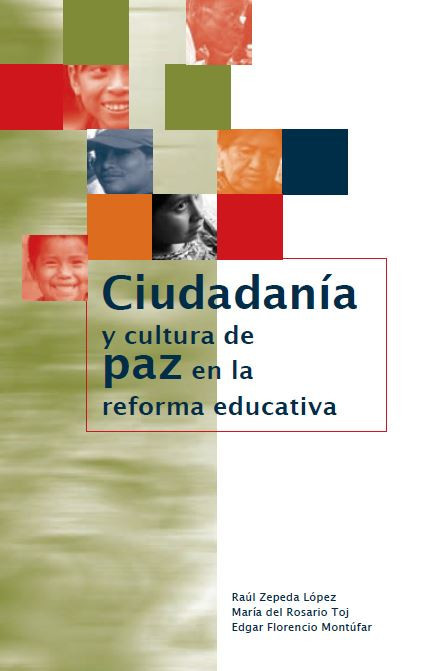 Citizenship and Culture of Peace in Educational Reform سنة النشر: 2005 المؤلف: Raúl Zepeda López, María del Rosario Toj, Edgar Florencio Montúfar المؤلف المؤسسي: UNESCO The concern raised by the themes and contents of civic education and the culture of peace in childhood and youth are issues that are felt in various academic sectors, in social organizations and educational authorities that sometimes translate into articles in the media, where, among other things, one speaks of "the loss of values", generally having as reference to the young generations and making invisible that this loss is mainly present in the adult generations, which are responsible for this situation. These concerns, in spite of that conscious ambiguity, are not gratuitous. They can be a starting point to become aware of the need to develop new capacities and values, the absence of which young Latin Americans identify in their political and social leaders, as has been pointed out in cited studies, carried out by UNICEF for Latin America and for Beatriz de Cazali for Guatemala. The need to respond to this concern is also present in the participants in the dialogues and municipal consensus (2000), as well as among authorities and curriculum developers of MINEDUC in the last five-years.
  Culture of Peace and Education for Democratic Citizenship سنة النشر: 2006 المؤلف: Jose Tuvilla Rayo The Culture of Peace understood as the synthesis concept - sum of human rights, democracy, disarmament and sustainable human development - demands, as a humanizing response of globalization, important efforts of educational systems towards the achievement of four world social contracts ( Lisbon Group, 1995): the contract of basic needs aimed at suppressing inequalities, the cultural contract aimed at promoting tolerance and dialogue between cultures, the contract of democracy aimed at a system of world government; and, the Earth contract to promote stable and lasting human development. To do this - remembering Juan Carlos Tedesco (2001) - learning to live together, one of the pillars of 21st century education, can not be maintained in the exclusive domain of merely rhetorical adherence. Cultura de Paz y educación para la ciudadanía democrática سنة النشر: 2006 المؤلف: Jose Tuvilla Rayo La Cultura de Paz entendida como el concepto síntesis --suma de derechos humanos, democracia, desarme y desarrollo humano sostenible--, demanda, como respuesta humanizadora de la globalización, importantes esfuerzos de los sistemas educativos hacia la consecución de cuatro contratos sociales mundiales (Grupo de Lisboa, 1995): el contrato de las necesidades básicas destinado a suprimir las desigualdades, el contrato cultural destinado a promover la tolerancia y el diálogo entre culturas, el contrato de la democracia encaminado hacia un sistema de gobierno mundial; y, el contrato de la Tierra para promover un desarrollo humano estable y duradero. Para ello – recordando a Juan Carlos Tedesco (2001) – aprender a vivir juntos, uno de los pilares de la educación del siglo XXI, no puede ser mantenido en el terreno exclusivo de la adhesión meramente retórica.
 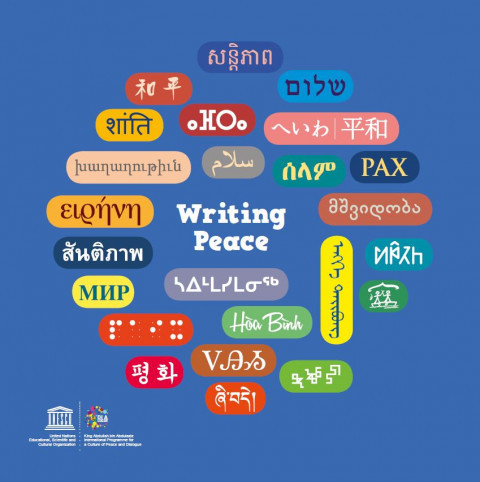 أكتب السلام سنة النشر: 2017 المؤلف: Eric Cattelain المؤلف المؤسسي: UNESCO يدعو كتيب "أكتب السلام" فئة القراء الصغار إلى اكتشاف الكتابات الحديثة من خلال التعريف بلغات مختلفة. كما نسعى من خلال ذلك إلى التعايش مع الاختلاف ليبدو العالم أكثر قربا وحيوية. يشجع كتيب "أكتب السلام" الأطفال الذين تتراوح أعمارهم بين 8 ـ 14 سنة على الاطلاع على مختلف أشكال الترابط والتفاعل بين الثقافات من خلال تعريفهم بأنظمة الكتابة وتاريخها والاقتباسات المتبادلة بينها.يحتوي الكتيب على 24 ورقة نشاط حيث يعرض كل جزء حروف أحد أنظمة الكتابة المدرجة في الكتيب من جهة، ومن جهة أخرى، نصَا تعريفيّا بها وبخلفيتها التاريخية، إضافة إلى كلمة "السلام" وكلمة "مرحبا" واللغة أو اللغات المرتبطة بتلك الأنظمة. كما يحتوي كل جزء على نشاط معرفي تتوفر أجوبته في آخر الدليل.بعد مرور 6000 سنة على مجيء الكتابة، ما الذي نعرفه عن الآخرين، عن أنظمتهم الفكرية وعن كيفية تناقل أنظمتهم الخطيّة؟ كيف لهذه الأنظمة المختلفة أن تساهم في تقديم معرفة أفضل عن العالم وعن موقعنا فيه؟ نسعى من خلال افتتاحنا للكتاب بآليات التعلم حول تلك الأنظمة وجمالها الأخاذ ربط إدراك الأطفال بالتنوع والانفتاح على مفهوم السلام والوعي به. Наше творч разно: Доклад Всемирной комиссии по культуре и развитию; сокращенный вариант سنة النشر: 1996 المؤلف المؤسسي: World Commission on Culture and Development This report is designed to address a diversified audience across the world that ranges from community activists, field workers, artists and scholars to government officials and politicians. We want it to inform the world’s opinion leaders and to guide its policy-makers. We want it to capture the attention of the world’s intellectual and artistic communities, as well as the general public. We aim to have shown them how culture shapes all our thinking, imagining and behaviour. It is the transmission of behaviour as well as a dynamic source for change, creativity, freedom and the awakening of innovative opportunities. For groups and societies, culture is energy, inspiration and empowerment, as well as the knowledge and acknowledgment of diversity: if cultural diversity is ‘behind us, around us and before us”, as Claude L&i-Strauss put it, we must learn how to let it lead not to the clash of cultures, but to their fruitful coexistence and to intercultural harmony. Just as in the tasks of building peace and consolidating democratic values, an indivisible set of goals, so too economic and political rights cannot be realized separately from social and cultural rights. The challenge to humanity is to adopt new ways of thinking, new ways of acting, new ways of organizing itself in society, in short, new ways of living. The challenge is also to promote different paths of development, informed by a recognition of how cultural factors shape the way in which societies conceive their own futures and choose the means to attain these futures. I have for some time been concerned with the “culture of peace”. There is now considerable evidence that neglect of human development has been one of the principal causes of wars and internal armed conflicts, and that these, in turn, retard human development. With government complicity and with the intention of raising export receipts, private businesses continue to sell advanced military technology, nuclear materials and equipment for the production of bacteriological and chemical warfare. The concept of state sovereignty which still prevails today has increasingly come under scrutiny. In the area of peace-keeping, the distinction between external aggression and internal oppression is often unrealistic. The predominant threat to stability are violent conflicts within countries and not between them. There is an urgent need to strengthen international human rights law. Many of the most serious troubles come from within states – either because of ethnic strife or repressive measures by governments. Conditions that lead to tyranny and large-scale violations of human rights at home sooner or later are likely to spill over into a search for enemies abroad. The temptation of repressive states to export internal difficulties is great. Consider the Soviet Union’s invasion of Hungary and Czechoslovakia after it had used domestic oppression and the persistent refusal - for many years - of the previous South African governments to grant independence to Namibia. An ounce of prevention is better than a ton of punishment. Nuestra diversidad creativa: informe de la comisión mundial de cultura y desarrollo, versión resumida سنة النشر: 1996 المؤلف المؤسسي: World Commission on Culture and Development This report is designed to address a diversified audience across the world that ranges from community activists, field workers, artists and scholars to government officials and politicians. We want it to inform the world’s opinion leaders and to guide its policy-makers. We want it to capture the attention of the world’s intellectual and artistic communities, as well as the general public. We aim to have shown them how culture shapes all our thinking, imagining and behaviour. It is the transmission of behaviour as well as a dynamic source for change, creativity, freedom and the awakening of innovative opportunities. For groups and societies, culture is energy, inspiration and empowerment, as well as the knowledge and acknowledgment of diversity: if cultural diversity is ‘behind us, around us and before us”, as Claude L&i-Strauss put it, we must learn how to let it lead not to the clash of cultures, but to their fruitful coexistence and to intercultural harmony. Just as in the tasks of building peace and consolidating democratic values, an indivisible set of goals, so too economic and political rights cannot be realized separately from social and cultural rights. The challenge to humanity is to adopt new ways of thinking, new ways of acting, new ways of organizing itself in society, in short, new ways of living. The challenge is also to promote different paths of development, informed by a recognition of how cultural factors shape the way in which societies conceive their own futures and choose the means to attain these futures. I have for some time been concerned with the “culture of peace”. There is now considerable evidence that neglect of human development has been one of the principal causes of wars and internal armed conflicts, and that these, in turn, retard human development. With government complicity and with the intention of raising export receipts, private businesses continue to sell advanced military technology, nuclear materials and equipment for the production of bacteriological and chemical warfare. The concept of state sovereignty which still prevails today has increasingly come under scrutiny. In the area of peace-keeping, the distinction between external aggression and internal oppression is often unrealistic. The predominant threat to stability are violent conflicts within countries and not between them. There is an urgent need to strengthen international human rights law. Many of the most serious troubles come from within states – either because of ethnic strife or repressive measures by governments. Conditions that lead to tyranny and large-scale violations of human rights at home sooner or later are likely to spill over into a search for enemies abroad. The temptation of repressive states to export internal difficulties is great. Consider the Soviet Union’s invasion of Hungary and Czechoslovakia after it had used domestic oppression and the persistent refusal - for many years - of the previous South African governments to grant independence to Namibia. An ounce of prevention is better than a ton of punishment.