
الموارد
استكشف مجموعة واسعة من الموارد القيمة حول تعليم المواطنة العالمية لتعميق فهمك وتعزيز البحث والمناصرة والتعليم والتعلم.
تم العثور على 66 نتيجة
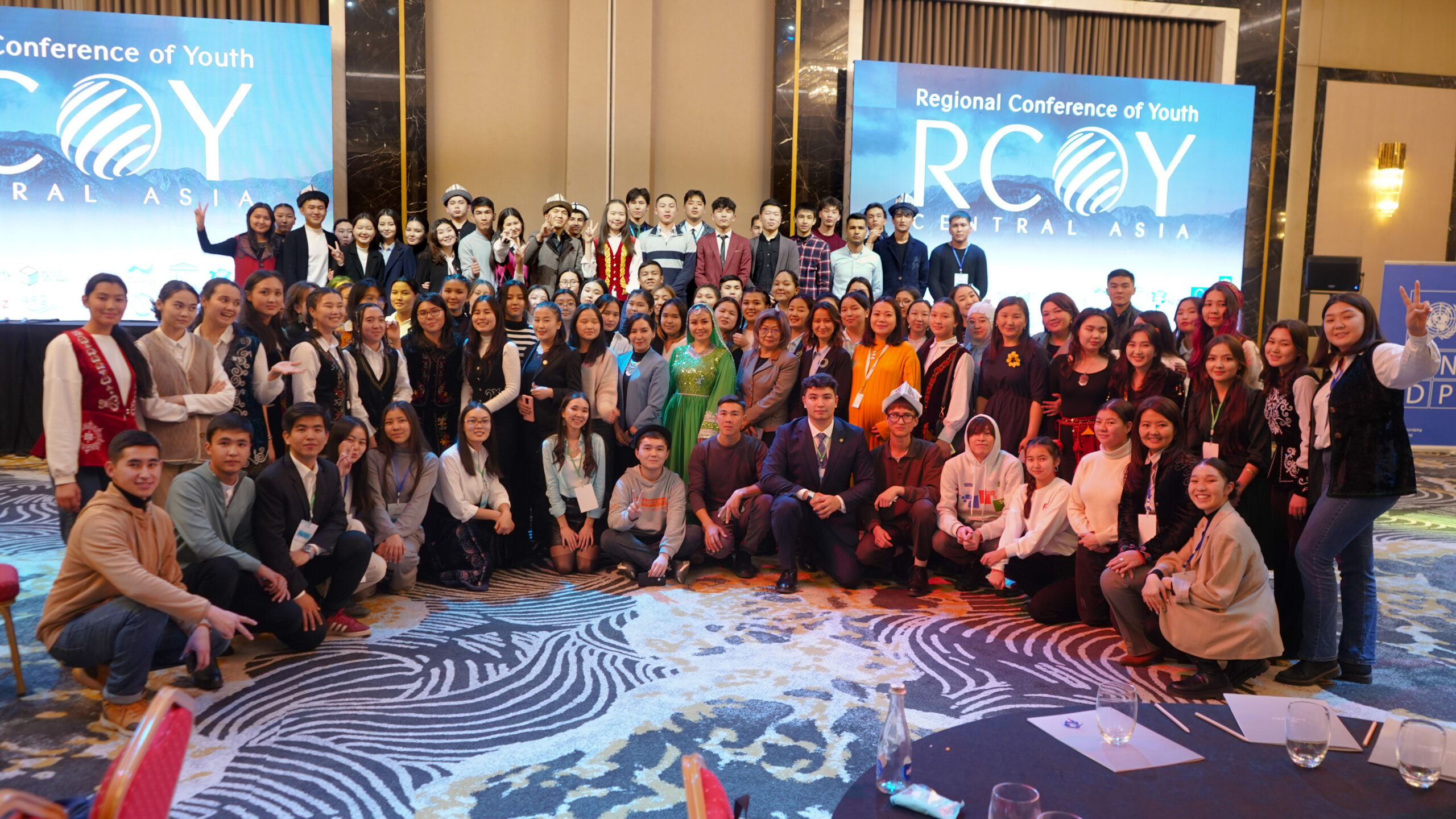 Вовлечение молодежи в климатические вопросы в Казахстане и Таджикистане: иллюзия или реальность? سنة النشر: 2024 المؤلف: Anisa Abibulloyeva | Mukhtar Amanbayuly المؤلف المؤسسي: Central Asian Bureau for Analytical Reporting (CABAR) Государственные органы стран Центральной Азии и международные организации, которые занимаются проблемами окружающей среды, особенно изменения климата, недостаточно учитывают мнения молодых экологов, считают молодые эксперты из Таджикистана и Казахстана Аниса Абибуллоева и Мухтар Аманбайулы.
  Case Studies in Action: Youth Empowerment for a Peaceful Caribbean سنة النشر: 2024 المؤلف: Gizem Kilinç المؤلف المؤسسي: UNESCO Kingston This compilation, titled “Case Studies in Action: Youth Empowerment for a Peaceful Caribbean” presents fourteen concise case studies highlighting (sub-)regional, national, and local initiatives that contribute to the operationalisation of the Youth, Peace, and Security (YPS) agenda. It features a combination of initiatives led by government, regional organisations, the United Nations, youth organisations, civil society, and multi-stakeholder groups across the Dutch and English-speaking Caribbean. The primary objective of this overview is to enrich the knowledge base on meaningful youth engagement in peace and security issues within the region, shedding light on successful approaches, obstacles encountered, and lessons learned. Organised into five sections aligned with the pillars of the YPS agenda—prevention, protection, disengagement and reintegration, partnership, and participation—the case studies are accompanied by an introduction and a summary of recommendations.
  Reaching the Youth: countering the Terrorist Narrative سنة النشر: 2012 المؤلف: Thomas Koruth Samuel This monograph studies the issue of the dynamics of youth and terrorism, paying close attention to the methods used by terrorists to entice the youth, the message or the narrative of the terrorists, and the possible counter-narrative that could be subsequently developed. Reaching the Youth: countering the Terrorist Narrative سنة النشر: 2012 المؤلف: Thomas Koruth Samuel Cette monographie étudie la dynamique entre la jeunesse et le terrorisme en accordant une attention particulière aux méthodes utilisées par les terroristes pour attirer les jeunes, leurs messages ou discours, et le contre-récit éventuel qui pourrait être développé par la suite.
  Message from Ms Audrey Azoulay, Director-General of UNESCO, on the occasion of International Youth Day, 12 August 2018 سنة النشر: 2018 المؤلف المؤسسي: UNESCO. Director-General, 2017-2025 (Azoulay, A.) This message was delivered by Audrey Azoulay, Director-General of UNESCO, on the occasion of the International Youth Day, 12 August 2018. 联合国教科文组织总干事奥德蕾·阿祖莱女士 国际青年日致辞 سنة النشر: 2018 المؤلف المؤسسي: UNESCO. Director-General, 2017-2025 (Azoulay, A.) 2018年8月12日,联合国教科文组织总干事奥德蕾·阿祖莱女士国际青年日致辞
  A Situation Analysis of Children in Kazakhstan سنة النشر: 2019 المؤلف المؤسسي: UNICEF Kazakhstan Kazakhstan has set the overarching objective of becoming one of the 30 most developed countries in the world by 2050. Children and adolescents in Kazakhstan, who constitute 31.4 per cent of the total population, should be the beneficiaries and active contributors to achieving these goals. This Situation Analysis provides analysis and recommendations to ensure that children remain at the centre of the country’s development priorities. It confirms measurable progress made in advancing the rights of children and identifies outstanding challenges. Анализ положения детей в Республике Казахстан سنة النشر: 2019 المؤلف المؤسسي: UNICEF Kazakhstan Казахстан поставил перед собой важную стратегическую цель – стать одной из 30 самых развитых стран мира к 2050 году. При этом нынешние дети и подростки, составляющие 31,4% от общей численности населения страны, будут теми, кто больше всех ощутит положительные изменениня и поэтому также должны стать активными участниками в реализации поставленной цели.В данном документе представлены анализ и рекомендации, направленные на то, чтобы дети оставались в центре приоритетов развития страны. Отчет подтверждает ощутимый прогресс, достигнутый в продвижении прав детей, а также выявляет факторы, влияющие на их уязвимость.
  Report on the 10th Anniversary Central Asian Leadership Programme on Environment for Sustainable Development and the Regional Training Course on Water Diplomacy with a Special Focus on Gender-Sensitive Negotiation and Mediation Skills; September16–25,2019 سنة النشر: 2019 المؤلف المؤسسي: Regional Environmental Centre for Central Asia (CAREC) The publication is a report on the 10th anniversary of the Central Asian Environment Leadership Program for Sustainable Development (September 16-22, 2019) and the OSCE regional water diplomacy training, with a special focus on gender-sensitive negotiation and mediation skills (23-25 September 2019), prepared by CAREC in cooperation with regional and international partners. Отчет о 10-й Юбилейной Центрально-Азиатской Программе Лидерства по окружающей среде для устойчивого развития;16-22 сентября 2019 года и Региональном тренинге ОБСЕ по водной дипломатии с особым акцентом на навыки ведения переговоров и медиацию с учетом ген سنة النشر: 2019 المؤلف المؤسسي: Regional Environmental Centre for Central Asia (CAREC) Публикация является отчетом о 10-й юбилейной центральноазиатской программе лидерства по окружающей среде для устойчивого развития (16-22 сентября 2019 г.) и региональном тренинге ОБСЕ по водной дипломатии с особым акцентом на навыки ведения переговоров и медиацию с учетом гендерных факторов (23-25 сентября 2019 г.), подготовленной РЭЦЦА в сотрудничестве с региональными и международными партнерами.