
الموارد
استكشف مجموعة واسعة من الموارد القيمة حول تعليم المواطنة العالمية لتعميق فهمك وتعزيز البحث والمناصرة والتعليم والتعلم.
تم العثور على 1,329 نتيجة
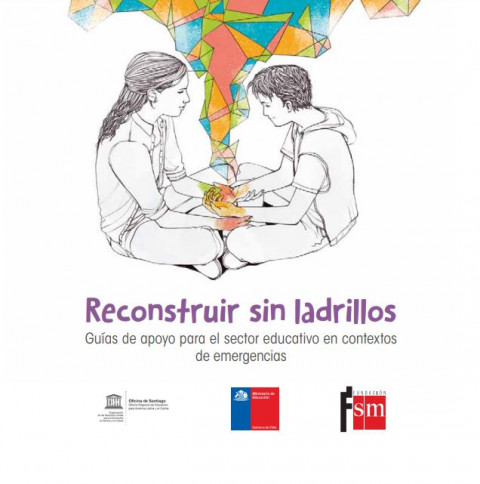 Reconstruir sin ladrillos: guías de apoyo para el sector educativo en contextos de emergencias سنة النشر: 2017 المؤلف: Griselda Amuchástegui | María Isabel del Valle | Henry Renna المؤلف المؤسسي: UNESCO Santiago La Educación es fundamental para todos los niños, niñas y jóvenes y más aún en situaciones de emergencia. Es una herramienta para el bienestar psico-social de las comunidades en la respuesta, de desarrollo de capacidades para la preparación y reducción del riesgo y de fortalecimiento local en la recuperación de los territorios. La educación es y debe ser un medio para mejorar y transformar las vidas y el hábitat del ser humano. También la Educación es un fin, en su búsqueda y construcción colectiva las personas regeneran relaciones, trazan proyectos comunes y fortalecen su auto-concepto. Ella no sólo contribuye al bienestar, la Educación es por misma un estar-bien colectivo, mejora nuestras habilidades, internaliza valores, contribuye al cambio social, a la salud y la vida sana, la cohesión local. Es un derecho y es también habilitador de otros derechos. Históricamente, ante desastres la Educación ha sido abordada a mediano y largo plazo en lugar de ser activada desde la fase de respuesta a emergencias; la ayuda humanitaria suele enfocarse en la provisión de alimentos, vivienda, agua, albergue, cuestiones imprescindibles pero que deben y pueden ser cruzadas con acciones del sector de Educación desde el primer momento. La Educación no puede esperar a tiempos más estables para su despliegue; debe ser garantizada en todo momento, en todo lugar y de todas las formas posibles como un Derecho Humano Fundamental.
 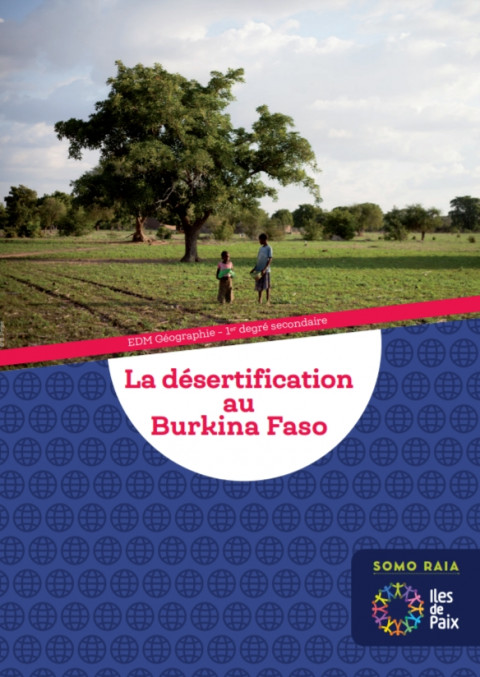 La désertification au Burkina Faso سنة النشر: 2019 المؤلف المؤسسي: Îles de Paix Au Burkina Faso, les changements climatiques contribuent à accentuer le phénomène de désertification et à aggraver les problèmes alimentaires. L’objectif de ce dossier est que les étudiants puissent découvrir ce pays d’Afrique ainsi que les enjeux liés à la désertification. Au travers des activités, les élèves auront la possibilité d’exercer plusieurs compétences via des documents variés : chansons, documents écrits, iconographies, cartes, schémas, etc. Une partie documentaire, destinée à l’enseignant, permet d’approfondir la thématique.
 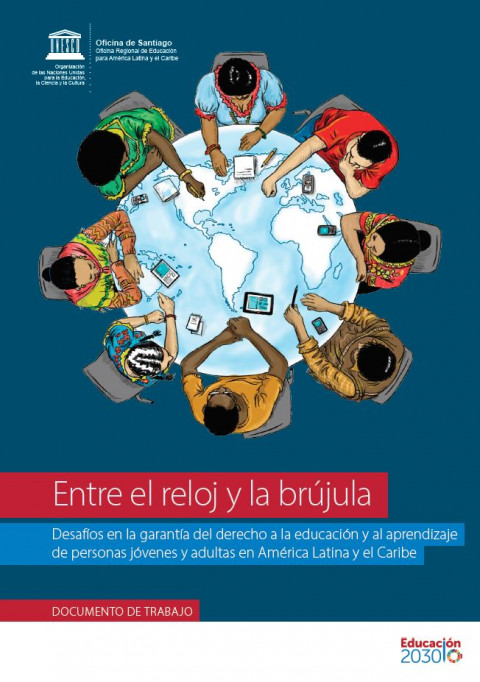 Entre el reloj y la brújula: desafíos en la garantía del derecho a la educación y al aprendizajede personas jóvenes y adultas en América Latina y el Caribe; documento de trabajo سنة النشر: 2019 المؤلف: Henry Renna المؤلف المؤسسي: UNESCO Santiago Este documento tiene por objetivo proporcionar una visión general de la educación y del aprendizaje de personas jóvenes y adultas como derecho humano y social. Los instrumentos de derecho vinculante y no vinculante que la sustentan son históricos y de larga data, como también contingentes, amplios y extensos en su alcance, con presencia regional e internacional. El documento muestra —sobre la base de los Indicadores del Objetivo de Desarrollo Sostenible 4 (ODS 4 Agenda 2030)— que los principales desafíos para los países de América Latina y el Caribe tienen relación con la lentitud de los progresos (el desafío del reloj) dejando a muchas y muchos jóvenes y adultos al margen de oportunidades educativas, de conocimientos, habilidades y aptitudes, y privados de alcanzar el bienestar integral. Este informe también sostiene —basado en los informes nacionales del Tercer Reporte Global de Educación y Aprendizaje de Adultos— que muchos desafíos están vinculados con la dirección de las políticas (el desafío de la brújula), con sentidos reduccionistas y homogeneizadores detrás de las instituciones y de la acción pública, lo que precariza y fragiliza la garantía del derecho a la educación y al aprendizaje de las personas jóvenes y adultas. Este documento es consistente con el llamado de la UNESCO a «repensar la educación» e invita a reconstruir en el siglo XXI un mundo y una educación sin muros, donde se difuminen las fronteras mentales e institucionales que reducen, dividen y aislan los sistemas educativos, con el fin de liberar su poder transformador para todos y todas.
 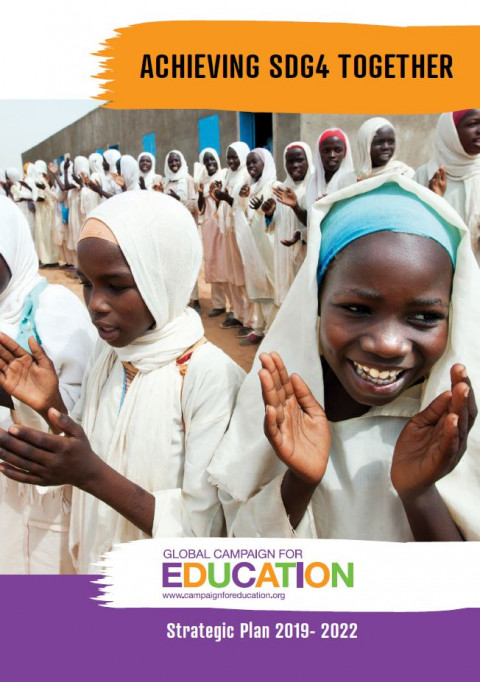 Achieving SDG 4 Together: Strategic Plan 2019 - 2022 سنة النشر: 2018 المؤلف المؤسسي: Global Campaign for Education (GCE) The 2019-2022 strategic plan of the Global Campaign for Education was adopted during the 6th World Assembly of the movement in November 2018, Kathmandu. The plan identifies 4 priority strategic areas: Inclusivity and non-discrimination, Transformative education, Education in emergencies and Financing education. The plan also focus on strengthening the global movement and integrating youth voices.On the eve of celebrating its 20th anniversary, the Global Campaign for Education (GCE) is the largest civil society organisation movement working to promote the human right to education and to put pressure on governments and the international community to fulfil their commitments to provide free, inclusive, quality public education and lifelong learning for all, particularly for children. Our regional and national coalitions encompass many thousands of civil society organisations and represent millions of individuals across the world. Each is independent, and all are united by the commitment to the human right to education, and to achieving change through the mobilisation of citizens and civil society.
 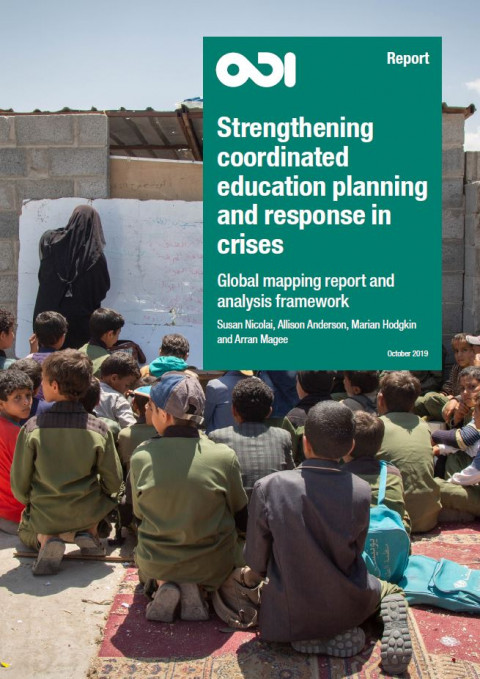 Strengthening Coordinated Education Planning and Response in Crises: Global Mapping Report and Analysis Framework سنة النشر: 2019 المؤلف: Susan Nicolai | Allison Anderson | Marian Hodgkin | Arran Magee المؤلف المؤسسي: Overseas Development Institute (ODI) This report presents a framework for analysis of formal coordination approaches for education planning and response in emergencies and protracted crises. It reviews concepts and definitions of coordination, approaches and structures for coordinated planning and response, and expected outcomes of these processes, with a focus on humanitarian structures across the humanitarian–development nexus.It is part of a set of publications produced in partnership with the Global Education Cluster, the Inter-Agency Network for Education in Emergencies and UNHCR – the UN Refugee Agency – with funding from the Education Cannot Wait Fund. The conceptual framework and set of research questions that emerge from this report is applied to six country case studies, which will be published in December 2019.
 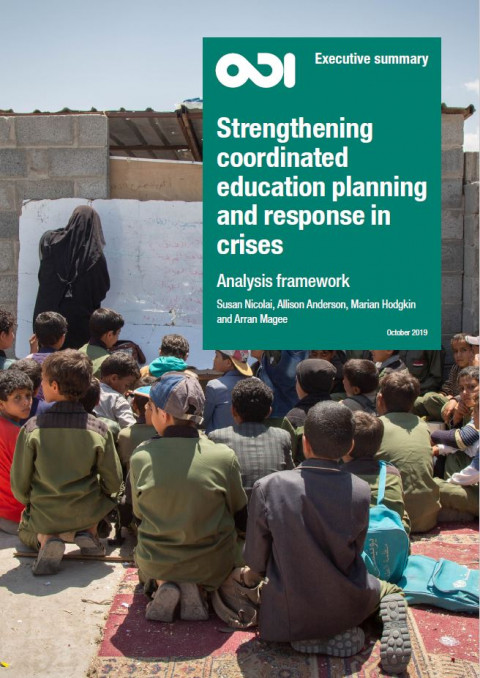 [Summary] Strengthening Coordinated Education Planning and Response in Crises: Analysis Framework; Executive Summary سنة النشر: 2019 المؤلف: Susan Nicolai | Allison Anderson | Marian Hodgkin | Arran Magee المؤلف المؤسسي: Overseas Development Institute (ODI) This report presents a framework for analysis of formal coordination approaches for education planning and response in emergencies and protracted crises. It reviews concepts and definitions of coordination, approaches and structures for coordinated planning and response, and expected outcomes of these processes, with a focus on humanitarian structures across the humanitarian–development nexus. The main types of formal education coordination groups include Education Clusters, Refugee Education Working Groups and Local Education Groups (LEGs). These often have different purposes and organisations associated with them, sometimes resulting in overlaps and gaps in coordination efforts.
  Transforming Systems in Times of Adversity: Education and Resilience; White Paper سنة النشر: 2019 المؤلف: Ritesh Shah المؤلف المؤسسي: United States Agency for International Development (USAID) This white paper was commissioned to provide USAID, including Missions, Regional Bureaus, Pillar Bureaus, and the Office of U.S. Foreign Disaster Assistance (OFDA), with an overview of global and Agency thinking and practice on education and resilience and a foundation and justification for positioning USAID education efforts more concretely within a resilience frame.The white paper is organized into three key sections. The first section outlines the business case for resilience, explaining how and why resilience is an important consideration for education programs to consider in contexts of crisis and conflict and how education is well poised as a sector to contribute to strengthening resilience. The second section presents a conceptual framework for understanding how resilience operates through and within the education sector and program interventions. The third section provides a series of key considerations for developing and supporting USAID education programs with a resilience lens or focus.
 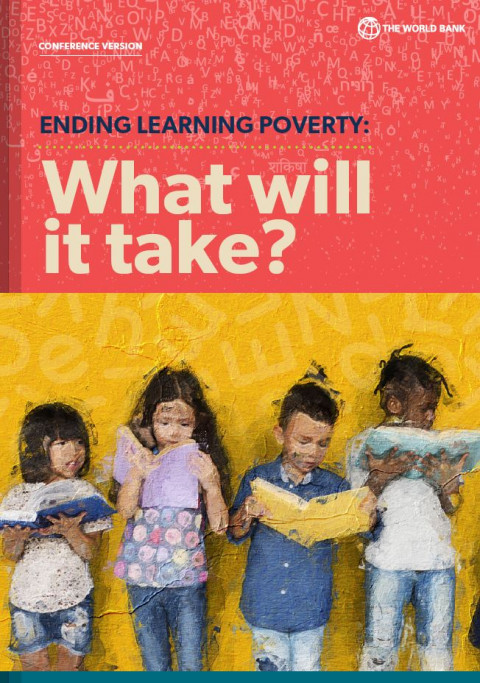 Ending Learning Poverty : What Will It Take? سنة النشر: 2019 المؤلف المؤسسي: World Bank In recent years, it has become clear that many children around the world are not learning to read proficiently. As a major contributor to human capital deficits, the learning crisis undermines sustainable growth and poverty reduction. To spotlight this crisis, we are introducing the concept of Learning Poverty, drawing on new data developed in coordination with the UNESCO Institute for Statistics.
 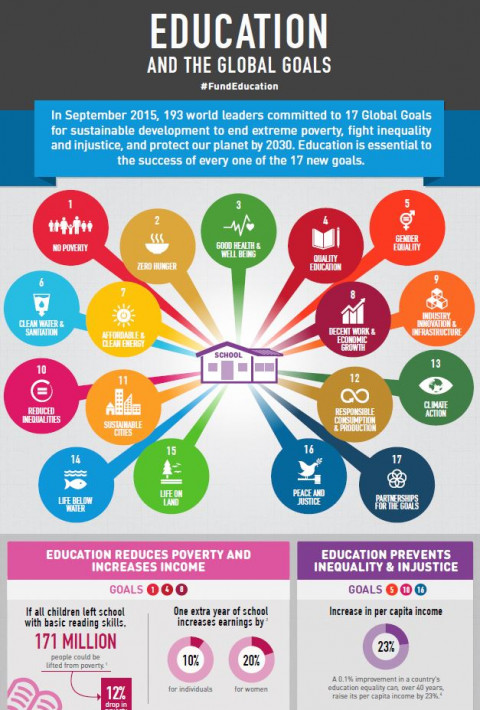 Education and the Global Goals سنة النشر: 2015 المؤلف المؤسسي: Global Partnership for Education (GPE) In September 2015, 193 world leaders committed to 17 Global Goals for sustainable development to end extreme poverty, fight inequality and injustice, and protect our planet by 2030. Education is essential to the success of every one of the 17 new goals.To learn more: https://www.globalpartnership.org/blog/17-ways-education-influences-new-17-global-goals
  UNITED NATIONS HUMAN RIGHTS MECHANISMS and the Right to Education in Insecurity and Armed Conflict المؤلف: Takhmina Karimova | Gilles Giacca | Stuart Casey-Maslen المؤلف المؤسسي: Geneva Academy of International Humanitarian Law and Human Rights This publication, United Nations Human Rights Mechanisms and the Right to Education in Insecurity and Armed Conflict, seeks to respond to the acute need to identify trends in the practice, and contribution, of United Nations human rights mechanisms to the protection of education in times of insecurity and conflict. It is the result of a one-year research project carried out by researchers at the Geneva Academy of International Humanitarian Law and Human Rights (Geneva Academy). The research was overseen by a Legal Advisory Committee and subject to multi-disciplinary peer review. Accompanying the publication is a summary policy document intended to guide future work in this area. An electronic version of each publication is available at http://www.geneva-academy.ch and at http://www.educationandconflict.org.United Nations Human Rights Mechanisms and the Right to Education in Insecurity and Armed Conflict is the second in a series of legal research documents commissioned by Protect Education in Insecurity and Conflict (PEIC) on the protection of education during insecurity and armed conflict. PEIC is a programme of the Education Above All Foundation, an independent organization chaired by Her Highness Sheikha Moza Bint Nasser of Qatar, UNESCO Special Envoy for Basic and Higher Education. A policy, research, and advocacy organization, PEIC is concerned with the protection of education during insecurity and armed conflict. PEIC’s Legal Programme contributes to such protection through the strategic use of international and national law. Its legal research papers are authored by academics and/or practicing lawyers. They are aimed at a varied audience, including international and national lawyers; non-legally trained education experts and policy-makers within governments; political, social, and cultural bodies; and civil society. The Geneva Academy aims to provide instruction of a high academic standard, conduct and promote scientific research, organize training courses and expert meetings, and provide legal expertise in the branches of international law relating to situations of armed conflict. Founded in 2007, the Academy replaces the University Centre for International Humanitarian Law created in 2002 by the Faculty of Law of the University of Geneva and the Graduate Institute of International Studies, now the Graduate Institute of International and Development Studies(IHEID).