
الموارد
استكشف مجموعة واسعة من الموارد القيمة حول تعليم المواطنة العالمية لتعميق فهمك وتعزيز البحث والمناصرة والتعليم والتعلم.
تم العثور على 1,329 نتيجة
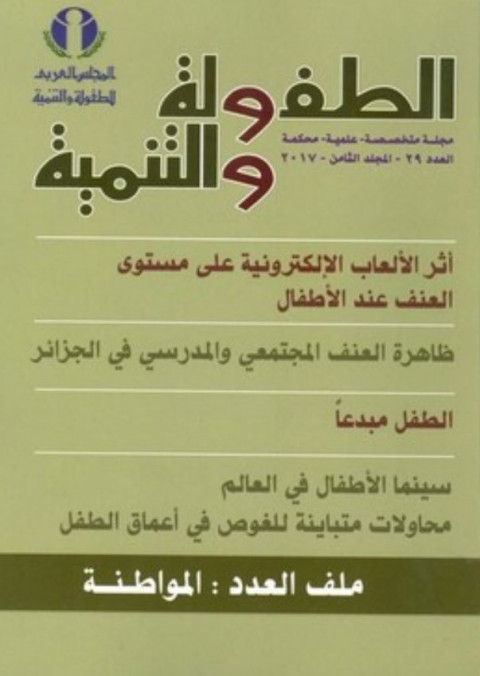 أفكار حول المواطنة العالمية ( الكوكبية ) سنة النشر: 2017 المؤلف: Nahla Abu Aliwa المؤلف المؤسسي: Arab Council for Childhood and Development (ACCD) يتناول هذا المقال المواطنة الكوكبية باعتبارها أحد الموضوعات المطروحة بقوة على الساحة العالمية. قام الباحث بإلقاء الضوء على الفرق بين المواطنة العالمية والمواطنة التقليدية. وأيضا تطرق لمفهوم التعددية الثقافية وأهميته في العالم المتنوع الثقافات. كما تم التركيز على مبادرة التربية من أجل المواطنة العالمية والتي طرحتها منظمة اليونسكو.
 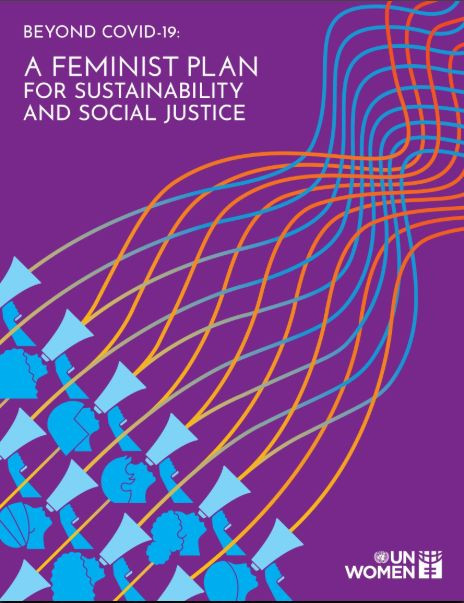 Beyond COVID-19: A Feminist Plan for Sustainability and Social Justice سنة النشر: 2021 المؤلف المؤسسي: United Nations Entity for Gender Equality and the Empowerment of Women (UN Women) As the world learns to live with COVID-19, to emerge from the current crisis, and to “build back better”, UN Women’s new Feminist Plan for Sustainability and Social Justice is a visionary but practical roadmap for putting gender equality, social justice, and sustainability at the centre of the recovery. The Feminist Plan maps the ambitious and transformative policies – on livelihoods, care, and the environment – that are needed to build a more equal and sustainable future. To get there, calls for context-specific policy pathways, tailored political strategies, and financing. The plan identifies key levers that can create change and the actors at global, national, local levels that need to take action to move towards this vision. Au-delà du COVID-19 : Un plan féministe de durabilité et de justice sociale سنة النشر: 2021 المؤلف المؤسسي: United Nations Entity for Gender Equality and the Empowerment of Women (UN Women) Alors que le monde apprend à vivre avec le COVID-19, à « reconstruire en mieux » et est mobilisé pour sortir de la crise actuelle, le nouveau « Plan féministe » d’ONU Femmes fournit une feuille de route visionnaire mais concrète visant à placer l’égalité des sexes, la justice sociale et la durabilité au centre de la relance. Le « Plan féministe » cartographie les politiques ambitieuses et transformatrices relatives aux moyens de subsistance, aux soins et à l'environnement qui sont nécessaires pour construire un avenir plus équitable et durable. Pour y parvenir, il appelle à des approches politiques spécifiques au contexte, à des stratégies politiques adaptées et à un financement. Le plan identifie les leviers clés qui peuvent créer un changement ainsi que les actrices et acteurs aux niveaux mondial, national et local qui doivent prendre des mesures pour avancer vers cette vision. Más allá del COVID-19: un plan feminista para la sostenibilidad y la justicia social سنة النشر: 2021 المؤلف المؤسسي: United Nations Entity for Gender Equality and the Empowerment of Women (UN Women) En un momento en que el mundo está aprendiendo a vivir con el COVID-19, y busca emerger de la crisis actual y “construir mejor”, el nuevo “Plan feminista” de ONU Mujeres ofrece una hoja de ruta visionaria y práctica para poner la igualdad de género, la justicia social y la sostenibilidad en el centro de la recuperación. En el “Plan feminista” se hace un recuento de las políticas ambiciosas y transformadoras en torno a los medios de vida, los cuidados y el medio ambiente que se necesitan para construir un futuro más igualitario y sostenible. Para llegar ahí, el documento hace un llamado a que se avance en políticas específicas para distintos contextos, estrategias políticas adaptadas y un financiamiento adecuado. Asimismo, se identifican los instrumentos clave que pueden generar el cambio y a los actores que necesitan entrar en acción a los niveles global, nacional y local para poder avanzar hacia esta aspiración.
 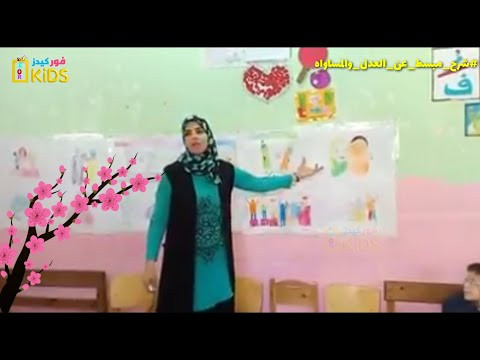 Justice and Equality سنة النشر: 2019 المؤلف المؤسسي: For kids In this video, the teacher demonstrates through a mural the values of justice and equality. The video is directed as part of the preschool education curriculum. The teacher interacted through the murals with the students to illustrate the value of justice and equality. العدل والمساواة سنة النشر: 2019 المؤلف المؤسسي: For kids في هذا الفيديو، تستعرض المعلمة من خلال لوحة جدارية قيم العدل والمساواة. الفيديو موجه كجزء من منهج تعليم الأطفال قبل المدرسة. تفاعلت فيه المعلمة من خلال الرسومات الجدارية مع الطلبة لتوضيح قيمة العدل والمساواة.
 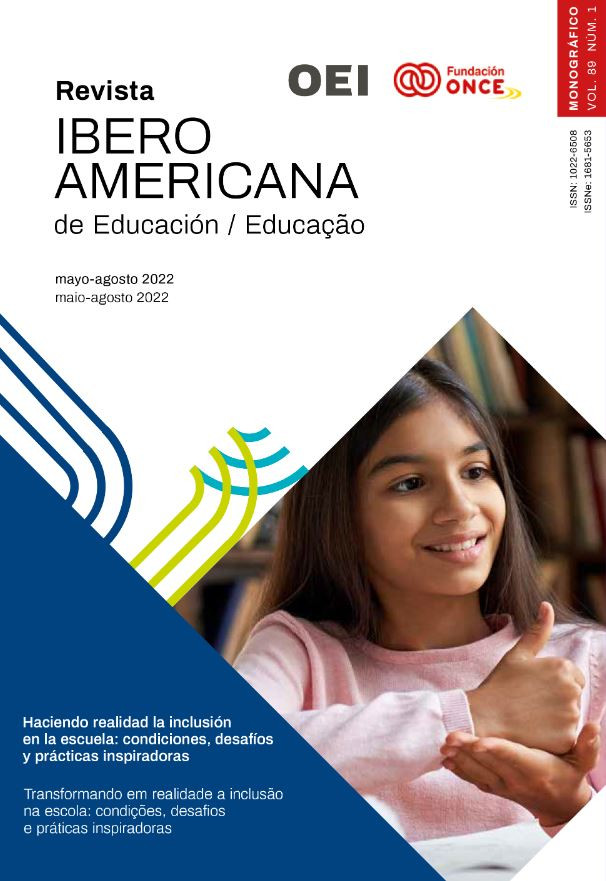 Teachers and Migrant Families: Pressing Communication (Iberoamerican Journal of Education; vol. 89, no. 1) سنة النشر: 2022 المؤلف: Mohamed Chamseddine Habib Allah المؤلف المؤسسي: Organization of Ibero-American States for Education, Science and Culture (OEI) This article presents the results of a study whose objective is to analyze the state of communication between migrant families and teachers in Early Childhood and Primary Education Centers in the Region of Murcia. Two questionnaires were chosen to develop a descriptive non-experimental quantitative research. The main results reveal that extracurricular activities are not part of the usual conversations between families and teachers. However, acceptable but improvable aspects are detected, such as delving into discipline issues, and student learning, etc. On the other hand, it is evident that the parents still do not go to visit the teachers on their own initiative to address the relevant elements of the teaching-learning process of their children. Docencia y familias migrantes: comunicación acuciante (Revista Ibero-americana de Educação; vol. 89, núm. 1) سنة النشر: 2022 المؤلف: Mohamed Chamseddine Habib Allah المؤلف المؤسسي: Organización de Estados Iberoamericanos para la Educación, la Ciencia y la Cultura (OEI) Este artículo presenta los resultados de un estudio cuyo objetivo es analizar el estado de comunicación entre las familias migrantes y los docentes en Centros Educativos de Educación Infantil y Primaria de la Región de Murcia. Se optó por dos cuestionarios homólogos para desarrollar una investigación de carácter cuantitativo no experimental de corte descriptivo. De los principales resultados se revela que las actividades extraescolares no forman parte de las conversaciones habituales entre las familias y el profesorado. Sin embargo, se detectan aspectos aceptables pero mejorables, como profundizar en los temas de disciplina, y el aprendizaje del alumnado, etc. Por otro lado, se evidencia que los progenitores siguen sin acudir a visitar a los docentes por iniciativa propia para abordar los elementos relevantes del proceso de enseñanza-aprendizaje de sus hijos e hijas.
  Recommendation on Education for Peace, Human Rights and Sustainable Development: An Implementation Guide سنة النشر: 2025 المؤلف المؤسسي: UNESCO There is no peace without education. With conflicts rising on so many fronts, there has never been a more urgent need for a transformed education geared towards building and sustaining peace.The Recommendation on Education for Peace and Human Rights, International Understanding, Cooperation, Fundamental Freedoms, Global Citizenship and Sustainable Development, adopted by all 194 Member States of UNESCO in 2023, articulates a humanistic and transformative vision of education that can help address contemporary and future affronts to peace. These challenges range from the resurgence of conflicts driven by systemic inequalities and injustices, the rise and spread of hate speech, racism and discrimination particularly online, to the adverse effects of digital technologies and the existential threat of climate change.UNESCO has developed this Guide as the first of several tools to assist Member States in unpacking and fully implementing the 2023 Recommendation. The Guide elaborates its contents, integrating the 2023 Recommendation’s transdisciplinary lens to connect key concepts and issues. It also provides concrete ideas and curated resources for action at different levels and types of education, while calling for a multi-stakeholder and whole-of-society approach that includes everyone and builds on existing positive efforts.The Guide is a timely addition to the pool of available collective resources to fully implement the 2023 Recommendation and foster an education that is transformative for a just and peaceful world.
 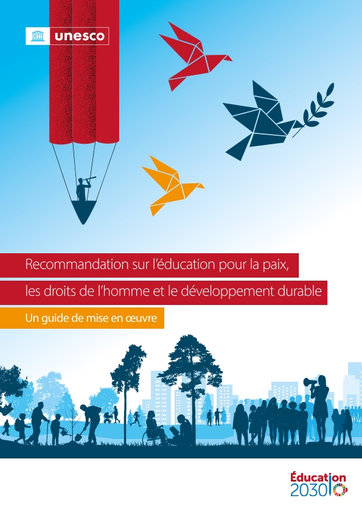 Recommandation sur l’éducation pour la paix, les droits de l’homme et le développement durable: un guide de mise en oeuvre سنة النشر: 2025 المؤلف المؤسسي: UNESCO Il n’y a pas de paix sans éducation. Face à la multiplication des conflits sur de nombreux fronts, jamais la nécessité d’une éducation transformée, orientée vers la construction et le maintien de la paix, n’a été aussi pressante. La Recommandation sur l’éducation pour la paix et les droits de l’homme, la compréhension internationale, la coopération, les libertés fondamentales, la citoyenneté mondiale et le développement durable, adoptée en 2023 par l’ensemble des 194 États membres de l’UNESCO, exprime une vision humaniste et transformatrice de l’éducation, capable de répondre aux défis actuels et futurs à la paix. Ces défis vont de la résurgence de conflits alimentés par les inégalités et injustices systémiques, à la montée et la diffusion des discours de haine, du racisme et de la discrimination – notamment en ligne – en passant par les effets négatifs des technologies numériques et la menace existentielle que constitue le changement climatique. L’UNESCO a élaboré le présent Guide comme le premier d’une série d’outils destinés à aider les États membres à comprendre et à mettre pleinement en œuvre la Recommandation de 2023. Le Guide développe son contenu, en intégrant la perspective transdisciplinaire de la Recommandation afin de relier concepts et enjeux clés. Il propose également des pistes concrètes et des ressources sélectionnées pour 2 milliards de personnes – un quart de l’humanité – vivent dans des zones touchées par des conflits l’action à différents niveaux et dans divers types d’éducation, tout en appelant à une approche multi-acteurs et à l’échelle de la société, qui inclut toutes et tous et s’appuie sur les efforts positifs déjà entrepris. Le Guide constitue une ressource collective opportune pour mettre pleinement en œuvre la Recommandation de 2023 et promouvoir une éducation véritablement transformatrice au service d’un monde plus juste et pacifique.