
الموارد
استكشف مجموعة واسعة من الموارد القيمة حول تعليم المواطنة العالمية لتعميق فهمك وتعزيز البحث والمناصرة والتعليم والتعلم.
تم العثور على 3,500 نتيجة
 一起重新构想我们的未来:为教育打造新的社会契约 سنة النشر: 2021 المؤلف المؤسسي: International Commission on the Futures of Education | 联合国教科文组织 (UNESCO) 我们人类和地球正遭受着威胁。新冠肺炎疫情只不过证明了我 们的脆弱性和相互关联性。我们现在需要采取紧急行动,一起改变 方向,重新构想我们的未来。“教育的未来”国际委员会的这份报 告认可教育可以带来深刻变革。我们目前面临着双重挑战,即兑现 尚未实现的承诺,确保每位儿童、青少年和成年人都有权接受优质 教育,以及把教育当作我们通往可持续共同未来的路径, 充分实现其变革潜力。为了做到这一点,我们需要一 份能够在改变未来的同时, 修复现有不公正的新的教育社会契约。这一新的社会契约必须以人权为依据, 以 非歧视性、 社会正义、 尊重生命、 人的尊严和 文化多样性等原则为基础。 它必须包含关怀、 互惠和团结的伦理。 它必须加强教育作为公共事 业、 共同利益的地位。这份报告建立在历时两年、约100万人参与的全球协商过程的基 础之上,它邀请世界各地政府、机构、组织和公民为教育订立一份 新的社会契约,帮助我们为所有人创造和平、公正和可持续的未来。这份报告所提出的愿景、原则和建议只是一个起点。对其进行 解读和本土化实践,是我们需要共同努力完成的事业。目前的工作 中已经存在许多亮点,本报告试图捕捉这些亮点,同时也以其为基 础进行构建。本报告既不是一部指南,也不是一幅蓝图,而是一场 至关重要的对话的起点。
  [ملخص] وضع تصورات جديدة لمستقبلنا معاً: عقد اجتماعي جديد للتربية والتعليم سنة النشر: 2021 المؤلف المؤسسي: International Commission on the Futures of Education | منظمة الأمم المتحدة للتربية والعلم والثقافة (UNESCO) إن إنسان ّيتُنا وكوكبُنا الأرض في خطر. مما يستدعي حاجة ما ّسة إلى وضع إجراءات عاجلة، لتُتخذ معاً، من أجل تغيير المسار وإعادة تخيل مستقبلنا. وأضحى للتعليم، الذي لطالما أُ ِقر بدوره كقو ًة ُّ ّفاعل ًة لإحداث تغيير إيجابي، مه ّم ًة جديد ًة وعاجلة وها ّمة يتع ّين عليه النهوض بها. وبنا ًء على عملية تشاور عالمية شارك فيها حوالي مليون شخص، يدعو هذا التقرير الصادر عن اللجنة الدولية المعنية بمستقبل التربية والتعليم الحكومات والمؤسسات والمنظمات والمواطنين في جميع أنحاء العالم إلى ً صياغة عقد اجتماعي جديد للتعليم يساعدنا على بناء مستقبل ي ّتسم بال ِّسلم والعدالة والاستدامة معا ومن أجل الجميع. يلقي التقرير نظر ًة متعمق ًة على التكنولوجيات الرقمية، وتغير المناخ، والتدهور الديمقراطي، ُ ّ ُّ والاستقطاب المجتمعي، وحالة عدم اليقين التي تكتنف مستقبل فرص العمل. ولا يتوَّ ّخى التقرير مج ّرد فتح باب الحوار ّحول اًلتعليم للجميع وتحفيز الأفكار ذات الصلة، وإنما يح ُّث كل واحد م ّنا على العمل. ويرى التقرير أنه، أولا وقبل كل شيء، يمكننا من خلال الملايين من الأعمال الفردية والجماعية التي ت ّتسمّبالشجاعة والقيادة والمقاومة والإبداع والرعاية تغيير المسار وإحداث تح ّول جذري في التعليم يمكننا من بناء مستقبل عادل و ُمنصف ومستدام. [Summary] Reimagining Our Futures Together: A New Social Contract for Education سنة النشر: 2021 المؤلف المؤسسي: International Commission on the Futures of Education | UNESCO Our humanity and planet Earth are under threat. Urgent action, taken together, is needed to change course and reimagine our futures. Education, long acknowledged as a powerful force for positive change, has new, urgent and important work to do. Informed by a global consultation process engaging about one million people, this report of the International Commission on the Futures of Education invites governments, institutions, organizations, and citizens around the world to forge a new social contract for education that will help us build peaceful, just, and sustainable futures together and for all.The report features in-depth looks at digital technologies, climate change, democratic slippage and societal polarization and the uncertain future of work. It aims not only to open the conversation about education to everyone and provoke thought, but to spur each of us on to action. It argues, above all, that it is through millions of individual and collective acts of courage, leadership, resistance, creativity and care that we will change course and transform education to build just, equitable and sustainable futures. [Resumen] Reimaginar juntos nuestros futuros: Un nuevo contrato social para la educación سنة النشر: 2021 المؤلف المؤسسي: International Commission on the Futures of Education | UNESCO La humanidad y el planeta Tierra se encuentran en peligro. Tenemos que adoptar medidas consensuadas de forma urgente para cambiar de rumbo y replantearnos nuestros futuros. En el plano educativo, que desde antaño se reconoce como un importante motor que propicia cambios positivos, se nos plantean desafíos nuevos, urgentes e importantes. Este informe de la Comisión Internacional sobre Los futuros de la educación, que se ha nutrido de un proceso mundial de consultas en el que han participado aproximadamente 1 millón de personas, insta a los gobiernos, las instituciones, las organizaciones y los ciudadanos de todo el mundo a preparar un nuevo contrato social en materia educativa que nos permita colaborar con el objetivo de forjar futuros pacíficos, justos y sostenibles para todas las personas. En el informe se abordan de forma detallada las tecnologías digitales, el cambio climático, el retroceso democrático y la polarización social, y el incierto futuro de la esfera laboral. Mediante este documento, no solo se pretende contribuir a que todas las personas participen en la conversación sobre la educación y promover la reflexión, sino también instar a todos los individuos a actuar. Según la tesis fundamental del informe, a través de millones de actos individuales y colectivos caracterizados por su valentía, liderazgo, resistencia, creatividad y atención, cambiaremos de rumbo y transformaremos el ámbito educativo a fin de forjar futuros justos, equitativos y sostenibles.
 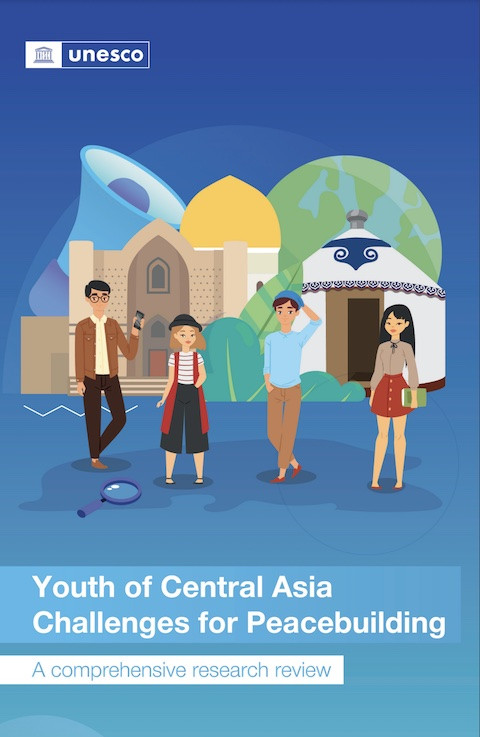 Youth of Central Asia, Challenges for Peacebuilding: A Comprehensive Research Review سنة النشر: 2021 المؤلف: Laura Yerekesheva المؤلف المؤسسي: UNESCO The estimations are that by 2030, the world will be home to 1.3 billion young people. This speaks about the importance of the youth for development in various parts of the globe, particularly in developing countries which constitute 90% of the global youth population. From comprehensive holistic perspective peace, peacebuilding and dialogue embrace all aspects and dimensions of life – inter-generational, social, economic, political, ethnic, religious, civic, ideological, cultural, and natural. The youth related issues are directly linked with the SDGs agenda. Central Asian states are also on the list of developing countries, with an increasing demographic share of the youth in the general population, meaning that the countries of the region are “young.” As of 2020, the total population of the four countries of Central Asia (Kazakhstan, Kyrgyzstan, Tajikistan and Uzbekistan) was 68.46 million, of which youth comprised 16.55 million or 24,1%. What Challenges for Peacebuilding the Youth of Central Asia Face? This highlights the urgency required for elaborating and implementing special policies on youth development. For Central Asia, the peace and peacebuilding agenda is the development agenda, and vice versa, as neither is possible without the other, and these in turn are intrinsically linked with youth-related issues. This report provides a detailed overview of the existing challenges to the youth of the 4 countries of the region – Kazakhstan, Kyrgyzstan Tajikistan, Uzbekistan – structured around three main themes of peacebuilding: (1) an education and learning environment; (2) economic and social participation; and (3) civic engagement. Governments, international organizations, professionals and policymakers in the youth, peacebuilding and development sectors, academia and NGOs are invited to join forces to accelerate the achievement of youth development for a more just, sustainable and peaceful future. Молодежь Центральной Азии, Вызовы миростроительству : Комплексный исследовательский обзор سنة النشر: 2021 المؤلف: Laura Yerekesheva المؤلف المؤسسي: Организация Объединенных Наций по вопросам образования, науки и культуры (UNESCO) По оценкам, к 2030 году в мире будут проживать 1,3 миллиарда молодых людей. Это говорит о важной роли, которую будет играть молодежь, особенно в развивающихся странах, в которых проживает 90% общего мирового населения молодежи. В рамках всеобъемлющего системного подхода, мир, миростроительство и диалог подразумевают все аспекты и измерения жизни - межпоколенческие, социальные, экономические, политические, этнические, религиозные, гражданские, идеологические, культурные и природные. Вопросы, связанные с молодежью, напрямую связаны с повесткой в области достижения Целей устойчивого развития (ЦУР). Государства Центральной Азии относятся к развивающимся странам с высокой долей молодежи в общем составе населения, что делает эти страны «молодыми». По состоянию на 2020 год общая численность населения четырех стран Централь ной Азии (Казахстана, Кыргызстана, Таджикистана и Узбекистана) - 68,46 миллиона человек, из которых молодежь составляла 16,55 миллиона человек или 24,1%.Это свидетельствует о важности разработки и реализации специальных стратегий и мер по развитию молодежи. Для Центральной Азии повестка дня в области мира и миростроительства – это, прежде всего, повестка дня в области развития, и наоборот, поскольку обе они взаимосвязаны между собой, а также с проблемами молодежи.В данном отчете представлен подробный обзор существующих вызовов, с которыми сталкивается молодежь четырех стран региона - Казахстана, Кыргызстана, Таджикистана, Узбекистана. Данные вызовы структурированы вокруг трех основных тем миростроительства: (1) образование и обучающая среда; (2) экономическое и социальное участие; и (3) гражданское участие.Правительствам, международным организациям, специалистам и политикам, работающим в сферах молодежи, миростроительства и развития, академическим кругам и неправительственным организациям предлагается объединить усилия для ускорения достижения целей развития молодежи для более справедливого, устойчивого и мирного будущего.
 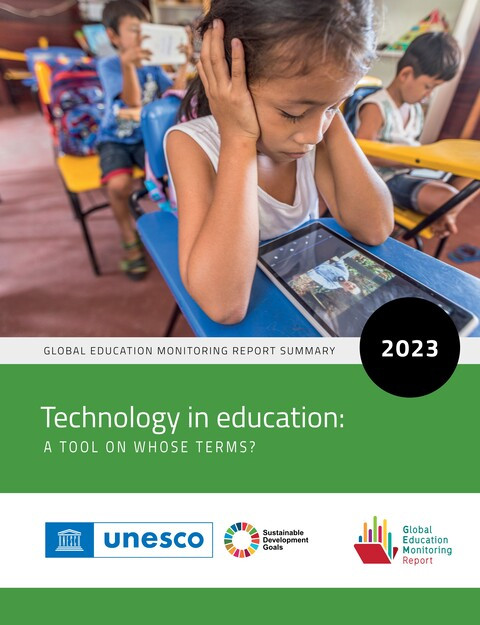 [ملخص] ملخص التقرير العالمي لرصد التعليم 2023: التكنولوجيا في التعليم؛ أداة بشروط من؟ سنة النشر: 2023 المؤلف المؤسسي: UNESCO | Global Education Monitoring Report Team دور التكنولوجیا في التعلیم قد أثار جدلاً شدیداً لفترة طویلة. ھل تدیمقراطیة المعرفة أو تھدد ً الدیمقراطیة من خلال السماح للقلة بالسیطرة على المعلومات؟ ھل توفر فرصا لا حدود لھا أم تقود إلى مستقبل یعتمد على التكنولوجیا دون رجوع؟ ھل تعمل على مستوى المیدان أم تزید من التفاوت؟ ھل یجب استخدامھا في تعلیم ا ً لأطفال الصغار أم أن ھناك خطرا على تطورھم؟ تم تأجیج ھذا الجدل بسبب إغلاق المدارس بسبب جائحة كوفید-19 وظھور الذكاء الاصطناعي الذي یولد ذاتیًا . ولكن نظرا لأن المطورین غالبًا ما یتقدمون على صانعي القرار بخطوة، فإن البحث في تكنولوجیا التعلیم معقد. تكاد الأدلة القویة والمحایدة تكون نادرة. ھل المجتمعات تطرح حتى الأسئلة الصحیحة حول التعلیم قبل أن تلجأ إلى التكنولوجیا كحلاً؟ ھل تدرك المخاطر المرتبطة بھا بینما تسعى إلى استثمار فوائدھا ؟ للتكنولوجیا وسائل كبیرة لدعم العدالة والشمول من حیث الوصول إلى المتعلمین المحرومین ونشر المزید من المعرفة بتنسیقات جذابة وبأسعار معقولة. في سیاقات معینة ولبعض أنواع التعلم، یمكن ً لرقمیة جزءا من أن تحسن جودة التدریس وتعلم المھارات الأساسیة. بلا شك، أصبحت المھارات ا حزمة المھارات الأساسیة. یمكن للتكنولوجیا ا ً لرقمیة أیضا دعم الإدارة وزیادة الكفاءة عن طریق مساعدة في التعامل مع أحجام أكبر من بیانات التعلی م ولكن قد تستبعد التكنولوجیا أیضا وقد تكون غیر ذات صلة وعبئاً، إن لم تكن ضارة على الإطلاق. یحتاج الحكومات إلى ضمان الشروط المناسبة لتمكین الوصول العادل للتعلیم للجمیع، وتنظیم استخدام التكنولوجیا لحمایة المتعلمین من تأثیراتھا السلبیة، وتأھیل المعلمی ن. یوصي ھذا التقریر بأن تُ ً قدم التكنولوجیا في التعلیم استنادا إلى الأدلة التي تظھر أنھا ستكون مناسبة وعادلة وقابلة للتوسیع ومستدامة. بعبارة أخرى، یجب أن یكون استخدامھا في مصلحة المتعلمین وأن تكمل التفاعل الشخصي مع المعلمین. یجب أن تُعتبر أداة للاستخدام على ھذه الش روط. في منتصف المدة نحو الموعد النھائي، یقیّم تقریر المراقبة العالمي للتعلیم لعام 2023 المسافة التي لا یزال علیھا أن تقطع للوصول إلى أھداف التعلیم لعام 2030 .التعلیم ھو المفتاح لتحقیق أھداف التنمیة الأخرى، ولا سیما ھدف التقدم التكنولوجي. [Summary] Global Education Monitoring Report Summary 2023: Technology in Education; A Tool on whose Terms? سنة النشر: 2023 المؤلف المؤسسي: UNESCO | Global Education Monitoring Report Team Technology’s role in education has been sparking intense debate for a long time. Does it democratize knowledge or threaten democracy by allowing a select few to control information? Does it offer boundless opportunities or lead towards a technology-dependent future with no return? Does it level the playing field or exacerbate inequality? Should it be used in teaching young children or is there a risk to their development? The debate has been fuelled by the COVID-19 school closures and the emergence of generative artificial intelligence. But as developers are often a step ahead of decision makers, research on education technology is complex. Robust, impartial evidence is scarce. Are societies even asking the right questions about education before turning to technology as a solution? Are they recognizing its risks as they seek out its benefits? Information and communication technology has potential to support equity and inclusion in terms of reaching disadvantaged learners and diffusing more knowledge in engaging and affordable formats. In certain contexts, and for some types of learning, it can improve the quality of teaching and learning basic skills. In any case, digital skills have become part of a basic skills package. Digital technology can also support management and increase efficiency, helping handle bigger volumes of education data. But technology can also exclude and be irrelevant and burdensome, if not outright harmful. Governments need to ensure the right conditions to enable equitable access to education for all, to regulate technology use so as to protect learners from its negative influences, and to prepare teachers. This report recommends that technology should be introduced into education on the basis of evidence showing that it would be appropriate, equitable, scalable and sustainable. In other words, its use should be in learners’ best interests and should complement face-to-face interaction with teachers. It should be seen as a tool to be used on these terms. Midway to the deadline, the 2023 Global Education Monitoring Report assesses the distance still to go to reach the 2030 education targets. Education is the key to unlocking the achievement of other development objectives, not least the goal of technological progress. [Resumen] Resumen del informe de seguimiento de la educación en el mundo 2023: tecnología en la educación; ¿una herramienta en los términos de quién? سنة النشر: 2023 المؤلف المؤسسي: UNESCO | Global Education Monitoring Report Team El papel de la tecnología en la educación lleva mucho tiempo suscitando intensos debates. ¿Democratiza el conocimiento o amenaza la democracia al permitir que unos pocos controlen la información? ¿Ofrece oportunidades ilimitadas o conduce a un futuro tecnodependiente sin retorno? ¿Nivela las desigualdades?¿Debe utilizarse en la enseñanza de niños pequeños o supone un riesgo para su desarrollo? El debate ha sido alimentado por el cierre de las escuelas debido al COVID-19 y la aparición de la inteligencia artificial generativa. Pero como los desarrolladores suelen ir un paso por delante de los responsables de la toma de decisiones, la investigación sobre tecnología educativa es compleja. Las pruebas sólidas e imparciales son escasas. ¿Se plantean las sociedades las preguntas adecuadas sobre la educación antes de recurrir a la tecnología como solución? ¿Reconocen sus riesgos mientras buscan sus beneficios? Las tecnologías de la información y la comunicación pueden contribuir a la equidad y la inclusión para llegar a los alumnos desfavorecidos y difundir más conocimientos en formatos atractivos y asequibles. En determinados contextos y para algunos tipos de aprendizaje, puede mejorar la calidad de la enseñanza y el aprendizaje de las competencias básicas. En cualquier caso, las competencias digitales se han convertido parte de un paquete de habilidades básicas. La tecnología digital también puede respaldar la gestión y aumentar la eficiencia, ayudando a manejar volúmenes más grandes de datos educativos. Pero la tecnología también puede excluir y ser irrelevante y onerosa, cuando no directamente perjudicial. Los gobiernos deben garantizar las condiciones adecuadas para permitir un acceso equitativo a la educación para todos, regular el uso de la tecnología para proteger a los alumnos de sus influencias negativas y preparar a los profesores. Este informe recomienda que la tecnología se introduzca en la educación sobre la base de pruebas que demuestren que sería apropiada, equitativa, escalable y sostenible. En otras palabras, su uso debe estar en el mejor interés de los estudiantes y debe complementar la interacción cara a cara con los profesores. Debe verse como una herramienta a utilizar en estos términos. A medio camino de la fecha límite, el Informe de seguimiento de la educación en el mundo 2023 evalúa la distancia que queda por recorrer para alcanzar los objetivos educativos de 2030. La educación es la clave para alcanzar otros objetivos de desarrollo, entre ellos el del progreso tecnológico. [Résumé] Résumé du rapport mondial de suivi sur l’éducation 2023 : les technologies dans l’éducation; qui est aux commandes? سنة النشر: 2023 المؤلف المؤسسي: UNESCO | Global Education Monitoring Report Team Le rôle de la technologie dans l’éducation suscite depuis longtemps un débat intense. Est-ce qu’elle démocratise le savoir ou menace la démocratie en permettant à quelques-uns de contrôler l’information? Offre-t-elle des opportunités sans limite ou mène-t-elle vers un avenir dépendant de la technologie sans retour en arrière possible ? Est-ce qu’elle égalise les chances ou aggrave les inégalités? Devrait-elle être utilisée pour enseigner aux jeunes enfants ou présente-t-elle des risques pour leur développement? Ce débat a été alimenté par les fermetures d’écoles dues à la COVID-19 et l’émergence de l’intelligence artificielle générative. Mais comme les développeurs sont souvent en avance sur les décideurs, la recherche sur la technologie éducative est complexe. Les preuves solides et impartiales sont rares. Les sociétés posent-elles même les bonnes questions sur l’éducation avant de se tourner vers la technologie comme solution? Reconnaissent-elles ses risques tout en cherchant ses avantages? Les technologies de l’information et de la communication ont le potentiel de favoriser l’équité et l’inclusion en permettant d’atteindre les apprenants défavorisés et de diffuser plus de connaissances dans des formats attrayants et abordables. Dans certains contextes et pour certains types d’apprentissage, elles peuvent améliorer la qualité de l’enseignement et l’apprentissage des compétences de base. De toute évidence, les compétences numériques font désormais partie des compétences de base. La technologie numérique peut également soutenir la gestion et accroître l’efficacité en aidant à traiter de plus grands volumes de données éducatives. Mais la technologie peut également exclure, être inappropriée et pesante, voire carrément nuisible. Les gouvernements doivent veiller à créer les bonnes conditions pour assurer un accès équitable à l’éducation pour tous, réguler l’utilisation de la technologie afin de protéger les apprenants de ses influences négatives, et former les enseignants. Ce rapport recommande que la technologie soit introduite dans l’éducation sur la base de preuves montrant qu’elle serait appropriée, équitable, évolutive et durable. En d’autres termes, son utilisation devrait être dans l’intérêt des apprenants et compléter l’interaction en face-à-face avec les enseignants. Elle devrait être considérée comme un outil à utiliser dans ces conditions. À mi-parcours de l’échéance, le Rapport mondial de suivi sur l'éducation 2023 évalue la distance qu’il reste à parcourir pour atteindre les objectifs éducatifs de 2030. L’éducation est la clé pour débloquer la réalisation d’autres objectifs de développement, notamment le progrès technologique.