
الموارد
استكشف مجموعة واسعة من الموارد القيمة حول تعليم المواطنة العالمية لتعميق فهمك وتعزيز البحث والمناصرة والتعليم والتعلم.
تم العثور على 2,771 نتيجة
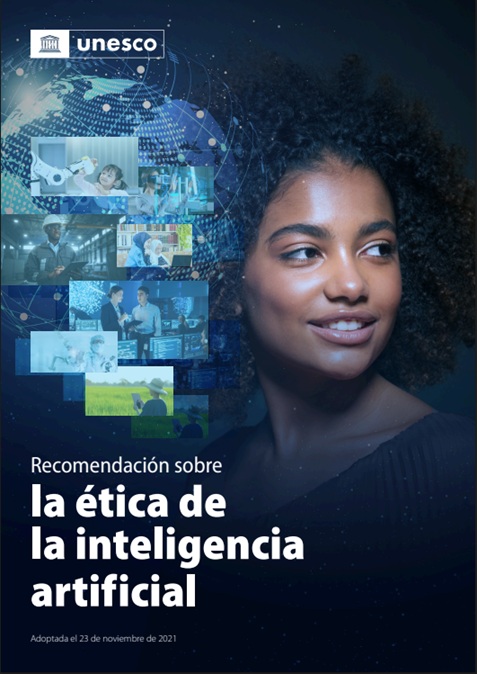 Recomendación sobre la ética de la inteligencia artificial سنة النشر: 2022 المؤلف المؤسسي: UNESCO La presente Recomendación trata de las cuestiones éticas relacionadas con el ámbito de la inteligencia artificial en la medida en que competen al mandato de la UNESCO. Aborda la ética de la IA como una reflexión normativa sistemática, basada en un marco integral, global, multicultural y evolutivo de valores, principios y acciones interdependientes, que puede guiar a las sociedades a la hora de afrontar de manera responsable los efectos conocidos y desconocidos de las tecnologías de la IA en los seres humanos, las sociedades y el medio ambiente y los ecosistemas, y les ofrece una base para aceptar o rechazar las tecnologías de la IA. Considera la ética como una base dinámica para la evaluación y la orientación normativas de las tecnologías de la IA, tomando como referencia la dignidad humana, el bienestar y la prevención de daños y apoyándose en la ética de la ciencia y la tecnología.
  Recommandation sur l’éthique de l’intelligence artificielle سنة النشر: 2022 المؤلف المؤسسي: UNESCO La présente Recommandation traite des questions éthiques soulevées dans le domaine de l’intelligence artificielle, dans la mesure où celles-ci relèvent du mandat de l’UNESCO. Elle aborde l’éthique de l’IA en tant que réflexion normative systématique, basée sur un cadre global, détaillé, multiculturel et évolutif de valeurs, de principes et d’actions interdépendants de nature à orienter les sociétés pour qu’elles apportent des réponses responsables aux conséquences connues et inconnues des impacts des technologies de l’IA sur les êtres humains, les sociétés, l’environnement et les écosystèmes, et leur offre une base pour accepter ou rejeter les technologies de l’IA. Elle considère l’éthique comme une base dynamique pour l’évaluation et l’orientation normatives des technologies de l’IA, en faisant de la dignité humaine, du bien-être et de la prévention des dommages des repères et en s’appuyant sur l’éthique des sciences et des technologies.
  人工智能伦理问题建议书 سنة النشر: 2022 المؤلف المؤسسي: UNESCO 本建议书述及与人工智能领域有关且属于教科文组织职责范围之内的伦理问题。建议书以能指导社会负责任地应对人工智能技术对人类、社会、环境和生态系统产生的已知和未知影响并相互依存的价值观、原则和行动构成的不断发展的整体、全面和多元文化框架为基础,将人工智能伦理作为一种系统性规范考量,并为社会接受或拒绝人工智能技术提供依据。建议书将伦理视为对人工智能技术进行规范性评估和指导的动态基础,以人的尊严、福祉和防止损害为导向,并立足于科技伦理。
 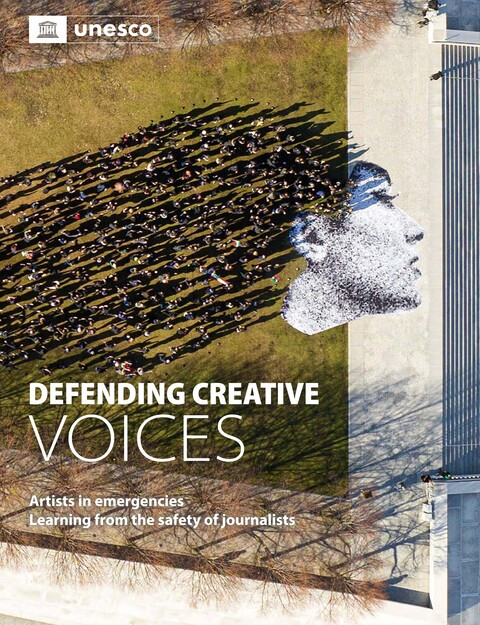 Défendre les voix créatives: artistes en situation d'urgence, apprendre de la sécurité des journalistes سنة النشر: 2023 المؤلف: Rosario Soraide المؤلف المؤسسي: UNESCO Les artistes et les professionnels de la culture se heurtent souvent à des obstacles importants à leur liberté d'expression, comme la violence et le harcèlement, en ligne et hors ligne, la persécution juridique, la détention, l'emprisonnement et, dans le pire des cas, l'assassinat. Les situations d'urgence peuvent engendrer des risques supplémentaires pour ces groupes, car nombre d'entre eux sont de plus en plus ciblés en raison de la visibilité de leur travail et voient leurs moyens de subsistance affectés par la perte de revenus et la hausse du chômage dans le secteur culturel. Alors que les attaques et les menaces auxquelles sont confrontés les artistes et les professionnels de la culture dans les situations d'urgence sont similaires à celles qui touchent les journalistes, ils ne bénéficient pas du même niveau d'attention ni du même accès aux mécanismes de protection et aux aides disponibles. Au cours des dernières décennies, un cadre solide a été mis en place pour promouvoir la sécurité des journalistes aux niveaux international, régional et national, notamment via des instruments juridiques et réglementaires, des mécanismes de protection, des réseaux de soutien et une mobilisation collective constante en faveur de leurs droits. Malgré une prise de conscience croissante de la vulnérabilité des artistes et des professionnels de la culture dans les situations d'urgence et un développement des initiatives visant à sauvegarder leurs droits et garantir leur sécurité, les progrès à cet égard restent comparativement beaucoup plus embryonnaires. Avec le soutien des Secteurs de la Culture, et de la Communication et de l’Information de l'UNESCO, et sur la base d'une analyse comparative, cette étude vise à renforcer la protection des artistes et des professionnels de la culture dans les situations d'urgence en tirant les leçons de l'expérience, des défis et des résultats obtenus dans le domaine de la sécurité des journalistes. Elle élabore des recommandations réalisables et définit les domaines dans lesquels la collaboration entre les principaux acteurs promouvant, respectivement, la liberté artistique et la liberté des médias pourrait servir à renforcer la protection des artistes et des journalistes en danger.
 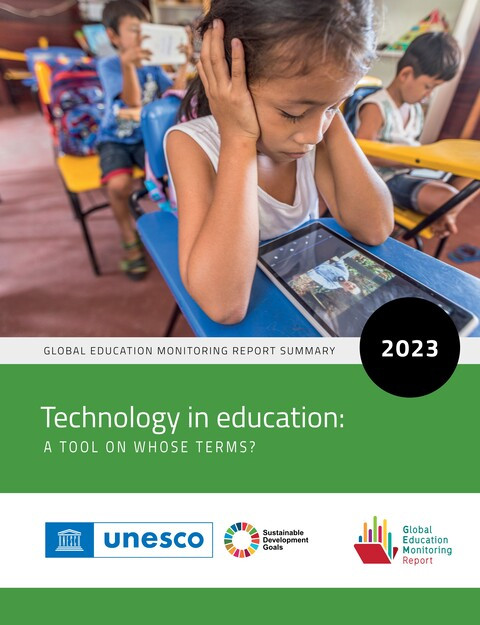 [ملخص] ملخص التقرير العالمي لرصد التعليم 2023: التكنولوجيا في التعليم؛ أداة بشروط من؟ سنة النشر: 2023 المؤلف المؤسسي: UNESCO | Global Education Monitoring Report Team دور التكنولوجیا في التعلیم قد أثار جدلاً شدیداً لفترة طویلة. ھل تدیمقراطیة المعرفة أو تھدد ً الدیمقراطیة من خلال السماح للقلة بالسیطرة على المعلومات؟ ھل توفر فرصا لا حدود لھا أم تقود إلى مستقبل یعتمد على التكنولوجیا دون رجوع؟ ھل تعمل على مستوى المیدان أم تزید من التفاوت؟ ھل یجب استخدامھا في تعلیم ا ً لأطفال الصغار أم أن ھناك خطرا على تطورھم؟ تم تأجیج ھذا الجدل بسبب إغلاق المدارس بسبب جائحة كوفید-19 وظھور الذكاء الاصطناعي الذي یولد ذاتیًا . ولكن نظرا لأن المطورین غالبًا ما یتقدمون على صانعي القرار بخطوة، فإن البحث في تكنولوجیا التعلیم معقد. تكاد الأدلة القویة والمحایدة تكون نادرة. ھل المجتمعات تطرح حتى الأسئلة الصحیحة حول التعلیم قبل أن تلجأ إلى التكنولوجیا كحلاً؟ ھل تدرك المخاطر المرتبطة بھا بینما تسعى إلى استثمار فوائدھا ؟ للتكنولوجیا وسائل كبیرة لدعم العدالة والشمول من حیث الوصول إلى المتعلمین المحرومین ونشر المزید من المعرفة بتنسیقات جذابة وبأسعار معقولة. في سیاقات معینة ولبعض أنواع التعلم، یمكن ً لرقمیة جزءا من أن تحسن جودة التدریس وتعلم المھارات الأساسیة. بلا شك، أصبحت المھارات ا حزمة المھارات الأساسیة. یمكن للتكنولوجیا ا ً لرقمیة أیضا دعم الإدارة وزیادة الكفاءة عن طریق مساعدة في التعامل مع أحجام أكبر من بیانات التعلی م ولكن قد تستبعد التكنولوجیا أیضا وقد تكون غیر ذات صلة وعبئاً، إن لم تكن ضارة على الإطلاق. یحتاج الحكومات إلى ضمان الشروط المناسبة لتمكین الوصول العادل للتعلیم للجمیع، وتنظیم استخدام التكنولوجیا لحمایة المتعلمین من تأثیراتھا السلبیة، وتأھیل المعلمی ن. یوصي ھذا التقریر بأن تُ ً قدم التكنولوجیا في التعلیم استنادا إلى الأدلة التي تظھر أنھا ستكون مناسبة وعادلة وقابلة للتوسیع ومستدامة. بعبارة أخرى، یجب أن یكون استخدامھا في مصلحة المتعلمین وأن تكمل التفاعل الشخصي مع المعلمین. یجب أن تُعتبر أداة للاستخدام على ھذه الش روط. في منتصف المدة نحو الموعد النھائي، یقیّم تقریر المراقبة العالمي للتعلیم لعام 2023 المسافة التي لا یزال علیھا أن تقطع للوصول إلى أھداف التعلیم لعام 2030 .التعلیم ھو المفتاح لتحقیق أھداف التنمیة الأخرى، ولا سیما ھدف التقدم التكنولوجي. [Summary] Global Education Monitoring Report Summary 2023: Technology in Education; A Tool on whose Terms? سنة النشر: 2023 المؤلف المؤسسي: UNESCO | Global Education Monitoring Report Team Technology’s role in education has been sparking intense debate for a long time. Does it democratize knowledge or threaten democracy by allowing a select few to control information? Does it offer boundless opportunities or lead towards a technology-dependent future with no return? Does it level the playing field or exacerbate inequality? Should it be used in teaching young children or is there a risk to their development? The debate has been fuelled by the COVID-19 school closures and the emergence of generative artificial intelligence. But as developers are often a step ahead of decision makers, research on education technology is complex. Robust, impartial evidence is scarce. Are societies even asking the right questions about education before turning to technology as a solution? Are they recognizing its risks as they seek out its benefits? Information and communication technology has potential to support equity and inclusion in terms of reaching disadvantaged learners and diffusing more knowledge in engaging and affordable formats. In certain contexts, and for some types of learning, it can improve the quality of teaching and learning basic skills. In any case, digital skills have become part of a basic skills package. Digital technology can also support management and increase efficiency, helping handle bigger volumes of education data. But technology can also exclude and be irrelevant and burdensome, if not outright harmful. Governments need to ensure the right conditions to enable equitable access to education for all, to regulate technology use so as to protect learners from its negative influences, and to prepare teachers. This report recommends that technology should be introduced into education on the basis of evidence showing that it would be appropriate, equitable, scalable and sustainable. In other words, its use should be in learners’ best interests and should complement face-to-face interaction with teachers. It should be seen as a tool to be used on these terms. Midway to the deadline, the 2023 Global Education Monitoring Report assesses the distance still to go to reach the 2030 education targets. Education is the key to unlocking the achievement of other development objectives, not least the goal of technological progress. [Resumen] Resumen del informe de seguimiento de la educación en el mundo 2023: tecnología en la educación; ¿una herramienta en los términos de quién? سنة النشر: 2023 المؤلف المؤسسي: UNESCO | Global Education Monitoring Report Team El papel de la tecnología en la educación lleva mucho tiempo suscitando intensos debates. ¿Democratiza el conocimiento o amenaza la democracia al permitir que unos pocos controlen la información? ¿Ofrece oportunidades ilimitadas o conduce a un futuro tecnodependiente sin retorno? ¿Nivela las desigualdades?¿Debe utilizarse en la enseñanza de niños pequeños o supone un riesgo para su desarrollo? El debate ha sido alimentado por el cierre de las escuelas debido al COVID-19 y la aparición de la inteligencia artificial generativa. Pero como los desarrolladores suelen ir un paso por delante de los responsables de la toma de decisiones, la investigación sobre tecnología educativa es compleja. Las pruebas sólidas e imparciales son escasas. ¿Se plantean las sociedades las preguntas adecuadas sobre la educación antes de recurrir a la tecnología como solución? ¿Reconocen sus riesgos mientras buscan sus beneficios? Las tecnologías de la información y la comunicación pueden contribuir a la equidad y la inclusión para llegar a los alumnos desfavorecidos y difundir más conocimientos en formatos atractivos y asequibles. En determinados contextos y para algunos tipos de aprendizaje, puede mejorar la calidad de la enseñanza y el aprendizaje de las competencias básicas. En cualquier caso, las competencias digitales se han convertido parte de un paquete de habilidades básicas. La tecnología digital también puede respaldar la gestión y aumentar la eficiencia, ayudando a manejar volúmenes más grandes de datos educativos. Pero la tecnología también puede excluir y ser irrelevante y onerosa, cuando no directamente perjudicial. Los gobiernos deben garantizar las condiciones adecuadas para permitir un acceso equitativo a la educación para todos, regular el uso de la tecnología para proteger a los alumnos de sus influencias negativas y preparar a los profesores. Este informe recomienda que la tecnología se introduzca en la educación sobre la base de pruebas que demuestren que sería apropiada, equitativa, escalable y sostenible. En otras palabras, su uso debe estar en el mejor interés de los estudiantes y debe complementar la interacción cara a cara con los profesores. Debe verse como una herramienta a utilizar en estos términos. A medio camino de la fecha límite, el Informe de seguimiento de la educación en el mundo 2023 evalúa la distancia que queda por recorrer para alcanzar los objetivos educativos de 2030. La educación es la clave para alcanzar otros objetivos de desarrollo, entre ellos el del progreso tecnológico.
  Greening Curriculum Guidance: Teaching and Learning for Climate Action سنة النشر: 2024 المؤلف المؤسسي: UNESCO This Guidance responds to the calls from young people for a holistic approach to climate change and sustainability in the curriculum. It outlines a common language on how quality climate change and sustainability can be reflected in the curriculum by setting expected learning outcomes per age group (from 5-year olds and up to 18+ age group, including a lifelong learning approach).This is crucial for accelerating country-level action and ensuring joint monitoring of progress. The objective is to have 90 per cent of all countries include climate change in their curricula by 2030, as established by the Greening Education Partnership.This Guidance aims to support countries, schools or individual practitioners in reassessing their ongoing practices to adopt a more action-oriented, holistic, scientifically accurate, justice-driven and lifelong learning approach to climate change.
  Guía para hacer verdes los currículos: enseñanza y aprendizaje para la acción climática سنة النشر: 2025 المؤلف المؤسسي: UNESCO Hacer verdes los currículos con el fin de preparar a todos los estudiantes para el cambio climático. La educación es una herramienta poderosa para transformar el mundo e impulsar la acción contra el cambio climático a largo plazo.Esta guía responde a los llamados de las juventudes en favor de un enfoque holístico del cambio climático y la sostenibilidad en los planes de estudio. Define un lenguaje en común sobre cómo debe reflejarse con calidad el cambio climático y la sostenibilidad en los planes de estudio, mediante el establecimiento de los resultados de aprendizaje esperados por grupo etario (grupos de 5 años hasta mayores de 18 años, incluyendo un enfoque de aprendizaje a lo largo de toda la vida).Esto es crucial para acelerar la acción a nivel de los países y garantizar el seguimiento conjunto de los progresos. La meta es lograr que el 90 por ciento de todos los países incluyan el cambio climático en sus planes de estudio para el año 2030, según lo establecido por la Alianza para una Educación Verde.Esta guía tiene el propósito de apoyar a países, escuelas y profesionales en la revisión de las prácticas que tienen en marcha para adoptar un enfoque del cambio climático más orientado a la acción, holístico, científicamente preciso, impulsado por la justicia y con una perspectiva de aprendizaje a lo largo de toda la vida.
  The Effects of AI on the Working Lives of Women سنة النشر: 2022 المؤلف: Clementine Collett | Gina Neff | Livia Gouvea Gomes المؤلف المؤسسي: UNESCO | Inter-American Development Bank | Organisation for Economic Co-operation and Development (OECD) The use of AI technologies will affect women’s opportunities for work, and their position, status and treatment in the workplace. Around the globe, women in the labour force earn less than men, spend more time undertaking unpaid child- and elder-care jobs, hold fewer senior positions, participate less in science, technology, engineering and mathematics (STEM) fields, and tend to hold more precarious jobs overall. In harnessing AI, governments, institutions and companies must narrow gender gaps rather than perpetuate or exacerbate them. This report, by the IDB, OECD and UNESCO, outlines current knowledge of the impact that AI systems have on women’s opportunities for work, and their position, treatment and status in the workforce. It does so by exploring how AI is used within and outside the workplace, and how it could be used in the future. It looks at the potential impact of new and emerging AI technologies on the skills that employers will require, on how women look for and are hired for jobs, and on how jobs are structured through automated monitoring and oversight. The report maps the opportunities and challenges that AI presents for the working lives of women and highlights the complexities that varying national and regional contexts present for understanding the impact of AI on the work of women. The report also notes that current research does not offer a complete or definite picture of how AI impacts the working lives of women and calls for further research and analysis in this area.