
الموارد
استكشف مجموعة واسعة من الموارد القيمة حول تعليم المواطنة العالمية لتعميق فهمك وتعزيز البحث والمناصرة والتعليم والتعلم.
تم العثور على 2,769 نتيجة
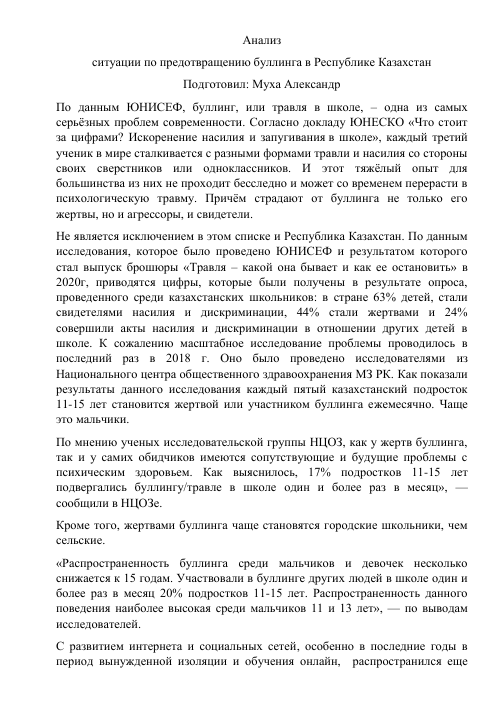 Анализ ситуации по предотвращению буллинга в Республике Казахстан سنة النشر: 2022 المؤلف: Муха Александр المؤلف المؤسسي: United States Agency for International Development (USAID) По данным ЮНИСЕФ, буллинг, или травля в школе, – одна из самых серьѐзных проблем современности. Согласно докладу ЮНЕСКО «Что стоит за цифрами? Искоренение насилия и запугивания в школе», каждый третий ученик в мире сталкивается с разными формами травли и насилия со стороны своих сверстников или одноклассников. И этот тяжѐлый опыт для большинства из них не проходит бесследно и может со временем перерасти в психологическую травму.
 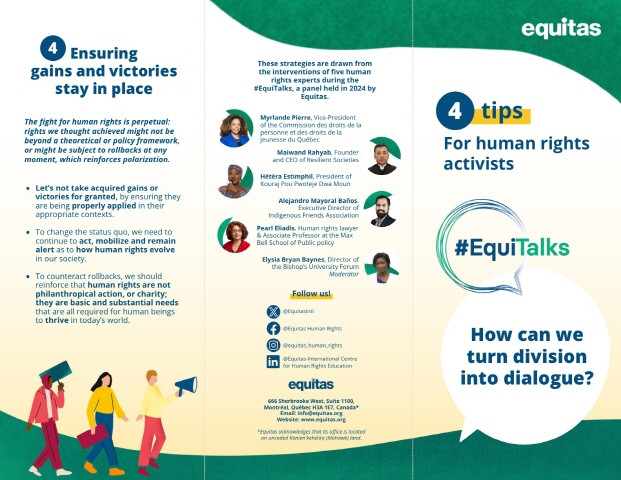 #EquiTalks: How Can We Turn Division into Dialogue? سنة النشر: 2024 المؤلف المؤسسي: Equitas This brochure gathers the answers of five human rights defenders during the 2024 #EquiTalks panel discussion, who attempted to answer the question: How can we turn division into dialogue? The brochure suggests potential solutions and tips to counteract the polarization of opinions on human rights. #EquiTalks: Comment transformer la division en dialogue ? سنة النشر: 2024 المؤلف المؤسسي: Equitas Ce document rassemble les réponses de cinq défenseurs des droits humains lors du panel de discussion #EquiTalks en 2024, qui ont tenté de répondre à la question suivante : Comment transformer la division en dialogue? Le dépliant offre des pistes de solution et des conseils pour contrer la polarisation des opinions sur les droits humains.
 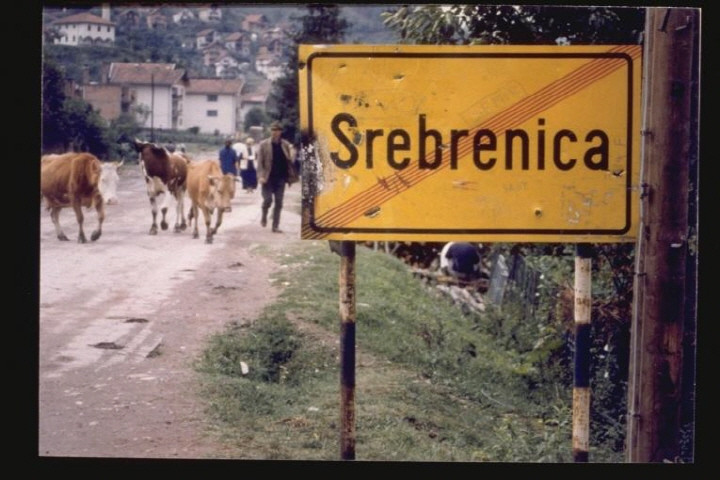 [Podcast] Back to Srebrenica سنة النشر: 2022 المؤلف المؤسسي: Doctors without Borders Since its creation in 1971, Médecins Sans Frontières has been providing medical assistance to populations in need in numerous extremely complex situations. Its staff has often witnessed various types of crimes and abuses. In this podcast, we will take a closer look at one of these crises: the siege of the city of Srebrenica and the massacre that followed the fall of this city during the Bosnian War in the 1990s. [Podcast] Retour à Srebrenica سنة النشر: 2022 المؤلف المؤسسي: Doctors without Borders Depuis sa création en 1971, Médecins Sans Frontières apporte une aide médicale aux populations qui en ont besoin dans nombre de situations extrêmement complexes. Son personnel a souvent été témoin de toutes sortes de crimes et d’abus. Dans ce podcast, nous allons examiner en détail l’une de ces crises : le siège de la ville de Srebrenica et le massacre qui suivra la chute de cette ville, lors de la guerre de Bosnie, au cours des années 1990.
  Our Reflections: Global Inequality and Solidarity سنة النشر: 2022 المؤلف: Jenny Bien-Aimé المؤلف المؤسسي: Quebec Association of International Cooperation Organizations (AQOCI) In 2022, the SDI took place from February 6 to 12, and the member organizations of AQOCI chose the theme "In the context of the COVID-19 pandemic: calling for the co-construction of a just and united world."With this theme, the public was invited to discuss the persistent global inequalities and injustices and to explore solutions for making our world more just, united, and equitable.For the occasion, the comic book Nos Reflets was created by the artist Jenny Bien-Aimée. Nos reflets: Les inégalités mondiales et la solidarité سنة النشر: 2022 المؤلف: Jenny Bien-Aimé المؤلف المؤسسي: Association québécoise des organismes de coopération internationale (AQOCI) En 2022, la SDI s'est déroulée du 6 au 12 février et les organismes membres de l’AQOCI ont choisi comme thématique « Dans le contexte de pandémie de COVID-19 : appeler à la coconstruction d’un monde juste et solidaire ».Avec cette thématique, le public a été convié à échanger sur les inégalités et les injustices persistantes à l’échelle mondiale et à discuter des solutions pour rendre notre monde plus juste, solidaire et équitable.Pour l'occasion, la bande dessinée Nos Reflets a été produite par l'artiste Jenny Bien-Aimée.
  Studying the Level and Main Causes of Violence and Sexual Harassment at Workplace in the Republic of Kazakhstan: Final Report سنة النشر: 2023 المؤلف: Nadezhda Gennadievna Dzhumagulova | Gulmira Zheksenovna Yesenova | Rashit Gabitovich Nurmagambetov | Nazgul Batyrbekovna Abdrakhmanova | Shynar Serikkyzy Zhusipkalieva | Zhanna Aleksandrovna Kemelova المؤلف المؤسسي: United Nations Entity for Gender Equality and the Empowerment of Women (UN Women) The authors elucidate the extent and pervasiveness of such atrocities in the country. Authors delve into an analytical discussion of the principal types and causes of this violence and harassment at the workplace, offering significant insights based on the data collected. Изучение уровня и основных причин насилия и сексуальных домогательств на рабочем месте в Республике Казахстан: Финальный отчет سنة النشر: 2023 المؤلف: Nadezhda Gennadievna Dzhumagulova | Gulmira Zheksenovna Yesenova | Rashit Gabitovich Nurmagambetov | Nazgul Batyrbekovna Abdrakhmanova | Shynar Serikkyzy Zhusipkalieva | Zhanna Aleksandrovna Kemelova المؤلف المؤسسي: United Nations Entity for Gender Equality and the Empowerment of Women (UN Women) Авторы рассматривают возможность ратификации международных инструментов, которые могли бы помочь предотвратить такие правонарушения на рабочем месте. Кроме того, авторы разработали целостный набор мер по противодействию и предотвращению насилия и сексуальных домогательств, включая предложения по государственным механизмам мониторинга и контроля в этой области.
  Kyrgyz Republic Multiple Indicator Cluster Survey 2023: Snapshots of Key Findings July, 2024 سنة النشر: 2024 المؤلف المؤسسي: National Statistical Committee of the Kyrgyz Republic | UNICEF Kyrgyzstan | United Nations Population Fund (UNFPA) | United States Agency for International Development (USAID) | Government of Switzerland The 5th round of Multiple Indicator Cluster Survey (MICS) covers 7,200 households across Kyrgyzstan, measuring 185 indicators related to healthcare, education, and social protection for women and children. MICS 2023 produced data for 32 global Sustainable Development Goal (SDG) indicators, disaggregated by key characteristics such as gender, age, geographic location, income level and disability.