
الموارد
استكشف مجموعة واسعة من الموارد القيمة حول تعليم المواطنة العالمية لتعميق فهمك وتعزيز البحث والمناصرة والتعليم والتعلم.
تم العثور على 2,771 نتيجة
 Can Tolerance Policy Be an Effective Tool for Conflict Prevention in Tajikistan? سنة النشر: 2020 المؤلف: Aziz Timurov المؤلف المؤسسي: Central Asian Bureau for Analytical Reporting (CABAR) | Institute for War and Peace Reporting (IWPR) There are no visible conflicts on the basis of ethnic-religious hostility in Tajikistan. However, if the problem is not visible, this does not mean that it does not exist, said Aziz Timurov, participant of the CABAR.asia School of Analytics. In his opinion, a well-developed and applicable tolerance policy can mitigate potential ethnic-religious and regional conflicts and be a factor in economic development in Tajikistan. Способна ли политика толерантности быть эффективным инструментом по предотвращению конфликтов в Таджикистане? سنة النشر: 2020 المؤلف: Aziz Timurov المؤلف المؤسسي: Central Asian Bureau for Analytical Reporting (CABAR) | Institute for War and Peace Reporting (IWPR) Видимых конфликтов на почве этно-конфессиональной неприязни в Таджикистане нет. Однако, если проблема не видна, это не значит, что ее нет, считает участник Школы аналитики CABAR.asia Азиз Тимуров. По его мнению, правильно разработанная и применимая политика толерантности может смягчить потенциальные этно-конфессиональные и региональные конфликты и быть фактором экономического развития в Таджикистане.
  Learning to Live Together in Community: Training of Trainers Program for Community Organization; Guide 1 سنة النشر: 2007 المؤلف: Adolfo Aguilar Ávuila | María Consulo Sánches Plazas المؤلف المؤسسي: Columbia. Ministry of the Interior and Justice | National Pedagogical University The purpose of this guide is to generate conditions that contribute to identifying conceptual and methodological elements that contribute to the strengthening, integration and creation of an environment of coexistence in the community organization, so that it can be projected with greater probability of success. Aprendiendo a vivir juntos en comunidad: Programa formación de formadores para la organización comunal; Guía 1 سنة النشر: 2007 المؤلف: Adolfo Aguilar Ávuila | María Consulo Sánches Plazas المؤلف المؤسسي: Columbia. Ministry of the Interior and Justice | National Pedagogical University El proposito de esta guía es generar condiciones que contribuyan a identificar elementos conceptuales y metodologicos que aporten al fortalecimiento, la integración y la creación de un ambiente de convivencia en la organización comunal, para que está pueda proyectarse con mayores probabilidades de éxito.
 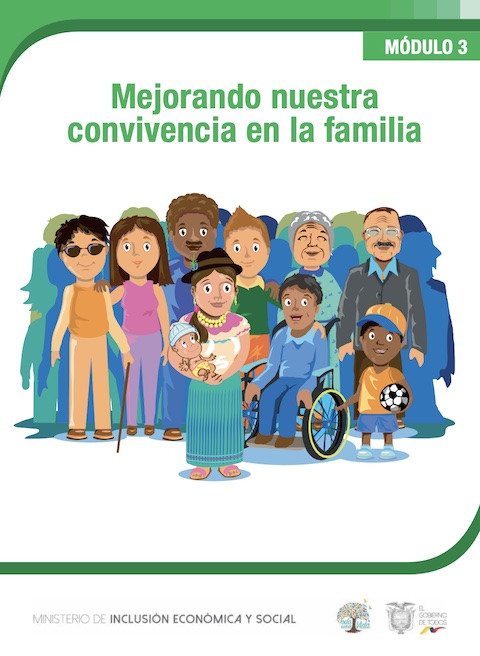 Improving Our Coexistence in the Family: Module 3 سنة النشر: 2018 المؤلف المؤسسي: Ecuador. Ministry of Economic and Social Inclusion In the framework of the 2008 constitution, is it established that the ecuadorian state will guarantee human security throught policies and interinstitutional actions that ensure peaceful coexistence, promote the culture of peace and prevent forms of violence and discrimination. For this policy to be fulfilled, it is necessary to acquire tools and participatory learning that allow us to strenghten family coexistence, trough dialogue, inclusion and recognition of others to reach agreements that allow us to live together. Mejorando nuestra convivencia en la familia: Módulo 3 سنة النشر: 2018 المؤلف المؤسسي: Ecuador. Ministry of Economic and Social Inclusion En el marco de la consitución de 2008 se establece que el estado ecuatoriano garantizará la seguridad humana a través de políticas públicas y acciones interinstitucionales que aseguren la convivencia pacífica de las personas, promueva la cultuta de paz, así como la prevención de formas de violencia y discriminación. Para que esta política pueda ser cumplida es necesario adquirir herramientas y aprendizajes participativos que nos permitan fortalecer la convivencia familiar, mediante el uso de la palabra, el dialogo, la inclusión y el reconocimientos de los otros para llegar a acuerdos que nos permitan vivir juntos.
  A Delicate Balance of Language Conflict in Uzbekistan سنة النشر: 2020 المؤلف: Eldar Asanov المؤلف المؤسسي: Central Asian Bureau for Analytical Reporting (CABAR) | Institute for War and Peace Reporting (IWPR) In an article for CABAR.asia, an Uzbek researcher Eldar Asanov discusses identity, nationalism, and historical memory in the realm of a rather vexed language issue in today’s Uzbekistan. Хрупкий баланс языковых споров в Узбекистане سنة النشر: 2020 المؤلف: Eldar Asanov المؤلف المؤسسي: Central Asian Bureau for Analytical Reporting (CABAR) | Institute for War and Peace Reporting (IWPR) Узбекистанский исследователь Эльдар Асанов в статье для CABAR.asia дискутирует об идентичности, национализме и исторической памяти в контексте довольно болезненного языкового вопроса в современном Узбекистане.
 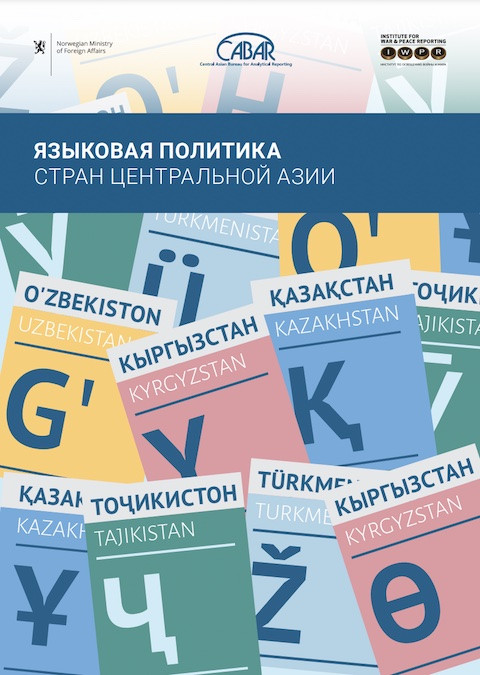 Language Policies of the Central Asian States سنة النشر: 2020 المؤلف: Nurbek Bekmurzayev المؤلف المؤسسي: Central Asian Bureau for Analytical Reporting (CABAR) | Institute for War and Peace Reporting (IWPR) The policy brief “Language Policy of the Central Asian States” is presented jointly by IWPR and CABAR.asia. The publication outlines the ways of the formation of state languages in the countries of Central Asia, analyzes their functioning along with the Russian language, draws conclusions and forecasts for the future, and provides recommendations for improving language policy.The publication is intended for young experts and consultants, researchers, management decision makers, and a wide range of readers. Языковая политика стран Центральной Азии سنة النشر: 2020 المؤلف: Nurbek Bekmurzayev المؤلف المؤسسي: Central Asian Bureau for Analytical Reporting (CABAR) | Institute for War and Peace Reporting (IWPR) Аналитическая записка “Языковая политика стран Центральной Азии” представлена совместно IWPR и CABAR.asia. В публикации изложены пути становления государственных языков в странах Центральной Азии, проанализировано их функционирование наряду с русским языком, сделаны выводы и прогнозы на будущее и предоставлены рекомендации для улучшения языковой политики.Публикация предназначена для молодых экспертов и консультантов, исследователей, лиц, принимающих управленческие решения, а также широкого круга читателей.