
الموارد
استكشف مجموعة واسعة من الموارد القيمة حول تعليم المواطنة العالمية لتعميق فهمك وتعزيز البحث والمناصرة والتعليم والتعلم.
تم العثور على 2,275 نتيجة
 Why Is Target 4.7 So Important to the Sdgs? With Paul Bradley, SCVO سنة النشر: 2020 المؤلف: Paul Bradley المؤلف المؤسسي: Bridge 47 In this Bridge 47 Network Story, Paul Bradley of The Scottish Council for Voluntary Organizations eloquently talks about why Target 4.7 and Global Citizenship Education is crucial to Achieving the United Nations's SDGs (Sustainable Development Goals).
  Mi objeto migrante المؤلف المؤسسي: Museo de la Memoria y los Derechos Humanos Material educativo desarrollado por el Museo de la Memoria y los Derechos Humandos a partir de objetos asociados con historias de exilio durante la dictadura de Augusto Pinochet en Chile.
 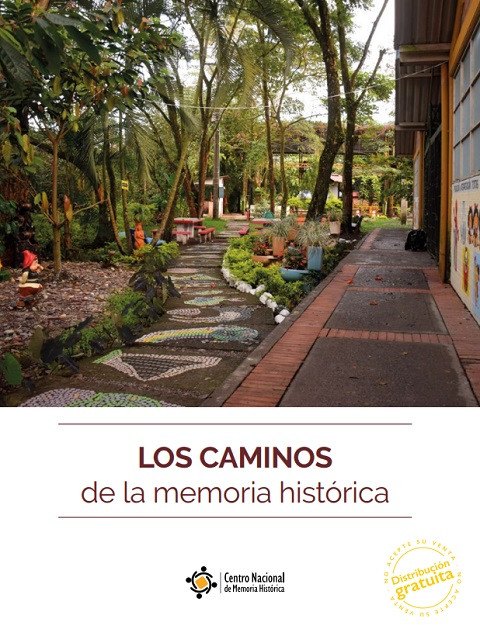 The Paths of Historical Memory سنة النشر: 2018 المؤلف المؤسسي: Centro Nacional de Memoria Histórica This book introduces the Historical Memory Toolbox and presents its contents. In addition to the prologue, the acknowledgment to teachers and students who have been part of this process and the account of the construction of the Toolbox since 2012, includes a text that collects the theoretical and conceptual foundations of the Tool Box, "Keys to navigate through historical memory" and another text with the pedagogical proposal that underlies all the materials in the Box, called "Pedagogy of historical memory: route to work in school". Los caminos de la memoria histórica سنة النشر: 2018 المؤلف المؤسسي: Centro Nacional de Memoria Histórica Es el libro que introduce a la Caja de Herramientas y presenta sus contenidos. Además del prólogo, los agradecimientos a los maestros, maestras y estudiantes que han hecho parte de este proceso y el recuento de la construcción de la Caja desde 2012, contiene un texto que recoge los fundamentos teóricos y conceptuales de la Caja de Herramientas, titulado Claves para navegar por la memoria histórica, y otro texto con la propuesta pedagógica que subyace a todos los materiales de la Caja, llamado Pedagogía de la memoria histórica: ruta para trabajar en la escuela.
  The Relationship Between the Culture of Care and Global Citizenship سنة النشر: 2020 المؤلف: Bernardo Toro | José Laguna | Zenovia Gamarra | Jackson Almonte المؤلف المؤسسي: Grupo SM This video explores the relationship between the culture of care and education for global citizenship with references to Catholic education.
  Trazos de memoria: Cortometraje de Londres 38 سنة النشر: 2012 المؤلف المؤسسي: Londres 38 Este cortometraje está basado en seis historias vinculadas a Londres 38, un inmueble utilizado como lugar de detención y tortura de opositores a la dictadura de Augusto Pinochet. Las voces de los protagonistas fueron entregados a dibujantes e ilustradores jívenes, para la realización de esta película.
 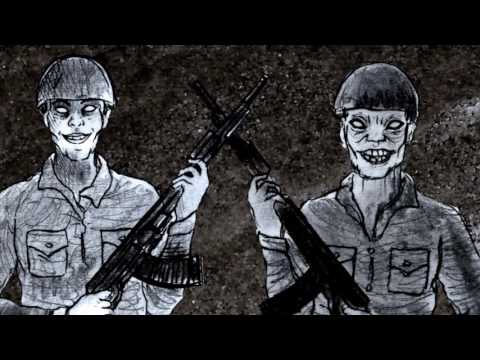 Traces of Memory 2: Short Film سنة النشر: 2017 المؤلف المؤسسي: Londres 38 Second part of the short film based on stories related to London 38, a house used as a place of detention and torture of opponents of the Augusto Pinochet dictatorship. The voices of the protagonists were given to young cartoonists and illustrators for the making of this film. Trazos de memoria 2: Cortometraje سنة النشر: 2017 المؤلف المؤسسي: Londres 38 Segunda parte del cortometraje basado en historias vinculadas a Londres 38, un inmueble utilizado como lugar de detención y tortura de opositores a la dictadura de Augusto Pinochet. Las voces de los protagonistas fueron entregados a dibujantes e ilustradores jívenes, para la realización de esta película. My Migrant Object المؤلف المؤسسي: Museo de la Memoria y los Derechos Humanos Educational material developed by the Museum of Memory and Human Rights from objects associated with stories of exile during the dictatorship of Augusto Pinochet in Chile.
 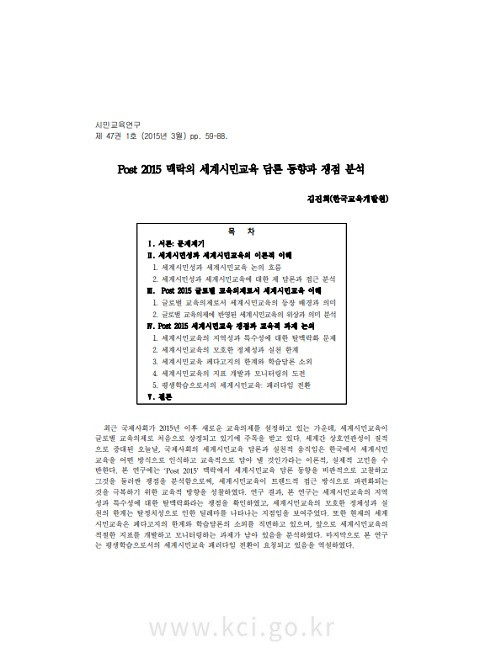 Post 2015 맥락의 세계시민교육 담론 동향과 쟁점 분석 (시민교육연구; Vol. 57, No. 1) سنة النشر: 2015 المؤلف: 김진희 المؤلف المؤسسي: 한국사회과교육학회 최근 국제사회가 2015년 이후 새로운 교육의제를 설정하고 있는 가운데, 세계시민교육이 글로벌 교육의제로 처음으로 상정되고 있기에 주목을 받고 있다. 세계간 상호연관성이 질적으로 증대된 오늘날, 국제사회의 세계시민교육 담론과 실천적 움직임은 한국에서 세계시민교육을 어떤 방식으로 인식하고 교육적으로 담아 낼 것인가라는 이론적, 실제적 고민을 수반한다. 본 연구에는 ‘Post 2015’ 맥락에서 세계시민교육 담론 동향을 비판적으로 고찰하고 그것을 둘러싼 쟁점을 분석함으로써, 세계시민교육이 트렌드적 접근 방식으로 파편화되는 것을 극복하기 위한 교육적 방향을 성찰하였다. 연구 결과, 본 연구는 세계시민교육의 지역성과 특수성에 대한 탈맥락화라는 쟁점을 확인하였고, 세계시민교육의 모호한 정체성과 실천의 한계는 탈정치성으로 인한 딜레마를 나타나는 지점임을 보여주었다. 또한 현재의 세계시민교육은 페다고지의 한계와 학습담론의 소외를 직면하고 있으며, 앞으로 세계시민교육의 적절한 지표를 개발하고 모니터링하는 과제가 남아 있음을 분석하였다. 마지막으로 본 연구는 평생학습으로서의 세계시민교육 패러다임 전환이 요청되고 있음을 역설하였다.