
الموارد
استكشف مجموعة واسعة من الموارد القيمة حول تعليم المواطنة العالمية لتعميق فهمك وتعزيز البحث والمناصرة والتعليم والتعلم.
تم العثور على 2,275 نتيجة
 Practices of Citizenship in East Africa: Perspectives from Philosophical Pragmatism سنة النشر: 2020 المؤلف: Katariina Holma | Tiina Kontinen المؤلف المؤسسي: Routledge Practices of Citizenship in East Africa uses insights from philosophical pragmatism to explore how to strengthen citizenship within developing countries. Using a bottom-up approach, the book investigates the various everyday practices in which citizenship habits are formed and reformulated. In particular, the book reflects on the challenges of implementing the ideals of transformative and critical learning in the attempts to promote active citizenship. Drawing on extensive empirical research from rural Uganda and Tanzania and bringing forward the voices of African researchers and academics, the book highlights the importance of context in defining how habits and practices of citizenship are constructed and understood within communities. The book demonstrates how conceptualizations derived from philosophical pragmatism facilitate identification of the dynamics of incremental change in citizenship. It also provides a definition of learning as reformulation of habits, which helps to understand the difficulties in promoting change. This book will be of interest to scholars within the fields of development, governance, and educational philosophy. Practitioners and policy-makers working on inclusive citizenship and interventions to strengthen civil society will also find the concepts explored in this book useful to their work.
 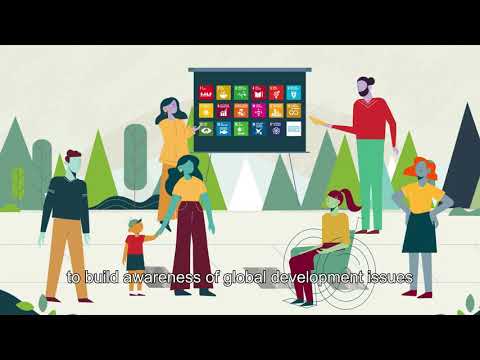 DEAR: Action Through Education سنة النشر: 2020 المؤلف المؤسسي: Development Education and Awareness Raising (DEAR) Programme | European Commission This video explains how DEAR programme works and supports educators in their endeavours to spread greater understanding of the world around us.
  Taking Action for Change: Youth Civic Engagement and Activism; A Resource for Educators سنة النشر: 2019 المؤلف: Ian Davies | Mark Evans | Márta Fülöp | Dina Kiwan | Andrew Peterson | Jasmine B.-Y. Sim المؤلف المؤسسي: University of York ‘Youth activism, engagement and the development of new civic learning spaces’ was a project funded by the Leverhulme Trust and developed by an international network of researchers. The project took place between 2016 and 2019.In this resource for education, each member of the project team discusses developments in their own country and identifies key ideas and issues about how young people participate in society and what implications have for education. This book gives several examples that have already been done in different geographical areas and educational perspectives and includes promising practices that begin to illustrate ways in which educators may act.
  The State of Global Education in Europe 2019 سنة النشر: 2020 المؤلف المؤسسي: Global Education Network Europe (GENE) | European Union (EU) This fourth edition of the State of Global Education in Europe has been developed to provide an updated account of current key issues, policy priorities, funding trends and activities inGlobal Education in Europe, among the Ministries and Agencies that participate in GENE. This report explores key trends, policy themes and budgetary information for Global Education in European countries, drawing on information provided by GENE member Ministries and Agencies during 2018 and 2019.
 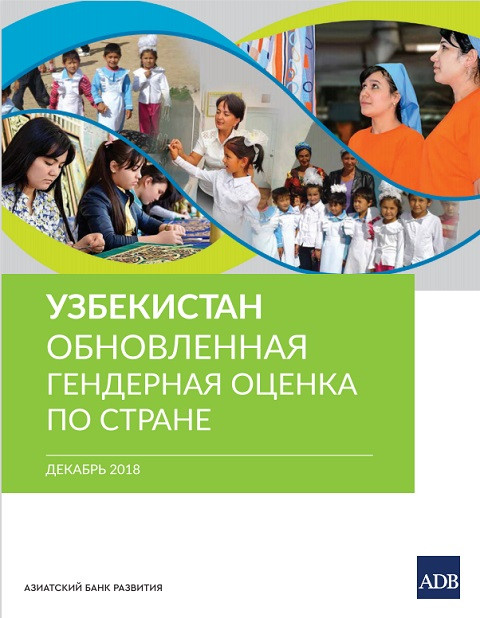 Uzbekistan: Country Gender Assessment Update سنة النشر: 2018 المؤلف المؤسسي: Asian Development Bank (ADB) This Country Gender Update Report, prepared by ADB in close collaboration with Uzbekistan Women Committee, provides an analysis of the socio-economic dimensions of gender equality in Uzbekistan. It embraces a wide a range of issues related to the empowerment of women by increasing their economic activity in various sectors. Recommendations from the assessment can be used in the development of a long-term strategy of KJU and ADB, including programs aimed at increasing the employment and income of women, supporting their entrepreneurial initiatives, combating traditional gender stereotypes to further enhance the role and status of women in the country as a whole. Узбекистан: Обновленная гендерная оценка по стране سنة النشر: 2018 المؤلف المؤسسي: Asian Development Bank (ADB) Настоящий отчет по Обновленной гендерной оценке по стране, подготовленный АБР в тесном сотрудничестве с Комитетом женщин Узбекистана (КЖУ), содержит анализ социально-экономических аспектов гендерного равенства в Узбекистане. В нем охвачен широкий круг вопросов, связанных с расширением возможностей женщин путем повышения их экономической активности в различных секторах. Рекомендации, выработанные по результатам проведенной оценки, могут быть использованы при разработке долгосрочной стратегии КЖУ и АБР, включая программы, направленные на повышение уровня занятости и доходов женщин, поддержку их предпринимательских инициатив, борьбу с традиционными гендерными стереотипами для дальнейшего повышения роли и статуса женщин в целом по стране.
 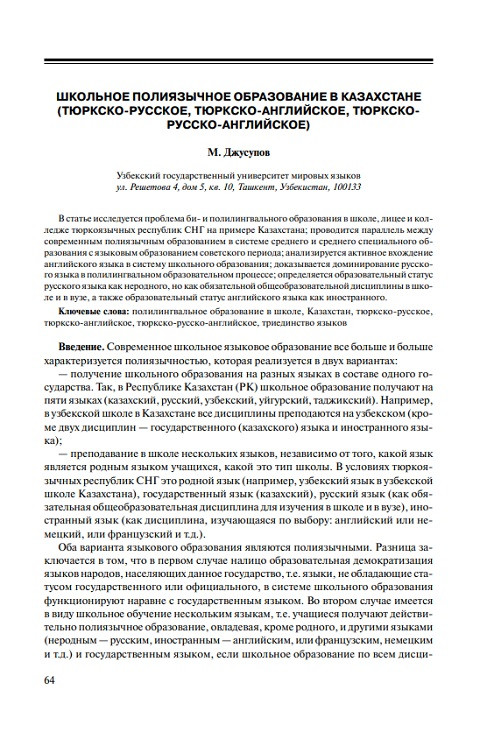 School Polylingual Education in Kazakhstan (Turkic-Russian, Turkic-English, Turkis-Russian-English) سنة النشر: 2015 المؤلف: Dzhusupov M. This article deals with a problem of bilingual and polylingual education at school, lyceum and college of Turkic Republic of CIS on the illustration of Kazakhstan; it is drawn an analogy (parallel) between modern polylingual education of — Soviet period; active ingress of English language in a system of school polylingual education has been analyzed; the domination of Russian language in polylingual educational process has been proved, it is determined an educational status of Russian language not as adoptive, but as obligatory general subject at school and in the institute of higher education and educational status of English language as foreign, i.e. as an alternative (optional) subject. Школьное полиязычное образование в Казахстане (тюркско-русское, тюркско-английское, тюркско-русско-английское) سنة النشر: 2015 المؤلف: Dzhusupov M. В статье исследуется проблема би- и полилингвального образования в школе, лицее и колледже тюркоязычных республик СНГ на примере Казахстана; проводится параллель между современным полиязычным образованием в системе среднего и среднего специального образования с языковым образованием советского периода; анализируется активное вхождение английского языка в систему школьного образования; доказывается доминирование русского языка в полилингвальном образовательном процессе; определяется образовательный статус русского языка как неродного, но как обязательной общеобразовательной дисциплины в школе и в вузе, а также образовательный статус английского языка как иностранного.
 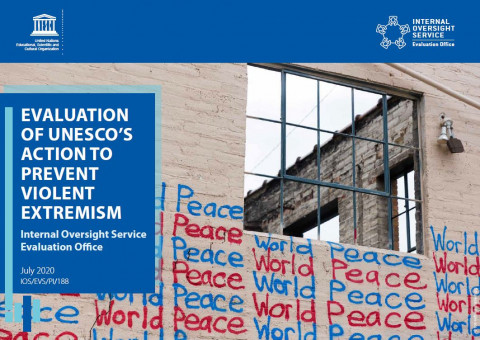 Evaluation of UNESCO’s Action to Prevent Violent Extremism سنة النشر: 2020 المؤلف المؤسسي: UNESCO Internal Oversight Service (IOS) The purpose of this evaluation was twofold. To provide evidence, ideas and insights on how UNESCO’s efforts on PVE in the period from 2015-2018 have contributed to enhancing UNESCO’s action and position in the PVE sphere in light of the decisions of Member States. And to provide evidence and formulate lessons learned and good practices on the intersectoral approach with the aim of informing what works and what does not work in intersectoral cooperation.The evaluation found that UNESCO’s work on PVE was context specific and adjusted to respond to the needs of the countries and sub-regions where the work was being implemented.UNESCO’s work is aligned with the agency’s mandate and expertise and makes the most of its strong relationships with government bodies and civil society actors. UNESCO’s work on PVE has led to positive results around the quality, use and effectiveness of guidance documents, around capacity building of UNESCO partners and stakeholders, and around the provision of expertise and policy advice both at national and global level. Using an intersectoral approach led to an increase in information sharing and coordination. However, this was not always translated to intersectoral implementation or delivery of PVE initiatives.
 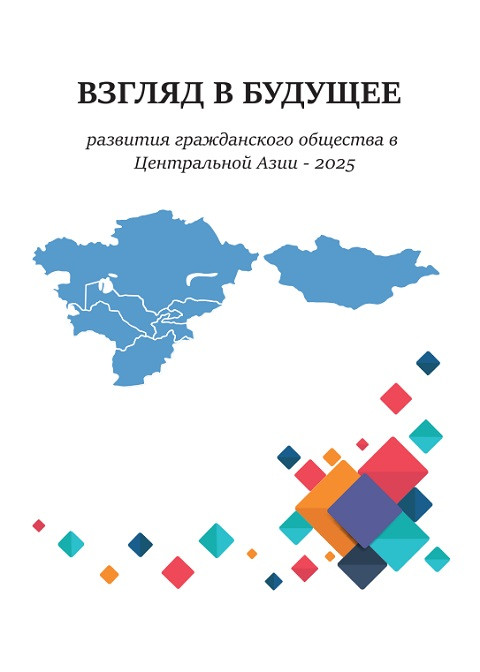 Looking into the Future Development of Central Asian Civil Society 2025 سنة النشر: 2020 المؤلف المؤسسي: Civil Society Development Association (ARGO) “Looking into the future Development of Central Asian Civil Society - 2025” is a vision that reflects the role, trends and prospects for the development of civil society in Central Asia for 5 years. The Vision represents an image of civil society (‘We are the ones who’) and defines strategic priorities for the development of civil society in Central Asia.