
الموارد
استكشف مجموعة واسعة من الموارد القيمة حول تعليم المواطنة العالمية لتعميق فهمك وتعزيز البحث والمناصرة والتعليم والتعلم.
تم العثور على 2,255 نتيجة
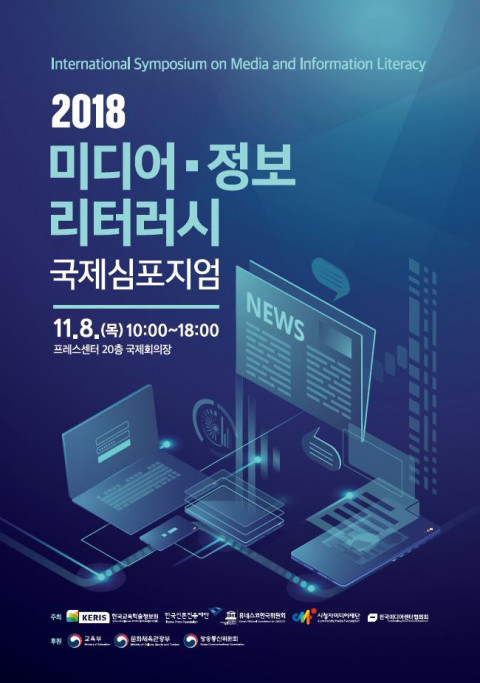 2018 미디어·정보리터러시: 국제심포지엄 자료집 سنة النشر: 2018 المؤلف المؤسسي: 유네스코한국위원회 | Community Media Foundation | National Association of Community Mediacenters | 한국교육학술정보원 | 한국언론진흥재단 이 책은 유네스코한국위원회, 한국언론진흥재단, 한국교육학술정보원, 시청자미디어재단, 전국미디어센터협의회가 공동주최하고 교육부, 문화체육관광부, 방송통신위원회가 후원한 「2018 미디어·정보리터러시: 국제심포지엄」의 자료집으로 기조연설 및 주제별 발표내용을 담고 있다.
 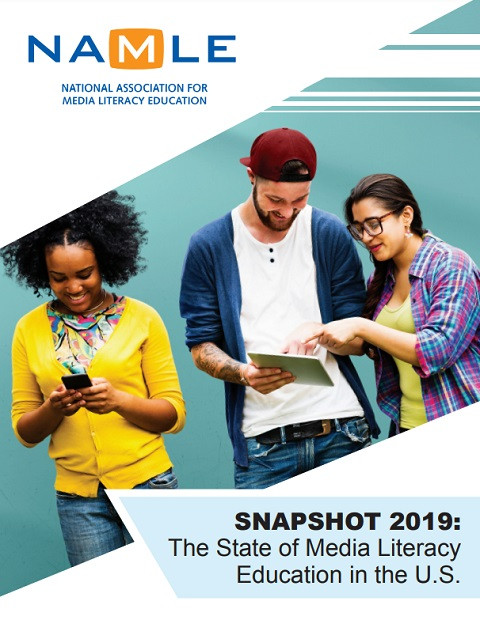 Snapshot 2019: The State of Media Literacy Education in the U.S. سنة النشر: 2019 المؤلف: Sherri Hope Culver | Theresa Redmond المؤلف المؤسسي: National Association for Media Literacy Education (NAMLE) Since 2015, NAMLE’s membership has grown from about 300 members to over 5,000 members, signifying a remarkable expansion of interest in and demand for media literacy education. Despite general awareness of the persuasive nature and pervasive inclusion of media in our lives, media literacy education has not been formerly prioritized in U.S. education efforts. Yet, several recent trends indicating progress and development are important to mention:– Growth– Inclusion in Standards– Legislative Involvement– AwarenessDespite broad agreement about the need to ensure that people of all ages are equipped to understand and negotiate the influence of media in their lives, the United States does not devote any significant government effort, nor funding, for media literacy education research, training, or implementation. While funding initiatives have benefits and drawbacks, decades of grassroots advocacy has not been enough to establish media literacy education as a foundational or core dimension of schooling.This SNAPSHOT is a step towards that goal.
 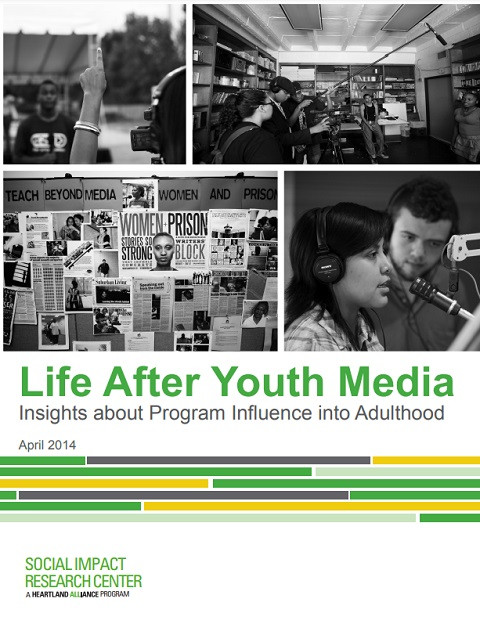 Life After Youth Media: Insights About Program Influence Into Adulthood سنة النشر: 2014 المؤلف: Suniya Farooqui | Amy Terpstra المؤلف المؤسسي: Social IMPACT Research Center * Do the skills, attitudes, and behaviors imparted in youth programs "stick" into adulthood? * If they do, how do they manifest in career, education, and life decisions? * How do the skills, attitudes, and behaviors that youth programs try to impart differ based on program intensity or levels of engagement? * Do these elements look different for people who went through youth media programs versus people who went through other types of youth programs? These are common questions that youth program providers, funders, public officials, and other leading thinkers regularly wrestle with. This report tells the story of a group in Chicago committed to providing quality youth media programming in the city and how, through a collective evaluation, they were able to begin to answer these critical questions.
 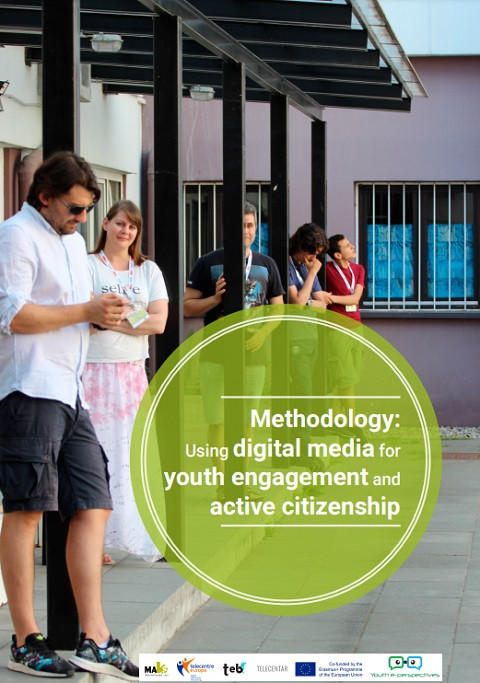 Methodology: Using Digital Media for Youth Engagement and Active Citizenship سنة النشر: 2017 المؤلف المؤسسي: Yep4Europe Consortium The training methodology “Find-Tell-Act” is the main output of the Youth e-Perspectives on Migration project. The project aimed at empowering young people to address sensitive contemporary societal issues (in our case migration and the refugee crisis) and at the same time to improve their digital and media skills. In this way, digital and technical skills developed in parallel with social values like active citizenship.For this purpose, we developed and implemented this methodology for a non-formal training course based on blended learning. The main part of the methodology is implemented as face-to-face activities. It includes four interrelated digital media modules (or, as we call them, workshops):Digital JournalismDigital PhotographyDigital StorytellingOnline Platforms,in which refugee crisis was our main theme. The methodology can be applied to any other “hot” societal topic that young people are faced with.Learn more about the project on the project website.
 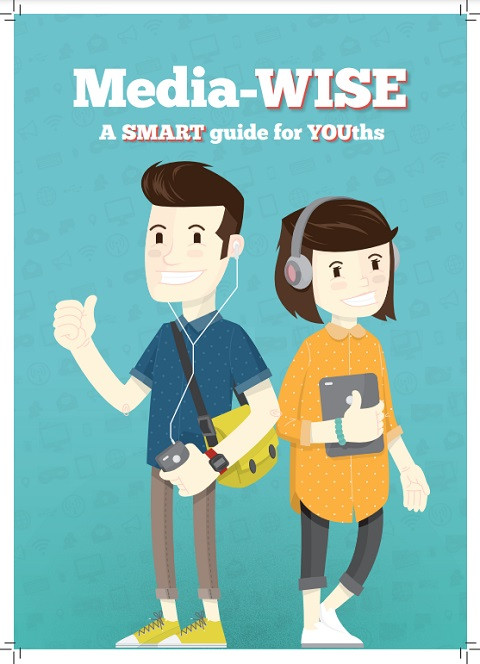 Media-Wise: A Smart Guide for Youths سنة النشر: 2015 المؤلف المؤسسي: Media Literacy Council (MLC) Even as a digital native, you might need some help figuring out the safest and kindest route through the digital world - this guide will give you the tips and advice you need to make that journey.
  Localizing the 2030 Agenda and Global Citizenship Education: An Essential Dialogue سنة النشر: 2020 المؤلف المؤسسي: Diputació de Barcelona Diputació de Barcelona has produced a document that offers guidelines to strengthen the links between Global Citizenship Education (GCE) actions and localizing SDGs initiatives, in order to drive real changes in local policies.What we call Global Citizenship Education (GCE) brings together key elements of different educational trends, such as development education, peace education or education for sustainability, among others. Each of them has decades of experience in promoting changes in citizen’s knowledge, attitudes and behaviours through formal or informal channels. This experience can help to reinforce the 2030 Agenda’s capacity to generate real change towards a more sustainable future for the planet, connecting local and global realities and highlighting interdependencies and co-responsibility. The document points out what can be done at the local level to improve this dialogue between SDG and GCE with practical proposals such as introducing GCE perspective in the SDGs training activities or implementing joint initiatives between development cooperation departments and other areas to reach new audiences. Localización de la agenda 2030 y la educación para la ciudadanía global: Un diálogo imprescindible سنة النشر: 2020 المؤلف المؤسسي: Diputació de Barcelona Este documento pretende contribuir al diálogo entre los procesos de localización de la Agenda 2030 y la ECG, así como ofrecer orientaciones concretas para la acción local.
 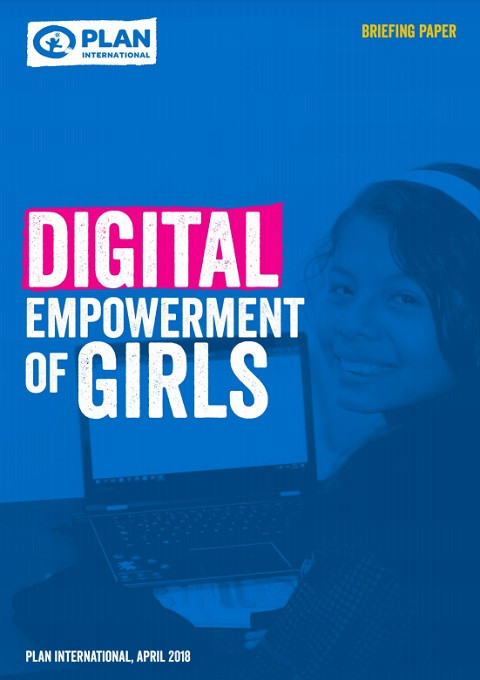 Digital Empowerment of Girls سنة النشر: 2018 المؤلف المؤسسي: Plan International Despite the accumulated efforts and commitments of the past 20 years, today’s women and girls continue to face gender-based barriers that prevent them from accessing and utilising technology and digital tools at the same level as boys and men.Girls are 5 times less likely to consider a career in tech than boys.Equality of education is essential to redress the digital gender gap – which is sadly growing – but it’s not the only method.We must make tech safe, affordable and accessible to girls – wherever they live. We must tackle the ingrained gender norms that prevent girls from seeing digital roles as accessible career paths.Rather than making assumptions about what girls want and need from technology, we must work with them to create solutions for the issues that affect them by enabling them to learn digital skills.Technology can be a powerful tool for girls’ voices to become even louder and reach even further.This briefing paper provides recommendations for closing the digital gender gap that will enable girls to participate in and contribute to our increasingly digital future.Despite the accumulated efforts and commitments of the past 20 years, today’s women and girls continue to face gender-based barriers that prevent them from accessing and utilising technology and digital tools at the same level as boys and men.Promoting girls’ digital literacy and closing the digital gender gap will play an important role in achieving gender equality and promoting the rights of girls and women worldwide.Plan International strives to build a world in which girls have the tools and the power to shape their own futures and influence decision making and policy processes at local and global levels. Technology is not a prerequisite for being a change agent or a leader, but it can be a powerful tool for girls’ voices to become even louder and reach even further. Similarly, social media can be used as a vehicle to spread inspirational stories of female leaders and connect activists and changemakers across the world.Digital technologies have a strong potential to empower girls and women economically and socially. Girls feel safer and more connected when they have a mobile phone, and they use mobile phones to save time and money and access educational opportunities. Yet girls and women are, on average, less likely than men to own a mobile phone, use mobile data, social media apps or SMS. There is also a stark gender disparity in access to the Internet, which limits the ability of girls and women to benefit from many innovations of the digital economy, such as digital payments and mobile money. The gender disparity in access to technology is compounded by a significant gender divide in terms of career and academic aspirations related to ICTs.Advancing digital equality for girlsThis briefing paper argues that promoting girls’ digital literacy and closing the digital gender gap will play an important role in achieving gender equality and promoting the rights of girls and women worldwide. Indeed, bridging the digital gender divide is essential in ensuring girls and women are not left behind in an increasingly digital future.The paper also argues that actions promoting girls’ digital empowerment should be guided by the principle of engaging girls and women as active, capable partners in our work, not merely passive recipients or targets. Rather than making assumptions about what girls want and need from technology, it is important to work together with girls to strengthen and develop their use and creation of technology and digital tools. Empoderamiento digital de las niñas سنة النشر: 2018 المؤلف المؤسسي: Plan International Este documento informativo argumenta que mediante la promoción de la alfabetización digital de las niñas y el cierre de la brecha digital de género se podrá conseguir importantes logros con respecto a la igualdad de género y la promoción de los derechos de las niñas y mujeres en todo el mundo.
 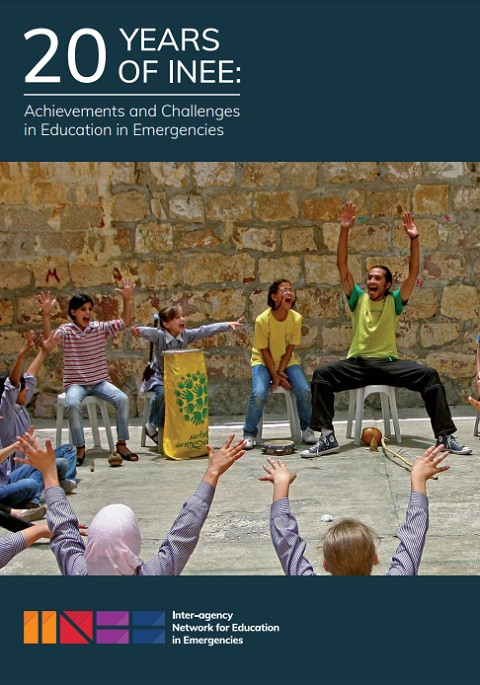 20 Years of INEE: Achievements and Challenges in Education in Emergencies سنة النشر: 2020 المؤلف المؤسسي: Inter-agency Network for Education in Emergencies (INEE) This report highlights the continued relevance of INEE 20 years on. It presents new data that shows 127 million primary and secondary school-age children and young people living in crisis-affected countries were out of school in 2019. This is equivalent to almost half of the global out-of-school population, even though only around 29% of children and young people in this age group globally live in crisis-affected countries. These figures are based on new data provided by the UNESCO Institute for Statistics (UIS). The report also demonstrates the still urgent need to prioritize education and financing of education in emergencies, particularly in ‘forgotten’ crises.