
الموارد
استكشف مجموعة واسعة من الموارد القيمة حول تعليم المواطنة العالمية لتعميق فهمك وتعزيز البحث والمناصرة والتعليم والتعلم.
تم العثور على 2,275 نتيجة
 Background paper: Coordination between Humanitarian and Development Work in the Education Sector: Working Together in a Crisis Context سنة النشر: 2021 المؤلف المؤسسي: Inter-agency Network for Education in Emergencies (INEE) The education sector is charged with a responsibility to ensure inclusive and equitable quality education and promote lifelong learning opportunities for all, per Sustainable Development Goal 4 (SDG4). The current trend of complex and longer-term crises, whether caused by the climate emergency, violent conflict, or a pandemic, threatens progress toward SDG4 targets. As the ongoing COVID-19 pandemic has taught us, no country or education system is immune from crisis; therefore, building resilience is the key not only to avoiding losses but to sustaining and progressing toward our shared goals in the education sector. Collective action is needed across the humanitarian-development spectrum to build inclusive and adaptable education systems that are prepared for and have the capacity to respond to crises, so that every child and young person has a chance to go to school, stay in school, and complete a full cycle of primary and secondary education.This report is aimed at members of the Inter-agency Network for Education in Emergencies (INEE), which includes a broad range of humanitarian, development, government, and civil society actors who are working to ensure that all individuals have the right to a quality, safe, relevant, and equitable education. The purpose of the report is to demystify the concept of humanitarian-development coherence and to propose a set of actions and recommendations to strengthen such coherence in the education sector. The report also provides guidelines for INEE members and education stakeholders to take collective action, and to advocate for improved coherence within their own agencies and across the education sector’s full spectrum of policy and programming.This report recapitulates the concept of humanitarian-development coherence and why it is critical, provides an overview of barriers to coherence in the education sector, identifies illustrative examples of coherent action, and offers concrete recommendations for improved coherence, as summed up through a “Learn-Convene-Adapt” framework.To explain the concept of humanitarian-development coherence, this paper adopts the New Ways of Working definition, which describes humanitarian-development coherence as working over multiple years toward collective outcomes, based on the comparative advantage of a diverse range of actors (see definitions, p. 6). The paper argues that humanitarian-development coherence is critical to ensuring that all children have access to uninterrupted quality education, which promotes their increased resilience and overall development. While education can provide significant benefits for individuals, communities, and countries, establishing resilient education systems requires multi-year planning, coordination, and investment in the education sector.To unpack the bottlenecks to coherence in education, the paper uses the conceptual framework proposed in the USAID white paper, Education and Humanitarian-Development Coherence (Nicolai et al., 2019). This framework outlines three levels of action that influence conditions for coherence: Norms, Capacities, and Operations. The barriers identified and explored in the paper are the following:
  "التعليم من أجل المستقبل: التجربة العالمية لتطوير مهارات وكفاءات القرن الحادي والعشرين " سنة النشر: 2015 المؤلف: Liu Jian المؤلف المؤسسي: Qater Foundation يهدف هذا التقرير إلى تزويد واضعي السياسات وقادة التعليم والباحثين بفهم شامل لمعنى كفاءات القرن الحادي والعشرين وتكوينها وتنفيذها بشتى أنحاء العالم. وقد جرى التحقيق في أطر عمل الكفاءات لخمس منظمات دولية و 24 كيانًا اقتصاديًا، وتتوفر المراجع الرسمية بأكثر من ثماني لغات. لهذا البحث أهداف خمسة مهمة، هي:1. تحديد القوى الدافعة وراء هذه الكفاءات،2. تحليل عناصر أطر العمل هذه وهيكلها،3. البحث في تنفيذ هذه الأطر في التعليم،4. مناقشة الدعم اللازم من القطاعات الحكومية والاجتماعية،5. اقتراح استراتيجيات وأفكار لتعزيز هذه الكفاءات وتطويرهاوتطبيقها. Education for The Future: The Global Experience of Developing 21st Century Skills and Competencies سنة النشر: 2015 المؤلف: Liu Jian المؤلف المؤسسي: Qater Foundation This report aims to provide policy makers, education leaders, and researchers with a comprehensive understanding of the meaning, formation, and implementation of twenty-first century competencies around the world. The competency frameworks of five international organizations and 24 economic entities have been investigated, and official references are available in more than eight languages. This research has five important objectives:1. Identify the driving forces behind these competencies,2. Analysis of the elements and structure of these frameworks,3. Research the implementation of these frameworks in education,4. Discussing the necessary support from the governmental and social sectors,5. Suggesting strategies and ideas to enhance, develop and apply these competencies.
  A "good" Citizen: Understanding Citizenship in Kyrgyzstan سنة النشر: 2021 المؤلف: Kemel Toktomushev This paper is an attempt to reflect on what a citizen of a modern democratic society really is, and what knowledge and competencies he/she should possess in order to meet the challenges of today. «Хороший» гражданин: понимание гражданства в Кыргызстане سنة النشر: 2021 المؤلف: Kemel Toktomushev Данная работа – это попытка осмыслить, что же на самом деле представляет из себя гражданин современного демократического общества, и какими знаниями и компетенциями он/она должны обладать, чтобы бороться с современными вызовами.
  The Russian Language in the Central Asian Region سنة النشر: 2014 المؤلف: Ksenia .P. Borishpolets This article focuses on the role of the Russian language in Central Asia and The Russian language has been used in Central Asia for a long time now.
 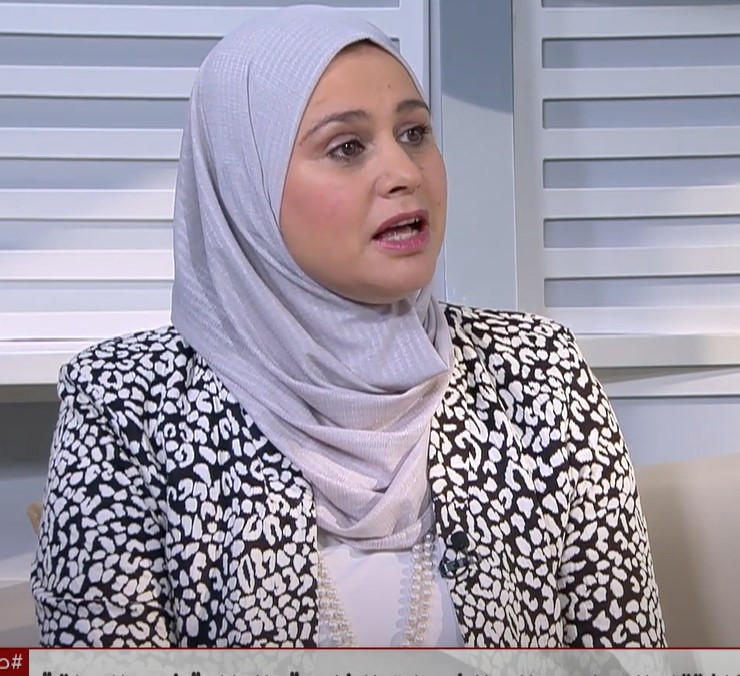 تحديات تواجه خطة التعليم الدامج كافتقار المدارس إلى الخدمات الخاصة بالطلبة ذوي الإعاقة سنة النشر: 2019 المؤلف المؤسسي: Almamlaka TV يستعرض الفيديو التحديات التي تواجه دمج الطلبة ذوي الإعاقة في المدارس الحكومية في الأردن. الفيديو يناقش قضية التعليم الدامج من خلال اجراء مقابلات مع بعض أولياء الأمور والمدرسين والمسؤولين. Challenges Facing the Inclusive Education Plan, such as Schools' Lack of Special Services for Students with Disabilities سنة النشر: 2019 المؤلف المؤسسي: Almamlaka TV The video reviews the challenges facing the inclusion of students with disabilities in public schools in Jordan. The video discusses the issue of inclusive education through interviews with some parents, teachers and officials.
 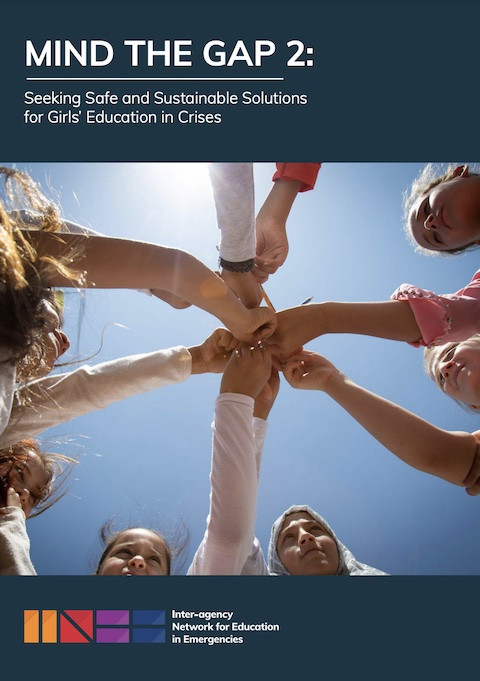 Mind the Gap 2: Seeking Safe and Sustainable Solutions for Girls’ Education in Crises سنة النشر: 2022 المؤلف: Ruth Naylor | Ella Page | Kate Sims المؤلف المؤسسي: Inter-agency Network for Education in Emergencies (INEE) This report summarizes progress, gaps, challenges and opportunities in improving education and training for girls and women affected by conflict and crisis. This report monitors progress since the first Mind the Gap report and highlights the following thematic areas: distance education and the digital divide, school-related gender-based violence, and girls’ education during climate crisis.The report aims to support the Charlevoix Declaration on Quality Education’s commitment to enhance the evidence base and monitor progress toward gender-equitable education in crises. The report draws from data on 44 crisis-affected countries, from recent research, and from a set of case studies of interventions in a range of crisis-affected contexts.
 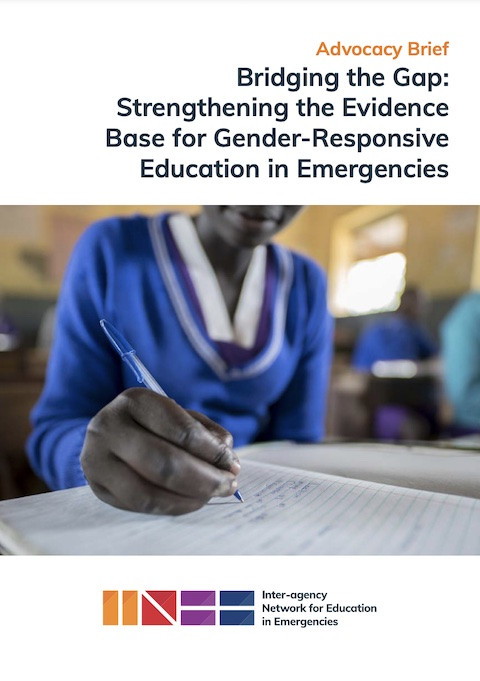 Bridging the Gap: Strengthening the Evidence Base for Gender-Responsive Education in Emergencies سنة النشر: 2022 المؤلف: Lauren Gerken | Sumbal Bashir المؤلف المؤسسي: Inter-agency Network for Education in Emergencies (INEE) This brief was developed by the INEE Gender Task Team in response to global calls for more and better data and evidence on gender-responsive EiE. The brief draws from findings of the 2021 and 2022 editions of the INEE Mind the Gap report on the state of girls’ education in emergencies, and from consultations with gender and education experts.The objectives of this brief are: To highlight key gaps in the evidence base on gender and EiE To provide strategic guidance and thematic content for new research initiatives focused on gender and EiE To promote collaborative action and knowledge-sharing among key actors working on gender and EiE