
الموارد
استكشف مجموعة واسعة من الموارد القيمة حول تعليم المواطنة العالمية لتعميق فهمك وتعزيز البحث والمناصرة والتعليم والتعلم.
تم العثور على 2,275 نتيجة
 Parents dans un monde d'écrans. Petit guide à destination des parents pour accompagner leurs enfants sur les écrans سنة النشر: 2022 المؤلف: Guillaume Jegousse | Sylvain Bedouet-Lallour | Laurent Pommereuil المؤلف المؤسسي: Associations Douar Nevez et Défis Difficile de gérer les écrans à la maison !Surtout quand ils sont portables etque la chambre est le lieu privilégié de l’enfantou de l’adolescent !A travers ce petit guide, les associations Douar Nevez et DéfiS donnent quelques conseils qui permettrontà chaque parent d’accompagner ses enfantspour un usage responsable des nouvellestechnologies numériques. It's hard to manage screens at home!Especially when they're portable and the bedroom is the place where the child's or teenager's spends most of his/her time.With this little guide, the Douar Nevez and DéfiS ngo's give a few tips to help parents help their children for responsible use of new digital technologies.
 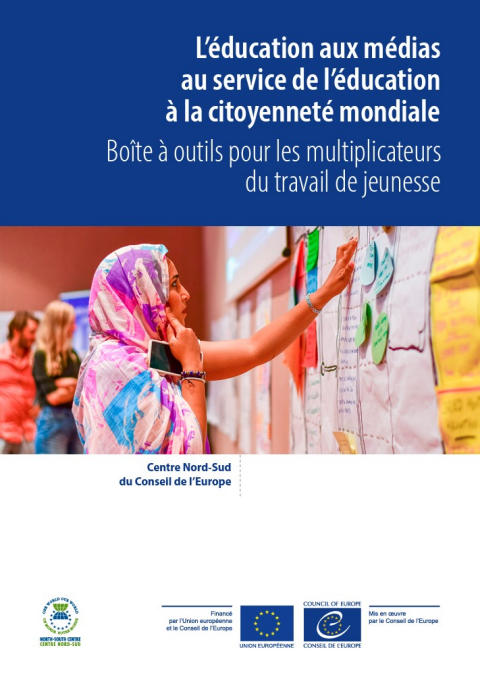 L’éducation aux médias au service de l’éducation à la citoyenneté mondiale Boîte à outils pour les multiplicateurs du travail de jeunesse سنة النشر: 2022 المؤلف المؤسسي: Conseil de l’Europe Ce kit à outils propose une approche intégrée de l’éducation aux médias dans le contexte de l’éducation à la citoyenneté mondiale. Il explore un ensemble d’activités axées sur l’analyse critique et la production de messages médiatiques, l’analyse des algorithmes, la participation active dans les sociétés, le maintien de la vie privée, le maintien du bien-être et la gestion de l’e-identité. cette boîte à outils s’adresse aux éducateurs et aux multiplicateurs du travail de jeunesse. Les activités et fiches d’information proposées, conçues pour des contextes d’apprentissage non formel, peuvent également se prêter à une exploitation dans les environnements scolaires. En effet, la boîte à outils intègre les avancées les plus récentes en matière d’éducation à la citoyenneté mondiale, d’éducation aux médias et d’éducation à la citoyenneté numérique, qui sont susceptibles d’enrichir de façon fort utile les programmes scolaires officiels. Les activités pratiques ici réunies s’inscrivent dans le Cadre des compétences pour une culture de la démocratie et de l’approche des droits humains que défend le Conseil de l’Europe. En élargissant la portée de l’éducation à la citoyenneté mondiale avec des éléments d’éducation aux médias, l’éducation à la citoyenneté mondiale devient un outil plus efficace contribuant à la réalisation des objectifs de développement durable de l’Agenda 2030 des Nations Unies. This toolkit offers an integrated approach to media literacy in the context of global citizenship education. It explores a range of activities focusing on critical analysis and production of media messages, analysis of algorithms, active participation in societies, maintaining privacy, maintaining well-being and managing e-identity. This toolbox is aimed at educators and youth work multipliers. The proposed activities and information sheets, designed for non-formal learning contexts, can also be used in school environments. Indeed, the toolbox incorporates the most recent advances in global citizenship education, Media Literacy and digital citizenship education, which are likely to enrich official school curricula in very useful ways. The practical activities presented here are in line with the Council of Europe's framework of competencies for a culture of democracy and human rights. By broadening the scope of global citizenship education with elements of Media Literacy, global citizenship education becomes a more effective tool contributing to the achievement of the sustainable development goals of the United Nations Agenda 2030.
  Monde numérique: quels droits ? سنة النشر: 2021 المؤلف المؤسسي: La défenseur des droits Cette fiche a pour objectif de faire comprendre de façon pédagogique les droits et les devoirs de chacun·e, adultes, parents, enseignant·e·s, éducateur·rice·s, animateur·rice·s, enfants et adolescent·e·s, dans un monde numérique, en particulier en matière de traitement des données personnelles et de diffusion de contenus. Elle donne également des clés pour mieux appréhender le phénomène du cyber-harcèlement, des signes annonciateurs jusqu’aux sanctions, en passant par les réflexes à adopter quand on y est confronté. The aim of this fact sheet is to provide an educational understanding of the rights and duties of everyone, adults, parents, teachers, educators, youth workers, children and teenagers - in a digital world, particularly as regards world, particularly as regards the handling of personal data and the distribution of content. It also provides the keys to a better understanding of the phenomenon of cyber bullying, from the warning signs to the sanctions, and how to deal with it. from the warning signs to the penalties, including the reflexes to adopt when confronted with it.
  جريـــمة اختطـــــاف الأطفال داخل المجتمع الجزائري سنة النشر: 2021 المؤلف: Abish Samir يشهد المجتمع الجزائري خلال السنوات الأخيرة بروز ظواهر اجتماعية غريبة عن ثقافته وعاداته ودخيلة عن سلوكيات أفراده، أرقت مضجعه وشوهت مظهره وزرعت الشك والحيرة في نفوس أبنائه، ولعل أهمها ظاهرة اختطاف الأطفال الصغار، هذه الجريمة التي مافتئت تشهد تناميا غريبا مهددة حياة الطفولة والأسرة والمجتمع عامة ومخلفة لها انعكاسات وآثار سلبية جدا على الفرد والمجتمع ككل، وهو الأمر الذي جعل مؤسسات المجتمع تستنفر جهودها من أجل مواجهة هذه الظاهرة الهجينة والتصدي لها ومحاولة الوصول إلى آليات من شأنها تقديم حلول ناجعة لها. غير أن الوصول إلى آليات مناسبة يمكنها التصدي لظاهرة اختطاف الأطفال وتقديم حلول ناجعة لها لا يمكن أن يمر إلا عبر معرفة الأسباب والعوامل الحقيقية الكامنة وراء تفشي هذه الظاهرة داخل المجتمع الجزائري والعمل على تشخيصها تشخيصا يسمح بإيجاد هذه الآليات، لأن تقديم الدواء المناسب يتوقف دائما على التشخيص السليم والناجع. وإيمانا منا بأن الواقع هو وحده الكفيل بتقديم الصورة الحقيقية للظاهرة، فقد حاولنا العمل على تقصي أشكال وعوامل تفشي ظاهرة اختطاف الأطفال من خلال تحليل عينة من حالات الاختطاف التي وقعت داخل المجتمع الجزائري والوقوف على الأسباب التي أدت إلى حدوثها. الكلمات المفتاح : الأطفال ؛ جريمة؛ اختطاف الأطفال؛ المجتمع الجزائري. The Crime of Child Kidnapping within the Algerian Society سنة النشر: 2021 المؤلف: Abish Samir Algerian society has witnessed in recent years the emergence of social phenomena that are alien to its culture and customs, which have left its bed, distorted its appearance and instilled doubt and confusion in the hearts of its children. The most important of these is the phenomenon of kidnapping young children. This crime has witnessed a strange development threatening the life of children, the family and society in general. On the individual and society as a whole, which has made the institutions of the community to intensify their efforts to address this phenomenon hybrid and to address them and try to reach mechanisms that provide effective solutions to them. However, access to appropriate mechanisms that can address the phenomenon of child abduction and provide effective solutions can only go through the knowledge of the real causes and factors underlying the spread of this phenomenon within the Algerian society and work on diagnosing a diagnosis that allows the creation of these mechanisms. Sound and efficient. We believe that reality is the only one that can provide the real picture of the phenomenon. We have tried to investigate the phenomenon of child abduction by analyzing a sample of the cases of kidnapping that took place within Algerian society and to identify the forms and causes that led to them.
  برامج الأطفال التليفزيونية بين راهن المتعة وعامل التثقيف سنة النشر: 2022 المؤلف: Issa Abdi Nouria تطرقنا في هذه الدراسة التحليلية إلى التعرف على العلاقة التي تجمع فئة الأطفال بجهاز التليفزيون، فحاولنا من خلالها الوقوف على مدى اعتماد برامج الأطفال التلفزيونية على بعد المتعة على حساب المواد التثقيفية والكشف عن التأثيرات الناتجة لتعرض الأطفال لبرامج تعتمد على بعد المتعة أكثر من بعد التثقيف، وتوصلنا في الأخير إلى أن برامج أطفال التلفزيونية تعتمد أكثر على المتعة لاستمالة جمهور الأطفال، كما تأثر برامج الأطفال التليفزيونية التي تعتمد على بعد المتعة أكثر من بعد التثقيف على سلوكيات الأطفال ،حيث تمس هذه السلوكيات الجانب النفسي، القيمي، الاجتماعي، التعليمي للأطفال. Children's Television Programs are between Entertainment and Education سنة النشر: 2022 المؤلف: Issa Abdi Nouria In this analytical study, we explored the relationship between children and television; we tried to determine the extent of the adoption of television programs by children where entertainment is superior to educational use, revealing the effects of children's exposure to programs that rely on having more entertainment than educational aspect we concluded that television programs directed to children rely more on entertainment aspect to attract children’s audience. Children's television programs that rely on the entertainment dimension have been affected more than educational programs on their behaviors and effects more their psychological, social and educational aspects.
  المنهاج والدليل التدريبي (التفاكر والتدريب ببرامج تعليم الكبار) سنة النشر: 2019 المؤلف: Hadeel Gharaiba المؤلف المؤسسي: Child and Family Protection Association هذا المنهاج والدليل التدريبي هو من انتاج مركز التدريب والتمكين المجتمعي التابع إلى جمعية حماية الأسرة والطفولة – اربد-. تم تطويره بالتعاون مع الجمعية الألمانية لتعليم الكبار. وهو منهاج تم تصميمه لمساعدة المدربين والميسرين علي تطبيق مجموعة من التدريبات المتصلة ببرامج تعليم الكبار. يُعد هذا المنهاج، وهذا الدليل، نتائج عمل دؤوب، يهدف إلى تعزيز قدرات مركز التمكين المجتمعي والمتطوعين، على إعداد المناهج والأدلة التعلمية والتدريبية التي تستند إلى مفاهيم التربية الشعبية. وجاءت موضوعات الدليل كنتيجة لعدد من البرامج والتدريبات التي نفذتها الجمعية الألمانية لتعليم الكبار، وكحاجة أساسية لمركز التدريب والتمكين المجتمعي – ارب Curriculum and Training Manual: Reflection and Training in Adult Education Programs سنة النشر: 2019 المؤلف: Hadeel Gharaiba المؤلف المؤسسي: Child and Family Protection Association This curriculum and training manual is produced by the Training and Community Empowerment Center of the Family and Childhood Protection Association - Irbid. It was developed in cooperation with the German Association for Adult Education. It is a curriculum designed to help trainers and facilitators implement a set of exercises related to adult education programmes.This curriculum, and this guide, is the result of diligent work aimed at enhancing the capabilities of the Community Empowerment Center and its volunteers to prepare educational and training curricula and manuals that are based on the concepts of popular education. The topics of the guide came as a result of a number of programs and trainings implemented by the German Association for Adult Education, and as a basic need for the Training and Community Empowerment Center - Irbid.
  الشباب والسلام والأمن: كتيب إعداد البرامج سنة النشر: 2021 المؤلف المؤسسي: United Nations Population Fund (UNFPA) | United Nations Development Programme (UNDP) | UN. Peacebuilding Support Office (UN. PBSO) | Folke Bernadotte Academy (FBA) الشباب والسلام والأمن: يسعى دليل البرمجة إلى المساهمة في الاستعداد التشغيلي وقدرة ممارسي الأمم المتحدة على تنفيذ أجندة الشباب والسلام والأمن.الغرض من الكتيب هو أن تستخدمه الأفرقة القطرية والإقليمية والعالمية في منظومة الأمم المتحدة، ولكنه يمكن أن يوفر أيضًا رؤى وإرشادات للممارسين الميدانيين خارج الأمم المتحدة، بما في ذلك المنظمات الدولية أو الإقليمية الأخرى، والنظراء الوطنيون، والشباب الذين يقودهم الشباب. المنظمات والحركات والشبكات التي تركز على الشباب ومنظمات بناء السلام.يعتمد الكتيب على الأدلة الحديثة والزخم المتزايد لإعطاء الأولوية لبرامج السلام والأمن الشاملة للشباب والتي تراعي الشباب، كعنصر أساسي في جهود بناء السلام الأكثر استدامة وطويلة الأمد.