
الموارد
استكشف مجموعة واسعة من الموارد القيمة حول تعليم المواطنة العالمية لتعميق فهمك وتعزيز البحث والمناصرة والتعليم والتعلم.
تم العثور على 1,828 نتيجة
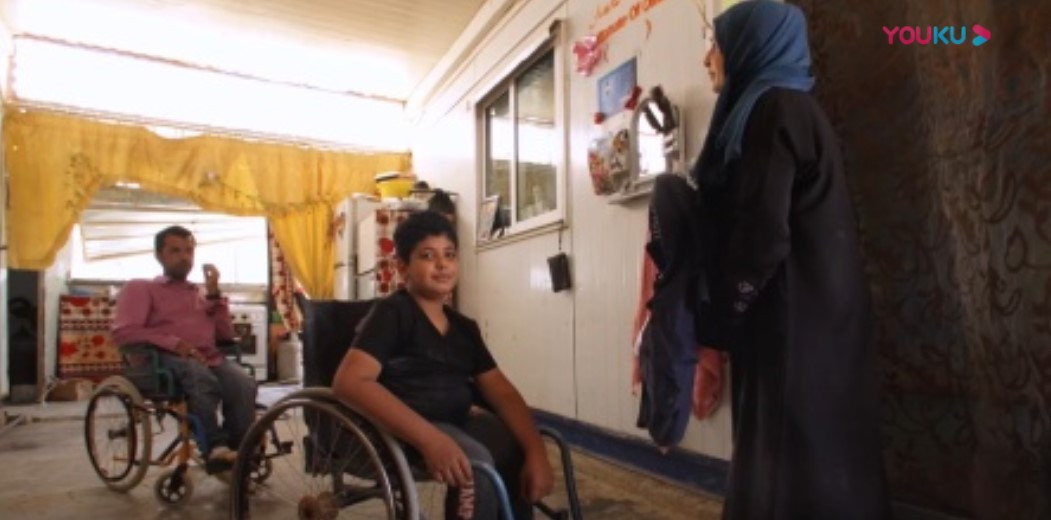 一个小小改变,让难民营里的他们开心到飞起! سنة النشر: 2021 المؤلف المؤسسي: 联合国儿童基金会 本视频介绍了叙利亚难民营中残障儿童所面临的困难与挑战,以及联合国儿童基金会为此所作出的努力。
 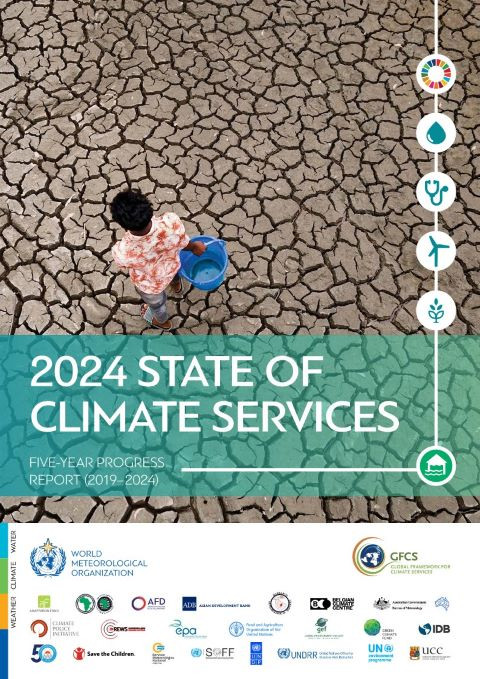 2024 State of Climate Services: Five-year Progress Report (2019–2024) سنة النشر: 2024 المؤلف المؤسسي: World Meteorological Organization (WMO) In 2018, the Conference of the Parties serving as the meeting of the Parties to the Paris Agreement at the 24th Conference of the Parties to the United Nations Framework Convention on Climate Change (UNFCCC) called on WMO, through its Global Framework for Climate Services (GFCS), to regularly report on the state of climate services. WMO has issued annual reports on the state of climate services since 2019 in response to this United Nations request for more information on the adaptation needs of countries. The information helps countries, funding agencies and development partners to identify steps needed to address climate services gaps and needs, to inform more effective investment and to enhance adaptation and development outcomes. The 2024 edition of the report describes the current state of climate services while also examining and assessing the progress that has been made during the last five years. The report explores the climate policy response to the climate challenge and advancements made by Members across numerous value chain components. This year’s edition also includes an in-depth look at how a selection of 13 countries have successfully leveraged climate services to deliver socioeconomic benefits at a national, regional or global level. The analysis draws on 113 case studies that were developed over the last five years across multiple sectors, and examines the key success factors, including showcasing the value being created by climate services. 2024기후서비스현황: 5년경과보고서 (2019–2024) سنة النشر: 2024 المؤلف المؤسسي: World Meteorological Organization (WMO) 2018년 유엔기후변화협약 (UNFCCC) 제24차 당사국 총회에서 파리협정 당사국 회의를 주재하는 총회 (COP)는 WMO가 기후서비스를 위한 글로벌 프레임워크 (GFCS)를 통해 기후 서비스 현황을 정기적으로 보고할 것을 촉구했습니다.WMO는 UNFCCC COP의 국가 적응 요구 사항에 대한 추가 정보 요청에 따라 2019년부터 기후 서비스 현황에 대한 연례 보고서를 발간했습니다.2 제공된 정보는 국가, 자금 기관 및 개발 파트너가 기후서비스 격차와 요구사항을 해결하는 데 필요한 단계를 식별하고, 보다 효과적인 투자를 알리고, 적응 및 개발 결과를 개선하는 데 도움이 됩니다. 2024년판 보고서는 기후 서비스의 현재 상태를 설명하는 동시에 지난 5년 동안 이루어진 진전을 조사하고 평가합니다. 이 보고서는 기후 문제에 대한 기후 정책 대응과 기후 서비스 가치 사슬 전반에 걸쳐 국가 기상 및 수문 서비스 (NMHSs)가 이룬 진전을 살펴봅니다. 올해의 에디션에는 13개국이 기후서비스를 성공적으로 사용하여 국가, 지역 또는 글로벌 수준에서 사회 경제적 혜택을 제공한 방법에 대한 심층적인 조사도 포함됩니다. 이 분석은 지난 5년 동안 여러 부문에 걸쳐 개발된 113개의 사례 연구를 기반으로 하며, 주요 지원 요소를 조사하고, 기후 서비스가 창출하는 가치를 보여줍니다.
 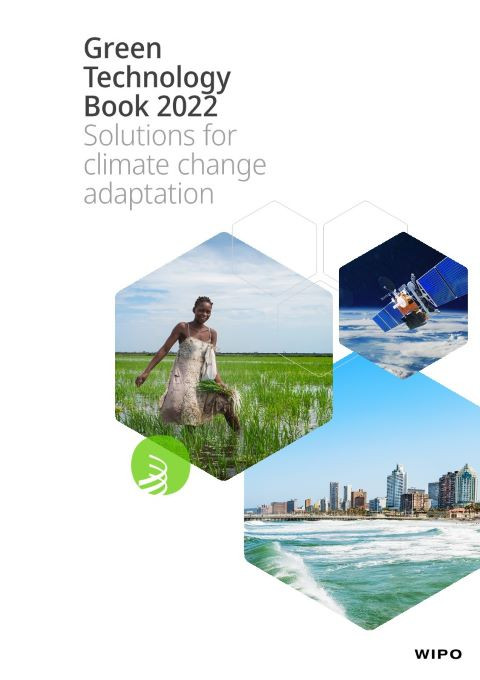 Green Technology Book 2022: Solutions for Climate Change Adaptation سنة النشر: 2022 المؤلف المؤسسي: World Intellectual Property Organization WIPO’s new Green Technology Book puts innovation, technology and intellectual property at the forefront in the fight against climate change. This inaugural edition focuses on available solutions for climate-change adaptation, which aim to reduce vulnerability and increase resilience to climate impacts. The Green Technology Book comes at a time when we are all experiencing the effects of climate change. It concentrates on three areas where climate impacts are important: agriculture and forestry, water and coastal regions, and cities. A practical guide for those struggling with climate change firsthand, the book showcases 200 solutions for climate-change adaptation that are readily available or in the making. The findings build on the WIPO GREEN Technology Database, which connects green technology providers from around the world with those seeking environmentally friendly solutions. The Green Technology Book is a source of encouragement and inspiration, demonstrating the diversity of solutions available and ready to be scaled up.1. Climate change adaptation and technology2. Innovation and transfer of solutions3. Agriculture and forestry4. Water and coastal regions5. Cities6. Conclusion and recommendations
  Securitising Education to Prevent Terrorism or Losing Direction? سنة النشر: 2016 المؤلف: Bill Durodie المؤلف المؤسسي: Society for Educational Studies | Taylor & Francis This article examines the growing relationship between security and education, particularly in the light of the UK government’s Prevent Duty that seeks to tackle radicalization in a variety of milieus, including universities. However, rather than seeing this process as being merely one-way, through a so-called securitization of education, what is explored here is the dialectic between these two spheres. It is suggested that a heightened sensitivity to the supposed consequences of inflammatory rhetoric on the well-being of supposedly suggestible or vulnerable students has been in existence within education for quite some time. Securitising Education to Prevent Terrorism or Losing Direction? سنة النشر: 2016 المؤلف: Bill Durodie المؤلف المؤسسي: Society for Educational Studies | Taylor & Francis Cet article examine le lien grandissant entre la sécurité et l'éducation, à la lumière, en particulier, du programme « Prevent Duty » du gouvernement britannique, qui vise à lutter contre la radicalisation dans différents milieux, tels que les universités. Cependant, plutôt que de voir un simple processus de sécurisation de l'éducation, il s’agit ici d’explorer la dialectique entre ces deux éléments. On pose comme hypothèse qu'une sensibilité accrue aux soi-disant conséquences d’un discours enflammé sur le bien-être des élèves prétendus influençables ou vulnérables existe au sein de l'éducation depuis un certain temps.
  School knowlegde and curriculum standard سنة النشر: 2000 المؤلف: Zhong Qiquan Based on curriculum sociology, criticism towards school knowledge has been expanded. This article first discusses the problems of education in both Japan and China and then emphasizes the important relationship between quality value and curriculum standard. The four elements of school curriculum: curriculum objectives, curriculum content, curriculum implementation and curriculum evaluation are also clarified with regard to design curriculum standard. 学校知识与课程标准 سنة النشر: 2000 المؤلف: Zhong Qiquan 基于课程社会学,对于学校知识的批判增加。文章首先讨论了中国和日本的教育问题,并强调了“素质价值”与课程标准间的重要关系。文章讨论了课程构成的四要素:课程目标、课程内容、课程实施和课程评价,及其与课程标准编制的关系。
 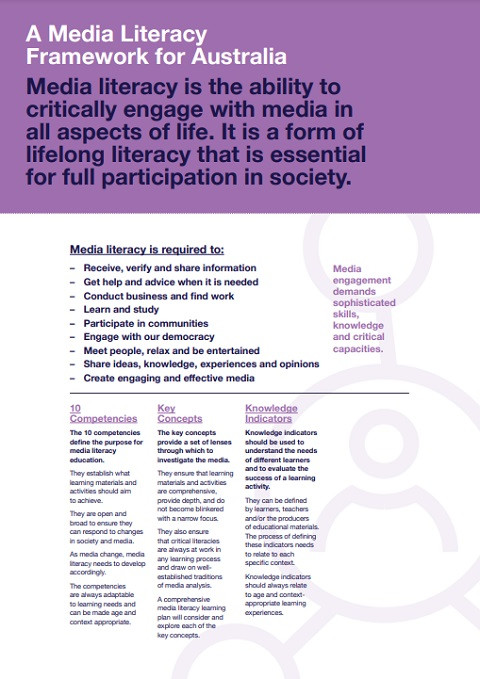 A Media Literacy Framework for Australia سنة النشر: 2020 المؤلف المؤسسي: Australian Media Literacy Alliance (AMLA) AMLA define media literacy as the ability to critically engage with media in all aspects of life.Media literacy complements Digital Literacy and Digital Safety – and all three are required to thrive in a digital world. Digital literacy focuses on the skills and knowledge required to access and use digital technologies. Digital Safety focuses on issues like online hate and abuse, bullying, the protection of personal information and online scams.Media Literacy encourages people to ask critical questions about the media and media technologies using a set of six key concepts. For any example of media (an advertisement, a news story, a film or television program, a YouTube video, video game or a social media post), we can ask the following questions:Institutions: who made this media and why did they make it?Audiences: who was this media made for and how are they likely to respond to it?Representations: how are people, places or ideas portrayed in this media, and what are the impacts of this?Technologies: what technology was used to produce, access and circulate this media? Does the technology gather personal data from users?Languages: how does this media communicate using image, sounds and written text?Relationships: what kind of relationships are being developed through the distribution and use of this media?These questions will have very different answers and follow-on questions depending on the media example, but the process of asking and answering these questions leads to critical understandings, and forms the basis for more successful media experiences. These questions can be asked during the process of consuming, sharing or creating media. They can be integrated as part of any Digital Literacy and Digital Safety learning program.
  The Power of Empathy سنة النشر: 2017 المؤلف المؤسسي: UNESCO This photobook is a tribute to the power of empathy and solidarity felt and expressed by young people. Its photographs and stories were selected from the response to the global youth contest “If I were…”, launched by UNESCO on social media in Arabic, English, French and Spanish in early 2017. UNESCO received some 837 submissions, from 117 countries, covering a wide variety of issues and experiences.Despite the gravity of the themes addressed in these beautiful pictures, hope emerges from the testaments of the young photographers which demonstrate not only a sensitivity to the situations of “others”, but, moreover, a resolve to help people recover and protect their rights and dignity.