
الموارد
استكشف مجموعة واسعة من الموارد القيمة حول تعليم المواطنة العالمية لتعميق فهمك وتعزيز البحث والمناصرة والتعليم والتعلم.
تم العثور على 1,828 نتيجة
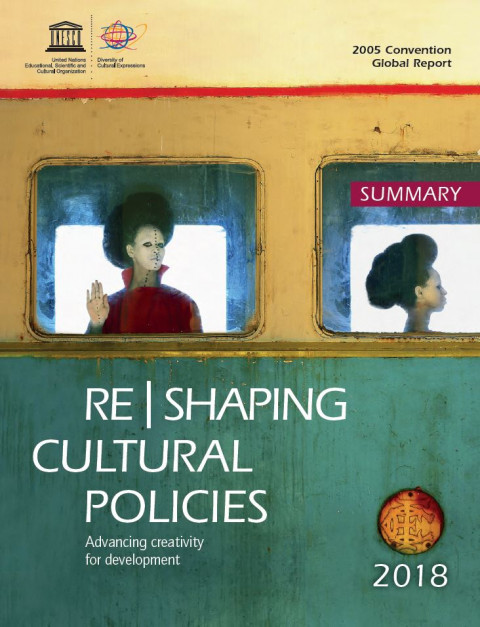 [Summary] Re|shaping Cultural Policies: Advancing Creativity for Development; 2005 Convention Global Report, 2018: Summary سنة النشر: 2017 المؤلف المؤسسي: UNESCO The Global Report series has been designed to monitor the implementation of the UNESCO Convention on the Protection and Promotion of the Diversity of Cultural Expressions (2005). It also provides evidence of how this implementation process contributes to attaining the United Nations 2030 Sustainable Development Goals and targets.The 2018 Global Report analyses progress achieved in implementing the 2005 Convention since the first Global Report was published in 2015.Grounded in the analysis of the Quadrennial Periodic Reports submitted by Parties to the Convention and relevant new findings, this report examines how the 2005 Convention has inspired policy change at the global and country level in ten areas of monitoring. It puts forward a set of policy recommendations for the future, addressing the adaptation of cultural policies to rapid change in the digital environment, based on human rights and fundamental freedoms.When deployed together, the two editions of the Global Report are beginning to produce new and valuable evidence to inform cultural policy making and advance creativity for development. [Résumé] Re|penser les politiques culturelles: la créativité au coeur du développement, Rapport mondial Convention 2005, 2018: résumé سنة النشر: 2017 المؤلف المؤسسي: Organisation des Nations Unies pour l'éducation, la science et la culture (UNESCO) Le Rapport mondial 2018 analyse les progrès accomplis dans la mise en oeuvre de la Convention de 2005 depuis la publication du premier Rapport mondial en 2015.A partir des rapports périodiques quadriennaux soumis par les Parties à la Convention et de nouvelles analyses, ce Rapport examine comment la Convention de 2005 a inspiré des changements politiques aux niveaux mondial et national dans dix domaines clés de l’action politique. Il propose un ensemble de recommandations politiques pour le futur et met l’accent sur l’adaptation des politiques culturelles, fondées sur les droits de l’homme et les libertés fondamentales, afin de faire face aux transformations rapides suscitées par l’environnement numérique.Prises ensemble, les deux éditions du Rapport mondial offrent un ensemble de données et d’informations nouvelles et précieuses qui permettent d’éclairer l’élaboration des politiques culturelles et de placer la créativité au coeur du développement. [Resumen] Re|pensar las políticas culturales: creatividad para el desarrollo, Convención de 2005 Informe Mundial 2018: resumen سنة النشر: 2017 المؤلف المؤسسي: Organización de las Naciones Unidas para la Educación, la Ciencia y la Cultura (UNESCO) Concebida para efectuar el seguimiento de la aplicación de la Convención de la UNESCO sobre la Protección y la Promoción de la Diversidad de las Expresiones Culturales (2005), esta serie de Informes Mundiales también proporciona pruebas de cómo el proceso de aplicación de esta Convención contribuye a la consecución de las metas fijadas en los Objetivos de Desarrollo Sostenible de la Agenda para 2030 de las Naciones Unidas.En el Informe Mundial 2018 se examinan los progresos realizados en la aplicación de la Convención de 2005 desde la publicación del primer Informe en 2015.Basándose en un análisis de los informes periódicos cuadrienales presentados por las Partes en la Convención, así como en los resultados pertinentes de recientes investigaciones, el presente Informe muestra cómo la Convención de 2005 ha contribuido a hacer evolucionar las políticas culturales a nivel nacional y mundial en diez ámbitos. En el Informe se formula un conjunto de recomendaciones sobre esas políticas con vistas al futuro, abordando la cuestión de su adaptación a la rápida evolución del universo digital sobre la base del respeto de los derechos humanos y las libertades fundamentales.Las dos ediciones de 2015 y 2018 del Informe Mundial proporcionan conjuntamente toda una serie de datos recientes y valiosos que aportan información para la elaboración de políticas culturales y contribuyen al progreso de la creatividad para el desarrollo.
  Unpacking Sustainable Development Goal 4 Education 2030: Guide سنة النشر: 2017 المؤلف المؤسسي: UNESCO This guide, organized around a set of questions and answers to “unpack” SDG4, provides overall guidance for a deeper understanding of SDG4 within the 2030 Agenda for Sustainable Development, in order to support its effective implementation. The guide outlines the key features of SDG4-Education 2030 and the global commitments expressed in the SDG4 targets as articulated in the Incheon Declaration and the Education 2030 Framework for Action. The guide also examines the implications of translating these global commitments within, and through, national education development efforts. This guide supplements the UNESCO technical guidelines (2016) for Mainstreaming SDG4-Education 2030 into sector-wide policy and planning. It was developed by Sobhi Tawil, Margarete Sachs-Israel, Huong Le Thu, and Matthias Eck of the UNESCO Section of Partnerships, Cooperation and Research (PCR) within the Division for Education 2030 Support and Coordination. Comprendre l'Objectif de développement durable 4: Education 2030, guide سنة النشر: 2017 المؤلف المؤسسي: Organisation des Nations Unies pour l'éducation, la science et la culture (UNESCO) Le présent guide, qui s’articule autour d’une série de questions et de réponses pour « décoder » l’ODD4, contient des indications générales permettant de mieux comprendre sa place dans le Programme pour le développement durable à l’horizon 2030 et d’assurer sa mise en œuvre efficace. Il met en avant les principales caractéristiques de l’ODD4-Education 2030 et les engagements pris au niveau mondial, manifestés dans les cibles de l’ODD4 telles que formulées par la Déclaration d’Incheon et le Cadre d’action Education 2030.Ce guide complète les principes directeurs techniques de l’UNESCO (2016) pour l’intégration de l’ODD4-Education 2030 au sein de la politique et de la planification sectorielles. Il a été élaboré par Sobhi Tawil, Margarete Sachs-Israel, Huong Le Thu et Matthias Eck de la Section Partenariats, Coopération et Recherche (PCR) de l’UNESCO au sein de la Division d’appui et de coordination d’Éducation 2030.Qu’est-ce que le Programme de développement durable à l’horizon 2030 ?Le Programme de développement durable à l’horizon 2030 est un engagement intergouvernemental et un « plan d’action pour l’humanité, la planète et la prospérité ». Il se compose de 17 Objectifs de développement durable (ODD) « intégrés et indissociables qui concilient les trois dimensions du développement durable : économique, sociale et environnementale », démontrant par ailleurs l’ampleur et l’ambition de ce nouveau Programme universel. Ils ressortent de ce qui a été sans nul doute le processus de consultation le plus inclusif de toute l’histoire des Nations Unies, le fruit de la contribution substantielle de tous les secteurs de la société, de tous les acteurs de la communauté internationale et de toutes les régions du monde. Tous les États membres, l’ensemble du système des Nations Unies, les experts et les représentants de la société civile, du monde des entreprises et, le plus important, des millions de personnes du monde entier, ont pris l’engagement de concrétiser ce large programme qui s’attaque aux préoccupations communes de la planète toute entière et de promouvoir le bien public.
 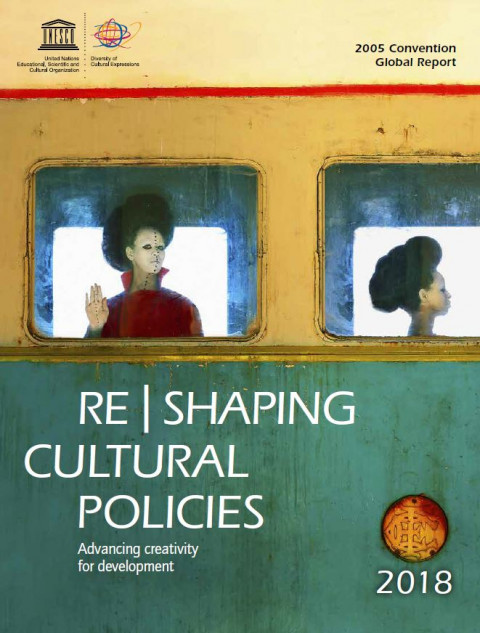 문화정책의 (재)구성: 발전을 위한 창의성 증진; 문화다양성 협약 글로벌 리포트, 2018 سنة النشر: 2018 المؤلف المؤسسي: 유네스코 '글로벌 리포트(Global Report)' 시리즈는 유네스코 「문화적 표현의 다양성 보호과 증진에 관한 협약(2005)」의 이행을 모니터링하기 위해 기획되었다. 본 시리즈는 이러한 이행 과정이 UN의 2030 지속가능발전목표 및 세부목표를 달성하는 데 어떻게 기여하는지 증거를 통해 보여주고 있다.2018년 글로벌 리포트는 2015년에 첫 번째 리포트가 출간된 이후 협약을 이행하면서 이루어진 진전 사항을 분석하고 있다.본 보고서는 협약 당사국들이 제출한 국가보고서에 대한 분석과 그와 관련된 새로운 연구 결과를 바탕으로 협약이 10개의 모니터링 분야에서 세계 및 국가 수준의 정책 변화에 어떻게 영향을 주었는지 검토하고 있다. 또한 본 보고서는 디지털 환경의 급속한 변화에 맞는 문화정책을 다루면서 인권과 기본적 자유를 기반으로 하는 향후 일련의 정책 권고안을 제시하고 있다.이 두 편의 글로벌 리포트는 문화정책을 수립하고 발전을 위한 창의성을 증진시킬 수 있는 새롭고 가치 있는 증거를 제시하기 시작하고 있다. Re|shaping Cultural Policies: Advancing Creativity for Development; 2005 Convention Global Report, 2018 سنة النشر: 2018 المؤلف المؤسسي: UNESCO The Global Report series has been designed to monitor the implementation of the UNESCO Convention on the Protection and Promotion of the Diversity of Cultural Expressions (2005). It also provides evidence of how this implementation process contributes to attaining the United Nations 2030 Sustainable Development Goals and targets.The 2018 Global Report analyses progress achieved in implementing the 2005 Convention since the first Global Report was published in 2015.Grounded in the analysis of the Quadrennial Periodic Reports submitted by Parties to the Convention and relevant new findings, this report examines how the 2005 Convention has inspired policy change at the global and country level in ten areas of monitoring. It puts forward a set of policy recommendations for the future, addressing the adaptation of cultural policies to rapid change in the digital environment, based on human rights and fundamental freedoms.When deployed together, the two editions of the Global Report are beginning to produce new and valuable evidence to inform cultural policy making and advance creativity for development. Repenser les politiques culturelles: la créativité au coeur du développement; Rapport mondial Convention 2005, 2018 سنة النشر: 2018 المؤلف المؤسسي: Organisation des Nations Unies pour l'éducation, la science et la culture (UNESCO) La série des Rapports mondiaux a été conçue pour faire le suivi de la mise en oeuvre de la Convention de l’UNESCO sur la protection et la promotion de la diversité des expressions culturelles (2005). Elle sert également à montrer comment ce processus contribue à la réalisation des Objectifs de développement durable des Nations Unies à l’horizon 2030.Le Rapport mondial 2018 analyse les progrès accomplis dans la mise en oeuvre de la Convention de 2005 depuis la publication du premier Rapport mondial en 2015.A partir des rapports périodiques quadriennaux soumis par les Parties à la Convention et de nouvelles analyses, ce Rapport examine comment la Convention de 2005 a inspiré des changements politiques aux niveaux mondial et national dans dix domaines clés de l’action politique. Il propose un ensemble de recommandations politiques pour le futur et met l’accent sur l’adaptation des politiques culturelles, fondées sur les droits de l’homme et les libertés fondamentales, afin de faire face aux transformations rapides suscitées par l’environnement numérique.
  Educación para el desarrollo sostenible: Asociados en la acción; Informe de los asociados clave del Programa de Acción Mundial de Educación para el Desarrollo Sostenible (2015-2019) سنة النشر: 2019 المؤلف المؤسسي: Organización de las Naciones Unidas para la Educación, la Ciencia y la Cultura (UNESCO) La UNESCO puso en marcha el Programa de Acción Mundial de Educación para el Desarrollo Sostenible (EDS) como seguimiento del Decenio de las Naciones Unidas de la EDS, con el fin de acelerar el progreso del desarrollo sostenible e intensificar las iniciativas de EDS en todas las esferas de la educación y el aprendizaje. Este Programa se desarrolló entre 2015 y 2019. La UNESCO trabajó con una red de 97 asociados clave del Programa de Acción Mundial, procedentes de gobiernos, la sociedad civil, el sector privado y el mundo académico que trabajan en cinco ámbitos de acción prioritarios: la promoción de políticas, la transformación de los entornos de aprendizaje, el desarrollo de la capacidad de los educadores, el empoderamiento de los jóvenes y la aceleración de las soluciones sostenibles a escala local. Los asociados clave del Programa se comprometieron a cumplir objetivos específicos para 2019.Se desarrollaron diez indicadores, dos por cada ámbito de acción prioritario.Los asociados clave del Programa informaron de sus progresos en relación con esos indicadores en tres encuestas que les envió la UNESCO a lo largo del Programa. También se invitó a los asociados clave a que valoraran los beneficios que había tenido para su labor la participación en el Programa de Acción Mundial y a que proporcionaran datos cualitativos sobre los progresos realizados en la aplicación del mismo. Se elaboraron tres informes sobre los progresos realizados:• El primer informe, que abarca los progresos realizados entre 2015 y 2016, fue publicado por la UNESCO en 2017.• El segundo informe, que abarca de 2015 a 2018, se publicó en 2019.• Este tercer y último informe abarca todo el periodo del Programa de Acción Mundial, desde 2015 hasta 2019.En el presente informe se presenta el análisis de las respuestas cuantitativas de los asociados clave del Programa a cada uno de los diez indicadores. Sobre la base de las respuestas cualitativas, se ofrece también un breve comentario sobre los progresos realizados en relación con cada indicador. Este breve informe concluye con algunas enseñanzas extraídas del Programa de Acción Mundial que pueden servir de base para la aplicación del nuevo marco mundial para el periodo 2020-2030: “Educación para el desarrollo sostenible: hacia la consecución de los ODS (EDS para 2030)”. Образование в интересах устойчивого развития: Партнеры в действии; Доклад ключевых партнеров по Глобальной программе действий (ГПД) (2015-2019 гг.) سنة النشر: 2019 المؤلف المؤسسي: Организация Объединенных Наций по вопросам образования, науки и культуры (UNESCO) По итогам Десятилетия образования в интересах устойчивого развития (ОУР) Организации Объединенных Наций ЮНЕСКО предприняла осуществление Глобальной программы действий (ГПД) по ОУР в целях содействия устойчивому развитию и расширению масштабов действий в сфере ОУР во всех областях образования и обучения. Время осуществления программы – с 2015 г. по 2019 г. ЮНЕСКО развернула сотрудничество с сетью из 97 ключевых партнеров по ГПД, представляющих правительство, гражданское общество, частный сектор и академические круги. Деятельность осуществлялась в пяти приоритетных областях: разработка политики, преобразование учебной среды, создание потенциала преподавателей, расширение прав и возможностей молодежи и содействие принятию устойчивых решений на местном уровне. Ключевые партнеры по ГПД взяли на себя обязательство выполнить к 2019 г. ряд конкретных задач. Было разработано десять целевых показателей – по два для каждой приоритетной области деятельности. Ключевые партнеры по ГПД представили информацию о прогрессе в достижении этих показателей, ответив на три опроса, которые ЮНЕСКО направила им в ходе осуществления программы. Ключевым партнерам было также предложено оценить преимущества, полученные ими самими благодаря участию в ГПД, и представить данные качественного характера о ходе работы. Достигнутым успехам были посвящены три доклада: первый доклад, охватывающий период 2015-2016 гг., был выпущен ЮНЕСКО в 2017 г.; второй доклад, охватывающий период 2015-2018 гг., был опубликован в 2019 г.; настоящий доклад, третий и заключительный, охватывает весь период осуществления ГПД с 2015 г. по 2019 г. В этом докладе содержится анализ количественных данных, представленных ключевыми партнерами по ГПД по каждому из десяти показателей. На основе качественных ответов, представленных ключевыми партнерами по ГПД, в докладе также дается краткий комментарий о ходе работы над каждым показателем.В заключительной части доклада содержатся некоторые выводы, касающиеся осуществления ГПД, которые могут послужить информационной основой для реализации новых рамочных принципов деятельности в области ОУР на период 2020-2030 гг. под названием «Образование в интересах устойчивого развития: на пути к достижению ЦУР (ОУР на период до 2030 г.)».