
الموارد
استكشف مجموعة واسعة من الموارد القيمة حول تعليم المواطنة العالمية لتعميق فهمك وتعزيز البحث والمناصرة والتعليم والتعلم.
تم العثور على 1,828 نتيجة
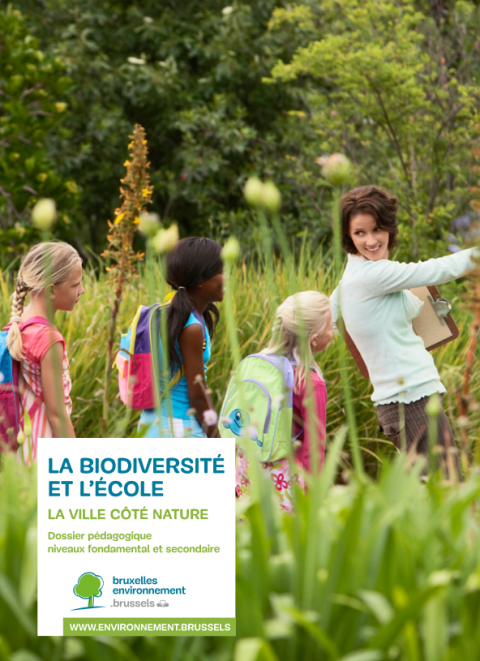 La biodiversité et l'école: la ville côté nature سنة النشر: 2019 المؤلف المؤسسي: Bruxelles Environnement Ce dossier pédagogique donne des infos de qualité sur la thématique et des pistes pour mener des activités concrètes au sein de l'école. Les activités proposées allient pédagogie et actions. Ce dossier vous propose divers outils et activités pédagogiques pour passer à l’action avec votre classe ou école : simple découverte de la biodiversité pour motiver vos élèves ; activités pour mieux comprendre la biodiversité à Bruxelles, son importance et les pressions qui pèsent sur elle, et actions concrètes pour la protéger ou la développer, au départ de l’école ou du quartier.
  A Report on Korean-Sustainable Development Goals (K-SDGs) 2019 سنة النشر: 2019 المؤلف المؤسسي: 대한민국 환경부 지속가능발전위원회 South Korea's Commission on Sustainable Development set up the Korean Sustainable Develpment Goals(K-SDGs) in 2018 by applying the international sustainable development goal system to domestic circumstances. 국가 지속가능발전목표(K-SDGs) 수립보고서 2019 سنة النشر: 2019 المؤلف المؤسسي: 대한민국 환경부 지속가능발전위원회 K-SDGs는 국제적 정세에 대응하여 수립한 한국형 SDGs이며, 경제, 사회, 환경 등 국정 전 분야를 아울러 대한민국이 가야 할 2030년까지 이정표를 설정한 것이다.
  Progress Report on the Implementation of the UNECE Strategy for Education for Sustainable Development سنة النشر: 2010 المؤلف المؤسسي: State Agency on Environment Protection and Forestry (Kyrgyzstan) This report aims to evaluate the implementation of the UNECE Strategy for Education for Sustainable Development in the Kyrgyz Republic as part of the United Nations Decade of Education for Sustainable Development (2005-2014). The report presents the results of efforts aimed at implementing ESD, current challenges with reference to socio-economic conditions and development prospects. This report has been prepared by the State Agency for Environmental Protection and Forestry of the Kyrgyz Republic with the participation of interested departments, international and local experts. In preparing the report, materials and reports of international organizations - the OSCE, were used,UNESCO, UNDP, etc. Доклад о ходе осуществления стратегии ЕЭК ООН для образования в интересах устойчивого развития سنة النشر: 2010 المؤلف المؤسسي: Государственное агентство охраны окружающей среды и лесного хозяйства (Кыргызстан) Данный отчет направлен на оценку результатов осуществления стратегии ЕЭК ООН для образования в интересах устойчивого развития в Кыргызской Республике в рамках проводимого Организацией Объединенных Наций Десятилетия образования в интересах устойчивого развития (2005-2014 годы). В отчете представлены результаты усилий, направленных на внедрение ОУР, текущие вызовы со ссылкой на социально-экономические условия и перспективы развития. Настоящий доклад подготовлен Государственным агентством Охраны Окружающей Среды и Лесного Хозяйства КР с участием заинтересованных ведомств, международных и местных экспертов. При подготовке отчета были использованы материалы и отчеты международных организаций – ОБСЕ, ЮНЕСКО, UNDP, и т.д.
  Overview of Central Asia on Education for Sustainable Development سنة النشر: 2006 المؤلف المؤسسي: Regional Environmental Centre for Central Asia (CAREC) This review summarizes the great work carried out by the Central Asian countries in the framework of the implementation of the UN Decade on ESD and the CAREC EE and ESD Program, and aims to achieve significant results in the implementation of the ESD Strategy for the Ministerial Conference in Belgrade in 2007. Обзор Центральной Азии о прогрессе в области образования в интересах устойчивого развития سنة النشر: 2006 المؤلف المؤسسي: Regional Environmental Centre for Central Asia (CAREC) Данный обзоре обобщает большую работу, проделанную странами Центральной Азии в рамках реализации Десятилетия ООН по ОУР и Программы ЦАРЭС в области ЭЭ и ОУР, и направлена на достижение значительных результатов в реализации Стратегии ОУР для Министерской конференции в Белграде в 2007 году.
  Международная научно-практическая конференция "Вода для устойчивого развития Центральной Азии" سنة النشر: 2018 المؤلف المؤسسي: Институт водных проблем, гидроэнергетики и экологии Национальной академии наук Таджикистана В настоящий сборник включены материалы Международной научно-практической конференции «Вода для устойчивого развития Центральной азии».В сборнике отражены современное состяние водных ресурсов Центральной Азии и перспективы устойчивого развития.
  Rethinking post-Soviet Society: Multiculturalism in Central Asia سنة النشر: 2014 المؤلف: Nurlan Muminov, Zhasulan Orynbaev The article is devoted to the analysis of the post-Soviet society of Central Asia on the example of Uzbekistan and Kazakhstan with reference to the phenomenon of multiculturalism. In addition, the authors will try to answer the following basic questions: what social problems do multinational and multicultural post-Soviet societies face? and how to solve interethnic and intercultural problems of societies of post-Soviet countries in the process of creating each of them their own unitary national state. Переосмысление постсоветское общество: мультикультурализм в странах Центральной Азии سنة النشر: 2014 المؤلف: Nurlan Muminov, Zhasulan Orynbaev Статья посвящена анализу постсоветского общества Центральной Азии на примере Узбекистана и Казахстана со ссылкой на феномен мультикультурности. Кроме того, вавторы постараются ответить на следующие основные вопросы: какими общественными проблемами сталкиваются многонациональные и мультикультурные постсоветские общества; и как решаются межэтнические и межкультурные проблемы обществ постсоветских стран в процессе создания каждым из них собственного унитарного национального государства.