
الموارد
استكشف مجموعة واسعة من الموارد القيمة حول تعليم المواطنة العالمية لتعميق فهمك وتعزيز البحث والمناصرة والتعليم والتعلم.
تم العثور على 2,781 نتيجة
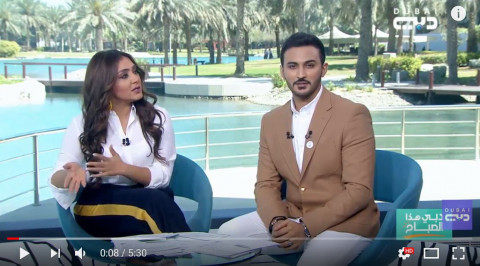 أثر تعلم لغة أجنبية على اللغة العربية سنة النشر: 2018 المؤلف المؤسسي: Dubai TV برنامج صباحي بإشراف الإعلامية مايه حجيج, يتناول مواضيع تهم الشباب العربي.من الامارات, نقدم أهم ما توصلت اليه التكنولوجيا الحديثة وما يتطلع اليه العالم في السنوات المقبلة.مواضيع شبابية, هي أولويات كل شاب عربي, انطلاقا من الصحة والعائلة, مرورا بالتعليم وفرص العمل وصولا الى السياحة والترفيه.بالإضافة الى مواضيع إنسانية نتطرق اليها لنسلط الضوء على جهود الشباب المستمرة لإثبات ذاتهم في المجتمع. The Impact of Learning a Foreign Language on the Arabic Language سنة النشر: 2018 المؤلف المؤسسي: Dubai TV Morning program under the supervision of the media Maya Hajij, deals with topics of interest to Arab youth.From the UAE, we present the most important modern technology and what the world aspires in the coming years.Youth topics are the priorities of every Arab youth, from health and family, through education and job opportunities to tourism and leisure.In addition to humanitarian topics we address to highlight the ongoing efforts of young people to prove themselves in society.
 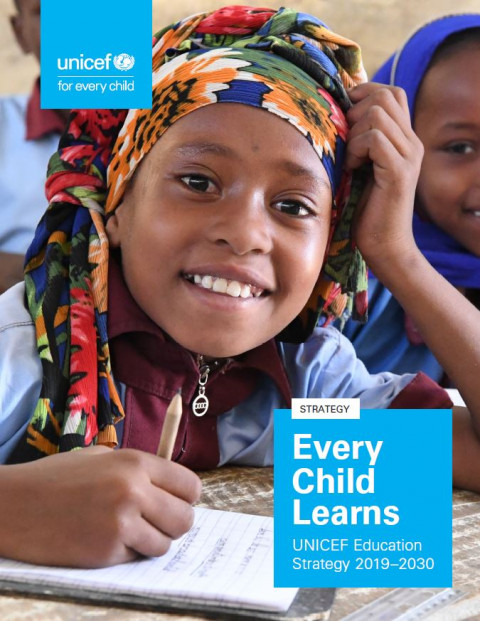 Every Child Learns: UNICEF Education Strategy 2019–2030 سنة النشر: 2019 المؤلف المؤسسي: United Nations Children's Fund (UNICEF) The gap between the levels of learning that education systems are providing and what children, communities and economies need, is growing. The breadth and depth of this learning crisis constitute the greatest global challenge to preparing children and adolescents for life, work and active citizenship. The lesson of the learning crisis is clear: the conventional assembly of education inputs is not improving learning outcomes. This presents a fundamental challenge to the way that governments, development partners and communities are managing and supporting education systems. A new, more radical approach that focusses on enhancing learning outcomes is long overdue and forms the basis for this strategy.The report also outlines the shift towards a greater focus on improving learning outcomes, including supporting the breadth of skills that allow young people to become agile, adaptive learners and citizens, equipped to navigate personal, social, academic, economic and environmental challenges.
 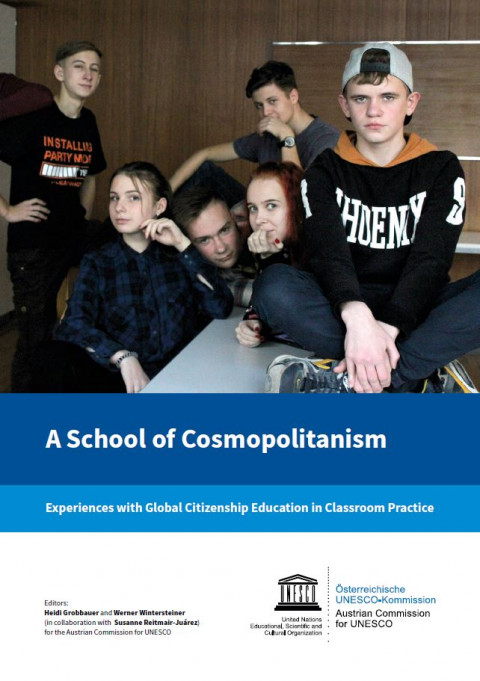 A School of Cosmopolitanism: Experiences with Global Citizenship Education in Classroom Practice سنة النشر: 2019 المؤلف: Heidi Grobbauer | Werner Wintersteiner المؤلف المؤسسي: Austrian Commission for UNESCO This publication focuses on examples from academic practice: this best practice collection demonstrates how young people can successfully be inspired to “think globally, act locally”. What is crucial is maintaining a view of the wider world; in particular, cooperation efforts with educational institutes outside of Europe (e.g. “élèves pour élèves” in Burkina Faso) provide a critical awareness of global connections. Learning to know/Learning to do/Learning to be/Learning to live together – these four pillars form the pedagogical foundation of the work carried out at more than 90 UNESCO schools throughout the whole of Austria. Since their founding in 1957, UNESCO schools have been considered model schools at which lessons are structured in a project-oriented, participative and even topic-specifc way. The unique ‘spirit’ of UNESCO schools often makes special projects possible. In the programme for the annual meetings of recent years, for example, Global Citizenship Education has been an ongoing topic of focus, accompanied by experts from various specialised institutions and NGOs. The pedagogical preparation of contents in a manner that ensures they are actually absorbed in the classroom presents a major challenge. Different types of schools have different educational goals, and the themes have to be made accessible for different age groups. The pedagogical finesse of each class team or individual teacher lies in finding the most motivating approaches.
  Charlevoix Declaration on Quality Education for Girls, Adolescent Girls and Women in Developing Countries سنة النشر: 2018 المؤلف المؤسسي: G7 The Charlevoix Declaration is a commitment from the Leaders of the G7 to work towards inclusive, quality, equitable education for girls, adolescent girls, and women in developing countries and crisis contexts.The Charlevoix Declaration on Quality Education for Girls, Adolescent Girls and Women in Developing Countries represents a joint effort from the Leaders of G7 countries to step up for girls and women in conflict and crisis contexts. Focusing both on dismantling the barriers to education and improving the quality of education, the G7 have committed to promote and improve learning outcomes for both refugees and host communities, while also working to reduce the time children and youth, especially girls, are out of school as a result of conflict and displacement.To support the implementation of the Charlevoix Declaration, Canada also led the mobilization of CDN $3.8+ billion. With contributions from the World Bank, the European Union, Japan, Germany, and the United Kingdom, this initiative represents the single largest investment in education for girls in conflict and crisis settings.
  ندوة تمكين المراة في المملكة - هيئة حقوق الإنسان سنة النشر: 2019 المؤلف المؤسسي: HRCSaudi ندوة تمكين المرأة في المملكة أقيمت يوم الخميس 1440/6/30هـ الموافق 2019/3/7م بتنظيم هيئة حقوق الإنسان وبالتعاون مع مكتب الأمم المتحدة بالرياض بفندق ريتز كارلتون.
 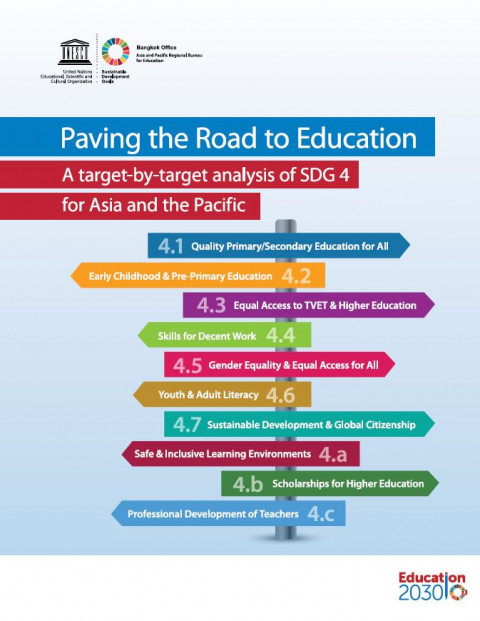 Paving the Road to Education: A Target-by-Target Analysis of SDG 4 for Asia and the Pacific سنة النشر: 2018 المؤلف المؤسسي: UNESCO Bangkok The globally adopted development agenda “Transforming our World: the 2030 Agenda for Sustainable Development” has established ambitious intentions that build on the past Millennium Development Goals but also expand on their achievements.The Sustainable Development Goal 4 on education propels forward the vision of ensuring inclusive and equitable quality education and to promote lifelong learning opportunities for all through a holistic, aspirational and systematic education agenda. Education monitoring is an integral part in this process.This publication delivers a data-rich snapshot of Sustainable Development Goal 4, its targets and their monitoring indicators while analyzing available data through a lens of inequality.Assessing the progress which countries have made in the recent past as well as where countries currently stand, this publication sets a baseline against which Member States from Asia and the Pacic are able to monitor progress in achieving the Goal 4 over time but at latest by 2030.Finally, after discussing emerging opportunities and remaining challenges in the region, this publication seeks to assist Member States in identifying what steps can be taken to ensure that the region will achieve the new education agenda.
 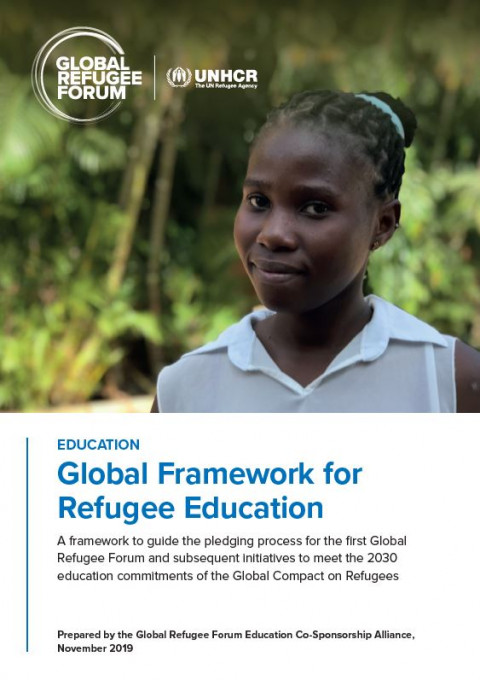 Global Framework for Refugee Education سنة النشر: 2019 المؤلف المؤسسي: Global Refugee Forum Education Co-Sponsorship Alliance | UN. Office of the United Nations High Commissioner for Refugees (UNHCR) This Global Framework for Refugee Education has been produced by the Global Refugee Forum’s Education Co-Sponsorship Alliance, comprising more than 60 partners. It aims to help partners to translate the Global Compact on Refugees and the Refugee Education 2030: A Strategy for Refugee Inclusion into pledges for concrete action to help achieve inclusive and equitable quality education for all by 2030.
 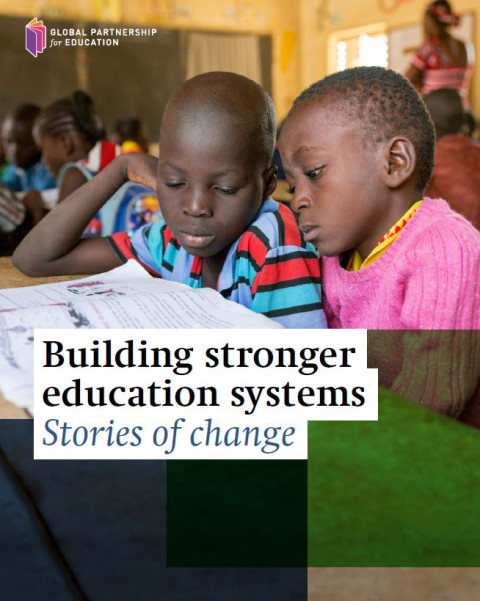 Building Stronger Education Systems: Stories of Change سنة النشر: 2019 المؤلف المؤسسي: The Global Partnership for Education (GPE) A compilation of results stories which show the progress that GPE's developing country partners are making in getting more children, especially girls, in school and learning. The brochure includes stories from Afghanistan, Benin, Burkina Faso, Djibouti, Eritrea, Ethiopia, Guyana, Kenya, Pakistan, Papua New Guinea and Sudan. Construire des systèmes éducatifs plus performants : parcours de réussite سنة النشر: 2019 المؤلف المؤسسي: The Global Partnership for Education (GPE) Cette brochure présente des parcours de réussite attestant des progrès accomplis par les pays en développement partenaires du PME pour que davantage d’enfants, et en particulier de filles, aillent à l’école et bénéficient d’une éducation de qualité.Elle met en évidence les cas des pays tels que l'Afghanistan, le Bénin, le Burkina Faso, Djibouti, l’Érythrée, l’Éthiopie, le Guyana, le Kenya, le Pakistan, la Papouasie-Nouvelle-Guinée et le Soudan.