
الموارد
استكشف مجموعة واسعة من الموارد القيمة حول تعليم المواطنة العالمية لتعميق فهمك وتعزيز البحث والمناصرة والتعليم والتعلم.
تم العثور على 3,229 نتيجة
 كيفيات التربية المدرسية على قيم المواطنة في ظل المبادئ التي تحملها الدول العربية المتجهة نحو الديمقراطية من أجل تحقيق التكامل المجتمعي (مجلة هيرودوت ، المجلد 6 ، رقم 1) سنة النشر: 2022 المؤلف: Zahya Shuashi | Noura Diradi المؤلف المؤسسي: Herodotus Foundation for Scientific Research and Training تناقش هذه الورقة البحثية موضوع التربية على المواطنة من خلال الأدوار التي تقوم بها الأنظمة التعليمية والتربوية في العالم العربي، وسيركز موضوعنا على فكرة تثمين وتعزيز إدماج ثقافة المواطنة في الحقل التعليمي وترسيخها خاصة وأنها أصبحت مطلب من مطالب الديمقراطية التي تحاول الدول العربية الانخراط فيها، وفي ظل التحديات التي يفرضها النظام العالمي الجديد، وهي محاولة تستخدم على صعيد المناهج التعليمية للاستجابة للمتطلبات الاجتماعية والقيم الثقافية وطموحات المواطنين، وذلك من خلال ترسيخ ثقافة المواطنة عبر التربية الشاملة، مع تأطير كل ذلك داخل الفضاء الثقافي المجتمعي والذي يطلق عليه تسمية المدرسة، لكن لكي يتحقق ذلك لابد من اعتماد المدرسة في الدول العربية على فلسفة تربوية تقوم على برامج ومناهج حية تستهدف ترسيخ أخلاقيات وسلوكيات المواطنة الحقة، والتي تظهر أثارها الإيجابية في حياة أفراد المجتمع، ونسعى هنا إلى تبيان العلاقة بين فكرة التربية على المواطنة باستخدام مناهج تتماشى ومسارات التطور العلمي للارتقاء بإنسانية المواطن المتعلم، فهل فعلا أسهمت المناهج التعليمية في البلدان العربية من تحقيق التربية على المواطنة Modalities of School Education on the Values of Citizenship in Light of the Principles Carried by Arab Countries Moving Towards Democracy in Order to Achieve Societal Integration (Herodote Journal; vol. 6, no. 1) سنة النشر: 2022 المؤلف: Zahya Shuashi | Noura Diradi المؤلف المؤسسي: Herodotus Foundation for Scientific Research and Training This research paper discusses the topic of citizenship education through the roles played by the educational and educational systems in the Arab world, and our topic will focus on the idea of valuing and promoting the integration and consolidation of the culture of citizenship in the educational field, especially since it has become one of the demands of democracy that Arab countries are trying to engage in. The challenges posed by the new world order, which is an attempt to be used on the level of educational curricula to respond to the social requirements, cultural values and aspirations of citizens, by consolidating the culture of citizenship through comprehensive education, while framing all of this within the societal cultural space called the school, but in order to achieve this. The school in the Arab countries must rely on an educational philosophy based on live programs and curricula aimed at consolidating ethics and true citizenship behaviors, which show their positive effects on the lives of community members, and we seek here to clarify the relationship between the idea of citizenship education by using curricula that are in line with the scientific development paths to advance the citizen's humanity The learner, so did the educational curricula in the Arab countries really contribute to achieving citizenship education?
 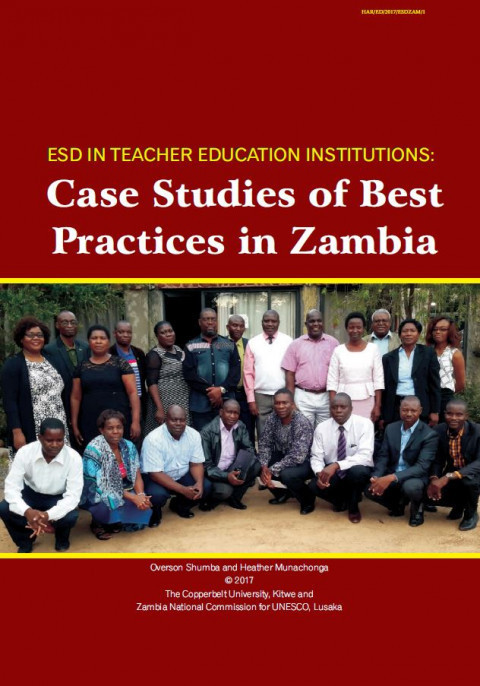 ESD in Teacher Education Institutions: Case Studies of Best Practices in Zambia سنة النشر: 2017 المؤلف: Overson Shumba | Heather Munachonga المؤلف المؤسسي: Zambia National Commission for UNESCO | Copperbelt University This book is a compilation of case studies on best practices in education for sustainable development in teacher education institutions in Zambia. It contributes to the dissemination of the best practices among the institutions and the wider society. It adds to examples of practices that are relevant to the UNESCO Global Action Programme on Education for Sustainable Development (GAP). The project was coordinated by Professor Overson Shumba at the Copperbelt university in Kitwe and Heather Munachonga, Programme Officer at the Zambia National Commission for UNESCO in Lusaka. The book was made possible with funding and support from UNESCO, Paris, the Ministry of General Education, the Copperbelt University, and the Zambia National Commission for UNESCO. All the institutions were supported by the teacher education institutions and their partners. The book illustrates some of the actions undertaken consistent with pursuit of the education SDG4 target 7. It is expected that this book will lead teacher educators and teachers to come up with further innovations and to integrate them in their professional work. Whole institution actions are encouraged so that best practices as found in this book can permeate and transform all aspects of the institution: the curriculum, teaching, assessment, research, extra-curricular activities, and operations, and must involve everyone, students, workers, lecturers, and the surrounding community.
 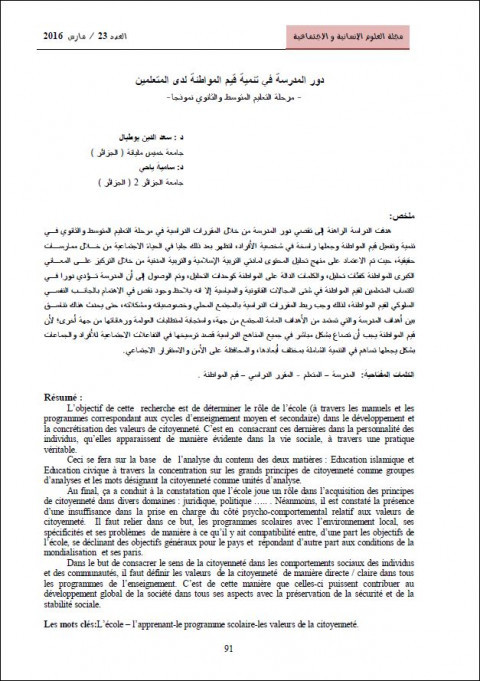 دور المدرسة في تنمية قيم المواطنة لدى المتعلمين : مرحلة التعليم المتوسط والثانوي نموذجا سنة النشر: 2016 المؤلف: بوطبال، سعد الدين المؤلف المؤسسي: University of Ouargla هدفت الدراسة الراهنة إلى تقصي دور المدرسة من خلال المقررات الدراسية في مرحلة التعليم المتوسط والثانوي في تنمية وتفعيل قيم المواطنة وجعلها راسخة في شخصية الأفراد، لتظهر بعد ذلك جليا في الحياة الاجتماعية من خلال ممارسات حقيقية. جرى الاعتماد على منهج تحليل المحتوى لمادتي التربية الإسلامية والتربية المدنية من خلال التركيز على المعاني الكبرى للمواطنة كفئات تحليل، والكلمات الدالة على المواطنة كوحدات التحليل. توصلت الدراسة إلى أن المدرسة تؤدي دورا في اكتساب المتعلمين لقيم المواطنة في شتى المجالات القانونية والسياسية، إلا انه يلاحظ وجود نقص في الاهتمام بالجانب النفسي السلوكي لقيم المواطنة، لذلك وجب ربط المقررات الدراسية بالمجتمع المحلي وخصوصياته ومشكلاته حتى يحدث تناسق بين أهداف المدرسة التي تستمد من الأهداف العامة للمجتمع من جهة، والاستجابة لمتطلبات العولمة ورهاناتها من جهة أخرى، لأن قيم المواطنة يجب أن تصاغ بشكل مباشر في جميع المناهج الدراسية قصد ترسيخها في التفاعلات الاجتماعية للأفراد والجماعات بشكل يجعلها تساهم في التنمية الشاملة بمختلف أبعادها، والمحافظة على الأمن والاستقرار الاجتماعي. The Role of the Secondary School in the Development of Citizenship Values of the Learners سنة النشر: 2016 المؤلف: بوطبال، سعد الدين المؤلف المؤسسي: University of Ouargla This study aims at determining the role of school (dea the manuals and the programs of secondary school)in the development and the consolidation of citizenship values in individuals personalities,so,as to be clear in the social life by implementing real policy.This will be achieved all the bases of content analysis of two subjects: Islamic education and physical education by focusing all the grat principles of citizenship as group of analysis and on words referring to citizenship as units of analysis.To conclude, this has lead to observe that the school plays a role in the acquisitions of citizenship principles in different areas (legal, politics,..).However, it has interest of been observed a lack in psycho behavior aspects relating to citizenship values.To achieve this goal, the school programs should be linked to the social environment (with all its specifities problems) so, as to be in harmony with school goals and to respond to globalization requirements in order to consolidate the sense of citizenship in the behavior of individuals and communities. Citizenship values school be clearly defined in all teaching programs for global development of society, with the preservation of social security and stability.
  تحديات التربية العربية في القرن الحادي والعشرين وأثرها في تحديد دور معلم المستقبل سنة النشر: 2007 المؤلف: ملكاوي، نازم محمود المؤلف المؤسسي: University of Sharjah استهدفت الدراسة التعرف على أهم التحديات والقضايا التي تواجه التربية العربية خلال القرن الحالي، كالتحدي الثقافي، والتربية المستدامة، وقيادة التغيير، وثورة المعلومات، وتمهين التعليم، والأزمة البيئية، لتكون منطلقاً في إبراز دور وأهمية وملامح معلم المستقبل. وتبين أن ما أعد له المعلم خلال القرن الماضي لا يتناسب ومتطلبات الدور الذي سيؤديه خلال القرن الحالي، حيث مدارس المستقبل الإلكترونية، والتعليم الإلكتروني من خلال الشبكات الممتدة عبر العالم، كما لم يعد المعلم هو المصدر الوحيد للمعلومات والمعارف، فهناك وسائل ومصادر متنوعة ومتعددة تضخ كميات هائلة من المعلومات، يستطيع الطلبة بسهولة ويسر تلقيها، فتؤثر فيهم، مما يفرض على معلم المستقبل تنمية قدراته الفكرية والثقافية والفنية.. الخ، وفهم دوره الجديد في توجيه كل هذه المصادر لخدمة الأهداف التربوية التي تصب في مصلحة وطنه وأمته. وأن يدرك أن المعرفة والتحكم بها هي أهم مصادر الثروة... واستخلصت الدراسة بعض الملامح والأدوار لمعلم المستقبل ليستطيع أداء رسالته بحيث يكون معلماً مدركاً أهمية المهنة التي يمارسها وقدسيتها، مشاركاً في اتخاذ القرارات، وقادراً على مد العملية التعليمية خارج أسوار المدرسة، مدركاً موقعه وأهميته في عصر العولمة والتقدم والانفتاح...خبيراً في طرق البحث عن المعلومة، يستند في عمله وسلوكه وممارساته إلى قاعدة فكرية وتربوية متينة، وعقيدة إيمانية قوية، قادراً على تهيئة طلبته للخلق والإبداع والابتكار والتجديد والتعلم المستمر. وأوصت الدراسة بضرورة بناء خطة تربوية تكاملية للأمة العربية حيث الظروف متشابهة، مستندين بتخطيطهم على البحث الميداني للواقع الحقيقي للمعلم والعملية التعليمية. Challenges of Arab Education in the Twenty-First Century and Its Effect in Determining the Role of Teachers in the Future سنة النشر: 2007 المؤلف: ملكاوي، نازم محمود المؤلف المؤسسي: University of Sharjah This study aims at recognizing the most important challenges and issues, which Arab education has encountered during the current century in order to initiate a starting point for highlighting the role of teaching and its importance for future teachers. Among such challenges have been cultural hurdles, sustainable education, change leadership, the information revolution, vocational instruction, and environmental crises.The study points out that the role of a teacher in previous centuries was substantially different from the role teachers are required to perform in this century, this with reference to electronic education, which has already been established throughout the world, and future electronic schools. The teacher is no longer the sole source of knowledge and information. In fact, there are various means and sources available with huge quantities of information that can be easily retrieved and applied to teaching, which might in turn encourage instructors to develop their thought processes and cultural and technical capabilities.Current and future instructors must have an understanding of their new role in directing all of these sources in order to serve educational objectives in the interest of their countries and the Arab nation as a whole. Knowledge and its use should be viewed as among the most important sources of wealth. It is unity not division, wholeness not partiality, swiftness not reluctance that should form the basis of the new educational model. The study focuses on the features and role of the future teacher so that he/she might perform the teaching mission properly. The importance of the teaching profession is made clear along with the need for instructors to participate in higher levels of the educational decision-making process.Instructors need to participate in the educational process inside and outside school and realize the importance of teaching in this age of globalization, progress and openness. Instructors need to be experts in the means and methods for accessing information. They should depend upon a solid and thoughtful educational basis, supported by a strong belief in the career of teaching as a profession and the importance of the instructor’s own behaviour so as to prepare students with creativity, innovation and their constant learning in mind.The study recommends building a comprehensive educational plan for the Arab nation, where similar circumstances permit, the planning of which should be based on field and scientific research and encompass both the teacher and the educational process.
  The State of Global Education in Europe 2018 سنة النشر: 2018 المؤلف المؤسسي: Global Education Network Europe (GENE) The State of Global Education in Europe reports on policy, strategy and funding for Global Education in European countries, based primarily on information submitted by the ministries, agencies and national coordinating bodies that participate in GENE (Global Education Network Europe). This third edition of the report identifies thematic trends and crosscutting issues and explores funding levels for Global Education across Europe. It also includes a chapter outlining some of the work done on evaluation across GENE, and concludes with a selection of highlights from the network. There are examples of national policy and practice throughout the report. This report on the State of Global Education in Europe has been developed to provide an overview of current key issues, policy priorities, funding trends and activities in Global Education in Europe. It draws on the expertise and information provided by organisations that participate in Global Education Network Europe – GENE. These comprise Ministries of Foreign Affairs, Ministries of Education, and their respective national agencies, and other bodies with responsibility for policymaking, support or coordination of Global Education in European countries.
 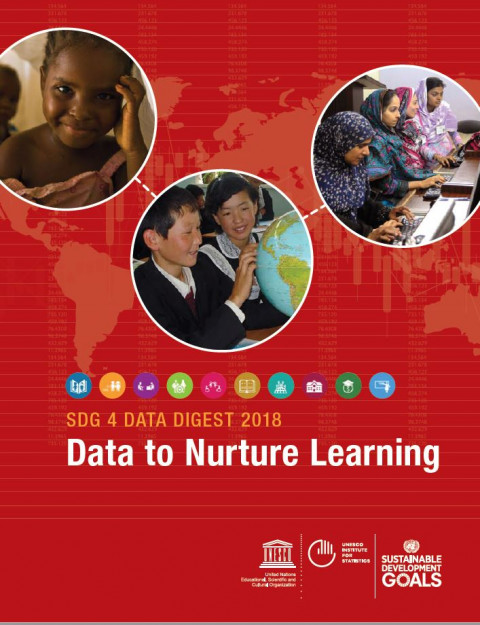 SDG 4 Data Digest 2018: Data to Nurture Learning سنة النشر: 2018 المؤلف المؤسسي: UNESCO Institute for Statistics (UIS) The world is facing a crisis of learning, with many children leaving school without the basic skills they need for a prosperous and productive adult life. Two-thirds of the estimated 617 million children and adolescents who cannot read a simple sentence or manage a basic mathematics calculation are in the classroom. Too many are waiting for a quality education that never comes.As the 2018 SDG 4 Data Digest shows, it is not enough to hope that they will stay in school and somehow acquire skills in reading and mathematics. It is critical to monitor those skills as children progress through school. That requires comparable data, over time, to ensure that children – and the education systems that serve them – are on track.Given the critical importance of learning for the achievement of all the Sustainable Development Goals (SDGs), from poverty reduction to peaceful societies, this year’s edition of the SDG 4 Data Digest is dedicated to the theme of learning outcomes. It showcases the most comprehensive and up-to-date compilation of work to inform the learning indicators of SDG 4.The Digest discusses learning evidence on early child development, mathematics and reading skills among school-aged children, and digital and work-related skills among youth and adults. It highlights the conceptual frameworks and tools developed by leading authors and institutions to understand, measure, monitor and support learning for all. It also considers the implications of reporting for SDG 4. ЦУР 4 Дайджест данных 2018: данные для обучения سنة النشر: 2018 المؤلف المؤسسي: UNESCO Institute for Statistics (UIS) Мир сталкивается с кризисом обучения, когда многие дети покидают школу без базовых навыков, необходимых для процветающей и продуктивной взрослой жизни. Две трети из примерно 617 миллионов детей и подростков, посещающих школу, не могут прочитать простое предложение или произвести элементарные математические вычисления. При этом качественное образование для очень многих продолжает оставаться недоступным.Как показывает Дайджест данных ЦУР 4 2018 года, недостаточно просто надеяться, что они, оставаясь в школе, каким-то образом приобретут навыки чтения и математики. Очень важно следить за развитием этих навыков по мере того, как дети учатся в школе. Сопоставление данных с течением времени является необходимым фактором, гарантирующим, что дети и системы образования, которые их обслуживают, находятся на правильном пути.Учитывая исключительную важность обучения для достижения всех Целей в области устойчивого развития (ЦУР), от сокращения бедности до мирных обществ, выпуск Дайджеста данных ЦУР 4 в этом году посвящен теме результатов обучения. Он демонстрирует наиболее полную и актуальную подборку работ для информирования об учебных показателях ЦУР 4.В Дайджесте обсуждаются фактические данные о раннем развитии детей, математике и навыках чтения среди детей школьного возраста, а также трудовые навыки и навыки работы с цифровыми технологиями среди молодежи и взрослых. В нем освещаются концептуальные основы и инструменты, разработанные ведущими авторами и учреждениями для понимания, измерения, мониторинга и поддержки обучения для всех. В нем также рассматриваются результаты отчетности для ЦУР 4.