
الموارد
استكشف مجموعة واسعة من الموارد القيمة حول تعليم المواطنة العالمية لتعميق فهمك وتعزيز البحث والمناصرة والتعليم والتعلم.
تم العثور على 3,790 نتيجة
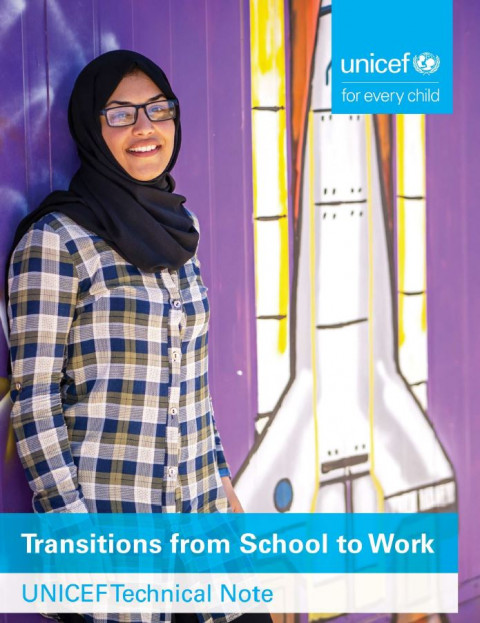 Transitions from School to Work: UNICEF Technical Note سنة النشر: 2019 المؤلف المؤسسي: United Nations Children's Fund (UNICEF) This report provides guidance on ways that UNICEF can support governments and partners to help adolescents to make a smooth transition from school to decent work. To prepare them for life, work, citizenship and life-long learning, UNICEF encourages governments and partners to expand access to learning and skills development for all children and adolescents – from pre-primary to upper-secondary age, and particularly for the most marginalized. UNICEF further advocates strengthening systems to enable them to develop a breadth of skills across the life course and through multiple learning pathways, such as formal, non-formal, on the job and community based.
 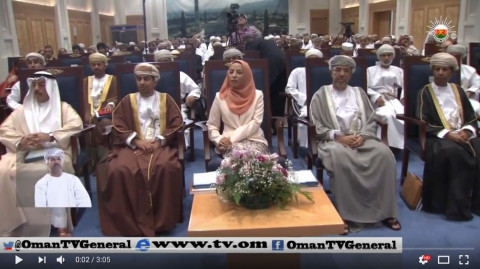 انطلاق ملتقى "المواطنة الإنسانية ودورها في التقارب والوئام الإنساني" سنة النشر: 2015 المؤلف المؤسسي: OmanTvGeneral أقام مركز السلطان قابوس العالي للثقافة والعلوم الملتقى العلمي المواطنة الإنسانية ودورها في التقارب والوئام الإنساني، وذلك في إطار فعاليات أسبوع التقارب والوئام الإنساني الرابع، حيث يعد الملتقىى فرصة سانحة لجميع المشاركين للاطلاع على تجربة السلطنة الرائدة في الحوار الحضاري ودعم قيم التسامح والتعاون والتعايش السلمي وفق الثوابت التي أرسى مبادئها حضرة صاحب الجلالة السلطان قابوس بن سعيد المعظم ـ حفظه الله ورعاه. Forum on "Human Citizenship and its Role in Convergence and Human Harmony" سنة النشر: 2015 المؤلف المؤسسي: OmanTvGeneral The Sultan Qaboos Higher Center for Culture and Science held the Scientific Forum on Human Citizenship and its Role in Convergence and Human Harmony, within the framework of the Fourth Week of Convergence and Human Harmony, where the forum is an opportunity for all participants to learn about the Sultanate's leading experience in civilizational dialogue and support the values of tolerance, cooperation and peaceful coexistence according to the constants. His principles were laid down by His Majesty Sultan Qaboos bin Said.
 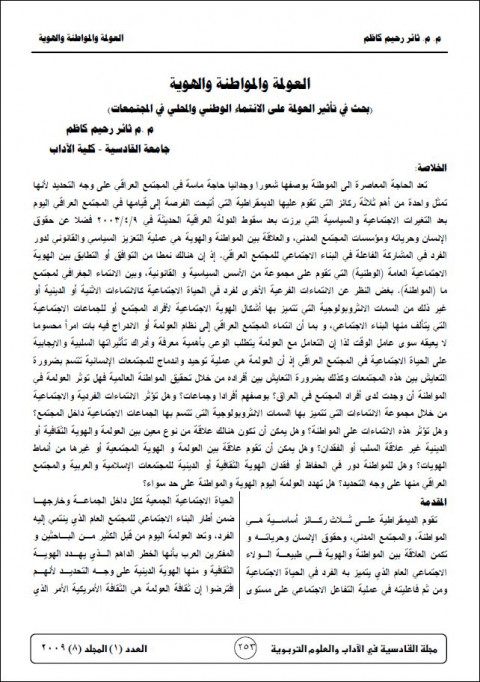 العولمة والمواطنة والهوية (بحث في تأثير العولمة على الانتماء الوطني والمحلي في المجتمعات) سنة النشر: 2009 المؤلف: Thaer Rahim Kazem المؤلف المؤسسي: Al-Qadisiyah University من أهم ثلاثة ركائز التي تقوم عليها الديمقراطية التي أتيحت الفرصة إلى قيامها في المجتمع العراقي اليوم بعد التغيرات الاجتماعية والسياسية التي برزت بعد سقوط الدولة العراقية الحديثة في 9/4/2003 فضلا عن حقوق الإنسان وحرياته ومؤسسات المجتمع المدني، والعلاقة بين المواطنة والهوية هي عملية التعزيز السياسي والقانوني لدور الفرد في المشاركة الفاعلة في البناء الاجتماعي للمجتمع العراقي. إذ إن هنالك نمطا من التوافق أو التطابق بين الهوية الاجتماعية العامة (الوطنية) التي تقوم على مجموعة من الأسس السياسية و القانونية، وبين الانتماء الجغرافي لمجتمع ما (المواطنة). بغض النظر عن الانتماءات الفرعية الأخرى لفرد في الحياة الاجتماعية كالانتماءات الاثنية أو الدينية أو غير ذلك من السمات الانثروبولوجية التي تتميز بها أشكال الهوية الاجتماعية لأفراد المجتمع أو للجماعات الاجتماعية التي يتألف منها البناء الاجتماعي، و بما أن انتماء المجتمع العراقي إلى نظام العولمة أو الاندراج فيه بات امرأ محسوما لا يعيقه سوى عامل الوقت لذا إن التعامل مع العولمة يتطلب الوعي بأهمية معرفة وأدراك تأثيراتها السلبية والايجابية على الحياة الاجتماعية في المجتمع العراقي إذ أن العولمة هي عملية توحيد واندماج للمجتمعات الإنسانية تتسم بضرورة التعايش بين هذه المجتمعات وكذلك بضرورة التعايش بين أفراده من خلال تحقيق المواطنة العالمية فهل توثر العولمة في المواطنة أن وجدت لدى أفراد المجتمع في العراق؟ بوصفهم أفرادا وجماعات؟ وهل تؤثر الانتماءات الفردية والاجتماعية من خلال مجموعة الانتماءات التي تتميز بها السمات الانثروبولوجية التي تتسم بها الجماعات الاجتماعية داخل المجتمع؟ وهل تؤثر هذه الانتماءات على المواطنة؟ وهل يمكن أن تكون هنالك علاقة من نوع معين بين العولمة والهوية الثقافية أو الدينية غير علاقة السلب أو الفقدان؟ وهل يمكن أن تقوم علاقة بين العولمة و الهوية المجتمعية أو غيرها من أنماط الهويات؟ وهل للمواطنة دور في الحفاظ أو فقدان الهوية الثقافية أو الدينية للمجتمعات الإسلامية والعربية والمجتمع العراقي منها على وجه التحديد؟ هل تهدد العولمة اليوم الهوية والمواطنة على حد سواء؟ Globalization, Citizenship and Identity (Research on the Impact of Globalization on National and Local Affiliation in Societies) سنة النشر: 2009 المؤلف: Thaer Rahim Kazem المؤلف المؤسسي: Al-Qadisiyah University There was a serious need to the citizenship as a psychological feeling in the Iraqi society. Because it represent the one of the most important three standards in the democratic operation as methods we must use in our social live. When we get a chance to build it in the Iraqi society. After the social and political changes that tack place after the 9 April 2003. The relationships between the citizenship and identity refer to the process by which we could strength the individual legal and political role to create the effective participate in the social live and social structure of the Iraqi society. Because there was an equalize between the general collective identity and the citizenship. We need these feelings when Iraqi society joins the globalization system under the pressure of the USA. And that required being aware in the negative effectiveness of the globalization and its positive ones. And the necessary of the living to gather in the global society. That makes the universal citizenship possible. This state creates many questions in the mind of the Arab and Moslemsre searchers. Such as could we keep our social and cultural identity? Are the citizenship help us to maintain the social and cultural identity? And other many questions that dealing with this objectives.
 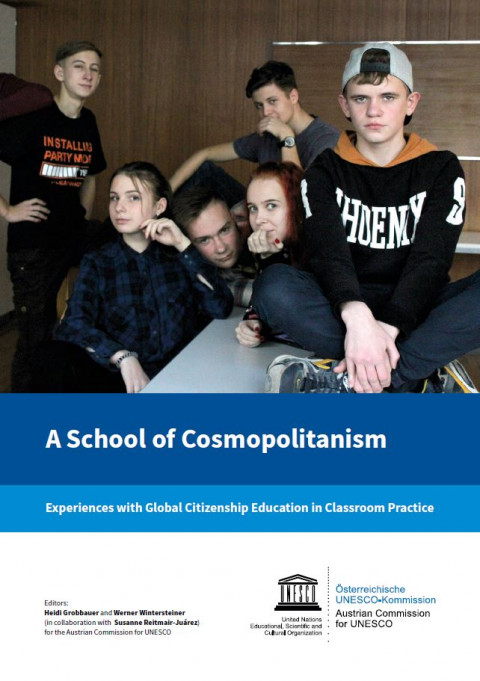 A School of Cosmopolitanism: Experiences with Global Citizenship Education in Classroom Practice سنة النشر: 2019 المؤلف: Heidi Grobbauer | Werner Wintersteiner المؤلف المؤسسي: Austrian Commission for UNESCO This publication focuses on examples from academic practice: this best practice collection demonstrates how young people can successfully be inspired to “think globally, act locally”. What is crucial is maintaining a view of the wider world; in particular, cooperation efforts with educational institutes outside of Europe (e.g. “élèves pour élèves” in Burkina Faso) provide a critical awareness of global connections. Learning to know/Learning to do/Learning to be/Learning to live together – these four pillars form the pedagogical foundation of the work carried out at more than 90 UNESCO schools throughout the whole of Austria. Since their founding in 1957, UNESCO schools have been considered model schools at which lessons are structured in a project-oriented, participative and even topic-specifc way. The unique ‘spirit’ of UNESCO schools often makes special projects possible. In the programme for the annual meetings of recent years, for example, Global Citizenship Education has been an ongoing topic of focus, accompanied by experts from various specialised institutions and NGOs. The pedagogical preparation of contents in a manner that ensures they are actually absorbed in the classroom presents a major challenge. Different types of schools have different educational goals, and the themes have to be made accessible for different age groups. The pedagogical finesse of each class team or individual teacher lies in finding the most motivating approaches.
  Critical Global Semiotics: Understanding Sustainable Transformational Citizenship سنة النشر: 2019 المؤلف: Maureen Eills Critical Global Semiotics: Understanding Sustainable Transformational Citizenship incorporates powerful unifying frameworks which make explicit a developing global consciousness. It explores transdisciplinary ‘common wealth’ through focus on multimodality, media, and metaphor, testing two universally applicable humanitarian frameworks: critical realism (CR) and systemic functional semiotics (SFS).Every day global citizens encounter an overwhelming host of genres and sub-genres, emergent semantic triangles, evolving semiotic trinity. Embodying philosophy, incorporating active engagement, this book addresses the political economy and cultural politics of diverse domains.Challenging daily drama and performative dharma, 24 analysts from 13 countries present current issues in Anthropology, Architecture, Dance, Feminism, Film, Health, Law, Management, Medicine, Music, Politics, Pharmaceuticals, Sociology, Sustainability Education, and Urban Development.The book’s integrative, unifying foundations will be of interest to researchers, academics, and post-graduate students in the fields of linguistics, semiotics, and critical realist philosophy, as well as to policy makers, curriculum developers, and civil society.
 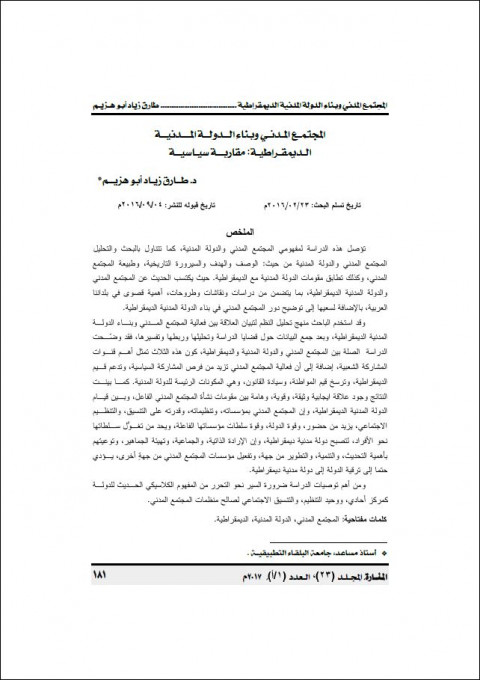 المجتمع المدني وبناء الدولة المدنية الديمقراطية: مقاربة سياسية سنة النشر: 2016 المؤلف: Tareq Ziad Abu Hazeem تؤصل هذه الدراسة لمفهومي المجتمع المدني والدولة المدنية, كما تتناول بالبحث والتحليل المجتمع المدني والدولة المدنية من حيث: الوصف والهدف والسيرورة التاريخية, وطبيعة المجتمع المدني, وكذلك تطابق مقومات الدولة المدنية مع الديمقراطية. حيث يكتسب الحديث عن المجتمع المدني والدولة المدنية الديمقراطية, بما يتضمن من دراسات ونقاشات وطروحات, أهمية قصوى في بلداننا العربية, بالإضافة لسعيها إلى توضيح دور المجتمع المدني في بناء الدولة المدنية الديمقراطية. وقد استخدم الباحث منهج تحليل النظم لتبيان العلاقة بين فعالية المجتمع المدني وبناء الدولة المدنية الديمقراطية, وبعد جمع البيانات حول قضايا الدراسة وتحليلها وربطها وتفسيرها, فقد وضّحت الدراسة الصلة بين المجتمع المدني والدولة المدنية والديمقراطية, كون هذه الثلاث تمثل أهم قنوات المشاركة الشعبية, إضافة إلى أن فعالية المجتمع المدني تزيد من فرص المشاركة السياسية، وتدعم قيم الديمقراطية، وترسخ قيم المواطنة، وسيادة القانون، وهي المكونات الرئيسة للدولة المدنية. كما بينت النتائج وجود علاقة ايجابية وثيقة، وقوية، وهامة بين مقومات نشأة المجتمع المدني الفاعل، وبين قيام الدولة المدنية الديمقراطية، وإن المجتمع المدني بمؤسساته، وتنظيماته، وقدرته على التنسيق، والتنظيم الاجتماعي، يزيد من حضور، وقوة الدولة، وقوة سلطات مؤسساتها الفاعلة, ويحد من تغوُّل سلطاتها نحو الأفراد، لتصبح دولة مدنية ديمقراطية, وإن الإرادة الذاتية، والجماعية، وتهيئة الجماهير، وتوعيتهم بأهمية التحديث، والتنمية، والتطوير من جهة, وتفعيل مؤسسات المجتمع المدني من جهةٍ أخرى، يؤدي حتما إلى ترقية الدولة إلى دولة مدنية ديمقراطية. ومن أهم توصيات الدراسة ضرورة السير نحو التحرر من المفهوم الكلاسيكي الحديث للدولة كمركز أحادي، ووحيد التنظيم، والتنسيق الاجتماعي لصالح منظمات المجتمع المدني. كلمات مفتاحية: المجتمع المدني، الدولة المدنية، الديمقراطية. Civil Society and Building a Democratic Civil State: A Political Approach سنة النشر: 2016 المؤلف: Tareq Ziad Abu Hazeem The purpose of this study is to find a foundation for the concepts of the 'civil society' and the 'civil state'. It examines and compares both from different dimensions: description, purpose, objectives, history, the reality of the civil society and finally, to what extent they are similar. Most discussion is about civil society and civil democratic state, including studies, discussions and arguments, because of their importance in the Arab countries. In addition, this discussion seeks to clarify the role of civil society in building a democratic civil state. The researcher uses the systems analysis to point out the relationship between how active the civil society is and the establishment of the democratic civil state. After collecting and analyzing related statistics, this study has shown how much the civil society, the concept of democracy, and the state are related. The three represent the most important channels of public participation. In addition, the activeness of the civil society increases opportunities of political participation, supports the values of democracy and citizenship, and enhances the sovereignty of law.The three are the major components of the civil state. The results have revealed a number of facts: (1) there is a strong positive relation between the reasons behind the establishment of an active civil society and the establishment of the democratic civil society. Furthermore, (2) the civil society, its institutions and organized units, its ability of social coordination have created a strong state with powerful active institutions and limited the dominance of the society's powers over individuals. This has created a democratic civil state. (3) Individual and communicative will, increasing the public awareness of the importance of modernization and development, as well as stimulating the role of the active civil society lead to the development of a simple state to a democratic one. The study concludes with a major recommendation: the classical concept of the modern state as an independent uni-center of an isolated social coordination should be abandoned for the civil social organizations.
 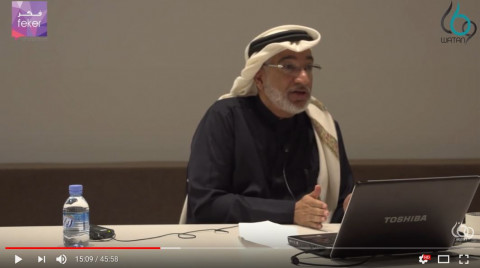 مفهوم المواطنة بين الدولة الإسلامية والدولة المعاصرة سنة النشر: 2015 المؤلف المؤسسي: Watan Foundation نظمت مؤسسة دراسات (إحدى مؤسسات منظومة وطن) بالتعاون مع مؤسسة فكر للتدريب والدراسات ونادي رؤية الطلابي ندوة أُقيمت في المركز الطلابي بالمدينة التعليمية في قطر، وقدمها مؤسس مشروع “النهضة” ومدير مركز تنمية للدراسات والاستشارات الدكتور جاسم سلطان، وقد حضر الندوة رئيس وأعضاء مجلس الجالية السورية في دولة قطر، وعدد من الباحثين.