
الموارد
استكشف مجموعة واسعة من الموارد القيمة حول تعليم المواطنة العالمية لتعميق فهمك وتعزيز البحث والمناصرة والتعليم والتعلم.
تم العثور على 3,378 نتيجة
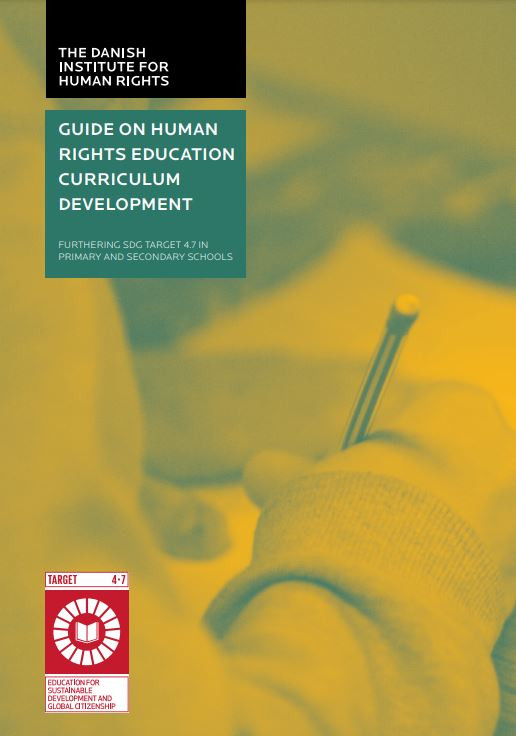 Guide on Human Rights Education Curriculum Development سنة النشر: 2021 المؤلف: Cecilia Decara | Carol Rask | Felisa Tibbitts المؤلف المؤسسي: Danish Institute for Human Rights This document aims to bring conceptual clarity on human rights education and curriculum development and provide concrete suggestions on how to build human rights curricula ft for 21st century human rights challenges, while contributing to the realisation of the SDG goals and targets set by the international community.
  Address by Irina Bokova, Director-General of UNESCO on the occasion of the Event on Education for Preventing Violent Extremism; Brussels, 21 March 2017 سنة النشر: 2017 المؤلف المؤسسي: UNESCO. Director-General, 2009-2017 (Bokova, I.G.) This address was delivered by Irina Bokova, Director-General of UNESCO on the occasion of the Event on Education for Preventing Violent Extremism.
  Address by Irina Bokova, Director-General of UNESCO, on the occasion of the event organized by Albania, Jordan and the Holy See: Fighting radicalization and extremism through Education; United Nations General Assembly 2016; New York, 20 September 2016 سنة النشر: 2016 المؤلف المؤسسي: UNESCO. Director-General, 2009-2017 (Bokova, I.G.) This address was presented by Irina Bokova, Director-General of UNESCO, on the occasion of the event organized by Albania, Jordan and the Holy See.
  Message from Irina Bokova, Director-General of UNESCO on the occasion of the International Day of Peace, 21 September 2013 سنة النشر: 2013 المؤلف المؤسسي: UNESCO. Director-General, 2009-2017 (Bokova, I.G.) This is the message from Irina Bokova, Director-General of UNESCO on the occasion of the International Day of Peace, 21 September 2013. Message de la Directrice générale de l'UNESCO, Irina Bokova, à l'occasion de la Journée internationale de la paix, 21 septembre 2013 سنة النشر: 2013 المؤلف المؤسسي: UNESCO. Director-General, 2009-2017 (Bokova, I.G.) This is the message from Irina Bokova, Director-General of UNESCO on the occasion of the International Day of Peace, 21 September 2013. Mensaje de la Directora General de la UNESCO, Irina Bokova, con motivo del Día Internacional de la Paz, 21 de septiembre de 2013 سنة النشر: 2013 المؤلف المؤسسي: UNESCO. Director-General, 2009-2017 (Bokova, I.G.) This is the message from Irina Bokova, Director-General of UNESCO on the occasion of the International Day of Peace, 21 September 2013. Послание Генерального директора ЮНЕСКО г-жи Ирины Боковой по случаю Международного дня мира, 21 сентября 2013 г. سنة النشر: 2013 المؤلف المؤسسي: UNESCO. Director-General, 2009-2017 (Bokova, I.G.) This is the message from Irina Bokova, Director-General of UNESCO on the occasion of the International Day of Peace, 21 September 2013. رسالة من السيدة إيرينا بوكوفا، المديرة العامة لليونسكو، بمناسبة اليوم العالمي للسلام، ٢١ أيلول/سبتمبر٢٠١٣ سنة النشر: 2013 المؤلف المؤسسي: UNESCO. Director-General, 2009-2017 (Bokova, I.G.) This is the message from Irina Bokova, Director-General of UNESCO on the occasion of the International Day of Peace, 21 September 2013. 联合国教科文组织总干事伊琳娜•博科娃在国际和平日的致辞,2013年9月21日 سنة النشر: 2013 المؤلف المؤسسي: UNESCO. Director-General, 2009-2017 (Bokova, I.G.) This is the message from Irina Bokova, Director-General of UNESCO on the occasion of the International Day of Peace, 21 September 2013.
 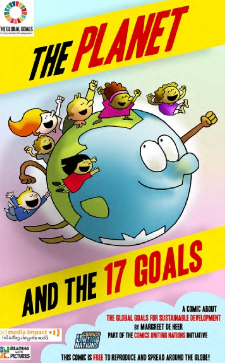 The Planet and the 17 Goals المؤلف: Margreet De Heer المؤلف المؤسسي: United Nations Children's Fund (UNICEF) UNICEF has teamed up with the Comics UnitingNations initiative to use the creative and exciting medium of comics to bring the messages of sustainable development to comics fans globally! Comics have been developed by world renown illustrators, writers and comics developers from around the world.Dutch illustrator Margreet de Heer has lent her talents to the Comics United Nations project to help inform children and youth about the new global goals.