
الموارد
استكشف مجموعة واسعة من الموارد القيمة حول تعليم المواطنة العالمية لتعميق فهمك وتعزيز البحث والمناصرة والتعليم والتعلم.
تم العثور على 2,781 نتيجة
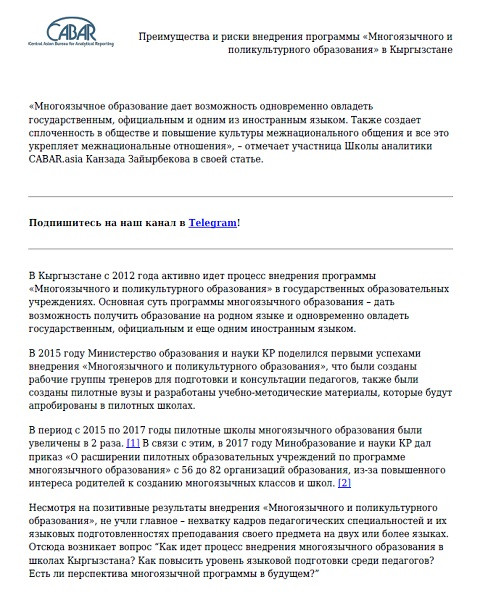 Advantages and Risks of Introducing the “Multilingual and Multicultural Education” Program in Kyrgyzstan سنة النشر: 2019 المؤلف: Kanzada Zayirbekova المؤلف المؤسسي: Central Asian Bureau for Analytical Reporting (CABAR) According to the author, multilingual education makes it possible to simultaneously master the state, official and one of the foreign languages, and also creates cohesion in society and enhances the culture of interethnic communication, and all this strengthens interethnic relations.
 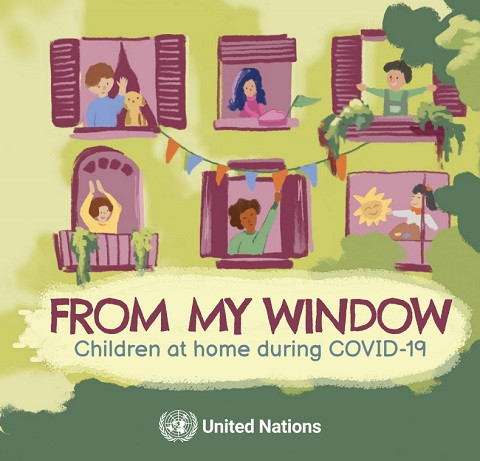 From My Window: Children at Home During COVID-19 سنة النشر: 2020 المؤلف: Xue Bai المؤلف المؤسسي: World Health Organization (WHO) | United Nations Children's Fund (UNICEF) | United Nations (UN) This book for young readers looks at the lives of housebound children during the coronavirus epidemic. Inspired by true events and people from around the world, From My Window shows children that we all have the same fears and that we can overcome them by being creative, and empathetic, and by staying positive and healthy. This book shows us that there are opportunities every day to love, learn, create, and connect, no matter the circumstances.
 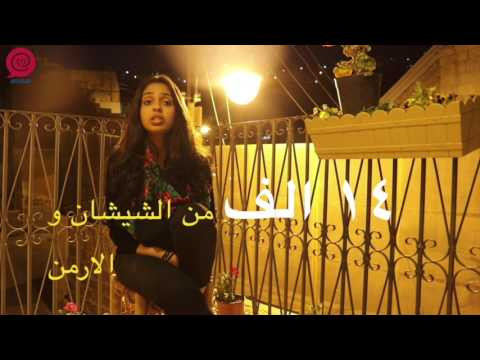 كيف نفهم التعددية الثقافية؟ سنة النشر: 2017 المؤلف المؤسسي: Team of Alternative Speech Project يستعرض الفيديو مفهوم التعددية الثقافية، ويتطرق لمفهوم تعدد الدين والطائفة والعرق، ويدعو للتعايش المشترك في ظل التعددية. ويتحدث الفيديو أيضا عن العادات والتقاليد التي تزخر بها الامم في ظل التعددية. How Do We Understand Multiculturalism? سنة النشر: 2017 المؤلف المؤسسي: Team of Alternative Speech Project The video reviews the concept of multiculturalism, by addresses the concept of multiculturalism through religion, gender and race. The video also calls for coexistence in the light of pluralism. The video also talks about the customs and traditions that nations have.
 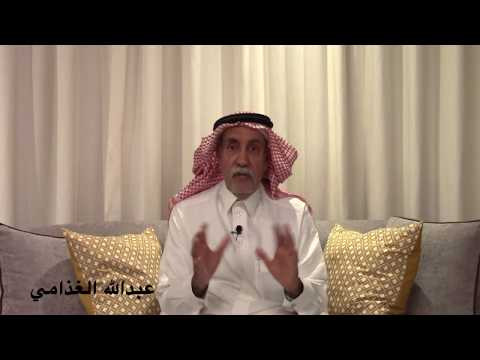 مفهوم التعددية الثقافية- 2 سنة النشر: 2017 المؤلف: Abdullah Al-Ghathami يقدم عبدالله الغذامي في هذا المقطع طرحا متوازنا لمفهوم التعددية الثقافية، ويستشهد في ذلك بالولايات المتحدة الامريكية. مقطع الفيديو يطرح بعض التطورات في مفهوم التعددية ويناقش الانصهار والاندماج من أجل نجاح المجتمع المتعدد. The Concept of Multiculturalism - 2 سنة النشر: 2017 المؤلف: Abdullah Al-Ghathami In this short video, Abdullah Al-Ghazhami presents a balanced presentation of the concept of multiculturalism. The author use the United States of America as a nation of multiculturalism. The video presents some developments in the concept of pluralism and discusses fusion and integration for the success of a multi-society.
 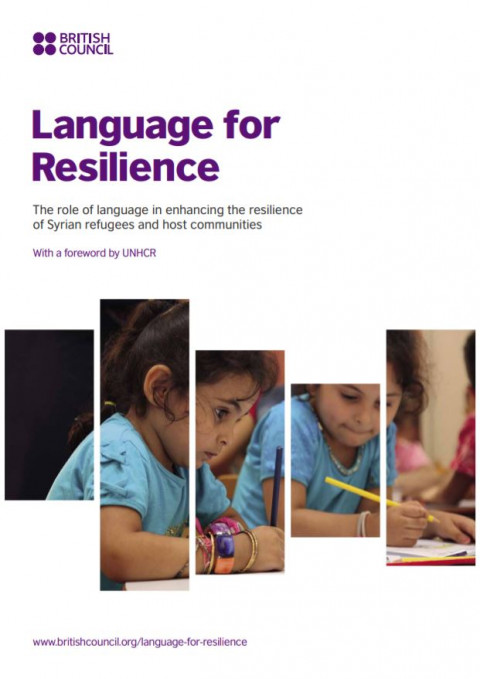 اللغة لتعزيز القدرة على مواجهة الأزمات: فهم الدور الذي تؤديه اللغة في تعزيز قدرة اللاجئين السوريين والمجتمعات المستضيفة لهم على مواجهة الأزمات سنة النشر: 2018 المؤلف: Tony Capstick | Marie Delaney المؤلف المؤسسي: British Council | UN. Office of the United Nations High Commissioner for Refugees (UNHCR) يستند التقرير الى دروس مستفادة من برامج اللغة الانجليزية التي يقدمها المجلس الثقافي البريطاني، ويستخدم كمرجع في تطوير البرامج المستقبلية الخاصة بتعليم اللغات للمتأثرين بالأزمة السورية. Language for Resilience: The Role of Language in Enhancing the Resilience of Syrian Refugees and Host Communities سنة النشر: 2018 المؤلف: Tony Capstick | Marie Delaney المؤلف المؤسسي: British Council | UN. Office of the United Nations High Commissioner for Refugees (UNHCR) The Language for Resilience report examines the impact of language on refugees and host communities affected by the Syrian crisis, identifying the different ways that language skills enhance resilience and providing suggestions for programme responses that address key needs.The report shows that for children and young people attending schools or post-school education, and for educators in host communities handling influxes of refugee students, quality language learning improves attainment and attendance and builds safer and more inclusive classrooms. It also illustrates how creative approaches to language education can support the development of life skills and help meet psycho-social needs.
 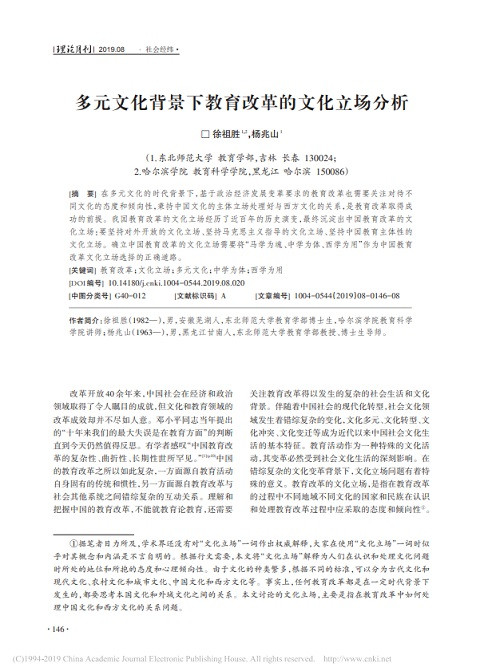 An Analysis of the Cultural Position of Educational Reform in the Context of Multiculturalism سنة النشر: 2019 المؤلف: Xu Zusheng | Yang Zhaoshan المؤلف المؤسسي: Theory Monthly In the context of the multicultural era, education reforms based on the requirements of political and economic development and reform also need to pay attention to attitudes and tendencies toward different cultures. Upholding the main position of Chinese culture and properly handling relationships with Western cultures are the prerequisites for successful education reform. The cultural standpoint of China’s educational reform has undergone nearly a hundred years of historical evolution, and finally precipitated the cultural position of China’s educational reform: we must adhere to the cultural position of opening to the outside world, the cultural standpoint of Marxist guidance, and the cultural position of Chinese educational subjectivity. To establish the cultural standpoint of China’s educational reform, it is necessary to take “Ma Xue as the soul, middle school as the body and western learning as the method” as the correct path for the cultural position of China’s educational reform. 多元文化背景下教育改革的文化立场分析 سنة النشر: 2019 المؤلف: Xu Zusheng | Yang Zhaoshan المؤلف المؤسسي: Theory Monthly 在多元文化的时代背景下,基于政治经济发展变革要求的教育改革也需要关注对待不 同文化的态度和倾向性,秉持中国文化的主体立场处理好与西方文化的关系,是教育改革取得成 功的前提。我国教育改革的文化立场经历了近百年的历史演变,最终沉淀出中国教育改革的文 化立场:要坚持对外开放的文化立场、坚持马克思主义指导的文化立场、坚持中国教育主体性的 文化立场。确立中国教育改革的文化立场需要将“马学为魂、中学为体、西学为用”作为中国教育 改革文化立场选择的正确道路。