
الموارد
استكشف مجموعة واسعة من الموارد القيمة حول تعليم المواطنة العالمية لتعميق فهمك وتعزيز البحث والمناصرة والتعليم والتعلم.
تم العثور على 2,668 نتيجة
 Руководство по реализации программы: Профилактика и реагирование на насилие в школах в восточно-казахстанской области سنة النشر: 2014 المؤلف: Robin Haarr المؤلف المؤسسي: United Nations Children's Fund (UNICEF) Насилие в школе может угрожать ощущению безопасности детей в школе и отрицательно влиять на их способность к обучению. Наилучшим способом решения проблемы насилия в школе является профилактика и должное вмешательство при его проявлении.Данное пособие подготовлено в рамках сотрудничества между Министерством образования и науки РК, учреждением Уполномоченного по правам человека, акиматом Восточно-Казахстанской области, Восточно-Казахстанским государственным университетом им. Аманжолова и ЮНИСЕФ в целях реализации проекта по профилактике и реагированию на насилие в отношении детей в школах Казахстана, при поддержке Министерства иностранных дел Норвегии.
 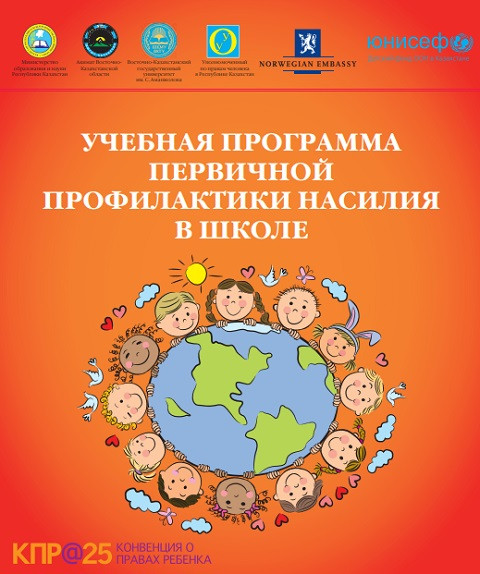 Primary Prevention Curriculum: The Programme to Prevent Violence Against Children سنة النشر: 2014 المؤلف: Robin Haarr المؤلف المؤسسي: United Nations Children's Fund (UNICEF) This publication was prepared under the cooperation between the Ministry of Education and Science of Kazakhstan, the Office of the Commissioner for Human Rights in the Republic of Kazakhstan, akimat of East Kazakhstan Oblast, the East Kazakhstan State University, and UNICEF Office in Kazakhstan to implement the programme on prevention and response to violence against children in schools in Kazakhstan, with thesupport from the Ministry of Foreign Affairs of Norway.This primary prevention curriculum has been developed for use with all students (schoolwide), and each includes specific worksheets and activities that should be taught in chronological order to students between the 3rd and 7th grades.
  Aboriginal Worldviews and Perspectives in the Classroom: Moving Forward سنة النشر: 2015 المؤلف المؤسسي: Province of British Columbia This resource presents how the BC Ministry of Education is embedding Aboriginal perspectives into all parts of the curriculum in a meaningful and authentic manner. It will also help educators to move ahead with transformative practice in relation to Aboriginal education. Visions du monde et perspectives autochtones dans la salle de classe : Aller de l’avant سنة النشر: 2015 المؤلف المؤسسي: Province of British Columbia Cette ressource présente comment le Ministère de l’Éducation de la Colombie-Britannique se propose d’intégrer, de manière significative et authentique, des perspectives autochtones à toutes les parties du programme d’études. Cela aidera également les éducateurs à essayer des pratiques transformatrices en matière d’éducation autochtone.
 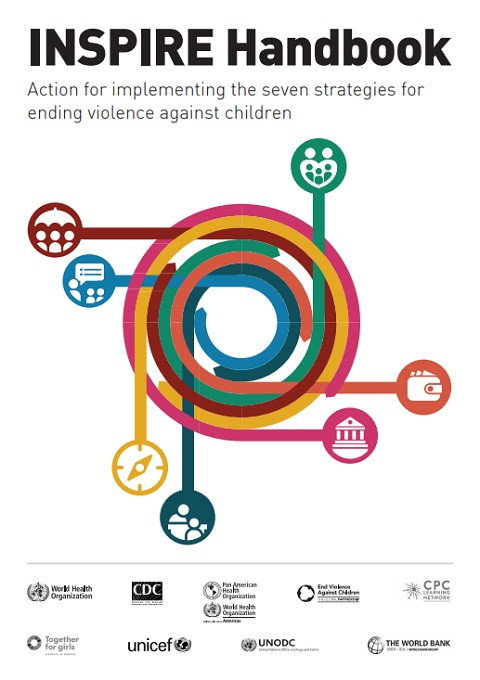 INSPIRE Handbook: Action for Implementing the Seven Strategies for Ending Violence Against Children سنة النشر: 2018 المؤلف المؤسسي: World Health Organization (WHO) This handbook explains in detail how to choose and implement interventions that will fit your needs and context. The seven strategy-specific chapters address the Implementation and enforcement of laws; Norms and values; Safe environments; Parent and caregiver support; Income and economic strengthening; Response and support services; and Education and life skills. The handbook concludes with a summary of INSPIRE’s implementation and impact indicators, drawn from the companion INSPIRE indicator guidance and results framework. Manual INSPIRE: Medidas destinadas a implementar las siete estrategias para poner fin a la violencia contra los niños سنة النشر: 2018 المؤلف المؤسسي: World Health Organization (WHO) El Manual INSPIRE: Medidas destinadas a implementar las siete estrategias para poner fin a la violencia contra los niños (en adelante denominado el Manual INSPIRE) se explica en él cómo escoger y llevar a cabo intervenciones acordes con sus necesidades y su entorno. Tras una exposición de carácter general, en los capítulos sucesivos se aborda cada una de las siete estrategias, a saber: Implementación y vigilancia del cumplimiento de las leyes; Normas y valores; Seguridad en el entorno; Padres, madres y cuidadores reciben apoyo; Ingresos y fortalecimiento económico; Respuesta de los servicios de atención y apoyo; y Educación y aptitudes para la vida. El manual concluye con un resumen de los indicadores de ejecución e impacto de INSPIRE, tomados de la publicación conexa INSPIRE Indicator guidance and results framework (Orientación sobre indicadores y marco de resultados de INSPIRE).
  Uzbekistan: Country Gender Assessment Update سنة النشر: 2018 المؤلف المؤسسي: Asian Development Bank (ADB) This Country Gender Update Report, prepared by ADB in close collaboration with Uzbekistan Women Committee, provides an analysis of the socio-economic dimensions of gender equality in Uzbekistan. It embraces a wide a range of issues related to the empowerment of women by increasing their economic activity in various sectors. Recommendations from the assessment can be used in the development of a long-term strategy of KJU and ADB, including programs aimed at increasing the employment and income of women, supporting their entrepreneurial initiatives, combating traditional gender stereotypes to further enhance the role and status of women in the country as a whole. Узбекистан: Обновленная гендерная оценка по стране سنة النشر: 2018 المؤلف المؤسسي: Asian Development Bank (ADB) Настоящий отчет по Обновленной гендерной оценке по стране, подготовленный АБР в тесном сотрудничестве с Комитетом женщин Узбекистана (КЖУ), содержит анализ социально-экономических аспектов гендерного равенства в Узбекистане. В нем охвачен широкий круг вопросов, связанных с расширением возможностей женщин путем повышения их экономической активности в различных секторах. Рекомендации, выработанные по результатам проведенной оценки, могут быть использованы при разработке долгосрочной стратегии КЖУ и АБР, включая программы, направленные на повышение уровня занятости и доходов женщин, поддержку их предпринимательских инициатив, борьбу с традиционными гендерными стереотипами для дальнейшего повышения роли и статуса женщин в целом по стране.
  Analytical Report on the Rights of People With Disabilities in Central Asia and Azerbaijan سنة النشر: 2017 المؤلف: Lyazzat Kaltayeva | Nurzhamal Prenova المؤلف المؤسسي: Civil Society Development Association (ARGO) | United States Agency for International Development (USAID) This analytical report is the culmination of a research study conducted in four countries of Central Asia (Kazakhstan, Kyrgyzstan, Tajikistan, and Turkmenistan) and Azerbaijan in spring 2017. The primary focus of the study was disability rights, which have a direct impact on the quality of life experienced by people with disabilities, and analysis of potential strategies and opportunities for civil society organizations to improve disability rights in target countries.Through the study, the research team followed the latest legislative and policy changes relevant to disability rights, and identified and documented best practices, lessons learned, and key challenges related to the promotion and protection of disability rights in the region. Аналитический доклад в сфере прав людей с инвалидностью стран Центральной Азии и Азербайджана سنة النشر: 2017 المؤلف: Lyazzat Kaltayeva | Nurzhamal Prenova المؤلف المؤسسي: Civil Society Development Association (ARGO) | United States Agency for International Development (USAID) Данный аналитический доклад выпущен по результатам экспертного исследования, проведенного в странах ЦА и Азербайджан весной 2017 года. В фокусе исследования - права людей с инвалидностью, которые напрямую влияют на качество жизни людей с инвалидностью и анализ подходов, потенциал и возможности организации гражданского общества для улучшения положения с правами людей с инвалидностью в выбранных странах.Исследование позволило отследить последние изменения в области политики и законодательства по правам людей с инвалидностью, выявить и зафиксировать лучшие практики, уроки и вызовы, связанные с продвижением прав людей с инвалидностью в регионе.