
الموارد
استكشف مجموعة واسعة من الموارد القيمة حول تعليم المواطنة العالمية لتعميق فهمك وتعزيز البحث والمناصرة والتعليم والتعلم.
تم العثور على 2,199 نتيجة
 디지털 리터러시 교육 1부: 정보를 읽는 능력을 키워라! #1 سنة النشر: 2020 المؤلف المؤسسي: 한국교육방송공사 급변하는 매체환경, 범람하는 가짜뉴스 속에서 진짜 정보와 가짜 정보를 구분하는 능력인 디지털리터러시가 중요하게 여겨지고 있는 상황. 우리 학생들이 미래를 바꿀 수 있는 역량을 갖도록 하기 위해 시대의 흐름에 맞는 교육의 변화 또한 필요하다. 이번 <미래교육 플러스>에서는 변화한 흐름에 맞는 디지털리터러시 교육에 대해서 논의 한다. 디지털 리터러시 교육 1부 ‘정보를 읽는 능력을 키워라!’에서는 디지털 리터러시의 중요성과 디지털 리터러시 교육의 현주소를 점검해 본다.
  디지털 리터러시 교육 1부: 정보를 읽는 능력을 키워라! #2 سنة النشر: 2020 المؤلف المؤسسي: 한국교육방송공사 급변하는 매체환경, 범람하는 가짜뉴스 속에서 진짜 정보와 가짜 정보를 구분하는 능력인 디지털리터러시가 중요하게 여겨지고 있는 상황. 우리 학생들이 미래를 바꿀 수 있는 역량을 갖도록 하기 위해 시대의 흐름에 맞는 교육의 변화 또한 필요하다. 이번 <미래교육 플러스>에서는 변화한 흐름에 맞는 디지털리터러시 교육에 대해서 논의 한다. 디지털 리터러시 교육 1부 ‘정보를 읽는 능력을 키워라!’에서는 디지털 리터러시의 중요성과 디지털 리터러시 교육의 현주소를 점검해 본다.
 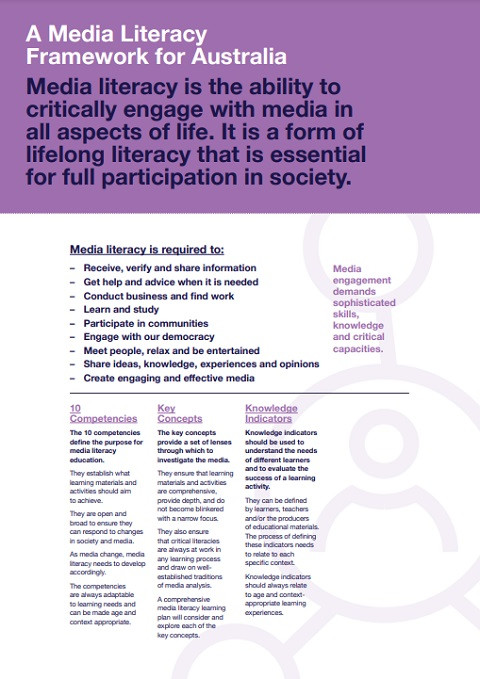 A Media Literacy Framework for Australia سنة النشر: 2020 المؤلف المؤسسي: Australian Media Literacy Alliance (AMLA) AMLA define media literacy as the ability to critically engage with media in all aspects of life.Media literacy complements Digital Literacy and Digital Safety – and all three are required to thrive in a digital world. Digital literacy focuses on the skills and knowledge required to access and use digital technologies. Digital Safety focuses on issues like online hate and abuse, bullying, the protection of personal information and online scams.Media Literacy encourages people to ask critical questions about the media and media technologies using a set of six key concepts. For any example of media (an advertisement, a news story, a film or television program, a YouTube video, video game or a social media post), we can ask the following questions:Institutions: who made this media and why did they make it?Audiences: who was this media made for and how are they likely to respond to it?Representations: how are people, places or ideas portrayed in this media, and what are the impacts of this?Technologies: what technology was used to produce, access and circulate this media? Does the technology gather personal data from users?Languages: how does this media communicate using image, sounds and written text?Relationships: what kind of relationships are being developed through the distribution and use of this media?These questions will have very different answers and follow-on questions depending on the media example, but the process of asking and answering these questions leads to critical understandings, and forms the basis for more successful media experiences. These questions can be asked during the process of consuming, sharing or creating media. They can be integrated as part of any Digital Literacy and Digital Safety learning program.
  코로나19와 미래핵심역량: 디지털 리터러시, 자기주도적 학습 능력, 협업 능력을 중심으로 سنة النشر: 2020 المؤلف: 김자영 | 옥현진 | 신태섭 | 박미희 | 이정연 | 최보미 المؤلف المؤسسي: 경기도교육연구원 코로나19로 인한 원격수업 과정에서 미래핵심역량인 디지털 리터러시, 자기주도적 학습 능력, 협업 능력 신장에 대한 중요성이 부각되고 있으며 이에 대한 실태를 분석하고 교육의 방향을 설정하는 것이 중요할 것이다. 본 연구는 경기도 지역의 초중고 일반 학교 및 혁신학교, 연구 및 시범학교(디지털교과서 시범학교, 민주시민교육실천학교 등)를 대상으로 미래핵심역량인 디지털 리터러시, 자기주도적 학습 능력, 협업능력에 대한 실태를 조사하고 이러한 미래핵심역량에 영향을 미칠 수 있는 학생 및 학교 맥락변인을 분석하였으며, 분석 결과를 토대로 미래교육이 나아가야 할 방향을 제시하고자 한다.
  2019 꿈다락 토요문화학교 드림 아트랩 4.0 'Everyday is Playful Media' 결과자료집 سنة النشر: 2019 المؤلف المؤسسي: 한국예술종합학교 융합예술센터 2019 꿈다락 토요문화학교 드림 아트랩 4.0 프로그램 관련, 한국예술종합학교 융합예술센터가 운영하고 성북구립미술관, N15가 협력하여 진행한 'Everyday is Playful Media' 프로그램 결과자료집으로 자료집은 Playful Thinking, Playful Learning, Playful Making 3개의 세부 프로그램 운영 내용 및 결과 전시 등의 과정이 기록되어있다. 본 저작물은 한국예술종합학교 융합예술센터에서 2019년 작성하여 공공누리 제4유형으로 개방한 ‘2019 꿈다락 토요문화학교 드림 아트랩 4.0 'Everyday is Playful Media' 결과자료집’을 이용하였으며 해당 저작물은 한국문화예술교육진흥원 arte 라이브러리 홈페이지(lib.arte.or.kr)에서 무료로 다운받으실 수 있습니다.
  세계시민을 위한 미디어정보리터러시 교안 개발 연구 سنة النشر: 2022 المؤلف: 김아미 | 김영은 | 박다혜 | 박유신 | 고기식 | 김현정 المؤلف المؤسسي: 유네스코한국위원회 어린이·청소년은 디지털 공간에서 세계시민이자 디지털 시민으로 성장하고 있다. 그러나 지금까지 어린이·청소년과 디지털 미디어를 논할 때에는 어린이·청소년을 미디어로부터 보호하거나 과의존을 방지하는 교육을 강조하거나 디지털 공간에서의 에티켓 교육 등에 치우친 경향이 있다. 하지만 어린이·청소년은 이미 디지털 공간의 중요한 구성원이자 성인과 미디어를 함께 경험해 나가는 주체이므로, 어린이·청소년이 디지털 세상에서 누려야 하는 권리는 무엇인지, 그리고 그러한 권리를 어떻게 지킬 것인지에 대한 보다 활발한 논의가 필요하다.어린이·청소년의 경험과 요구를 이해하고 학습자와 교육자가 함께 만들어가는 미디어정보리터러시 교육이야말로 지금 디지털 시민이자 세계시민으로 성장하는 어린이·청소년에게 필수적인 역량을 함양시킬 수 있는 교육일 것이다.이에 본 연구는 어린이·청소년이 경험하는 여러 미디어 관련 이슈에 대한 이해를 바탕으로 하여, 세계시민을 위한 미디어정보리터러시 교육안을 개발하는 것을 목적으로 한다. 특히 유엔아동권리협약 제12조에서 강조하고 있는 어린이·청소년의 참여권을 지원하기 위하여, 당사자의 목소리를 듣고 이를 반영하는 어린이·청소년 참여형 연구(participatory research)를 계획하였다.
  교육과정 연계 디지털 리터러시 교육 가이드라인 개발 연구 سنة النشر: 2023 المؤلف: 김진숙 | 김묘은 | 박일준 | 배현순 | 이지은 | 임동신 | 임지영 | 홍선주 المؤلف المؤسسي: 한국교육학술정보원 본 연구는 본격적인 2022 개정 교육과정의 시행에 앞서 1차적으로 2015 교육과정과 연계된 디지털 리터러시 교수학습 자료 개발 및 확산을 지원하기 위한 이론적 기초를 확보하기 위해 수행되었다. 이를 위해 2022 개정 교육과정에서 명시된 디지털 소양(Digital lteracy)의 개념을 구조화하고, 2022 개정 정보과교육과정 시안 개발 연구(교육부 외, 2022.12.31)에서 도출된 디지털 리터러시 내용 체계의 대영역, 세부 요소 내용 등을 학습 요소와 수행 기대로 구체화하였다. 또한 교육과정의 교과 연계를 기반으로, 교과 성취기준을 분석하고 향후 디지털 리터러시 교육을 실천하기 위한 교수학습 자료 개발 방향을 제시하는 데 목적을 두었다.이러한 목적을 달성하기 위해 디지털 리터러시 구성 체계 정립, 교과 교육과정과 디지털 리터러시 내용 기준 연계, 디지털 리터러시 경험 및 교수학습 사례 분석과 교과 연계 디지털 리터러시 교육 방안 수립을 연구 내용으로 하여 결과를 도출하였다. 이를 위한 기본 연구 방법으로는 디지털 리터러시의 구성 요소 도출을 위한 문헌 분석과 키워드 네트워크 분석이 이루어졌으며, 현장 교사 심층면담(FGI)과 월드카페테리아 형식의 전문가 워크숍 등을 통해 디지털 리터러시 구성 체계의 타당성을 확보하였다. * 본 저작물은 '한국교육학술정보원'에서 2023년 작성하여 공공누리 제4유형으로 개방한 '교육과정 연계 디지털 리터러시 교육 가이드라인 개발 연구(작성자:김진숙 외)'을 이용하였으며, 해당 저작물은 한국교육학술정보원 홈페이지(https://www.keris.or.kr/)에서 무료로 다운받으실 수 있습니다.
 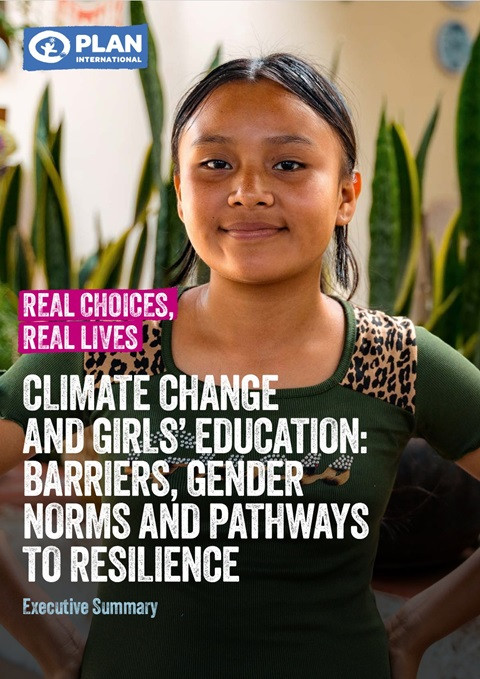 [Executive Summary] Climate Change and Girls' Education: Barriers, Gender Norms and Pathways to Resilience سنة النشر: 2023 المؤلف المؤسسي: Plan International This is the Executive Summary for the report: Climate Change and Girls’ Education: Barriers, Gender Norms and Pathways to Resilience. The full technical report and accompanying synthesis report are also available. [Résumé analytique] Changement climatique et éducation des filles: entraves, normes sexistes et chemins vers la resilience سنة النشر: 2023 المؤلف المؤسسي: Plan International This is the Executive Summary for the report: Climate Change and Girls’ Education: Barriers, Gender Norms and Pathways to Resilience. The full technical report and accompanying synthesis report are also available. [Resumen Ejecutivo] Cambio climático y educación de las niñas: barreras, normas de género, y rutas hacia la resiliencia سنة النشر: 2023 المؤلف المؤسسي: Plan International This is the Executive Summary for the report: Climate Change and Girls’ Education: Barriers, Gender Norms and Pathways to Resilience. The full technical report and accompanying synthesis report are also available.