
الموارد
استكشف مجموعة واسعة من الموارد القيمة حول تعليم المواطنة العالمية لتعميق فهمك وتعزيز البحث والمناصرة والتعليم والتعلم.
تم العثور على 2,668 نتيجة
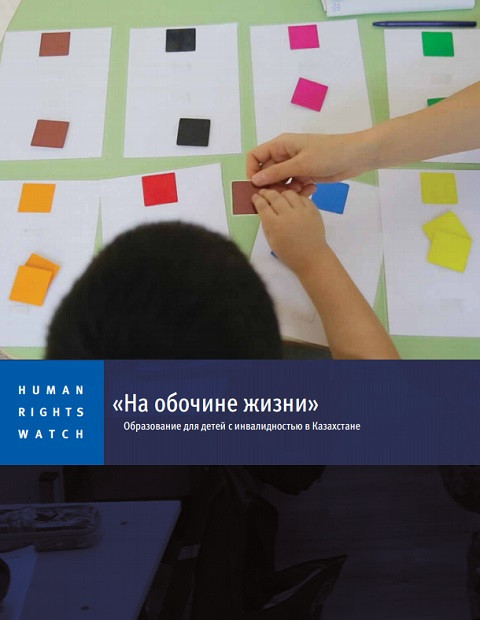 On the Margins: Education for Children With Disabilities in Kazakhstan سنة النشر: 2019 المؤلف المؤسسي: Human Rights Watch This report is intended to analyze the situation with inclusive education in Kazakhstan for children with disabilities, government initiatives in this area, the reasons and factors of insufficient implementation of inclusive education. It also contains recommendations to the government of the Republic of Kazakhstan and international partners and proposals for improving the situation. На обочине жизни: Образование для детей с инвалидностью в Казахстане سنة النشر: 2019 المؤلف المؤسسي: Human Rights Watch Данный отчет призван проанализировать ситуацию с инклюзивном образованием в Казахстане для детей с инвалидностью, государственные инициативы в данной сфере, причины и факторы недостаточного внедрения инклюзивного образования. В нем также содержатся рекомендации правительству Республики Казахстан и международным партнерам и предложения по улучшению ситуации.
  Inequality and Productivity: By Reason and Science سنة النشر: 2018 المؤلف المؤسسي: VTRChile The series "By Reason and Science" aims to bring science and technology closer to our daily lives, focusing mainly on local scientific development. This video explores the relationship between inequality and productivity from an economic point of view as well as respect for human rights. Desigualdad y productividad: Por la razón y la ciencia سنة النشر: 2018 المؤلف المؤسسي: VTRChile La serie "Por la razón y la ciencia" tiene como objetivo acercar la ciencia y la tecnología a nuestra vida cotidiana, centrándose principalmente en el desarrollo científico local. En este video se exploran la relación entre la desigualdad y la productividad desde un punto de vista tanto económico como de respeto por los derechos humanos.
  Учебная программа первичной профилактики насилия в школе سنة النشر: 2014 المؤلف: Robin Haarr المؤلف المؤسسي: United Nations Children's Fund (UNICEF) Данное пособие подготовлено в рамках сотрудничества между Министерством образования и науки РК, учреждением Уполномоченного по правам человека в Республике Казахстан, акиматом Восточно-Казахстанской области, Восточно-Казахстанским государственным университетом им. С. Аманжолова и ЮНИСЕФ в целях реализации проекта по профилактике и реагированию на насилие в отношении детей в школах Казахстана, при поддержке Министерства иностранных дел Норвегии.Настоящая учебная программа первичной профилактики школьного насилия была разработана для использования со всеми учащимися (по всей школе).
  Manual for the Programme to Prevent and Respond to School Violence in East Kazakhstan سنة النشر: 2014 المؤلف: Robin Haarr المؤلف المؤسسي: United Nations Children's Fund (UNICEF) School violence can threaten a child’s sense of safety within school, negatively impacting on their ability to learn. The best way to address school violence is to step in promptly, with effective intervention in the first instance. Internationally, ‘best practice’ in preventing and responding to school violence is being used to develop school-wide systems of prevention and intervention.This publication was prepared under the co-operation between the Ministry of Education and Science of Kazakhstan, the Office of the Commissioner for Human Rights of the Republic of Kazakhstan, the Akimat of East Kazakhstan Oblast, the East Kazakhstan State University, and the UNICEF Office in Kazakhstan. It aims to facilitate the prevention of violence towards children in schools in Kazakhstan, with support from the Ministry of Foreign Affairs of Norway. Руководство по реализации программы: Профилактика и реагирование на насилие в школах в восточно-казахстанской области سنة النشر: 2014 المؤلف: Robin Haarr المؤلف المؤسسي: United Nations Children's Fund (UNICEF) Насилие в школе может угрожать ощущению безопасности детей в школе и отрицательно влиять на их способность к обучению. Наилучшим способом решения проблемы насилия в школе является профилактика и должное вмешательство при его проявлении.Данное пособие подготовлено в рамках сотрудничества между Министерством образования и науки РК, учреждением Уполномоченного по правам человека, акиматом Восточно-Казахстанской области, Восточно-Казахстанским государственным университетом им. Аманжолова и ЮНИСЕФ в целях реализации проекта по профилактике и реагированию на насилие в отношении детей в школах Казахстана, при поддержке Министерства иностранных дел Норвегии. Primary Prevention Curriculum: The Programme to Prevent Violence Against Children سنة النشر: 2014 المؤلف: Robin Haarr المؤلف المؤسسي: United Nations Children's Fund (UNICEF) This publication was prepared under the cooperation between the Ministry of Education and Science of Kazakhstan, the Office of the Commissioner for Human Rights in the Republic of Kazakhstan, akimat of East Kazakhstan Oblast, the East Kazakhstan State University, and UNICEF Office in Kazakhstan to implement the programme on prevention and response to violence against children in schools in Kazakhstan, with thesupport from the Ministry of Foreign Affairs of Norway.This primary prevention curriculum has been developed for use with all students (schoolwide), and each includes specific worksheets and activities that should be taught in chronological order to students between the 3rd and 7th grades.
  Aboriginal Worldviews and Perspectives in the Classroom: Moving Forward سنة النشر: 2015 المؤلف المؤسسي: Province of British Columbia This resource presents how the BC Ministry of Education is embedding Aboriginal perspectives into all parts of the curriculum in a meaningful and authentic manner. It will also help educators to move ahead with transformative practice in relation to Aboriginal education. Visions du monde et perspectives autochtones dans la salle de classe : Aller de l’avant سنة النشر: 2015 المؤلف المؤسسي: Province of British Columbia Cette ressource présente comment le Ministère de l’Éducation de la Colombie-Britannique se propose d’intégrer, de manière significative et authentique, des perspectives autochtones à toutes les parties du programme d’études. Cela aidera également les éducateurs à essayer des pratiques transformatrices en matière d’éducation autochtone.