
الموارد
استكشف مجموعة واسعة من الموارد القيمة حول تعليم المواطنة العالمية لتعميق فهمك وتعزيز البحث والمناصرة والتعليم والتعلم.
تم العثور على 950 نتيجة
 حقوق المرآة السياسية في الإسلام ودورها في المجال السياسي سنة النشر: 2020 المؤلف: Hussein Zubair Thalj Al-Fahdawi | Mayada Ali Abdel Nabi Karim الحمد لله الذي بنعمته تتم الصالحات وتجبر العثرات وتنال المكرمات وصلى الله على البشير النذير والسراج المنير وعلى آله وصحبه أجمعين . وقد كان من توفيق الله تعالى لي أن توصلت من خلال دراستي هذه إلى بعض النتائج أوجزها فيما يلي: كرم الإسلام إنسانية الإنسان فرفعها الى اسمى الدرجات ولم يفرق فيها بين الرجل والمرأة، ب ل جعل الانسان )رجلا وامرأة( اهم ما في هذا الكون، ولما كانت المرأة نصف المجتمع البشري وهي الأم والأخت والزوجة والبنت، فمن الطبيعي ان تشارك الرجل مشاركة كاملة في كل مظاهر الكرامة الإنسانية، والإسلام الزم الرجل والمرأة ان يتعلما وان يتفهما كل شيء ويتفقها في الدين والعلم، والزمهما بالجهاد السلمي لنشر العقيدة والمعاني السامية كلا في الحقل الذي يستطيع العمل فيه . اتضح من العرض السابق أن المشاركة المتزايدة للنساء في العمل السياسي تمثل عاملا محوريا لارتقاء بالمساواة بين الجنسين وتمكين المرأة، فالمرأة المشاركة في العمل السياسي . وأن مجالات العمل السياسي كافة يباح شرعا أن يتولاها من هو أهل لها رجلا كان أو امرأة، كما إن نظرة الإسلام للمرأة منبثقة من نظرة الإسلام للإنسان المكرم فلا تمايز ولا اختلاف، وأحكام الشريعة تقرر فيها المساواة وتحقيق العدالة والأصل هو تساوي المرأة والرجل في أصل الخلقة والتكاليف الشرعية، وما اختلف بينهما هو استثناء للأصل، وما كان استثناء فإنه لا يصح القياس علي ه .وأخيرا إنَّ ما في هذه البحث من صواب؛ فهو من الله عز وجل، وإنَّ كل ما فيها من خلل وقصور؛ فهو من نفسي ومن الشيطان، ولا يسعني في ختام هذه البح ث المتواضع إلا أن أحمد الله تعالى؛ فالحمد لله رب العلمين والصلاة والسلام على نبينا محمد وعلى آلهِ وصحبه ومن والاه إلى يوم الدين
  A Geographical - Political Analysis of the Determinants of women's empowerment in Iraq سنة النشر: 2020 المؤلف: Zainab Ali Mazloum, Lateef Kamel Kelaiwy Empowering women is one of the modern topics that geopolitics is concerned with, especially after the United Nations adopted in the eighties of the twentieth century the strategy of empowering women against the background of discrimination against them on the basis of gender and depriving them of equal opportunities compared to males in the fields of learning and work as well as drawing state policy, that empowerment The political status of women is based on two main variables: the first is the removal of legislative, administrative, and social determinants that hinder women's political participation, and the second is the creation of political measures and measures that support women's participation and increase their effectiveness by developing their capabilities, nah As for employing those capabilities in the institutional framework of political units, so states at various levels and orientations, including Iraq, are keen to eliminate gender differences and women's empowerment through achieving comprehensive development in general and political development in particular because they mimic political empowerment, however Iraq has said a lot in this field by doing The many political transformations and wars that affected the state, as well as the great challenges that faced and still face the Iraqi political decision-maker with its various political, security, economic and social dimensions. التحليل جغرافي سياسي لمحددات تمكين المرأة في العراق سنة النشر: 2020 المؤلف: Zainab Ali Mazloum, Lateef Kamel Kelaiwy يعد تمكين المرأة من الموضوعات الحديثة التي اهتمت بها الجغرافيا السياسية لاسيما بعد تبن الامم المتحدة في ثمانينيات القرن العشرين لاستراتيجية تمكين المرأة على خلفية التمييز القائم ضدهن على اساس النوع وحرمانهن من تكافؤ الفرص مقارنة بالذكور في ميادين التعلم والعمل فضلا عن رسم سياسة الدولة ، على ان التمكين السياسي للمرأة يرتكز على متغيرين اساسيين :اولهما ازالة المحددات التشريعية والادارية والاجتماعية التي تعيق المشاركة السياسية للمرأة وثانيهما ايجاد التدابير والاجراءات السياسية التي تدعم مشاركة المرأة وزيادة فاعليتها عبر تطوير قدراتها ، ناهيك عن توظيف تلك القدرات في الاطار المؤسسي للوحدات السياسية ، لذا تحرص الدول بمختلف مستوياتها وتوجهاتها ومنها العراق على ازالة فوارق النوع الاجتماعي وتمكين المرأة من خلال تحقيق التنمية الشاملة عامة والتنمية السياسية خاصة لكونها تحاكي التمكين السياسي ، بيد ان العراق قد تلكا كثيرا في هذا المجال بفعل كثرة التحولات السياسية والحروب التي طالت الدولة فضلا عن التحديات الكبيرة التي واجهت وما زالت تواجه صانع القرار السياسي العراقي بأبعادها المختلفة السياسية والامنية والاقتصادية والاجتماعية ، وعليه جاء هذا البحث ليتعرض الى المرتكزات السياسية والقانونية لتمكين المرأة في العراق علاوة على التطرق لمظاهر التمكين السياسي للمرأة فيه فضلا عن عرض ابرز محدداته في الدولة وتقديم الحلول الناجعة لها.
  Inclusion of Women and Girls and Ensuring Their Rights: A Toolkit for Arab Cities سنة النشر: 2023 المؤلف المؤسسي: UNESCO Cairo | European Training and Research Centre for Human Rights and Democracy (Austria) Even though women and girls represent close to or more than half of the population of most Arab cities, they are one of the groups that are historically and structurally excluded from decision-making and development planning in the cities. They face many barriers in accessing cities services, and inequality participating in cities activities. Developed on the basis of a virtual regional consultation workshop, as well as in-depth interviews with cities officials and representatives from the Coalition of Arab Cities against Racism, Discrimination, Xenophobia and Intolerance, this Toolkit provides tools and practical advice to enable Arab cities achieve a better inclusion of women and girls, and ensure their full right to benefit from local development programs. The toolkit mainly targets local authorities in Arab cities including Mayors, Members of Municipality Councils, Municipal executives, and Entities concerned with the design, implementation, follow-up, and evaluation of local projects and programs. “Since wars begin in the minds of men andwomen it is in the minds of men and womenthat the defences of peace must be constructed”Inclusion of women and girls in Arab cities: challenge or opportunity?This publication is the result of a joint effort involving the European Training and Research Centre for Human Rights and Democracy in Graz, UNESCO Coalition of Arab Cities against Racism, Discrimination, Xenophobia and Intolerance, and UNESCO Cairo Office. إدماج وضمان حقوق النساء والفتيات: دليل المدن العربية سنة النشر: 2023 المؤلف المؤسسي: UNESCO Cairo | European Training and Research Centre for Human Rights and Democracy (Austria) إدماج النساء والفتيات في المدن العربية، تح ٍد أم فرصة؟يشكل إدماج النساء والفتيات عنصرا محوريا في مسألة الإدماج الحضري. فعلى الرغم من أن النساء والفتياتي مثلن ما يقرب من أو يزيد عن نصف السكان في أغلب المدن العربية، فإنهن من أكثرالفئات المستبعدة تاريخيا وهيكلًيا من عملية صنع القرار والتخطيط الإنمائي في المدن العربية. ويواجهن العديد من العوائقل لاستفادة من خدمات المدن ويعانين من عدم المساواة فيفرص المشاركة في أنشطتها.كان إعداد هذا الدليل على أساس ورشة عمل استشارية إقليمية افتراضية، بالإضافة إلى مقابلات متعمقة مع مسؤولي المدن وممثلي تحالف المدن العربية ضد العنصرية والتمييز وكراهية الأجانب والتعصب. ويوفر الدليل أدوات ونصائح عملية لتمكين المدن العربية من تحقيق إدماج النساء والفتيات بشكل أفضل، وضمان حقهن الكامل في الاستفادة من برامج التنمية المحلية.يستهدف هذا الدليل بشكل أساسي السلطات المحلية في المدن العربية بما في ذلك رؤساء البلديات وأعضاء المجالس البلدية والمديرين التنفيذيين في البلديات والهيئات المعنية بتصميم المشاريع والبرامج المحلية وتنفيذها ومتابعتها وتقييمها.يأتي هذا المنشور نتيجة جهد مشترك ساهم فيه كل من المركز الأوروبي للتدريب والبحوث لحقوق الإنسان والديمقراطية في جراتس، وتحالف اليونسكو للمدن العربية ضد العنصرية والتمييز وكراهية الأجانب والتعصب، ومكتب اليونسكو بالقاهرة.
  المظاهر الثقافية في الديانتين المسيحية والإسلامية سنة النشر: 2011 المؤلف المؤسسي: UNESCO Beirut | Université Saint Joseph de Beyrouth This book allows the readers the opportunity to know about the cultural aspects related to religions, mainly in Lebanon and the Near East, their meaning and their aim. This knowledge will help the reader, firstly, to grasp the meaning of these various aspects, whether they concern him directly or the people who live in the same country, with whom he shares common space and living. Secondly, the book contributes to the Lebanese understanding one another’s behaviors and their own behavior concerning these aspects. Therefore, the book also contributes to the Lebanese looking at one another with more trust before starting to criticize. This book includes chapters that cover most of the different cultural aspects in Christian and Islamic religions. The first chapter deals with time, passing through each month of the year and its days, in a chronological manner. The second chapter delves into religious occasions in the Christian then Islamic religions. It explains the meaning of Holidays and remembrances of God and their particular aspects as well as the religious reasons of each. This chapter includes a part about al-‘awliya’ and Saints who are mentioned in some of the Lebanese daily rituals. Chapter three delves into the individual’s life stages from birth to religious vows, to marriage and death. The aspects that go with these stages constitute an important part in the life of the Lebanese. This chapter details the aspects and traditions of all these stages in which people take part, thus creating a common ground in a multi-religious society. Chapter four deals with religious practices, acts of worship, and legal prescriptions. It describes them and deals with their spiritual meaning to individuals who express their faith when practicing them. Prayer, Mass, and Pilgrimage, among others, are religious practices that are detailed in a way to make the reader understand what they mean to those who perform them. Chapter five leads us into religious places and their meaning, from churches to mosques and monasteries, khalwat and husayniyyat, all of which have different and divergent meanings to visitors. Yet, they all show the importance given by man to the place when expressing his faith and his relation with the Creator. Chapter six takes us to religious habits and customs, such as the clothes worn by religious dignitaries, their symbolism and meaning. It also deals with some general habits and customs. The reader may find that some chapters overlap. In fact, we have tried to make each part related to the others yet independent from them. This method facilitates the reading and understanding of any subject on its own without the need to refer to prior or subsequent parts. Finally, those who had any – minor or major – contribution in this book – despite the lacks that some readers might see – hope that they have offered a useful work in the process of discovering others who are different and who hold rich traditions as well human and spiritual values. Les aspects culturels dans les religions chrétienne et musulmane سنة النشر: 2011 المؤلف المؤسسي: UNESCO Beirut | Université Saint Joseph de Beyrouth This book allows the readers the opportunity to know about the cultural aspects related to religions, mainly in Lebanon and the Near East, their meaning and their aim. This knowledge will help the reader, firstly, to grasp the meaning of these various aspects, whether they concern him directly or the people who live in the same country, with whom he shares common space and living. Secondly, the book contributes to the Lebanese understanding one another’s behaviors and their own behavior concerning these aspects. Therefore, the book also contributes to the Lebanese looking at one another with more trust before starting to criticize. This book includes chapters that cover most of the different cultural aspects in Christian and Islamic religions. The first chapter deals with time, passing through each month of the year and its days, in a chronological manner. The second chapter delves into religious occasions in the Christian then Islamic religions. It explains the meaning of Holidays and remembrances of God and their particular aspects as well as the religious reasons of each. This chapter includes a part about al-‘awliya’ and Saints who are mentioned in some of the Lebanese daily rituals. Chapter three delves into the individual’s life stages from birth to religious vows, to marriage and death. The aspects that go with these stages constitute an important part in the life of the Lebanese. This chapter details the aspects and traditions of all these stages in which people take part, thus creating a common ground in a multi-religious society. Chapter four deals with religious practices, acts of worship, and legal prescriptions. It describes them and deals with their spiritual meaning to individuals who express their faith when practicing them. Prayer, Mass, and Pilgrimage, among others, are religious practices that are detailed in a way to make the reader understand what they mean to those who perform them. Chapter five leads us into religious places and their meaning, from churches to mosques and monasteries, khalwat and husayniyyat, all of which have different and divergent meanings to visitors. Yet, they all show the importance given by man to the place when expressing his faith and his relation with the Creator. Chapter six takes us to religious habits and customs, such as the clothes worn by religious dignitaries, their symbolism and meaning. It also deals with some general habits and customs. The reader may find that some chapters overlap. In fact, we have tried to make each part related to the others yet independent from them. This method facilitates the reading and understanding of any subject on its own without the need to refer to prior or subsequent parts. Finally, those who had any – minor or major – contribution in this book – despite the lacks that some readers might see – hope that they have offered a useful work in the process of discovering others who are different and who hold rich traditions as well human and spiritual values.
 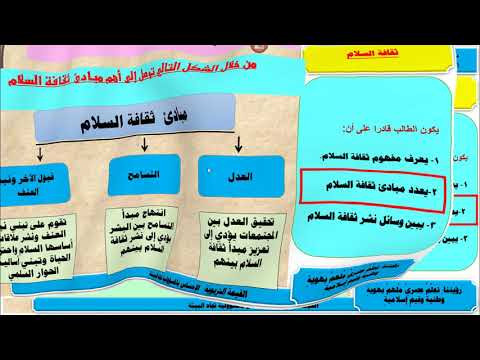 Citizenship of a Culture of Peace سنة النشر: 2021 المؤلف: Graeme Simpson المؤلف المؤسسي: AL-andalus Educational Complex The video is a lesson from the social studies book for the tenth grade in the State of Qatar. The teacher explains citizenship for peace and its dissemination. The teacher begins by explaining the concept of a culture of peace and goes on to the principles of peace and the foundations for its dissemination. The class is suitable for Arab students in general to understand what peace is and how to spread it. مواطنة ثقافة السلام سنة النشر: 2021 المؤلف: Graeme Simpson المؤلف المؤسسي: AL-andalus Educational Complex الفيديو عبارة عن حصة تدريسية من كتاب الدراسات الاجتماعية للصف العاشر بدولة قطر. يشرح المعلم فيها المواطنة من أجل السلام ونشرها. يبدأ المعلم بشرح مفهوم ثقافة السلام ويستطرد في مبادئ السلام وأسس نشره. الحصة مناسبة للطلبة العرب عموما في فهم ماهية السلام وسبل نشره.
 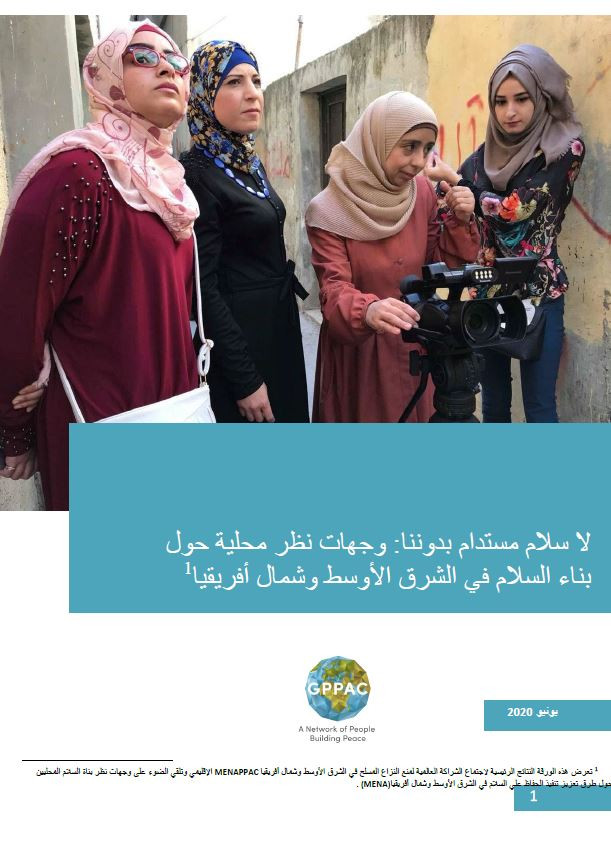 No Sustainable Peace Without Us: Local Perspectives on Peacebuilding in the Middle East and North Africa سنة النشر: 2020 المؤلف المؤسسي: Global Partnership for the Prevention of Armed Conflict (GPPAC) This paper presents the main outcomes of the Global Partnership for the Prevention of Armed Conflict in the Middle East and North Africa meeting. The paper sheds light on the perspectives of local peacebuilders on ways to promote peacekeeping in the Middle East and North Africa region.