
الموارد
استكشف مجموعة واسعة من الموارد القيمة حول تعليم المواطنة العالمية لتعميق فهمك وتعزيز البحث والمناصرة والتعليم والتعلم.
تم العثور على 2,668 نتيجة
 德国的特殊教育 (教育进展 第11卷 第4期) سنة النشر: 2021 المؤلف: 沈国琴 المؤلف المؤسسي: 汉斯出版社 本文首先阐述了德国学者对残疾的定义及德国对残疾儿童与青少年实施特殊教育的框架条件,随后从德 国特殊教育的运行机制、德国特殊教育的特点及发展趋势等方面对德国的特殊教育作了阐述。
 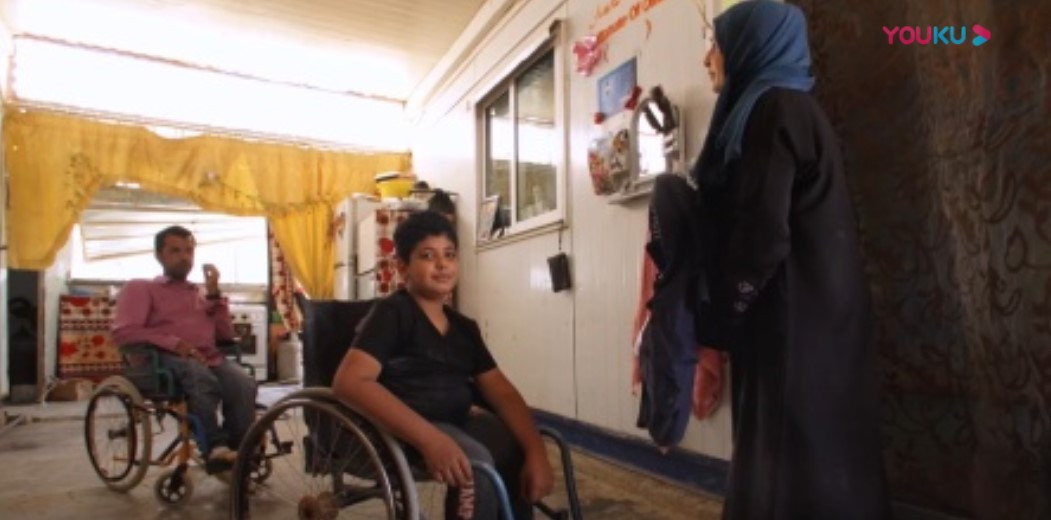 A Small Change That Makes Them Happy in the Refugee Camps! سنة النشر: 2021 المؤلف المؤسسي: 联合国儿童基金会 This video presents the difficulties and challenges faced by children with disabilities in a refugee camp in Syria, and UNICEF's efforts to address them. 一个小小改变,让难民营里的他们开心到飞起! سنة النشر: 2021 المؤلف المؤسسي: 联合国儿童基金会 本视频介绍了叙利亚难民营中残障儿童所面临的困难与挑战,以及联合国儿童基金会为此所作出的努力。
  女童和妇女教育 国际研讨会总结报告. 中华人民共和国,北京. 2016年6月4—7日 سنة النشر: 2016 المؤلف المؤسسي: National Commission of the People's Republic of China for UNESCO | UNESCO Beijing The International Seminar on Girls’ and Women’s Education, held 4-6 June 2016 in Beijing, explored benefits of education on girls and women along with barriers to the achievement of gender equality in education. It provided a platform for dialogue on the role of education for girls and women, particularly in the context of the 2030 Agenda for Sustainable Development, and specifically in reaching SDG 4 and supporting the achievement of other SDGs. The event also marked the first award ceremony of the UNESCO Prize for Girls’ and Women’s Education, which honoured two laureates for their outstanding innovation and contributions to advancing girls’ and women’s education. This publication presents a synthesis of information that was shared during the seminar’s sessions, and the findings and recommendations originating from the exchanges.
  Образование и изменение климата: Научиться действовать в интересах людей и планеты سنة النشر: 2024 المؤلف المؤسسي: Global Education Monitoring Report Team | Monitoring and Evaluating Climate Communication and Education Project (MECCE) | University of Sakatchewan Как образование может стимулировать деятельность в связи с изменением климата?Несмотря на убедительные факты, свидетельствующие о влиянии образования на достижение других результатов в области развития и о его роли в укреплении профессионального потенциала для перехода к устойчивому развитию, образование зачастую не учитывается при рассмотрении другими секторами вопросов, касающихся стратегических аспектов, политики, планирования и финансирования. В рамках Всемирного доклада по мониторингу образования предлагается новая серия публикаций, призванных содействовать диалогу на тему взаимосвязи образования с другими целями в области устойчивого развития.Первая публикация в этой серии посвящена изменению климата. Сначала в ней рассматривается растущее влияние изменения климата на образование, а затем – роль образования в деятельности в области климата. Вклад образования в развитие профессионального потенциала для перехода к «зеленой» экономике во многом недооценен. Принято считать, что формальное, неформальное и информальное обучение также играют важнейшую роль в создании мотивации для действий по смягчению последствий изменения климата и адаптации к ним.Однако положительная корреляция между уровнем образования и неустойчивыми моделями потребления, а также неоднозначность многих исследований на тему непосредственного влияния образования на меры по адаптации к изменению климата и смягчению его последствий, в некоторой степени способствуют тому, что образованию уделяется недостаточно внимания в глобальных и национальных программах действий в области изменения климата.В настоящей публикации показано, что для успешной реализации потенциала образования в области изменения климата его необходимо адаптировать. Парадигма образования не может быть основана только лишь на передаче знаний – она должна быть нацелена на формирование социально-эмоциональных навыков и обучение, ориентированное на действия.Значительная доля проведенных исследований посвящена влиянию уровня образования и когнитивного обучения, в связи с чем требуется проведение дополнительных исследований для оценки других факторов, позволяющих образованию оказывать воздействие на модели поведения и создавать мотивацию для деятельности в связи с изменением климата. Такие исследования необходимы для разработки эффективных пакетов образовательных реформ, направленных на совершенствование учебных программ, повышение готовности школ и систем образования к изменению климата, обеспечение вовлеченности учащихся и соответствующую подготовку педагогов.
  教育与气候变化 学会为造福人类和地球而行动 سنة النشر: 2024 المؤلف المؤسسي: Global Education Monitoring Report Team | Monitoring and Evaluating Climate Communication and Education Project (MECCE) | University of Sakatchewan 教育如何促成气候变化行动?尽管有强有力的证据表明教育可以影响其他发展成果,并在培养促进可持续发展转型的专业能力方面发挥着重要作用,但在其他部门的战略、政策、规划和筹资考量中,却常常看不到教育的踪影。《全球教育监测报告》现推出一个新的出版物系列,以推动关于教育与其他可持续发展目标之间相互关系的对话。该系列的第一份出版物聚焦气候变化。其中首先分析了气候变化对教育日渐增强的影响,随后探讨了教育在气候行动中的作用。教育在培养促进向绿色经济转型的专业能力方面的贡献,在某种程度上未得到充分重视。人们普遍认为,正规、非正规和非正式学习在推动采取减缓和适应气候变化的行动方面也发挥着关键作用。然而,由于受教育程度与不可持续的消费水平之间存在正相关关系,而且关于教育对气候变化适应和减缓行动的直接影响方面的许多研究尚无定论,这在一定程度上导致教育在全球和国家气候变化议程中不受重视。本出版物认为,需要对气候变化教育作出调整,以充分发挥其潜力。教育模式不能仅仅依靠知识传授,还需要注重社会情感和行动导向学习。大部分研究都侧重于受教育程度和认知学习的影响。因此,需要开展更多研究,以评估教育还可以借由哪些其他驱动因素来影响行为并推动气候变化行动。需要借助此类研究来制定可行的教育改革方案,以完善课程设置,加强学校和教育系统的气候行动准备工作,让学习者参与进来,并使教育工作者做好相应的准备。
  Paris Agreement سنة النشر: 2015 المؤلف المؤسسي: United Nations (UN) The Paris Agreement is a legally binding international treaty on climate change. It was adopted by 196 Parties at the UN Climate Change Conference (COP21) in Paris, France, on 12 December 2015. It entered into force on 4 November 2016.Its overarching goal is to hold “the increase in the global average temperature to well below 2°C above pre-industrial levels” and pursue efforts “to limit the temperature increase to 1.5°C above pre-industrial levels.” Accord de Paris سنة النشر: 2015 المؤلف المؤسسي: United Nations (UN) L'Accord de Paris est un traité international juridiquement contraignant sur les changements climatiques. Il a été adopté par 196 Parties lors de la COP 21, la Conférence des Nations unies sur les changements climatiques à Paris, France, le 12 décembre 2015. Il est entré en vigueur le 4 novembre 2016. Son objectif primordial est de maintenir « l'augmentation de la température moyenne mondiale bien en dessous de 2°C au-dessus des niveaux préindustriels » et de poursuivre les efforts « pour limiter l'augmentation de la température à 1,5°C au-dessus des niveaux préindustriels. » Acuerdo de París سنة النشر: 2015 المؤلف المؤسسي: United Nations (UN) El Acuerdo de París es un tratado internacional sobre el cambio climático jurídicamente vinculante. Fue adoptado por 196 Partes en la COP21 en París, el 12 de diciembre de 2015 y entró en vigor el 4 de noviembre de 2016. Su objetivo es limitar el calentamiento mundial a muy por debajo de 2, preferiblemente a 1,5 grados centígrados, en comparación con los niveles preindustriales. ПАРИЖСКОЕ СОГЛАШЕНИЕ سنة النشر: 2015 المؤلف المؤسسي: United Nations (UN) Парижское соглашение – юридически обязательный международный договор по тематике изменения климата. Он был принят 196 Сторонами на 21-й сессии Конференции Сторон Рамочной конвенции ООН об изменении климата (КС-21 РКИК ООН) 12 декабря 2015 года в Париже. Вступление Соглашения в силу состоялось 4 ноября 2016 года. Задача Парижского соглашения – удержание прироста глобальной средней температуры намного ниже 2 градусов Цельсия сверх доиндустриальных уровней при приложении усилий в целях ограничения роста температуры до 1,5 градусов Цельсия.