
الموارد
استكشف مجموعة واسعة من الموارد القيمة حول تعليم المواطنة العالمية لتعميق فهمك وتعزيز البحث والمناصرة والتعليم والتعلم.
تم العثور على 3,448 نتيجة
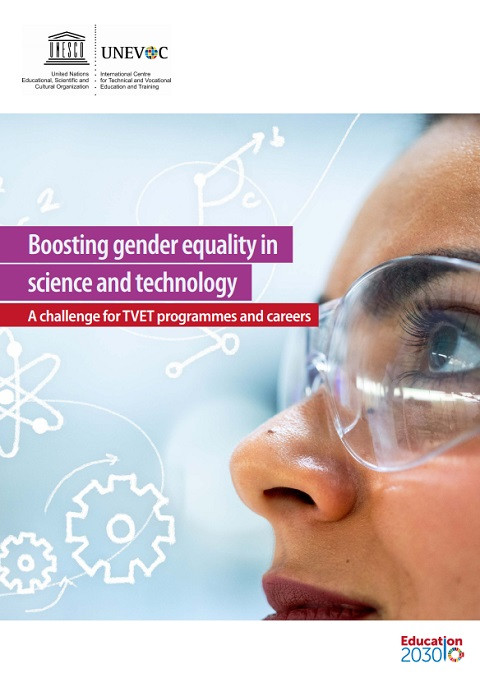 Boosting Gender Equality in Science and Technology: A Challenge for TVET Programmes and Careers سنة النشر: 2020 المؤلف المؤسسي: UNESCO International Centre for Technical and Vocational Education and Training (UNEVOC) While technical and vocational education and training (TVET) has the potential to bolster the participation of women in the labour market, this potential is not always well understood and capitalized on. In general, female students are lowly represented in TVET compared to general programmes, and in particular girls and women tend to be under-represented in the fields that require science, technology, engineering and mathematics (STEM) skills and knowledge. In addition to being required for ‘traditional’ and ‘emerging’ occupations, STEM skills and knowledge are often needed for the so-called ‘jobs of the future’, driving innovation, inclusive growth and sustainable development. This report examines the key issues concerning girls and women’s participation and achievement in STEM-related TVET programmes and their transition STEM related careers.
  평화를 향한 유네스코의 역할 سنة النشر: 2019 المؤلف: 강인욱 | 김성해 | 김지현 | 성지은 | 유성상 | 조동준 | 최동주 | 한경구 المؤلف المؤسسي: 유네스코한국위원회 평화를 위한 유네스코의 국제적인 지적 협력 활동은 교육과 문화 분야에서는 상당한 가시적 성과를 거두었다. 이 과정에서 문제점도 발견되고 한계도 드러나고 정치화되었다는 비판도 받았지만, 교육과 문화의 영역에서 유네스코는 국제적 협력과 활동의 방향을 설정하거나 논의를 주도하고 이끌어가는 모습을 보이고 있다.유네스코가 평화를 위한 기구이면서도 평화와 관련하여 폭넓고 다양하며 깊이 있는 새로운 연구와 실천을 적극적으로 주도하지 못한 것은, 냉전이라는 국제정치적 요인을 감안하더라도 매우 안타까운 일이다. 유네스코는 평화를 위하여 만들어진 국제기구이면서도 전후에 평화와 관련된 학술적 논의와 이론의 발전을 주도하지 못했다. ‘평화의 문화’ 개념이 처음 언급된 것은 1989년 코트디브아르에서였고, 1997년이 되어서야 유네스코가 ‘Toward a Culture of Peace Program 을 시작하였으며, 유엔총회가 2000 년을 ‘평화의 문화의 해로 선언했다.유네스코의 이러한 상황은 한국이 보다 적극적인 역할을 할 기회를 제공한다. 한국은 과거 와 같이 기회가 있을 때마다 국위를 선양하는 수준의 상황추수적(狀況追隨的) 대응에 매몰되거나, 좁은 시야로 단기적 국익을 추구하는 소극적인 입장을 탈피할 필요가 있다. 오히려 대국적 견지에서 세계 평화와 인류의 행복이라는 지구 공동체(Global Community) 전체의 이익을 중시하고, 이틀 장기적 국가이익과 동일시하며, 이에 상응하는 재정 부담을 감수함으로써 세계시민권력(Global Citizenship Power)을 추구하면서 국제적 지위의 향상과 도덕적 지도력을 증대 시킬 수 있을 것이다.
 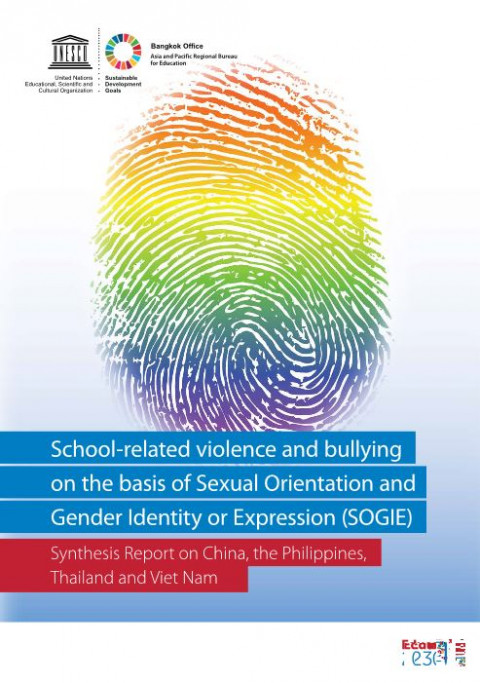 School-related violence and bullying on the basis of Sexual Orientation and Gender Identity or Expression (SOGIE): synthesis report on China, the Philippines, Thailand and Viet Nam سنة النشر: 2018 المؤلف المؤسسي: UNESCO Bangkok School related violence and bullying is a problem in all countries. UNESCO is committed to ensuring that all children and young people have access to safe, inclusive, health-promoting learning environments as part of its strategy on education for health and well-being. This synthesis report on school related violence and bullying on the basis of Sexual Orientation and Gender Identity or Expression (SOGIE), covering China, the Philippines, Thailand and Viet Nam, was developed to broaden awareness and understanding about this issue, while also identifying best practices and policies. It also aims to mobilize support for advocacy among educators, research institutions, policy makers and activists at the national and regional levels.
  Gender Inequality in Education and its Impact on Economic Growth in Algeria: An Applied Study for the Period (1980-2014) سنة النشر: 2017 المؤلف: Latifa Al-Sabti | Taleb Warrad المؤلف المؤسسي: University of Jordan Most of the developing countries suffer from gender inequality in education, health, employment opportunities, wages and opportunities of representation and political empowerment. It was found that this inequality - according to the findings of most previous studies on this topic- had a negative effect on economic growth. As economic growth is one of the important macroeconomic goals, this has induced the researcher to investigate the relationship between them in Algeria. This study aimed mainly at investigating the impact of gender inequality in education on the economic growth in Algeria, using annual data covering the period from 1980 to 2014, in order to achieve this objective, an econometric model has been designed based on the economic theories and the published researches, using data obtained from the World Bank's (WB) and UNESCO websites. The Results of the econometric analysis showed the existence of significant positive relationship between gender inequality in secondary education and economic growth in Algeria (which means that there is a gender equality in secondary education enrollment according to the definition of Gender Parity Index), and the existence of a negative significant relationship between gender inequality in primary education and economic growth in Algeria (which means that there is a gender inequality in primary education enrollment according to the definition of Gender Parity Index), also showed the presence of a positive significant relationship between each of the trade openness, physical capital and economic growth, and the presence of a negative significant relationship between labor supply and economic growth in Algeria. The study recommended the need of Algeria to work on the elimination of the causes of gender inequality in education, or at least minimizing them as much as possible because of their negative impact on economic growth, and supporting the educational system through the construction of new schools in rural and urban areas, the paving of roads to facilitate access of pupils safely to schools, equipping schools with the required means to complete the educational process as it should be, to spread awareness through various media of the importance of female education, to enact legislations that obligate the education of females, to encourage the demand for females in the labor market as an attempt to raise their rate of enrollment to education as a major determinant for getting a good job. عدم المساواة في التعليم بين الجنسين وأثرها على النمو الاقتصادي في الجزائر: دراسة تطبيقية للفترة (1980-2014) سنة النشر: 2017 المؤلف: Latifa Al-Sabti | Taleb Warrad المؤلف المؤسسي: University of Jordan تعاني أغلب الدول النامية من عدم المساواة بين الجنسين في التعليم، الصحة، فرص التشغيل، الأجور وفرص التمثيل والتمكين السياسي وغيرها، حيث وُجد أن هذه الأخيرة - حسب ما توصلت إليه أغلب الدراسات السابقة في هذا الموضوع-لها تأثير سلبي على النمو الاقتصادي، والذي يعد من الأهداف الاقتصادية المهمة على المستوى الكلي، ما دفع بالباحث إلى دراسة العلاقة بينهما في الجزائر.هدفت الدراسة بشكل أساسي إلى اختبار أثر عدم المساواة في التعليم بين الجنسين على النمو الاقتصادي في الجزائر، باستخدام بيانات سنوية تغطي الفترة من 1980 إلى 2014، ولتحقيق ذلك تم تصميم نموذج قياسي يستند إلى النظريات الاقتصادية والدراسات العلمية المنشورة ومن ثم تطبيقه على الجزائر، كما تم استخدام اختبارات التحليل القياسي المناسبة، أما البيانات فتم الحصول عليها من موقع البنك الدولي (WB) وموقع منظمة اليونسكو.بينت نتائج التحليل القياسي وجود علاقة إيجابية طردية ذات دلالة إحصائية بين متغير عدم المساواة بين الجنسين في التعليم الثانوي والنمو الاقتصادي في الجزائر (ما يعني أن هناك مساواة بين الذكور والإناث في الالتحاق بالتعليم الثانوي)، ووجود علاقة عكسية ذات دلالة إحصائية بين متغير عدم المساواة بين الجنسين في التعليم الابتدائي والنمو الاقتصادي في الجزائر (ما يعني أنه ليس هناك مساواة بين الذكور والإناث في الالتحاق بالتعليم الابتدائي)، كما بينت وجود علاقة طردية إيجابية ذات دلالة إحصائية بين كل من الانفتاح التجاري، رأس المال وعكسية بين عرض العمل وبين النمو الاقتصادي في الجزائر.أوصت الدراسة بضرورة العمل على القضاء على مسببات عدم المساواة في التعليم بين الجنسين في الجزائر أو على الأقل التقليل منها قدر الإمكان لما لها من أثر سلبي على النمو الاقتصادي، وذلك عن طريق دعم المنظومة التعليمية من بناء مدارس جديدة بالمناطق الريفية والنائية، تعبيد الطرقات لتسهيل وصول التلاميذ بأمان إلى المدارس، تجهيز المدارس بالوسائل اللازمة لإتمام العملية التعليمية على أكمل وجه، نشر الوعي عبر وسائل الإعلام المختلفة بأهمية تعليم الإناث، سن تشريعات بإجبارية تعليم الإناث، تشجيع الطلب على الإناث في سوق العمل كمحاولة لرفع معدل إقبالهن على التعليم باعتباره محددا أساسيا للحصول على وظيفة جيدة.
 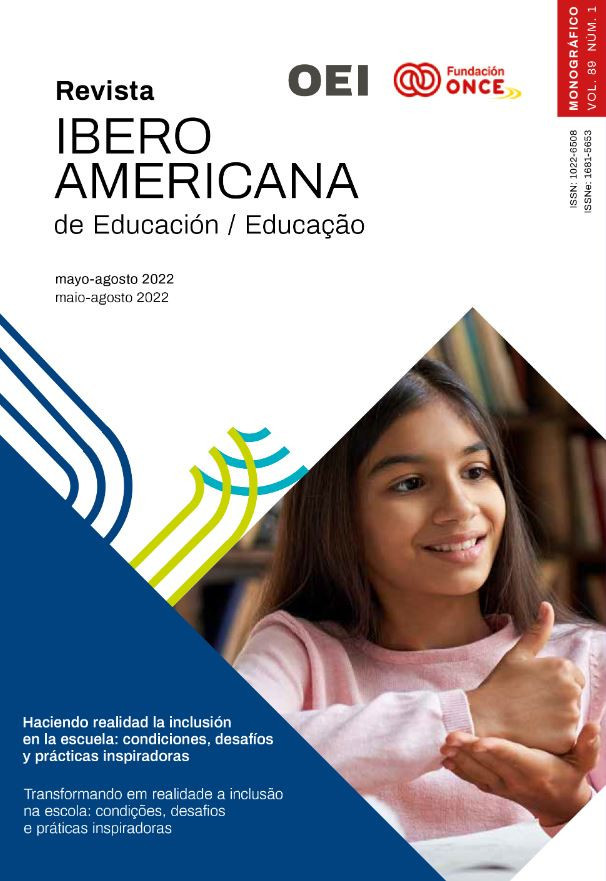 Educational Contexts, Feminism and Gender identities of Adolescents from a Rural Mayan Town in Yucatan (Iberoamerican Journal of Education; vol. 89, no. 1) سنة النشر: 2022 المؤلف: Silvia Montejo Murillo المؤلف المؤسسي: Organization of Ibero-American States for Education, Science and Culture (OEI) The purpose of this article is to compare and explore the gender identity of adolescent women from a rural Mayan locality, from two of their educational contexts: the telesecundaria school and daily life in the community. Interviews and participant observation were used to obtain qualitative primary data. Among the main findings, it stands out that the institutional structure and rigidity of the school limits adolescents from being able to act at certain times from social attributes different from those offered by their locality. Likewise, the school contributed to the individualization of the participants and trained them to have foreign values as a desirable representation of “development”, aspects that do not necessarily contribute to the idea of “community”. Contextos educativos, educación e identidades de género de adolescentes de una localidad rural maya en Yucatán (Revista Ibero-americana de Educação; vol. 89, núm. 1) سنة النشر: 2022 المؤلف: Silvia Montejo Murillo المؤلف المؤسسي: Organización de Estados Iberoamericanos para la Educación, la Ciencia y la Cultura (OEI) El propósito de este artículo es comparar y explorar la identidad de género de mujeres adolescentes de una localidad rural maya, desde dos de sus contextos educativos: la escuela telesecundaria y la vida cotidiana en la comunidad. Se utilizaron entrevistas y observación participante para obtener los datos primarios cualitativos. Entre los principales hallazgos se destaca, que la estructura y rigidez institucional de la escuela, limita a las adolescentes poder actuar en ciertos momentos desde atributos sociales distintos a los que les ofrece su localidad. Asimismo, la escuela contribuyó a la individualización de las participantes y las formó para tener como representación deseable del “desarrollo” los valores del exterior, aspectos que no contribuyen necesariamente a la idea de “comunidad”.
  Generation Equality Accountability Report 2022 سنة النشر: 2022 المؤلف المؤسسي: United Nations Entity for Gender Equality and the Empowerment of Women (UN Women) In the UN Decade for Action on Gender Equality, people around the world have pledged to move from rhetoric to action and to work together to drive lasting change, starting now. Through the 2021 Generation Equality Forum in Mexico and France, world leaders and partners committed to eliminating gender inequalities and to financing and implementing laws, policies, and programmes to meet priority actions and targets in a Global Acceleration Plan for Gender Equality. The aim is simple but profound: deliver irreversible, quantifiable results for women and girls in all their diversity.Together, commitment makers and signatories of a series of Action Coalitions, along with the Compact for Women, Peace and Security and Humanitarian Action have begun to build an ambitious global movement. It unites diverse partners committed to collective accountability for women and girls. This accountability is the driving force of this report, which takes stock of the bold commitments made at the Forum one year into implementation. Through a survey of commitment-makers, the report sheds light on the nature of the commitments and assesses measurable progress. It highlights trends and notes where more work is needed.Generation Equality was born from the idea that the world could make catalytic progress on gender equality if a wide range of stakeholders united around a transformative vision and worked together to achieve it. These preliminary findings demonstrate that, while more remains to be done, collective action is powerful in making commitments real in the lives of women and girls.
 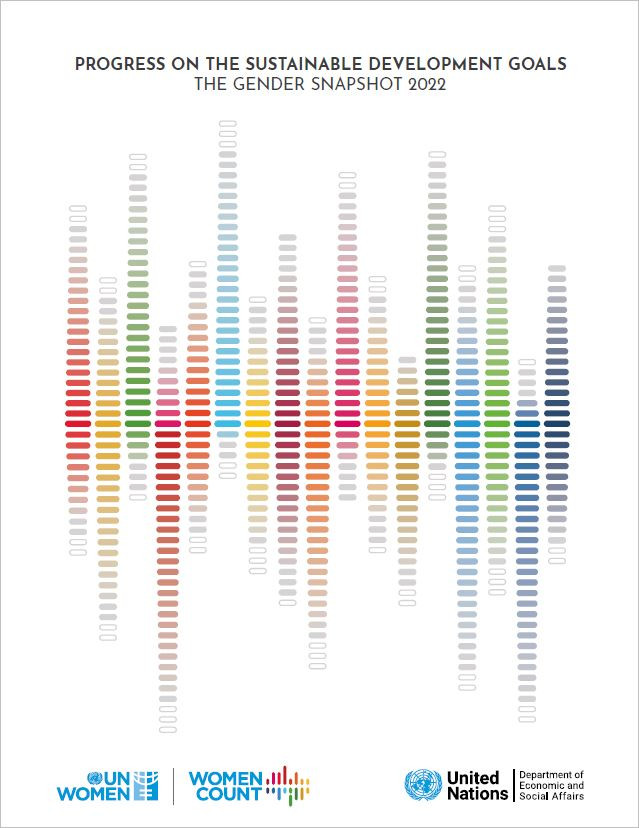 Progress on the Sustainable Development Goals: The Gender Snapshot 2022 سنة النشر: 2022 المؤلف: Ginette Azcona | Antra Bhatt | Julia Brauchle | Guillem Fortuny Fillo | Yongyi Min | Heather Page | Yuxi Zhang المؤلف المؤسسي: United Nations Entity for Gender Equality and the Empowerment of Women (UN Women) | UN. Department of Economic and Social Affairs (UN. DESA) The latest available Sustainable Development Goal (SDG) 5 data show that the world is not on track to achieve gender equality by 2030. COVID-19 and the backlash against women’s sexual and reproductive health and rights are further diminishing the outlook for gender equality. Violence against women remains high; global health, climate, and humanitarian crises have further increased risks of violence, especially for the most vulnerable women and girls; and women feel more unsafe than they did before the pandemic. Women’s representation in positions of power and decision-making remains below parity. Only 47 per cent of data required to track progress on SDG 5 are currently available, rendering women and girls effectively invisible.Nearly halfway to the 2030 endpoint for the SDGs, the time to act and invest in women and girls is now.“Progress on the Sustainable Development Goals: The gender snapshot 2022” presents the latest evidence on gender equality across all 17 Goals, calling out the long road ahead to achieve gender equality. It emphasizes the interlinkages among the goals, the pivotal force gender equality plays in driving progress across the SDGs, and women and girls’ central role in leading the way forward.
  Advocacy for Impact: Gender and Education سنة النشر: 2022 المؤلف: Justine Brice | Elodie Gnonlonfoun | Marina Gutiérrez García de Viedma | Chattalie Jayatilaka المؤلف المؤسسي: United Nations Girls' Education Initiative (UNGEI) There has been an urgent need to include a gender-inclusive, anti-racist and decolonial lens in advocacy strategies in recent years. In the rare circumstances these lenses were applied, they were not effectively utilised when designing and implementing an advocacy campaign regarding education. Often, an intersectional approach was not used to consider context-specific power dynamics impacting girls’ ability to access education. The first objective of this report is to understand the “best practices to design and implement advocacy strategies that are gender-inclusive and anti-racist in the development sector, with a focus on gender and education”. The second objective was to examine the evidence regarding the effectiveness and impact of different advocacy strategies. Thirdly, the study aimed to understand the “best tools and approaches to measure advocacy impact." This research was conducted by an LSE student research team exploring gender-inclusive and anti-racist advocacy strategies.