
الموارد
استكشف مجموعة واسعة من الموارد القيمة حول تعليم المواطنة العالمية لتعميق فهمك وتعزيز البحث والمناصرة والتعليم والتعلم.
تم العثور على 2,668 نتيجة
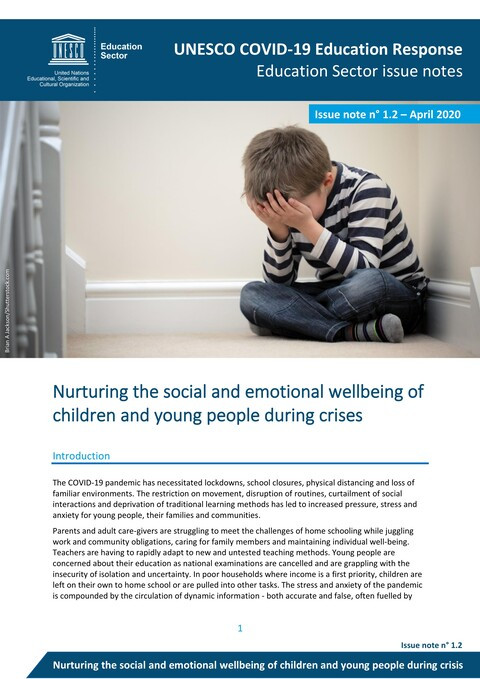 Promoción del bienestar socioemocional de los niños y los jóvenes durante las crisis (Respuesta del ámbito educativo de la UNESCO al COVID-19 Notas temáticas del Sector de Educación; No.1.2, 2020) سنة النشر: 2020 المؤلف المؤسسي: Organización de las Naciones Unidas para la Educación, la Ciencia y la Cultura (UNESCO) La pandemia del COVID-19 ha requerido cuarentenas, cierre de escuelas, distanciamiento físico y pérdida de entornos familiares. La restricción de movimiento, la interrupción de las rutinas, la reducción de las interacciones sociales y la privación de los métodos de aprendizaje tradicionales han dado como resultado una mayor presión, estrés y ansiedad en las personas jóvenes, sus familias y sus comunidades. Actualmente las madres, los padres y los cuidadores se esfuerzan por cumplir los desafíos del aprendizaje en el hogar y a la vez tener que hacer malabares con el trabajo y sus obligaciones comunitarias, el cuidado de sus familiares y su propio bienestar individual. Las y los docentes han tenido que adaptarse rápidamente a métodos de enseñanza nuevos y que todavía no han sido probados. La gente joven está preocupada por su propia educación al ver cancelarse los exámenes nacionales y luchan contra la inseguridad producida por el aislamiento y la incertidumbre. En los hogares más pobres, donde los ingresos son la primera prioridad, se deja a los niños y las niñas a cargo de su propio aprendizaje o se les asignan otras tareas. El estrés y la ansiedad de la pandemia se ven agravados por la circulación de información dinámica, tanto verdadera como falsa, que por lo general es fomentada por el trabajo de la prensa sensacionalista. Esto no solo aumenta la inseguridad, sino que también actúa como un campo fértil para la propagación de la intolerancia, el racismo, la xenofobia y los crímenes de odio. Para abordar y contrarrestar la ansiedad social, la convulsión emocional y la atemorizante inseguridad que ha desatado el COVID-19, es urgente que las familias y las comunidades desarrollen habilidades vitales de adaptación y resiliencia emocional. Las habilidades sociomocionales son prácticas bien establecidas y con base empírica que se pueden adaptar con el fin de entregar a niños, niñas, jóvenes, padres, madres y docentes las herramientas, habilidades, actitudes y conductas necesarias para mantenerse sanos y positivos, explorar en sus emociones, practicar un compromiso consciente, exhibir una conducta prosocial y lidiar con los desafíos diarios. Favoriser le bien-être social et émotionnel des enfants et des jeunes en période de crise(Réponse éducative de l’UNESCO face au Covid-19: Notes du Secteur de l’éducation; No.1.2, 2020) سنة النشر: 2020 المؤلف المؤسسي: Organisation des Nations Unies pour l'éducation, la science et la culture (UNESCO) La pandémie de COVID-19 a nécessité le confinement, la fermeture des écoles, la distanciation physique et la perte d’environnements familiers. Les restrictions de déplacement, le bouleversement des routines, la diminution des interactions sociales et la privation des méthodes d’apprentissage traditionnelles ont eu pour effet d’augmenter la pression, le stress et l’anxiété chez les jeunes, leurs familles et leurs communautés Les parents et les adultes aidants déploient des efforts considérables pour gérer l’école à la maison, tout en jonglant avec leurs obligations professionnelles et communautaires, s’occupant des membres de la famille et préservant le bien-être de chacun. Les enseignants doivent s’adapter rapidement à de nouvelles méthodes d’enseignement non éprouvées. Les jeunes s’inquiètent pour leurs études à cause de l’annulation des examens et sont aux prises avec un sentiment d’insécurité dû à l’isolement et à l’incertitude. Dans les foyers pauvres, où le revenu est la priorité absolue, les enfants sont livrés à euxmêmes pour leur travail scolaire ou en sont détournés pour effectuer d’autres tâches. Le stress et ’anxiété suscités par la pandémie sont aggravés par la circulation d’informations, exactes ou fausses, souvent exacerbées par les articles à sensation des médias. Non seulement le sentiment d’insécurité en est accru, mais cela crée un terrain propice à la propagation de l’intolérance, du racisme, de la xénophobie et des crimes de haine. Pour combattre et contrer l’anxiété sociale, les troubles émotionnels ainsi que le sentiment d’insécurité et de peur générés par le COVID-19, il est urgent et nécessaire que les familles et les communautés acquièrent des capacités d’adaptation et une résilience émotionnelle vitales. Les compétences sociales et émotionnelles sont des pratiques bien établies, fondées sur des données, qui peuvent être adaptées pour équiper les enfants, les jeunes, les parents et les enseignants des connaissances, compétences, attitudes et comportements nécessaires pour rester en bonne santé et positifs, gérer ses émotions, s’engager en toute conscience, adopter un comportement social positif et faire face aux difficultés quotidiennes. 培育儿童和青少年在危机期间的社会情感健康 (联合国教科文组织针对新冠疫情的教育对策教育部门议题说明; No.1.2, 2020) سنة النشر: 2020 المؤلف المؤسسي: 联合国教科文组织 (UNESCO) 新型冠状病毒大流行迫使人们采取隔离措施,保持社交距离并关闭学校,导致人们失去熟悉的环境,行动受限,日常生活被打乱,社交活动减少,传统的学习方式遭遇终结,因此带给年轻人及其家庭和社区成员前所未有的压力和焦虑感。 父母和成人照顾者不仅要兼顾工作和社区义务、照顾家庭成员并保持个人健康,同时,还要努力应对孩子在家上学所带来的挑战。教师需要快速适应未经测试的新教学方法。全国考试取消令年轻人对自身的教育前景备感担忧,社交距离和不确定性带给他们不安全感。对一些贫困家庭而言,维持收入是第一要务,因此他们不得不将孩子独自留在家中学习,或者吩咐他们去做其它工作。实时更新的疫情信息,加剧了人们的压力和焦虑感。这些消息真假参半,时不时蹦出一些耸人听闻的新闻报导,不仅增加人们的不安全感,也为狭隘心理、种族主义、排外情绪以及仇视性犯罪行为提供了生长的土壤。 为了应对新型冠状病毒引起的社交焦虑、情绪波动和令人恐惧的不安全感,家庭和社区迫切需要培养必要的应对技能和情绪复原能力。经实践证明,社会情感技能可以赋予儿童、青年、父母和教师必要的知识、技能、态度和行为,有助于其保持健康和积极的状态,有效管理情绪,采取正念的做法,展现亲社会行为并应对日常挑战。
 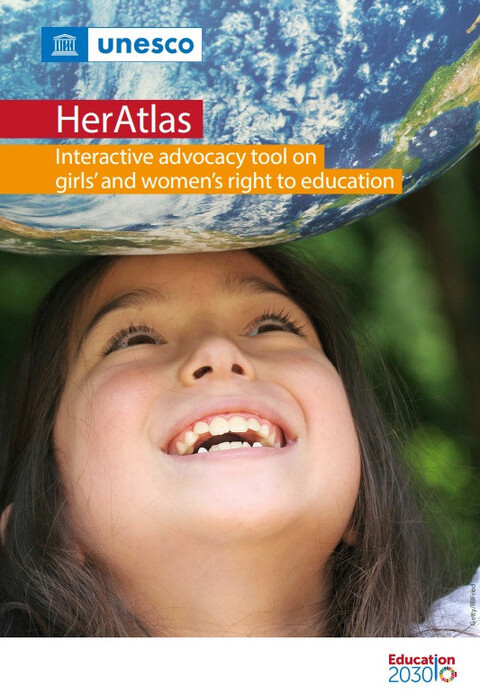 Son Atlas: Outil de plaidoyer interactif sur le droit à l’éducation des filles et des femmes سنة النشر: 2023 المؤلف المؤسسي: Organisation des Nations Unies pour l'éducation, la science et la culture (UNESCO) De nombreuses filles et femmes ne peuvent pas exercer leur droit à l'éducation en raison des inégalités entre les genres et des pratiques discriminatoires. La pauvreté, les mariages précoces et les violences basées sur le genre ne sont que quelques-unes des nombreuses raisons qui expliquent le pourcentage élevé d'analphabétisme et de décrochage scolaire chez les filles et les femmes dans le monde. Le renforcement du droit des filles et des femmes pour une éducation de qualité est essentiel pour éliminer la discrimination et parvenir à l'égalité des droits entre les genres. Ceci ne peut être réalisé sans des cadres juridiques nationaux solides, basés sur les droits, sensibles au genre et inclusifs. C'est là qu'intervient SonAtlas. SonAtlas est un outil en ligne, le premier du genre, qui cartographie le droit à l'éducation des filles et des femmes. Il vise à améliorer les connaissances du public et à surveiller le statut des constitutions, législations et réglementations nationales relatives aux droits à l'éducation des filles et des femmes, afin d'encourager les pays à agir, à renforcer leurs lois et leurs politiques et à entraîner un changement à long terme. Des changements concrets sont déjà visibles. En 2019, 4 % des pays restreignaient explicitement le droit à l'éducation des filles mariées, enceintes et jeunes mères. Ce chiffre a chuté à 2 % en 2022, au profit de millions de filles qui peuvent désormais aller à l'école en toute légalité lorsqu'elles se marient ou sont enceintes ou jeunes mères.
 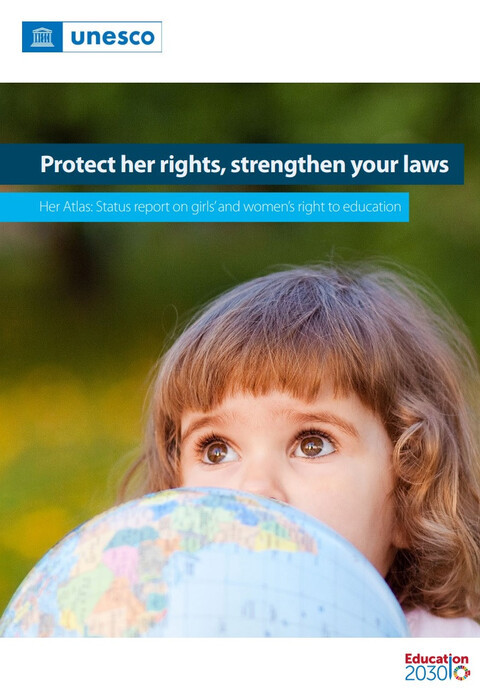 Protect Her Rights, Strengthen Your Laws: Her Atlas; Status Report on Girls’ and Women’s Right to Education سنة النشر: 2022 المؤلف المؤسسي: UNESCO UNESCO’s Her Education, our future initiative, Her Atlas was launched in 2019 with the aim to enhance public knowledge and monitor the status of national constitutions, legislation and regulations related to girls’ and women’s education rights in order to encourage countries to take actions to improve their legal frameworks. Three years after its launch, the research phase has been completed: overall, the legal frameworks of 196 countries have been thoroughly analyzed to evaluate the level of protection of girls’ and women’s right to education around the world. In an interactive world map format, Her Atlas uses a color-coded scoring system to monitor 12 indicators of legal progress towards gender equality in the right to education. This report marks the completion of the first research phase and intends to highlight some key trends outlined by the research work, and to emphasize examples of legal provisions regarding some aspects of girls’ and women’s right to education guaranteed by States’ domestic laws.
 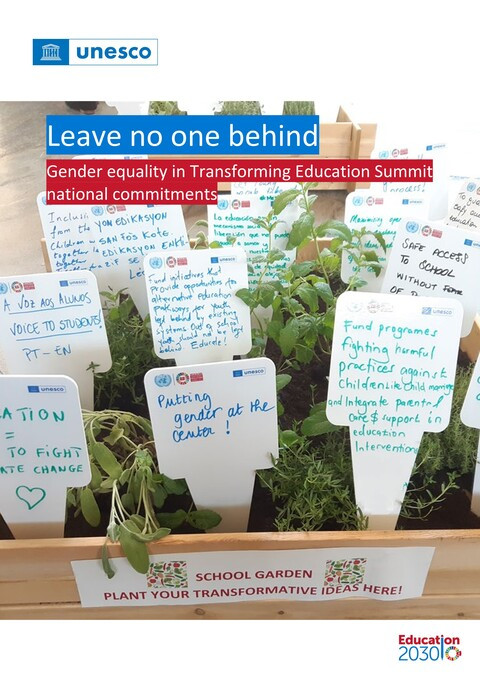 Leave No One Behind: Gender Equality in Transforming Education Summit National Commitments سنة النشر: 2023 المؤلف المؤسسي: UNESCO The Transforming Education Summit was convened in response to a global crisis in education – one of equity and inclusion, quality and relevance. This paper applies a gender lens to the national statements of commitments made by countries during the Summit. It considers the scope of commitments to gender equality and gender- transformative education, common gender themes and considerations emerging across commitments, and notable gaps. It aims to inform future actions by the Global Platform to Drive Leadership and Accountability for Gender Equality and Girls’ and Women’s Empowerment in and through Education, and support to country action to transform education systems to advance gender equality.
 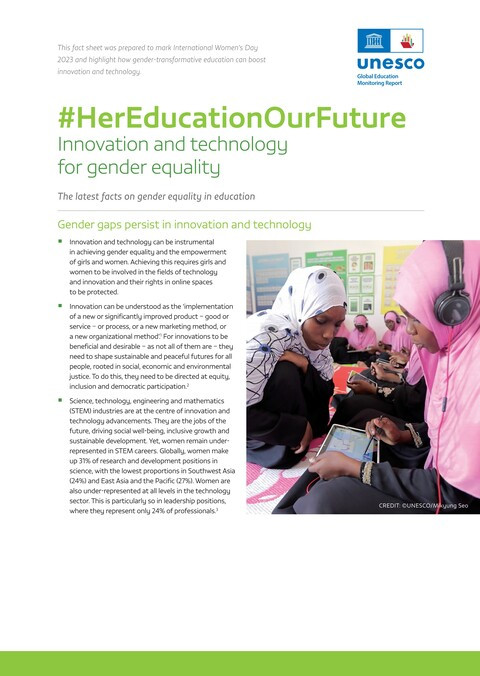 #HerEducationOurFuture: Innovation and Technology for Gender Equality; the Latest Facts on Gender Equality in Education سنة النشر: 2023 المؤلف المؤسسي: UNESCO | Global Education Monitoring Report Team Gender gaps persist in innovation and technology Innovation and technology can be instrumental in achieving gender equality and the empowerment of girls and women. Achieving this requires girls and women to be involved in the fields of technology and innovation and their rights in online spaces to be protected. #SuEducaciónNuestroFuturo: Innovación y tecnología para la igualdad de género: últimos datos sobre la igualdad de género en la educación سنة النشر: 2023 المؤلف المؤسسي: Organización de las Naciones Unidas para la Educación, la Ciencia y la Cultura (UNESCO) | Global Education Monitoring Report Team La brecha de género persiste en la innovación y la tecnología La innovación y la tecnología pueden ser decisivas a la hora de lograr la igualdad de género y empoderar a las niñas y las mujeres. Para lograrlo, es necesario que las niñas y las mujeres participen en los ámbitos de la tecnología y la innovación y que se protejan sus derechos en los espacios en línea. #SonÉducationNotreAvenir: l’innovation et la technologie au service de l’égalité des genres: derniers développements sur l’égalité des genres dans l’éducation سنة النشر: 2023 المؤلف المؤسسي: Organisation des Nations Unies pour l'éducation, la science et la culture (UNESCO) | Global Education Monitoring Report Team Les inégalités entre les genres persistent dans les domaines de l’innovation et de la technologie L’innovation et la technologie peuvent jouer un rôle essentiel en faveur de l’égalité des genres et de l’autonomisation des filles et des femmes. Pour que ces objectifs soient atteints, il faut que les filles et les femmes participent dans les domaines de la technologie et de l’innovation, mais aussi que leurs droits dans les espaces en ligne soient protégés.
 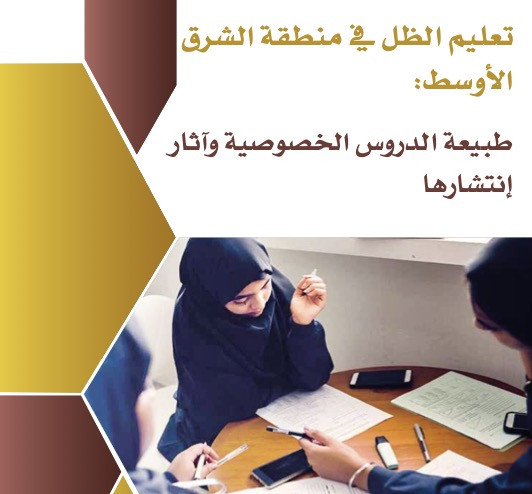 تعليم الظل في منطقة الشرق الأوسط: طبيعة الدروس الخصوصية وآثار إنتشارها سنة النشر: 2023 المؤلف: Mark Bray | Anas Hajar المؤلف المؤسسي: منظمة الأمم المتحدة للتربية والعلم والثقافة (UNESCO) يتلقى عدد متزايد من لطلبة فيجميع أنحاء العالم دروًسا خصوصية لاستكمال تعليمهما لمدرسي.وفيكثيرمنا لمؤلفات الأكاديمية، يسمى ذلك بتعليم الظل؛ لأن محتوى الدروس الخصوصية يحاكي بشكل كبير محتوى التعليم المدرسي، حيث يتغير محتواه بتغير المنهاج في المدارس. قد تأخذ الدروس الخصوصية أنماط عديدة، فمن الممكن تقديمها بشكل فردي، أو في مجموعات صغيرة، أو في صفوف كبيرة، أو عبر الإنترنت. و يتم توفير بعض الدروس الخصوصية من قبل معلمي الوزارة من أجلا لحصولعل ىدخل إضافي، كما تقوم- أيًضا- بعض المؤسسات التجارية بتوفيرتلك الدروس.أما الفئة الثالثة من مقدمي الدروس الخصوصية فتشمل طلاب الجامعات والمتقاعدين و العمال الموسميين.ففي حين أن الكثير من الأبحاث والسياسات قد ركزت على نظام تعليم الظل في شرق آسيا وبعض مناطق العالم الأخرى، كان الاهتمام أقلب الموضوع في منطقة الشرق الأوسط. ولكن الموضوع يستحق تركيًزا أكبر بسبب آثاره بعيدة المدى على الهيكليات الاجتماعية وأنظمة التعليم السائدة. تبدأ هذه الدراسة بالصورة العالمية قبل مقارنة الأنماط ضمن وبين 12 دولة ناطقة باللغة العربية في الشرق الأوسط.