
الموارد
استكشف مجموعة واسعة من الموارد القيمة حول تعليم المواطنة العالمية لتعميق فهمك وتعزيز البحث والمناصرة والتعليم والتعلم.
تم العثور على 517 نتيجة
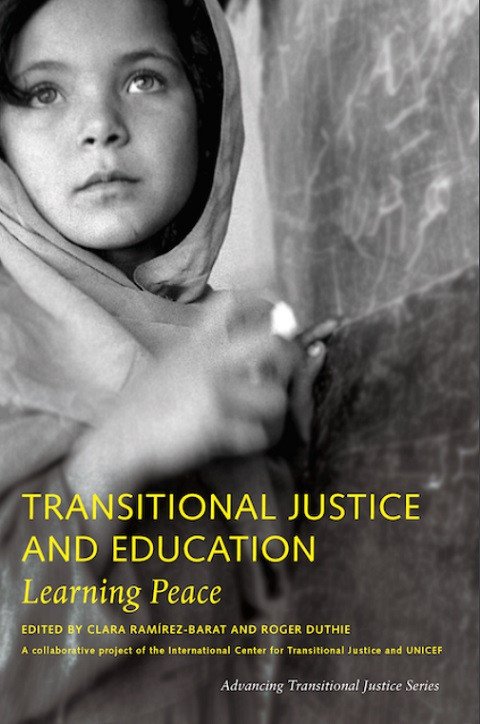 Transitional Justice and Education: Learning Peace (Advancing Transitional Justice Series) سنة النشر: 2017 المؤلف: Clara Ramírez-Barat | Roger Duthie المؤلف المؤسسي: Social Science Research Council (SSRC) | United Nations Children's Fund (UNICEF) After periods of conflict and authoritarianism, education institutions often need to be reformed or rebuilt. But in settings where education has been used to support repressive policies and human rights violations, or where conflict and abuses have resulted in lost educational opportunities, legacies of injustice may pose significant challenges to effective reform. Peacebuilding and development perspectives, which normally drive the reconstruction agenda, pay little attention to the violent past. Transitional Justice and Education: Learning Peace presents the findings of a collaborative research project of the International Center for Transitional Justice and UNICEF on the relationship between transitional justice and education in peacebuilding contexts. The book examines how transitional justice can shape the reform of education systems by ensuring programs are sensitive to the legacies of the past, how it can facilitate the reintegration of children and youth into society, and how education can engage younger generations in the work of transitional justice.
 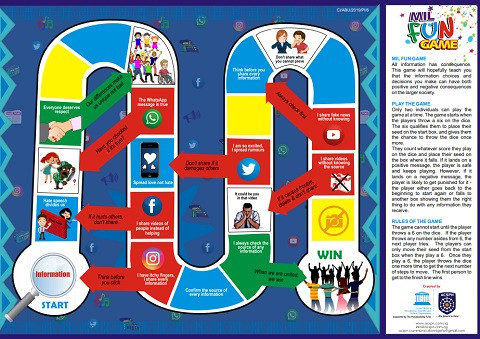 Media and Information Literacy: Fun Game سنة النشر: 2019 المؤلف المؤسسي: UNESCO Dakar | Association of Communication Scholars & Professionals of Nigeria (ACSPN) This game will teach you that the information choices and decisions you make can have both positive and negative consequences on the larger society.
 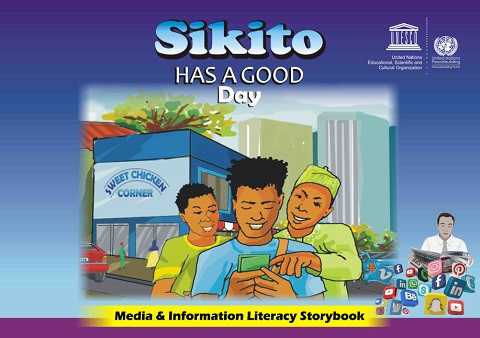 Sikito Has a Good Day: Media & Information Literacy Storybook سنة النشر: 2019 المؤلف المؤسسي: UNESCO Dakar | Association of Communication Scholars & Professionals of Nigeria (ACSPN) Today's world is shaped by the quality of information produced, accessed and consumed at individual and social levels. This determines the quality of our decisions and actions. Increasingly, current digital realities and their social media manifestations, have enabled more opportunities for expression. Increased access to the internet is promoting freedom, with consequences for peace and conflict. Students will learn responsible online communication and media information &l literacy from the story.
 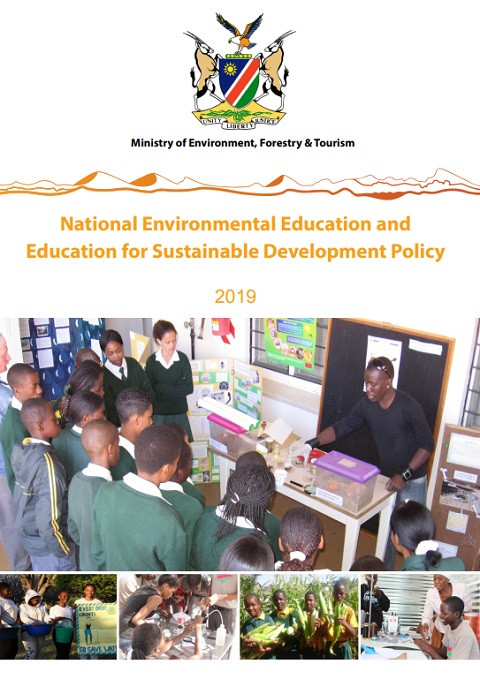 National Environmental Education and Education for Sustainable Development Policy سنة النشر: 2019 المؤلف المؤسسي: Namibia. Ministry of Environment, Forestry and Tourism Namibia has become the first country in the SADC region to have a stand-alone National Environmental Education (EE) and Education for Sustainable Development (ESD) Policy. The development of the policy was a long time collaboration between government ministries and civil society. UNESCO through the Sustainability Starts with Teachers programme also supported the process.The vision of the national EE/ESD Policy is an “educated and empowered Namibia with environmentally literate people taking responsibility and action for a sustainable future”.The policy is designed to support EE and ESD in formal, non-formal and informal education processes across all sectors of the Namibian society including higher education, teacher education, technical and vocational education institutions, and general education. It gives Namibia the much-needed foundation to work towards ESD for 2030 and the sustainable development goals (SDGs).
 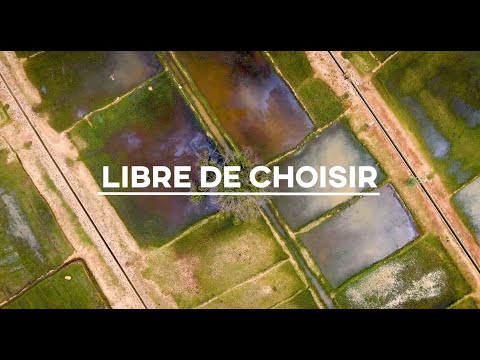 Libre de Choisir: L'après Iles de Paix; Reportage sur l'autonomie dans les pays du Sud سنة النشر: 2018 المؤلف المؤسسي: Îles de Paix Au Bénin et au Burkina Faso, Iles de Paix a soutenu pendant plusieurs années des familles rurales dans la réalisation de leurs projets afin d’améliorer leurs conditions de vie. Pas d’assistanat, mais plutôt un engagement au côté d’hommes et de femmes décidés à prendre leur futur en mains et à être porteurs de leur propre développement. Aujourd’hui, quelques 5 années se sont écoulées depuis qu’a pris fin l’accompagnement d’Iles de Paix, et le reportage « Libre de choisir » donne la parole à ces hommes et ces femmes engagés. Quel regard portent-ils sur l’autonomie qu’ils ont acquise ? Quels sont les leviers qui les ont aidé ? Qu’est-ce qui leur a permis de développer leurs capacités à mener les projets qui leur tiennent à cœur ?
 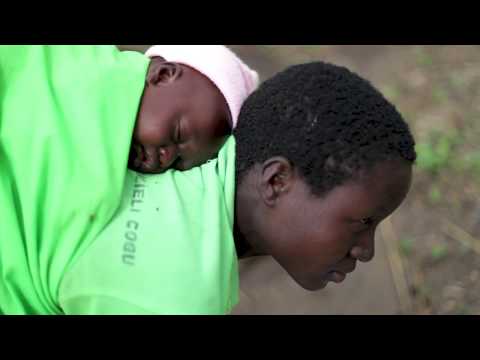 Yiéga (version courte, écoles primaires) سنة النشر: 2017 المؤلف المؤسسي: Îles de Paix Ana habite dans le village de Yiéga, au Burkina Faso. Elle vit avec sa maman Sibidi, son papa Arzoumbouga et ses 7 frères et sœurs. Ses voisins et ses parents sont agriculteurs et, dans ses temps libres, Ana les aide avec ses frères et sœurs. Au Burkina Faso, les agriculteurs rencontrent beaucoup de difficultés et doivent s'adapter au réchauffement de la planète, à la sécheresse et aux crises alimentaires. Ils apprennent de nouvelles manières de cultiver, agroécologiques, et varient leurs productions. Grâce à diverses pistes de solutions, et avec l’accompagnement d’Iles de Paix, ils deviennent capables de rebondir en cas de coup dur… on parle de résilience.
 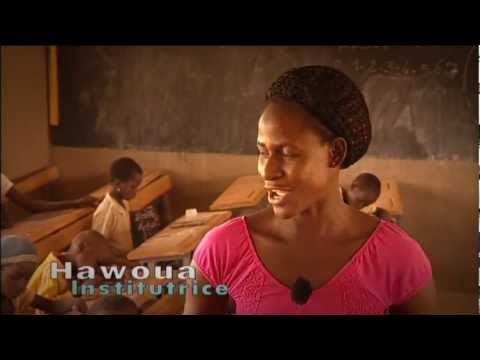 Migrations et développement سنة النشر: 2012 المؤلف المؤسسي: Îles de Paix Tous les enfants ne vont pas à l'école au Burkina Faso. Mais il existe des solutions qui permettent d'améliorer la situation : construction d'écoles, de logements de maître, théâtre forum dans les villages ou encore la construction de barrages et l'installation de forages.
 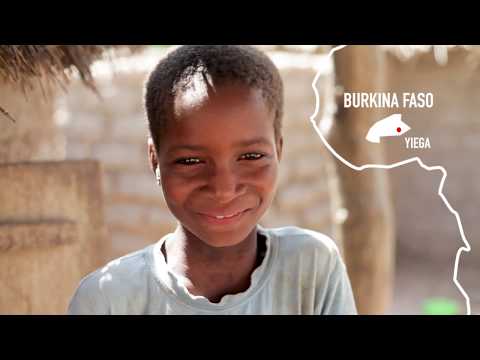 Yiéga (version longue, écoles secondaires) سنة النشر: 2017 المؤلف المؤسسي: Îles de Paix Ana habite dans le village de Yiéga, au Burkina Faso. Elle vit avec sa maman Sibidi, son papa Arzoumbouga et ses 7 frères et sœurs. Ses voisins et ses parents sont agriculteurs et, dans ses temps libres, Ana les aide avec ses frères et sœurs.Au Burkina Faso, les agriculteurs rencontrent beaucoup de difficultés et doivent s'adapter au réchauffement de la planète, à la sécheresse et aux crises alimentaires. Ils apprennent de nouvelles manières de cultiver, agroécologiques, et varient leurs productions. Grâce à diverses pistes de solutions, et avec l’accompagnement d’Iles de Paix, ils deviennent capables de rebondir en cas de coup dur… on parle de résilience.
 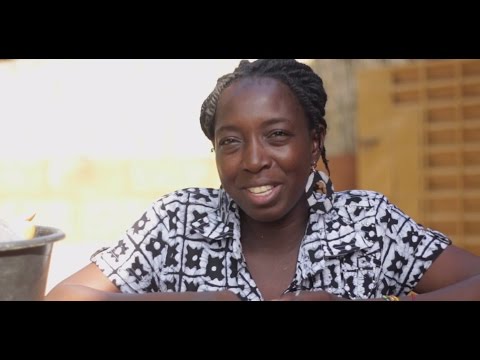 L'émancipation des femmes سنة النشر: 2015 المؤلف المؤسسي: Îles de Paix Iles de Paix mène au Bénin un programme dédié aux femmes. Il concerne le développement de leurs activités rémunératrices, mais aussi des formations en gestion, au crédit, à l’épargne et des sensibilisations pour une amélioration de leur position dans la société. Ce programme ambitieux, qui concernera directement, sur trois ans, plus de 600 femmes, engendre de profonds bouleversements et, pour bien de ses bénéficiaires, des changements majeurs dans leur vie quotidienne. En témoigne cette femme, qui y a participé. « Au début, quand je voulais suivre une formation pour mener une activité, mon mari me battait pour m’en empêcher. Il me disait que ma place était à la maison.Mais aujourd’hui, il constate que, grâce à cette formation et aux choses que j’ai apprises, je gagne beaucoup mieux ma vie. Alors, il m’encourage à continuer et… il me supplie de lui donner de l’argent ! »Il reste à souhaiter que tous ses gains ne finissent pas dans l’escarcelle de son mari et qu’ils servent avant tout à répondre à ses besoins personnels et à ceux de ses enfants.
 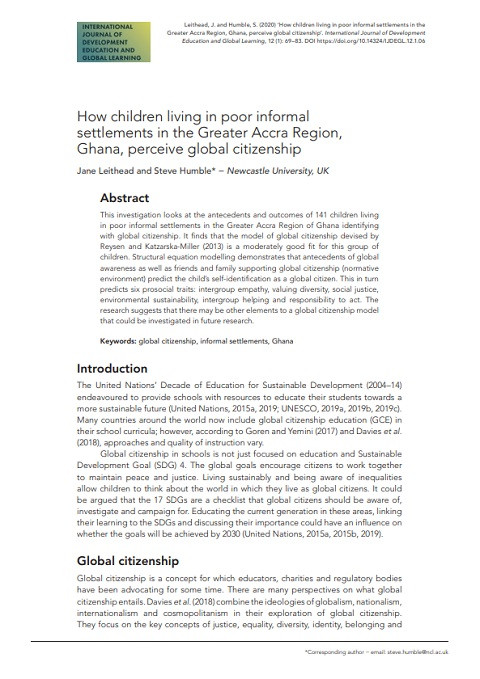 How Children Living in Poor Informal Settlements in the Greater Accra Region, Ghana, Perceive Global Citizenship (International Journal of Development Education and Global Learning; Vol. 12, No. 1) سنة النشر: 2020 المؤلف: Jane Leithead | Steve Humble المؤلف المؤسسي: UCL Press This investigation looks at the antecedents and outcomes of 141 children living in poor informal settlements in the Greater Accra Region of Ghana identifying with global citizenship. It finds that the model of global citizenship devised by Reysen and Katzarska-Miller (2013) is a moderately good fit for this group of children. Structural equation modelling demonstrates that antecedents of global awareness as well as friends and family supporting global citizenship (normative environment) predict the child’s self-identification as a global citizen. This in turn predicts six prosocial traits: intergroup empathy, valuing diversity, social justice, environmental sustainability, intergroup helping and responsibility to act. The research suggests that there may be other elements to a global citizenship model that could be investigated in future research.