
الموارد
استكشف مجموعة واسعة من الموارد القيمة حول تعليم المواطنة العالمية لتعميق فهمك وتعزيز البحث والمناصرة والتعليم والتعلم.
تم العثور على 950 نتيجة
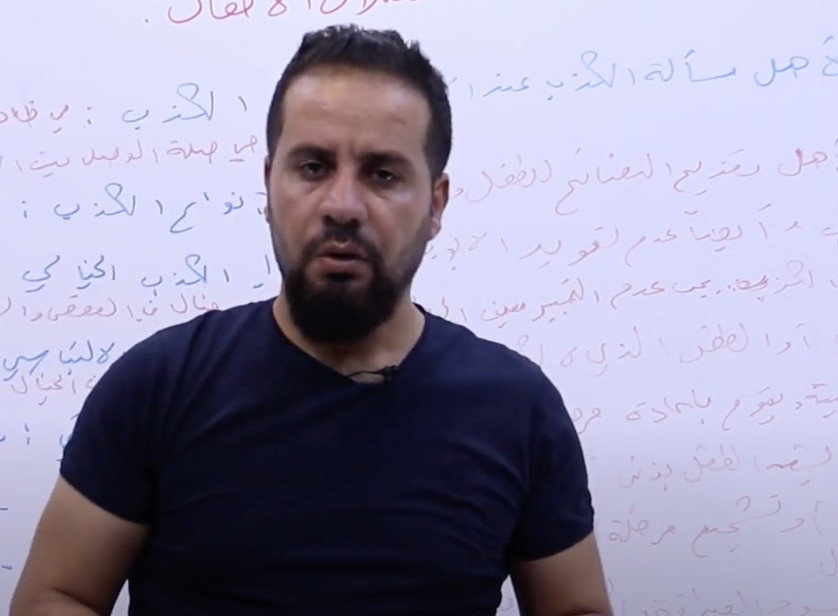 Children's problems سنة النشر: 2021 المؤلف: Shaheen Ibrahim In this video, the teacher reviews a lesson entitled "Children's problems". This lesson is for grade 12 in North and East Syria. The video is produced by an educational channel affiliated with the Education Authority in North and East Syria
  كـراسي اليونسكو في المغرب العربي سنة النشر: 2023 المؤلف المؤسسي: UNESCO Rabat في كانون ألاول/ديسمبر 2022، احتفل برنامج توأمة الجامعات/كرايس اليونسكو بالذكرى السنوية الثلاثين لتأسيسه. ولعل استمرار وتطورهذا البرنامج طيلة هذه المدة يؤشران على طابعه الاستراتيجي بالنسبة لليونسكو وللدول ا ألاعضاء على السواء. ويروم هذا البرنامج تعبئة الجامعات ومن خلالها جميع الجهات الفاعلة في مجال التنمية لدعم السياسات العمومي في مختلف مراحلها (من البلورة والتنفيذ إل التقييم) وعلى مختلف مستويات الحكامة (الدولية والوطنية والترابية) لتحقيق أهداف التنمية المستدامة. ويسعى البرنامج إلى جعل الجامعات الوطنية مراكز امتياز موضوعاتية قادرة على المساهمة في تحسين أداء العمل العمومي وتعزيز بعدهالاستشرفي، باعتبارها فضاء متكاملا للتكوين والبحث والتوعية.كما يستمد البرنامج أهميته من خصوصيات مقاربته المنهجية. حيث يستند، من ناحية، إلى تعزيزالتشبيك وتعدد التخصصات، ومن ناحية أخرى،إلى الاخذ بعين الاعتبار بطريقة جوهرية ومنهجية الهدف الاستراتيجي المتمثل في بناء القدرات الوطنية. ويهدف اليونسكو لمنطقة الغرب العربي إلى المواكبة الدولاألاعضاء التي يغطيها، في عملية تطوير هذا البرنامج والاستفادة من إمكاناته المختلفة، بالتعاون مع الدوائر الوطنية للتربية والعلومي والثقافة. ويعدإصدارهذه الطبعة ألاولى من كتيب كرايس اليونسكو الجامعية في المغرب العربي مبادرة فيبيأولى هذا الاتجاه. Chaires UNESCO au Maghreb سنة النشر: 2023 المؤلف المؤسسي: UNESCO Rabat En décembre 2022, le programme UNITWIN/Chaires UNESCO a fêté son trentième anniversaire. Sa longévité et sa dynamique de développement illustrent son caractère stratégique pour l’UNESCO et pour les Etats membres. Ce programme vise à mobiliser les universités et, à travers elles, l’ensemble des acteurs de développement, pour accompagner les politiques publiques pour atteindre les objectifs de développement durable (ODD). Le programme consiste à faire des universités nationales des centres d’excellence thématiques qui sont, en tant qu’espaces intégrés de formation, de recherche et de sensibilisation, en capacité de contribuer à améliorer la performance de l’action publique et à renforcer sa dimension prospective. Ce programme puise sa pertinence dans les spécificités de sa démarche. Cette dernière repose, d’une part, sur la promotion du réseautage et de la pluridisciplinarité et, d’autre part, sur la prise en compte de manière intrinsèque et systématique de l’objectif stratégique de renforcement de capacités nationales. Le Bureau de l’UNESCO pour le Maghreb ambitionne d’accompagner les Etats membres qu’il couvre à développer ce programme et à mettre à profit ses différentes potentialités, en collaboration avec les services concernés au Siège de l’UNESCO à Paris et les Commissions nationales pour l’éducation, les sciences et la culture. La production de cette première édition de la brochure des Chaires UNESCO au Maghreb constitue une première initiative dans ce sens.
 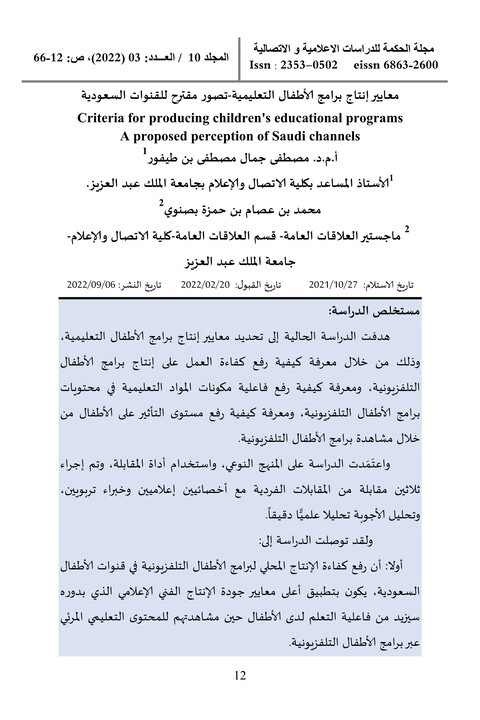 معايير إنتاج برامج الأطفال التعليمية: تصور مقترح للقنوات السعودية (مجلة الحكمة للدراسات الإعلامية والاتصالية؛ Vol.10, No.3) سنة النشر: 2022 المؤلف: Basnawi Muhammad مستخلص الدراسة هدفت الدراسة الحالية إلى تحديد معايير إنتاج برامج الأطفال التعليمية، وذلك من خلال معرفة كيفية رفع كفاءة العمل على إنتاج برامج الأطفال التلفزيونية، ومعرفة كيفية رفع فاعلية مكونات المواد التعليمية في محتويات برامج الأطفال التلفزيونية، ومعرفة كيفية رفع مستوى التأثير على الأطفال من خلال مشاهدة برامج الأطفال التلفزيونية. واعتَمَدت الدراسة على المنهج النوعي، واستخدام أداة المقابلة، وتم إجراء ثلاثين مقابلة من المقابلات الفردية مع أخصائيين إعلاميين وخبراء تربويين، وتحليل الأجوبة تحليلا علميًّا دقيقاً. ولقد توصلت الدراسة إلى: أولا: أن رفع كفاءة الإنتاج المحلي لبرامج الأطفال التلفزيونية في قنوات الأطفال السعودية، يكون بتطبيق أعلى معايير جودة الإنتاج الفني الإعلامي الذي بدوره سيزيد من فاعلية التعلم لدى الأطفال حين مشاهدتهم للمحتوى التعليمي المرئي عبر برامج الأطفال التلفزيونية. ثانياً: أنَّ الموضوعات ذات الأولوية الواجب توفرها في محتوى برامج الأطفال التعليمية هي: (التربية العقلية، التربية الأخلاقية، التنشئة الاجتماعية). ثالثاً: أنَّ استخدام الوسائل التربوية الحديثة في صناعة محتوى برامج الأطفال التعليمية وهي: (النمذجة، والقصة الدرامية، والمسابقات، والتكرار) ستزيد من فاعلية تأثيرها على محتويات برامج الأطفال في القنوات السعودية. وبناء على ما توصلت إليه الدراسة من نتائج فقد أوصى الباحث بتطبيق نموذج معايير إنتاج برامج الأطفال التعليمية المقترح عند صناعة برامج الأطفال التلفزيونية في القنوات السعودية. Criteria for Producing Children's Educational Programs A Proposed Perception of Saudi Channels (Al-Hikma Journal for Media and Communication Studies; Vol.10, No.3) سنة النشر: 2022 المؤلف: Basnawi Muhammad This study aimed to define the production criteria of children's educational programs, by knowing how to raise the work efficiency for the production of children's television programs, knowing how to raise the effectiveness of the components of educational materials in the contents of children's television programs, and knowing how to raise the influential levels on children by watching children's programs television. This study relied on the qualitative approach. By using the interview tool, thirty sessions of individual interviews were conducted with media specialists and educational experts; then the transcripts were scientifically analyzed. This study relied on the qualitative approach. By using the interview tool, thirty sessions of individual interviews were conducted with media specialists and educational experts; then the transcripts were scientifically analyzed. This study found: First: To increase the efficiency of local production of children’s television programs in Saudi children’s channels is by applying the highest quality standards of media artistic production, which, in turn, will increase the learning effectiveness of children when they watch visual educational content through children’s television programs. Secondly: The priority topics, which should be provided in the content of children’s educational programs, is: (Mental education, moral education,socialization). Third: The use of modern educational means in the content industry for children’s educational programs, which comprises (modeling, dramatic story, competitions, repetition) will increase the effectiveness of their impact on the contents of children's programs in Saudi channels. Based on the findings of this study, the researcher proposed an application model of the production criteria for children's educational programs when producing children's television programs on Saudi channels.
  أدوات التقييم الخاصة بتطبيق أداة تعليم المهارات الحياتية والمواطنة: قياس المهارات الحياتية بناءً على إطار العمل الإقليمي لتعليم المهارات الحياتية والمواطنة في منطقة الشرق الأوسط وشمال أفريقيا; امللخص التنفيذي سنة النشر: 2021 المؤلف المؤسسي: UNICEF Middle East and North Africa "إن تعليم المهارات الحياتية مُهم للغاية لتمكين الأطفال والشباب من تحقيق النجاح في التعليم والعمل والأهداف الشخصية. ومع ذلك، قد أدرجت القليل من الأنظمة التعليمية المهارات الحياتية في نظامها التعليمي. ومن أسباب ذلك هو التحديات المتعلقة بنقص المعرفة الخاصة بكيفية قياس المهارات الحياتية وتقييمها. وبناءً على إطار العمل الإقليمي لتعليم المهارات الحياتية والمواطنة في الشرق الأوسط وشمال أفريقيا، فإن منظمة اليونيسف والبنك الدولي قد طورا أداة تعليم المهارات الحياتية والمواطنة لقياس المستوى الوطني لنتائج طلبة الصف السابع في ثماني مهارات حياتية بوصفه تقييم وطني واسع النطاق. يرجى أيضًا الاطلاع على منشور قياس المهارات الحياتية." LSCE Measurement Instrument: Measuring Life Skills in the Context of Life Skills and Citizenship Education in the Middle East and North Africal; Advocacy Brief سنة النشر: 2021 المؤلف المؤسسي: UNICEF Middle East and North Africa Teaching and learning life skills is incredibly important for empowering children and young people to achieve success in education, employment, and personal goals. Nevertheless, few education systems have integrated life skills into their education systems. One of the reasons for this is challenges concerning the lack of knowledge as to how life skills can be measured, assessed, and evaluated. Building on the regional Life Skills and Citizenship Education (LSCE) framework in the Middle East and North Africa (MENA), UNICEF and The World Bank have developed this LSCE Measurement Instrument, to measure the national level of grade 7 students’ scores in eight life skills as national large-scale assessment.
 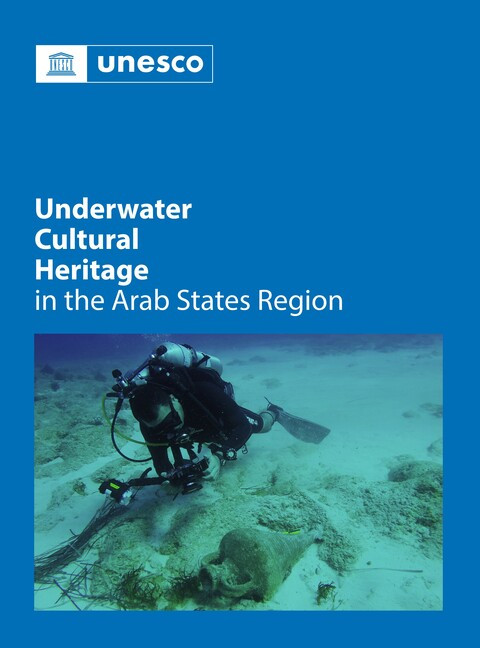 التراث الثقافيّ المغمور بالمياه في منطقة الدول العربيّة سنة النشر: 2023 المؤلف المؤسسي: UNESCO Cairo "التراث الثقافي المغمور بالمياه في المنطقة العربية تعرف منظمة اليونسكو التراث الثقافي المغمور بالمياه بأنه ""جميع آثار الوجود الإنساني ذات الطابع الثقافي أو التاريخي أو الأثري والتي ظلت مغمورة بالمياه جزئيا أو كليا، بشكل دوري أو متواصل، لمدة 100 عام على الأقل"". مثل: أنا. المواقع والهياكل والمباني والمصنوعات اليدوية والرفات البشرية، إلى جانب سياقها الأثري والطبيعي؛ ثانيا. السفن أو الطائرات أو المركبات الأخرى أو أي جزء منها أو حمولتها أو محتوياتها الأخرى، بالإضافة إلى سياقها الأثري والطبيعي؛ وثالثا. كائنات ذات طابع ما قبل التاريخ ""1. يتعلق هذا التعريف في المقام الأول بالعمر والظروف البيئية للرواسب، أي أن البقايا يجب أن تكون موجودة كليًا أو جزئيًا ""تحت الماء"" لمدة 100 عام على الأقل، بغض النظر عن نوعها أو طبيعتها أو ثقافتها التي ينتمون إليها. بمجرد التأكد من هذه العناصر الأساسية، يمكن تعريف المادة الأثرية بشكل أكبر وفقًا لواحد أو أكثر من المعايير المحددة: - التسلسل الزمني - الفترة الزمنية التي يعود تاريخ البقايا إليها؛ - المنطقة – المنطقة الجغرافية التي تم العثور على الرفات فيها؛ - التصنيف - التصنيف المادي للبقايا، على سبيل المثال، الفخار وعظام الحيوانات والحجر وما إلى ذلك. من المهم أن ندرك أنه في حين أن المعايير المذكورة أعلاه ستظل ثابتة، فإن الطبيعة ""تحت الماء"" للبقايا الأثرية عرضة للتغيير، نتيجة للتدخل البشري أو البيئي. على سبيل المثال، العديد من المواقع التي حدث فيها نشاط ما قبل التاريخ على الأرض، وعادةً ما تكون قريبة من الشواطئ القديمة، هي: 1 - اليونسكو. 2001. اتفاقية حماية التراث الثقافي المغمور بالمياه. باريس: وثائق المؤتمر العام، الجلسة الحادية والثلاثون، المادة.التراث الثقافي المغمور بالمياه في منطقة الدول العربية مغمور الآن بسبب ارتفاع منسوب سطح البحر. وبالمثل، فإن أشياء مثل السيوف، التي تم إيداعها في البحيرات أو الأنهار كجزء من طقوس الماضي، كانت تُصنع وتستخدم على الأرض. ولذلك أصبحت هذه المواقع والمصنوعات اليدوية تستوفي تعريف ""التراث الثقافي المغمور بالمياه"". والعملية المعاكسة ممكنة أيضًا: فحطام السفينة، على سبيل المثال، أو بقايا المواد الأخرى التي يتم رفعها من قاع البحر ووضعها في المتحف، ستفقد مكانتها كـ UCH. يخبرنا هذا الفارق الدقيق أن UCH ليس بالضرورة مصطلحًا علميًا ثابتًا. وهي تتعلق بالبيئة تحت الماء التي توجد فيها الثقافة المادية وليس بأي سمة أثرية أو ثقافية متأصلة. هذا لا يعني أن موقع الثقافة المادية تحت الماء ليس مهمًا: على العكس من ذلك، يكشف السياق تحت الماء عن تغييرات في الاستخدام والحالة والمعنى بمرور الوقت. إن التغيرات المادية التي يمكن أن تسببها البيئة تحت الماء، مثل التآكل أو الاضمحلال، والتغيرات الطبيعية والاجتماعية والأيديولوجية التي يمكن أن تعكسها المواقع تحت الماء، هي أجزاء حيوية من تاريخ حياة الموقع أو الكائن. يعد الموقع تحت الماء أيضًا عاملاً رئيسياً في تحديد التقنيات والأساليب العلمية التي يجب استخدامها عند التعامل مع هذا النوع من الثقافة المادية لأغراض الاستكشاف أو البحث أو التوثيق أو التنقيب أو الحفظ أو العرض أو العرض العام. وبالتالي، فإن دراسة UCH عادة ما تتطلب استخدام أدوات وتقنيات تختلف عن تلك المستخدمة في المواقع الأثرية الأرضية. لهذا السبب، كثيرًا ما يتم ذكر التراث تحت الماء بالارتباط مع علم الآثار المغمورة بالمياه، أي الأعمال الأثرية، مثل التنقيب والتسجيل والتحليل، التي تتم في مواقع مغمورة جزئيًا أو كليًا. ويخضع علم الآثار المغمورة بالمياه لنفس المبادئ والمعايير العلمية التي تحكم العمل الأثري على الأرض، ولكنه مصمم خصيصًا ليتناسب مع التحديات المحددة التي تفرضها الظروف تحت الماء. وبالتالي فإن مصطلح ""علم الآثار المغمورة بالمياه"" ليس فرعًا من فروع علم الآثار. بل هو مصطلح تقني يشير إلى مجموعة محددة من الأدوات والتقنيات المستخدمة في إجراء الأعمال الأثرية تحت الماء، ضمن الإطار الأوسع ومبادئ البحث الأثري." Underwater Cultural Heritage in the Arab States Region سنة النشر: 2023 المؤلف المؤسسي: UNESCO Cairo "Underwater Cultural Heritage in the Arab State RegionUnderwater Cultural Heritage (UCH) is defined by UNESCO as “all traces of human existence having a cultural, historical or archaeological character which have been partially or totally under water, periodically or continuously, for at least 100 years such as: i. sites, structures, buildings, artefacts and human remains, together with their archaeological and natural context; ii. vessels, aircraft, other vehicles or any part thereof, their cargo or other contents, together with their archaeological and natural context; and iii. objects of prehistoric character”1.This definition relates primarily to the age and environmental conditions of the deposit, i.e., the remains must have existed fully or partially “underwater” for at least 100 years, regardless of their type, nature, or the culture to which they belong. Once these core elements have been confirmed, the archaeological material can be defined further according to one or more specific criteria: - chronology – the time period the remains date from; - region – the geographical area where the remains were found; - typology – the physical categorisation of the remains, e.g., pottery, animal bone, stone etc.It is important to recognise that while the above criteria will remain constant, the “underwater” nature of the archaeological remains is subject to change, as a result of either human or environmental intervention. For example, many sites where prehistoric activity took place on land, usually close to ancient shorelines, are • 1 - UNESCO. 2001. Convention on the Protection of the Underwater Cultural Heritage. Paris: Records of the General Conference, 31st ses-sion, Article.Underwater Cultural Heritage in the Arab State Regionnow submerged due to rising sea levels. Similarly, items such as swords, deposited in lakes or rivers as part of past rituals, were made and used on land. These sites and artefacts have therefore come to meet the definition of “Underwater Cultural Heritage”. The opposite process is also possible: a shipwreck, for example, or other material remains lifted from the seabed and placed in a museum would lose its status as UCH. This nuance tells us that UCH is not necessarily a constant scientific term. It relates to the underwater environment in which the material culture is located rather than any inherent archaeological or cultural attribute2. That is not to say that the material culture’s underwater location is not important: on the contrary, the underwater context reveals changes in use, condition and meaning over time. The physical changes that the underwater environment can cause, such as corrosion or decay, and the natural, social and ideological changes that underwater locations can reflect, therefore, are vital parts of a site or object’s life history. The underwater location is also a key factor in determining which scientific techniques and methods to use when dealing with this type of material culture for purposes of exploration, research, documentation, excavation, conservation, presentation or public display. Thus, the study of UCH usually requires the use of tools and techniques that differ from those employed on terrestrial archaeological sites3. For this reason, UCH is frequently mentioned in association with underwater archaeology, i.e., archaeological work, such as excavation, recording and analysis, that takes place on partially or fully submerged sites. Underwater archaeology is governed by the same scientific principles and standards as archaeological work on land but is tailored to the specific challenges of underwater conditions4. The term “underwater archaeology” is not, therefore, a sub-discipline of archaeology. Instead, it is a technical term referring to a specific set of tools and techniques used in conducting archaeological work underwater, within the wider framework and principles of archaeological research."
  The Role of School Principal in Enhancing the Partnership Between School and Community in the Sultanate of Oman سنة النشر: 2010 المؤلف: Mohammed Ali Zeeb Ashour المؤلف المؤسسي: University of Bahrain. Scientific Publishing Center This study aimed at identifying the role of school principal in enhancing the partnership between school and community in Oman, from school employees and community members’ perspectives. It also aimed at finding out the statistical significant differences in the role of school principal in enhancing the partnership between school and community - due to job title and educational district. The study community comprised 9877, and the sample consisted of (513) persons, and (80) community members. To achieve the aims of this study a questionnaire was developed of (41) items distributed into five domains.The study showed the following results: - The role of school principal in enhancing the partnership between school and community showed an average degree. - The domains of the role of school principal came into the following order: vision and general educational processes and objectives, partnership in providing financial support to school, partnership in school administrative affairs, and lastly the partnership in school planning. - There were significant statistical differences in the responses to the educational district variable at all domains except in partnership in the school administrative affairs domain. - There were no significant statistical differences in the responses of the study sample to the job title variable at all domains, except in the partnership in providing consultant to school domain, in favor of principals.