
الموارد
استكشف مجموعة واسعة من الموارد القيمة حول تعليم المواطنة العالمية لتعميق فهمك وتعزيز البحث والمناصرة والتعليم والتعلم.
تم العثور على 3,229 نتيجة
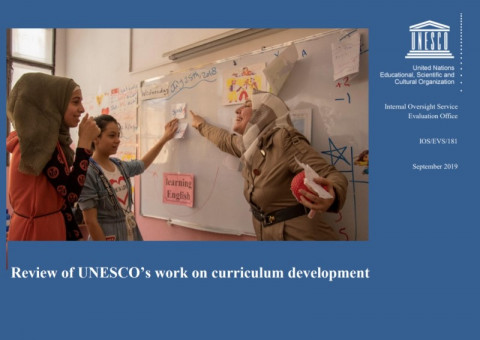 Review of UNESCO’s work on curriculum development سنة النشر: 2019 المؤلف المؤسسي: UNESCO In response to a request from the UNESCO Executive Board in Spring 2019, the UNESCO Internal Oversight Service (IOS) Evaluation Office has undertaken this Review to provide a mapping and analysis of UNESCO’s activities in curriculum; to provide an overview of the roles typically played by other national, regional and international actors in the field of curriculum, and to assess the demand for services from UNESCO Member States and donors in the area of curriculum. The review found that curriculum is widely considered as the foundational building block of the education system, resulting from a pedagogical and political consensus with regard to what is important in learning and why, according to both the learner’s needs and societal visions. In light of challenges of the 21st century and the need to strengthen the role of the humanities in a context dominated by technology and data, the redefinition of curriculum has become one of the main concerns of national education authorities around the world. It is also widely accepted that quality curricula can support the attainment of Sustainable Development Goal 4 (SDG 4). The review concluded that curriculum, particularly curriculum development and reform processes, should remain an area of UNESCO’s education programme as it addresses a clear need from Member States. As curriculum implies both technical and political dimensions, UNESCO can act as a neutral broker, to facilitate informed and inclusive policy dialogue. It also has a long-term tradition in facilitating complex curriculum processes in often difficult and sensitive contexts. In addition, UNESCO has the capacity to serve as a platform for international exchanges and comparative research, including through networks such as UNESCO Chairs, and coordinating knowledge hubs and communities of practice. To address curriculum with added value in the future, UNESCO should focus on providing methodological technical assistance, capacity development, standard-setting and policy advice to support the curriculum processes, products and competences in Member States while ensuring a coordinated and holistic perspective. Complementary to work on curriculum from a methodological point of view, thematic Sections at Headquarters should continue elaborating content on specific crosscutting topics. Looking to the future, the review recommends (i) maintaining a specialized category 1 institute as a lead entity on curriculum development; (ii) refining the offer of technical assistance and capacity development to Member States on curriculum development and reform; (iii) developing and maintaining a knowledge base of materials and a roster of experts on curriculum; (iv) providing a platform for policy dialogue and exchange of experience among Member States; and (v) systematizing the inclusion of curriculum in standard-setting and normative work.
  #CommitToEducation سنة النشر: 2019 المؤلف المؤسسي: UNESCO In December 2018, building on a series of regional consultations, the education community struck a common chord at the Global Education Meeting in Brussels, the first gathering of its kind since the adoption of the 2030 Agenda. Ministers, representatives of government, multilateral organizations, civil society and other stakeholders agreed on a set of priorities for collective action. These include an overarching focus on the right to inclusive quality education; eradicating illiteracy; including migrants, displaced persons, refugees and stateless persons in education; quality gender-responsive education and training; strengthened education for global citizenship and sustainable development; more flexible and open learning systems providing a broader range of knowledge, skills and competences at all levels; qualified teachers and domestic and international resource mobilization. This set the ground for the first review of SDG 4 by the July 2019 High level Political Forum, the UN apex platform for the follow-up and review of Agenda 2030. As the UN agency responsible for the coordination of SDG 4, mandated by the World Education Forum in Incheon (Republic of Korea, 2015), UNESCO provided an analysis of where the world stands on SDG 4, how countries have taken up the goal in their policies, and made recommendations to act better, differently and collaboratively.
  The Sustainable Development Goals Report 2018 سنة النشر: 2018 المؤلف المؤسسي: United Nations (UN) The 2030 Agenda for Sustainable Development provides a global blueprint for dignity, peace and prosperity for people and the planet, now and in the future. Three years into the implementation of the Agenda, countries are translating this shared vision into national development plans and strategies. تقرير أهداف التنمية المستدامة 2018 سنة النشر: 2018 المؤلف: United Nations (UN) المؤلف المؤسسي: United Nations (UN) يستعرض التقرير التقدم المحرز في تحقيق أهداف التنمية 2030 المستدامة في عامها الثالث من التطبيق. وهذا التقرير يمثل نظرة عامة على التقدم المحرز والفجوات التي تواجه الدول في الاهداف السبعة عشر، وهذا التحليل المعروض في التقرير مبني استنادا على أحدث البيانات المتاحة من إدارة الشؤون الاجتماعية والاقتصادية بالأمانة العامة للأمم المتحدة، وشارك ايضا في توفير البيانات خبراء إجصائيون من دول كثيرة. عموما يعتبر هذا التقرير مرجعا للمهتمين بمتابعة تحقيق العالم لأهداف التنمية المستدامة.
  World Youth Report: Youth and the 2030 Agenda for Sustainable Development سنة النشر: 2018 المؤلف المؤسسي: United Nations (UN) The World Youth Report on “Youth and the 2030 Agenda for Sustainable Development”, prepared by the United Nations Department of Economic and Social Affairs (UN DESA), examines the mutually supportive roles of the new agenda and current youth development efforts. The report provides insight into the role of young people in sustainable development in the context of the implementation of the 2030 Agenda for Sustainable Development and related frameworks, in particular, the Addis Ababa Action Agenda of the Third International Conference on Financing for Development and the World Programme of Action for Youth.The Report considers the role the 2030 Agenda can play in enhancing youth development efforts and examines how evidence-based youth policies can help accelerate youth-related objectives. It explores the critical role young people have in the implementation of sustainable development efforts at all levels. 세계청소년보고서: 청소년과 2030 지속가능발전 의제 سنة النشر: 2018 المؤلف المؤسسي: United Nations (UN) UN 경제사회국이 작성한 『세계청소년보고서: 청소년과 2030 지속가능발전 의제(World Youth Report: Youth and the 2030 Agenda for Sustainable Development)』는 청소년 개발에 대한 현재의 노력과 새로운 의제 간의 상호 보완적인 역할을 다루고 있습니다. UN 경제사회국은 경제, 사회 및 환경 분야 글로벌 정책과 국가적 실천 사이의 연결고리를 제공하고 있습니다. 2년마다 발간되는 본 보고서는 회원국 및 기타 이해관계자들이 청소년 문제 해결에 대한 진전 사항을 파악하고, 정책과 현실의 격차를 평가하고, 가능한 정책 대안을 마련하기 위한 정보와 분석 결과를 제공합니다.본 보고서는 2030 지속가능발전 의제 및 관련 프레임워크 이행의 맥락, 특히 제3차 개발재원총회 아디스아바바 행동의제 (Ababa Action Agenda of the Third International Conference on Financing for Development) 및 세계청소년행동계획 (World Programme of Action for Youth) 의 이행과 관련하여 지속가능발전을 위한 청소년의 역할에 대한 통찰을 제시합니다. 2030 의제는 청소년개발 노력을 증진하고 증거기반(evidence ― based) 청소년정책이 청소년 목표 증진에 이바지하는 바를 검토하는 데 있어 중요한 역할을 할 수 있습니다. 본 보고서는 이를 통해 모든 수준에서의 지속가능발전 이행에 있어 결정적으로 중요한 청소년의 역할을 살펴봅니다.
 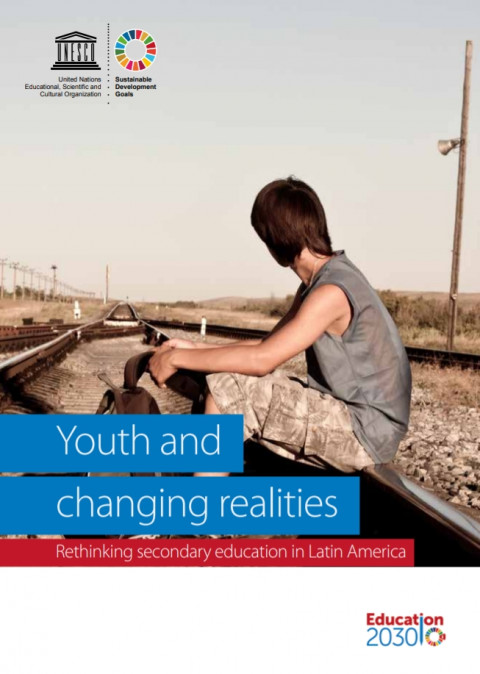 Youth and changing realities: rethinking secondary education in Latin America سنة النشر: 2017 المؤلف: López.Néstor, Opertti.Renato, Vargas Tamez.Carlos المؤلف المؤسسي: UNESCO International Bureau of Education (IBE) | UNESCO IIEP Office for Latin America and the Caribbean Youth are central to UNESCO’s mandate. The more than one billion youth and adolescents in the world today hold the key to our shared future and to global sustainable development. With a focus on Latin America, this publication addresses the need to regain young learners’ trust in education and to arrive at more positive social constructions of youth among educators, parents and education authorities. In so doing, this study looks at educational experiences as meaning makers that shape youth cultures and identities as well as their attitudes toward education and its potential to improve individual and collective well-being. Adolescentes y jóvenes en realidades cambiantes: notas para repensar la educación secundaria en América Latina سنة النشر: 2017 المؤلف: López.Néstor, Opertti.Renato, Vargas Tamez.Carlos المؤلف المؤسسي: UNESCO International Bureau of Education (IBE) | UNESCO IIEP Oficina para América Latina y el Caribe La juventud es un tema central dentro del mandato de la UNESCO. Más de mil millones de jóvenes y adolescentes en el mundo actual tienen la llave de nuestro futuro en común y del desarrollo sostenible, justo e inclusivo a nivel mundial. Con el foco puesto en América Latina, la publicación aborda la necesidad de recuperar la confianza de las y los jóvenes y adolescentes en la educación y de llegar a construcciones sociales de la juventud más completas y positivas entre las y los educadores, los padres y madres, las comunidades y las autoridades educativas. De este modo, el estudio analiza las experiencias educativas en cuanto productoras de significado que configuran las culturas e identidades de la juventud, al igual que sus actitudes hacia la educación y su potencial para mejorar y sostener el bienestar individual y colectivo.
  Literacy for Empowerment and Transformation: Report of the Secretary-General سنة النشر: 2024 المؤلف المؤسسي: United Nations (UN) | UNESCO The present report is submitted in fulfilment of the request made by the General Assembly, in its resolution 77/192, that the Secretary-General, in cooperation with the Director General of the United Nations Educational, Scientific and Cultural Organization (UNESCO), submit to the Assembly at its seventy-ninth session a report on the implementation of the resolution. The Assembly also invited UNESCO to continue its mandated role to lead and coordinate the Education 2030 Agenda and requested UNESCO to continue its coordinating and catalysing role through the implementation of the strategy of the Global Alliance for Liter acy and by continuing to provide support to Member States. The present report provides an overview of the global literacy landscape, highlighting progress, key challenges and recommendations for further promotion of literacy as part of the 2030 Agenda for Sustainable Development, the follow-up to the Transforming Education Summit and beyond.
  평생학습 문화 수용하기: '교육의 미래' 이니셔티브에 대한 기여 سنة النشر: 2020 المؤلف المؤسسي: UNESCO Institute for Lifelong Learning (UIL) 유네스코 ‘교육의 미래’ 이니셔티브의 일환으로 발간되는 이 보고서는 교육 분야를 변화시키고, 보다 지속가능하고 건강하며 포용적인 미래를 만들기 위해 이루어진 평생학습의 잠재적 기여를 고찰하고 있다. 이 보고서는 서로 다른 분야와 국가에서 온 12명의 저명한 전문가들의 통찰력을 바탕으로, 평생학습에 대한 확고한 비전과 이를 뒷받침하는 가치와 원칙을 제시한다. 아울러, 교육의 사회적⋅개인적 차원을 인식하고, 평생학습을 새로운 인권으로 인정할 것을 국제사회에 요청하고 있다.이 보고서는 평생학습의 비전을 실현하기 위해서는 인류가 당면한 도전과제의 복잡하고 다차원적인 성격을 효과적으로 파악할 수 있는 초학제적 접근방식을 채택해야 한다고 주장한다. 이 책의 구성은 평생학습을 교육 정책의 주요 원칙으로 삼고, 배경이나 여건에 관계없이 모든 사람들에게 전 생애에 걸쳐 학습 기회를 제공할 수 있는 ‘우호적인 환경’의 주요 특징을 요약하고 있다. 그리고 일련의 주요 메시지를 결론으로 제시하고, 구체적인 행동 방침과 선정된 정책 조치를 보완적으로 논의하고 있다.