
الموارد
استكشف مجموعة واسعة من الموارد القيمة حول تعليم المواطنة العالمية لتعميق فهمك وتعزيز البحث والمناصرة والتعليم والتعلم.
تم العثور على 1,727 نتيجة
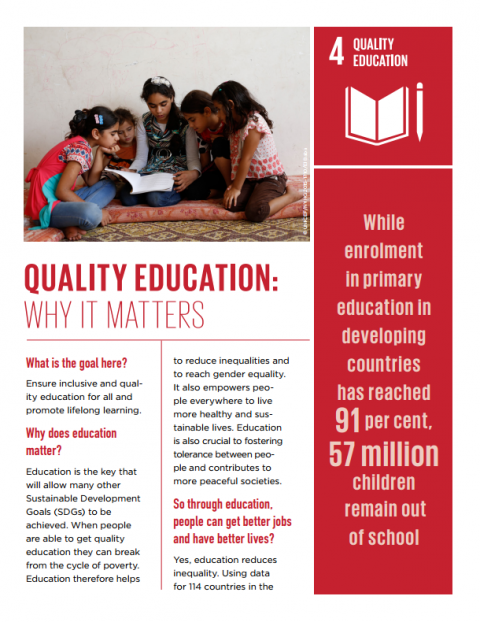 Quality Education: Why It Matters المؤلف المؤسسي: United Nations Children's Fund (UNICEF) Education is the key that will allow many other Sustainable Development Goals (SDGs) to be achieved. When people are able to get quality education they can break from the cycle of poverty. Education therefore helps to reduce inequalities and to reach gender equality. It also empowers people everywhere to live more healthy and sustainable lives. Education is also crucial to fostering tolerance between people and contributes to more peaceful societies.
  Transformative Political Leadership to Promote 12 Years of Quality Education for All Girls سنة النشر: 2020 المؤلف: Gloria Diamond المؤلف المؤسسي: University of Cambridge. Research for Equitable Access and Learning (REAL) Centre | United Nations Girls' Education Initiative (UNGEI) How can political leadership promote 12 years of quality education for all girls? This report from the Research for Equitable Access and Learning (REAL) Centre, University of Cambridge, seeks to answer this question. The study is based on a review of global evidence, with a focus on low- and lower-middle income countries where most action is needed to achieve the world’s development goals. The researchers also conducted interviews with 11 current and former political leaders involved in championing girls’ education. On the basis of this research, this report outlines seven recommendations on how political leadership can be leveraged to achieve 12 years of quality education for all girls.
  Gender Inequality and Early Childhood Development: A Review of the Linkages سنة النشر: 2017 المؤلف المؤسسي: Plan International This paper aims to respond to the fact that Early Childhood Development initiatives and programmes, both internal and external, often appear to give limited attention to gender inequality and discrimination. Furthermore, initiatives to promote girls’ rights and gender equality often pay little attention to early childhood, instead focusing on older girls and adolescents.
 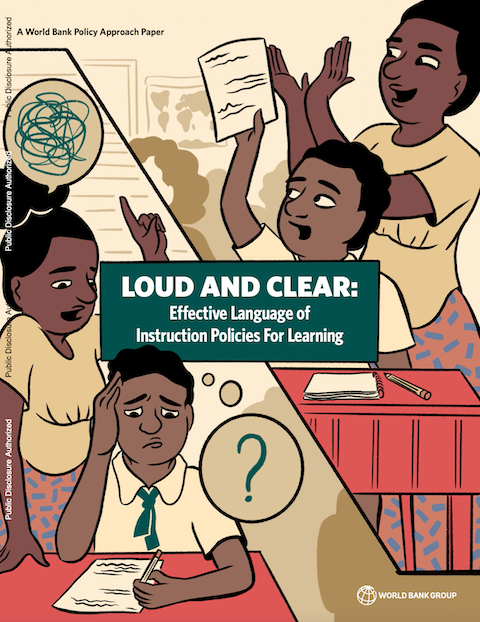 Loud and Clear: Effective Language of Instruction Policies for Learning سنة النشر: 2021 المؤلف المؤسسي: World Bank This paper describes the new World Bank policy approach on language of instruction(LoI), as part of the operationalization of the literacy policy package in support of the Bank’s new learning target. This new approach aims to support progress on language of instruction(LoI) Policies and interventions, as loi-based challenges are identified and addressed in light of each country’s context. Haut et fort: Politiques efficaces de Langue d’Enseignement Pour l’Apprentissage سنة النشر: 2021 المؤلف المؤسسي: World Bank Ce document décrit la nouvelle approche de la politique de la Banque mondiale en matière de langue d’enseignement, en tant que composante dans l’opérationnalisation du paquet de politique de littératie en appui au nouvel objectif d’apprentissage de la banque. Cette nouvelle approche vise à soutenir les progrès dans le domaine des politiques et des interventions en matière de LE (Langue d'Enseignement), dans la mesure où les défis liés à la PLE(Politique de Langue d'Enseignement) sont identifiés et traités à la lumière du contexte de chaque pays.
 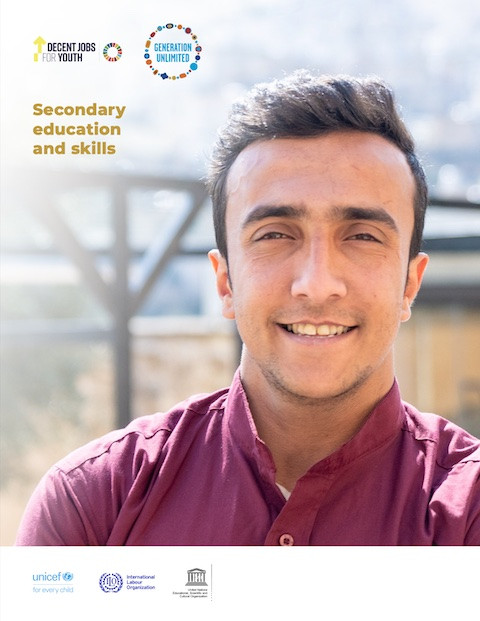 Secondary Education and Skills سنة النشر: 2020 المؤلف المؤسسي: Generation Unlimited | Global Initiative on Decent Jobs for Youth All young people need access to quality education and learning that would help them develop the skills, knowledge, attitudes and values they need to find and retain productive work, to make informed decisions, and to positively engage in their communities. However, millions of young people remain out of school or do not have access to quality learning opportunities. The COVID-19 pandemic and the resulting economic downturn have made the challenges facing young people even more pressing, as shrinking labour markets leave low-skilled young people with fewer choices, and render them more vulnerable to exploitation.There is a need for a radical re-think of what works, seeking a radical improvement in traditional curricula, the number of trained professional teachers, student–teacher ratios, and the teaching methods and strict school timetables that have become less relevant to the current needs of young people.The aim of this guide is to support the Generation Unlimited strategic priorities, and to inform policy makers and social partners, so as to guide action on investment, policy change and delivery, increasing the likelihood of successful outcomes and decent jobs for young people.
 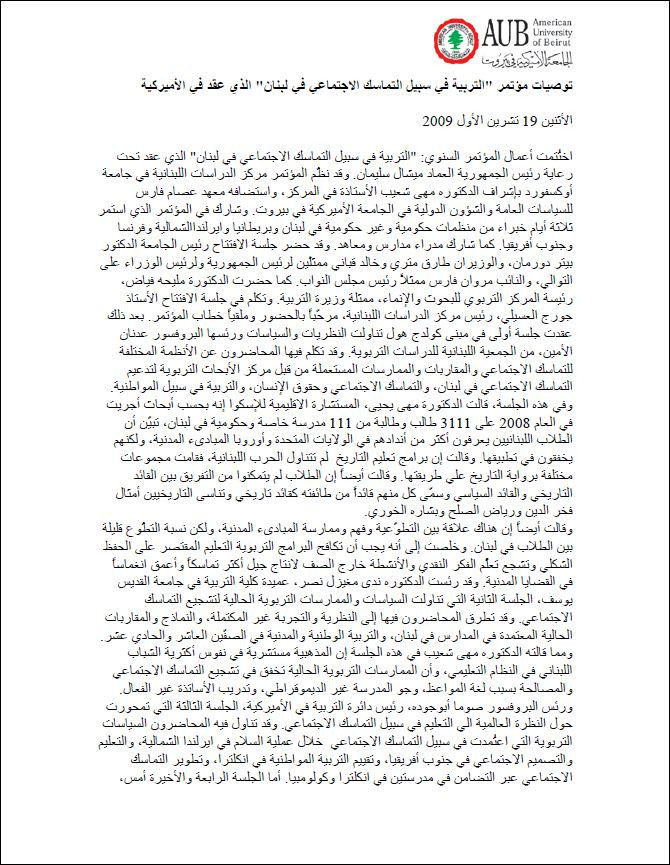 توصيات مؤتمر " التربية في سبيل التماسك الاجتماعي في لبنان " سنة النشر: 2009 المؤلف المؤسسي: American University of Beirut الملف عبارة عن التوصيات التي خرج بها مؤتمر "التربية والتماسك الاجتماعي في لبنان"، والذي أقيم بالجامعة الامريكية في بيروت. التوصيات تتعاطى مع تحديات التماسك الاجتماعي في لبنان باختلاف طوائفه ومكوناته العرقية. أستمر هذا المؤتمر ثلاث أيام وحضرها مجموعة من المشاركين من لبنان وخارجه. Recommendations of the Conference on "Education for Social Cohesion in Lebanon" سنة النشر: 2009 المؤلف المؤسسي: American University of Beirut The file is a summary of the recommendations that came out of the "Education and Social Cohesion in Lebanon" conference, which was held at the American University in Beirut. The recommendations deal with the challenges of social cohesion in Lebanon with its different sects and ethnic components. This conference lasted for three days and was attended by a group of participants from Lebanon and abroad.
 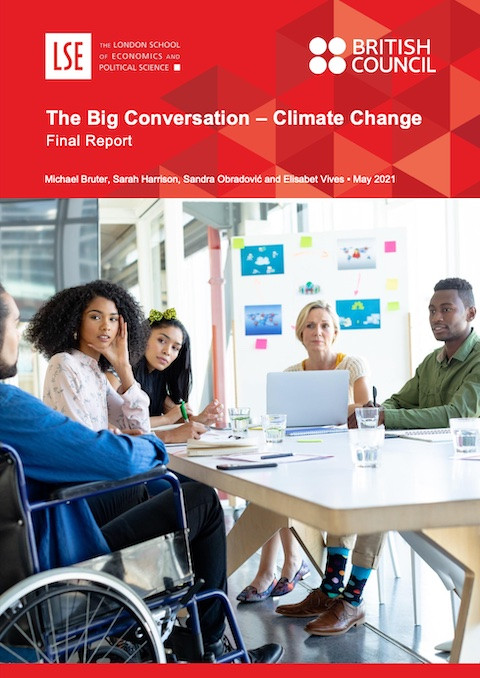 The Big Conversation: Climate Change; Final Report سنة النشر: 2021 المؤلف: Michael Bruter | Sarah Harrison | Sandra Obradović | Elisabet Vives المؤلف المؤسسي: British Council | London School of Economics and Political Science This research draws on experience from the field of international cultural relations as well as the latest academic research on values, behaviours and norms to understand more about how we can create the conditions for co-operation on shared global challenges.It delivers new insight on values and attitudes towards climate change among the populations of China, India, Japan and Mexico – selected to represent a diverse range of major world economies who are also important players in the global climate change debate.The research also draws on the experience of international cultural relations experts to provide new insight on how to strengthen international cooperation on climate change and the important role that cultural relations can play in supporting that.
 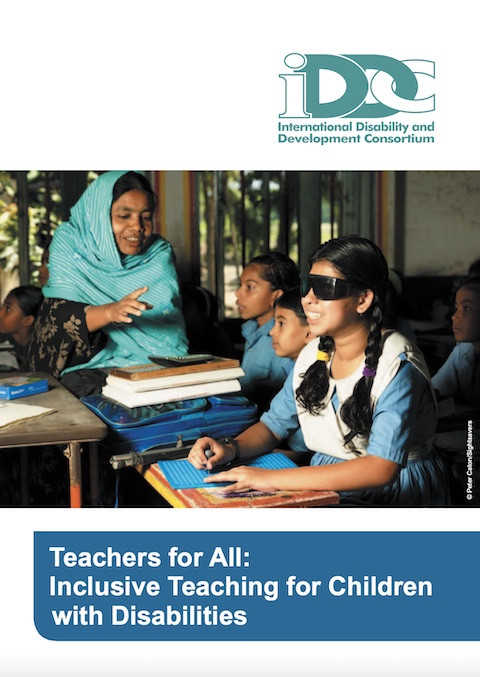 Teachers for All: Inclusive Teaching for Children With Disabilities سنة النشر: 2013 المؤلف: Ingrid Lewis | Sunit Bagree المؤلف المؤسسي: International Disability and Development Consortium (IDDC) Globally we need more well-trained and motivated teachers.Good teachers can help ensure that every child learns to their full potential from an early age and enters adult life well-equipped to be active citizens and support the development of their community and country. Many countries do not have enough teachers, let alone enough teachers who have received sufficiently high quality pre- and in-service training and access to continuing professional development. This paper first provides detail about the context and scale of the challenge. It then outlines five broad issues that need addressing if we are to prepare, recruit and support enough teachers, with appropriate skills, to educate every child – including those with disabilities.