
الموارد
استكشف مجموعة واسعة من الموارد القيمة حول تعليم المواطنة العالمية لتعميق فهمك وتعزيز البحث والمناصرة والتعليم والتعلم.
تم العثور على 875 نتيجة
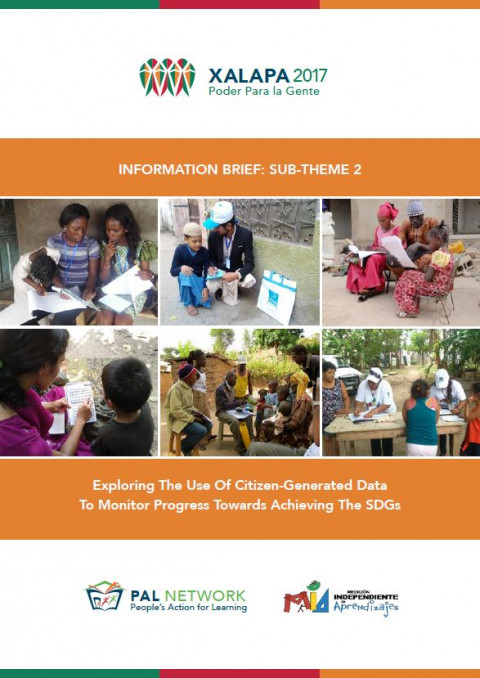 Exploring the Use of Citizen-generated Data to Monitor Progress Towards Achieving the SDGs سنة النشر: 2017 المؤلف المؤسسي: People's Action for Learning Network The 5th Annual PAL Network meeting was held in Xalapa, Mexico from 13th to 16th March 2017. The meeting was jointly hosted by Medición Independiente de Aprendizajes (MIA) and the PAL Network. The meeting provided structured opportunities for deep exploration of this year’ theme: ‘Power to the People’. The theme was critically explored by over 80 participants from more than 19 Global South countries in four different sub‑theme groups. Each sub-theme focused on a different aspect of citizen participation in conducting household-based learning assessments with a focus on value, potential and next steps.
 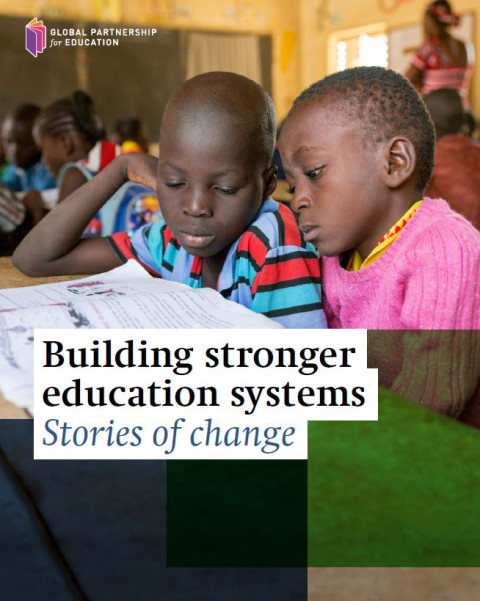 Building Stronger Education Systems: Stories of Change سنة النشر: 2019 المؤلف المؤسسي: The Global Partnership for Education (GPE) A compilation of results stories which show the progress that GPE's developing country partners are making in getting more children, especially girls, in school and learning. The brochure includes stories from Afghanistan, Benin, Burkina Faso, Djibouti, Eritrea, Ethiopia, Guyana, Kenya, Pakistan, Papua New Guinea and Sudan. Construire des systèmes éducatifs plus performants : parcours de réussite سنة النشر: 2019 المؤلف المؤسسي: The Global Partnership for Education (GPE) Cette brochure présente des parcours de réussite attestant des progrès accomplis par les pays en développement partenaires du PME pour que davantage d’enfants, et en particulier de filles, aillent à l’école et bénéficient d’une éducation de qualité.Elle met en évidence les cas des pays tels que l'Afghanistan, le Bénin, le Burkina Faso, Djibouti, l’Érythrée, l’Éthiopie, le Guyana, le Kenya, le Pakistan, la Papouasie-Nouvelle-Guinée et le Soudan.
 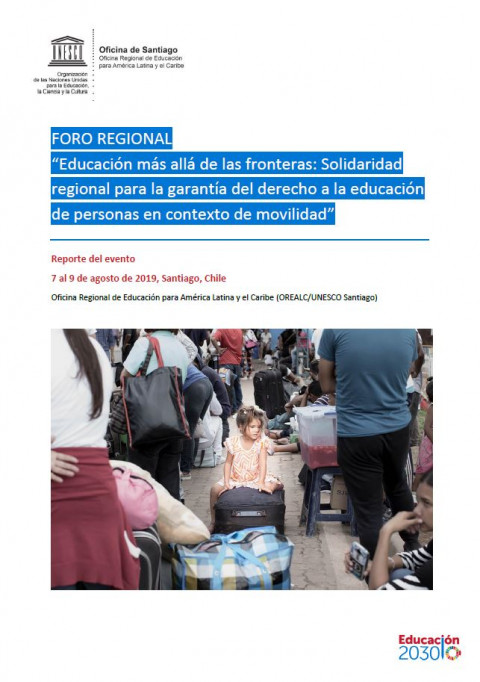 Foro regional: Educación más allá de las Fronteras: Solidaridad Regional para la Garantía del Derecho a la Educación de Personas en Contexto de Movilidad; reporte del evento سنة النشر: 2019 المؤلف المؤسسي: UNESCO Santiago Resumen del encuentro en SantiagoEl Foro regional "Educación más allá de las fronteras: Solidaridad regional para la garantía del derecho a la educación de personas en contexto de movilidad" fue planteado como una instancia de diálogo de actores comprometidos en este fenómeno y para establecer un marco de colaboración y definiciones estratégicas regionales para la garantía del derecho a la educación de las personas en contexto de movilidad.En la instancia se analizaron los principales desafíos en materia de respuesta educativa a los flujos de movilidad humana contemporáneos y se intercambiaron experiencias significativas para su abordaje en América Latina y el Caribe. Durante su realización se dio a conocer el documento de la Estrategia regional de respuesta de la UNESCO a la situación de personas en contexto de movilidad en América Latina y el Caribe 2019-2021 y se identificaron modalidades de colaboración.
 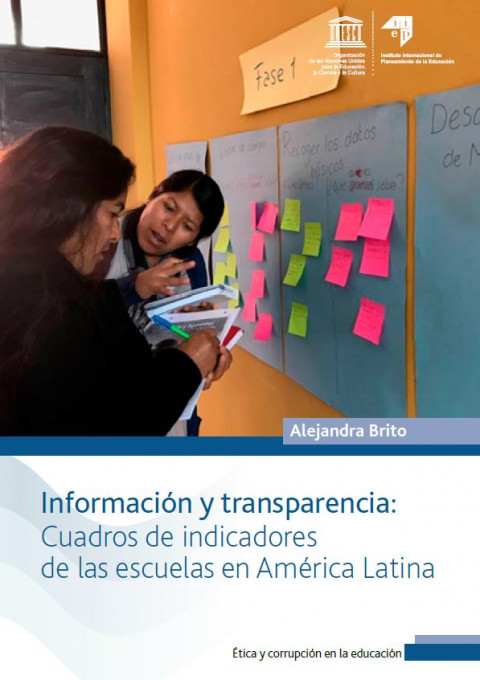 Información y transparencia: cuadros de indicadores de las escuelas en América Latina سنة النشر: 2019 المؤلف: Alejandra Brito المؤلف المؤسسي: UNESCO International Institute for Educational Planning (IIEP) ¿La publicación de indicadores sobre cada escuela y compartirlos con los actores escolares mejoran la transparencia y la rendición de cuentas y ayudan a combatir la corrupción de manera eficaz? Mientras que los cuadros de indicadores de las escuelas se están desarrollando en un número creciente de países de América Latina, esta pregunta aparece particularmente aguda; la información y las evaluaciones disponibles sobre el tema siguen siendo parcelarias.Este estudio muestra un panorama de la situación a nivel regional, revisando los sistemas de información e indicadores escolares de acceso público de 15 países de América Latina. Además, examina en profundidad siete cuadros de indicadores de información escolar en cuanto a su contenido, periodicidad, mecanismos de relevamiento y difusión de la información, diseño, uso e impacto en temas de transparencia, rendición de cuentas y lucha contra la corrupción.En conclusión, formula recomendaciones detalladas para los encargados de la toma de decisiones, entre las que se incluyen: considerar la utilidad, claridad y accesibilidad de los cuadros; mejorar la validez y vigencia de los datos; fomentar la comprensión y uso de la información; vincular los cuadros con los sistemas de rendición de cuentas actuales; incluirlos en los canales de comunicación en uso; proporcionar consecuencias o sanciones en caso de corrupción; asegurar la comprensión y difusión de los resultados por los padres de familias, así como su participación en los planes de mejora.
 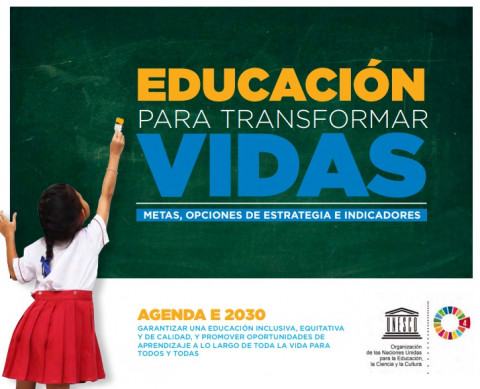 Educación para transformar vidas: metas, opciones de estrategia e indicadores سنة النشر: 2016 المؤلف المؤسسي: UNESCO Santiago La educación está en el centro de la agenda de desarrollo sostenible y es esencial para el éxito de todas estas metas. La nueva agenda de educación resumida en el Objetivo 4 es holística, ambiciosa, deseable y universal, yestá inspirada por una visión de que la educación transforma las vidas de las personas, las comunidades y las sociedades. La agenda atiende los temas no resueltos de los objetivos de la Educación para Todos (EPT) ylos ODM relacionados con la educación, al tiempo que aborda de manera efectiva los actuales y futuros desafíos de la educación a nivel mundial y nacional. Está basada en los derechos y está inspirada en una visión humanista de la educación y el desarrollo, con base en los principios de la dignidad humana, los derechos igualitarios, la justicia social, la paz, la diversidad cultural y la responsabilidad compartida. Basándose y continuando con el movimiento EPT, Educación 2030 toma en cuenta lecciones aprendidas desde 2000. Lo que es nuevo en esta agenda es su enfoque en mayores y más amplios resultados en el acceso, la equidad e inclusión, calidad y aprendizaje, además de un aprendizaje a lo largo de toda la vida.
  Desafíos de la educación secundaria en América Latina: ponencias del Foro regional de políticas educativas 2018 سنة النشر: 2019 المؤلف: Nestor López المؤلف المؤسسي: UNESCO IIEP Oficina para América Latina y el Caribe En el marco de los esfuerzos realizados por la UNESCO para apoyar a los países de la región en el cumplimiento del Objetivo de Desarrollo Sostenible (ODS) 4, el 20 y 21 de septiembre de 2018 se celebró en Buenos Aires, Argentina, la segunda edición del Foro Regional de Políticas Educativas, un evento de la Oficina para América Latina del Instituto Internacional de Planeamiento de la Educación de la UNESCO. Este evento contó con la participación de representantes de los gobiernos de los 19 países de la región, expertos en políticas de educación secundaria, y representantes de organismos internacionales. El tema de esta edición del Foro Regional --Desafíos de la educación secundaria en América Latina ante la Agenda Educación 2030-- resultó particularmente de actualidad para los países de la región, dado que, en las últimas dos décadas, la mayor parte de ellos incorporó la secundaria como parte del ciclo de educación obligatoria. Sin embargo, hasta ahora no se ha logrado garantizar una educación secundaria “inclusiva, equitativa y de calidad” para todas las personas, como declara el ODS 4.
 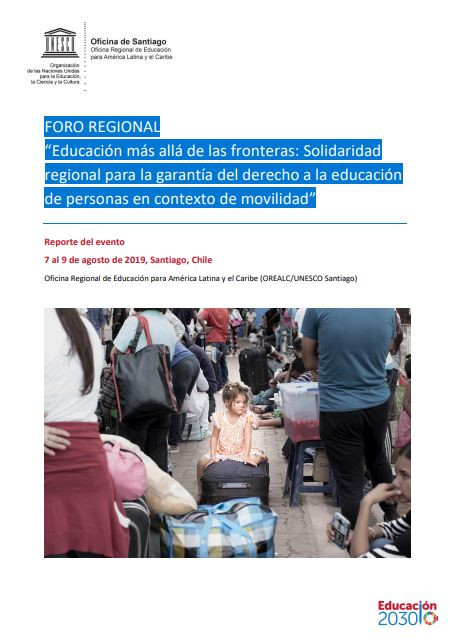 Foro regional: Educación más allá de las Fronteras: Solidaridad Regional para la Garantía del Derecho a la Educación de Personas en Contexto de Movilidad; reporte del evento سنة النشر: 2019 المؤلف المؤسسي: UNESCO Santiago El aumento sustantivo de la movilidad intrarregional, la progresiva transformación de la procedencia de la población en contexto de movilidad y la presencia de flujos masivos de desplazamiento en los últimos años han supuesto importantes desafíos para los Estados. Particularmente, en establecer las maneras en que las personas migrantes, refugiadas, solicitantes de asilo y retornadas puedan ejercer sus derechos fundamentales. Entre estos derechos, el derecho a la educación emerge como una herramienta para proteger la dignidad humana, especialmente considerando su capacidad de promover la garantía de otros derechos y de constituirse, por tanto, en un derecho multiplicador. Un compromiso central de la Agenda 2030 adoptada por los Estados Miembros es “no dejar a nadie atrás”, por lo que considerar las necesidades de protección de las personas en situación de movilidad resulta urgente. El logro de los Objetivos de Desarrollo Sostenible depende de nuestra respuesta a este desafío mundial y regional.
 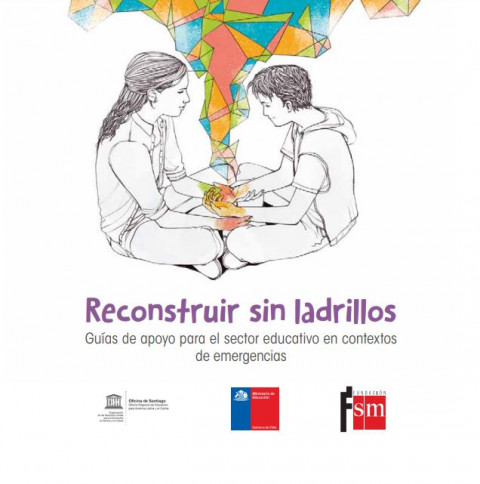 Reconstruir sin ladrillos: guías de apoyo para el sector educativo en contextos de emergencias سنة النشر: 2017 المؤلف: Griselda Amuchástegui | María Isabel del Valle | Henry Renna المؤلف المؤسسي: UNESCO Santiago La Educación es fundamental para todos los niños, niñas y jóvenes y más aún en situaciones de emergencia. Es una herramienta para el bienestar psico-social de las comunidades en la respuesta, de desarrollo de capacidades para la preparación y reducción del riesgo y de fortalecimiento local en la recuperación de los territorios. La educación es y debe ser un medio para mejorar y transformar las vidas y el hábitat del ser humano. También la Educación es un fin, en su búsqueda y construcción colectiva las personas regeneran relaciones, trazan proyectos comunes y fortalecen su auto-concepto. Ella no sólo contribuye al bienestar, la Educación es por misma un estar-bien colectivo, mejora nuestras habilidades, internaliza valores, contribuye al cambio social, a la salud y la vida sana, la cohesión local. Es un derecho y es también habilitador de otros derechos. Históricamente, ante desastres la Educación ha sido abordada a mediano y largo plazo en lugar de ser activada desde la fase de respuesta a emergencias; la ayuda humanitaria suele enfocarse en la provisión de alimentos, vivienda, agua, albergue, cuestiones imprescindibles pero que deben y pueden ser cruzadas con acciones del sector de Educación desde el primer momento. La Educación no puede esperar a tiempos más estables para su despliegue; debe ser garantizada en todo momento, en todo lugar y de todas las formas posibles como un Derecho Humano Fundamental.
  Entre el reloj y la brújula: desafíos en la garantía del derecho a la educación y al aprendizajede personas jóvenes y adultas en América Latina y el Caribe; documento de trabajo سنة النشر: 2019 المؤلف: Henry Renna المؤلف المؤسسي: UNESCO Santiago Este documento tiene por objetivo proporcionar una visión general de la educación y del aprendizaje de personas jóvenes y adultas como derecho humano y social. Los instrumentos de derecho vinculante y no vinculante que la sustentan son históricos y de larga data, como también contingentes, amplios y extensos en su alcance, con presencia regional e internacional. El documento muestra —sobre la base de los Indicadores del Objetivo de Desarrollo Sostenible 4 (ODS 4 Agenda 2030)— que los principales desafíos para los países de América Latina y el Caribe tienen relación con la lentitud de los progresos (el desafío del reloj) dejando a muchas y muchos jóvenes y adultos al margen de oportunidades educativas, de conocimientos, habilidades y aptitudes, y privados de alcanzar el bienestar integral. Este informe también sostiene —basado en los informes nacionales del Tercer Reporte Global de Educación y Aprendizaje de Adultos— que muchos desafíos están vinculados con la dirección de las políticas (el desafío de la brújula), con sentidos reduccionistas y homogeneizadores detrás de las instituciones y de la acción pública, lo que precariza y fragiliza la garantía del derecho a la educación y al aprendizaje de las personas jóvenes y adultas. Este documento es consistente con el llamado de la UNESCO a «repensar la educación» e invita a reconstruir en el siglo XXI un mundo y una educación sin muros, donde se difuminen las fronteras mentales e institucionales que reducen, dividen y aislan los sistemas educativos, con el fin de liberar su poder transformador para todos y todas.