
الموارد
استكشف مجموعة واسعة من الموارد القيمة حول تعليم المواطنة العالمية لتعميق فهمك وتعزيز البحث والمناصرة والتعليم والتعلم.
تم العثور على 3,777 نتيجة
 [摘要] 一起重新构想我们的未来:为教育打造新的社会契约 سنة النشر: 2021 المؤلف المؤسسي: International Commission on the Futures of Education | 联合国教科文组织 (UNESCO) 人类和地球正受到威胁。我们需要共同采取紧急行动,改变发展方向,重新构 想我们的未来。长期以来,教育都被认为是促进积极变革的强大力量,而现在教育 面临着全新的、紧迫的和重要的任务。“教育的未来”国际委员会的这份报告在约 百万人参与的全球协商进程的基础上,邀请世界各地的政府、机构、组织和公民出 谋划策,为教育缔结一项新的社会契约,齐心协力地建设一个面向所有人的和平、 公正和可持续的未来。 报告深入探讨了数字技术、气候变化、民主滑坡、社会两极分化以及不确定的 工作前景等问题,其目的不仅仅是让每个人参与教育对话,引发思考,而且要鞭策 我们每个人都采取行动。报告认为,只有通过数以百万计的个人和集体,凭借行动 力、领导力、抗压力、创造力和关爱力,我们才能改变发展方向,实现教育转型, 最终建设一个公正、公平和可持续的未来。
 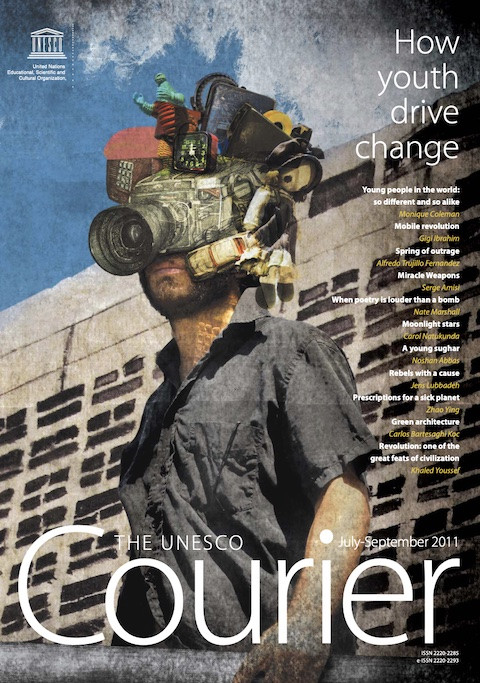 How Youth Drive Change (The UNESCO Courier no. 3; July-September 2011) سنة النشر: 2011 المؤلف المؤسسي: UNESCO Considering school history as a place of confrontation of discourse and knowledge from competing socialization spaces (school, family, media), we are interested in citizenship education work and challenges posed by these plural socializations. In an important context media coverage of debates on the recognition of minority memories in France and their entry into the school programs of the college in 2008, how do students appropriate the ""socially vivid issues"" of immigration, colonization, and decolonization? Fromcontent analysis of a corpus made up of around a hundred interviews semi-structured conducted between 2007 and 2010 with 3rd year college students (end of lower secondary and compulsory education), we analyze and highlight contrasting interpretations of these heritages by majority students and minority students, respectively supplied by categories of public debate and family narratives. We show, following work relating to the sociology of school curricula, which learning citizenship in the light of these historical legacies results from the confrontation of the pupils with the discourses and knowledge different spaces in which they take part. But it is above all the product oftheir position in the face of these historical legacies, according to their experiences social and the role they give to these stories in building a common identity and belonging.
 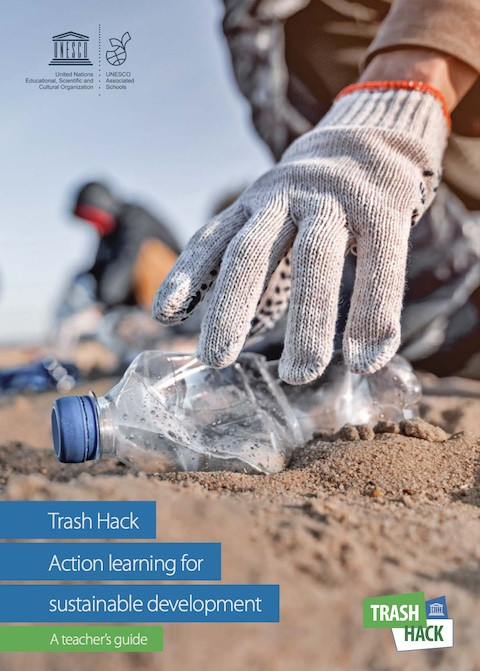 Trash Hack Action Learning for Sustainable Development: A Teacher's Guide سنة النشر: 2021 المؤلف المؤسسي: UNESCO Education for Sustainable Development (ESD) gives people the tools to tackle the problems of the present and future, to fight the climate crisis, change the world and achieve the SDGs. ESD rethinks what we learn, where we learn and how we learn. It is about lifelong learning, which lets people develop the knowledge, skills, values and attitudes that enable them to make informed decisions and actions on global problems.The action-based activities in this guide intend to contribute to fostering the three dimensions of learning (cognitive, socio-emotional andbehavioural) and thereby promoting cross-cutting competencies for the SDGs, such as systems thinking, anticipatory competency, collaboration, critical thinking and integrated problem-solving. "Trash Hack": Educación para el desarrollo sostenible a través de la acción: Guía para los docentes سنة النشر: 2021 المؤلف المؤسسي: UNESCO La educación para el desarrollo sostenible (EDS) proporciona a las personas las herramientas para abordar los problemas del presente y del futuro, y así luchar contra la crisis climática, cambiar el mundo y alcanzar los ODS. La EDS replantea lo que aprendemos, dónde lo hacemos y de qué forma. Se trata de un aprendizaje permanente, que permite a las personas desarrollar el conocimiento, las aptitudes, los valores y las actitudes que necesitan para tomar decisiones y emprender acciones fundamentadas sobre los problemas mundiales. Las actividades propuestas en esta guía están basadas en la acción y tienen por objeto ayudar a fomentar las tres dimensiones del aprendizaje (cognitiva, socioemocional yconductual) y, por consiguiente, promover competencias transversales para los ODS, como el pensamiento sistémico, la competencia de anticipación, la colaboración, elpensamiento crítico y la solución de problemas integrada. «Trash Hack»: Éducation au développement durable par l'action; Guide de l’enseignant سنة النشر: 2021 المؤلف المؤسسي: UNESCO L’éducation au développement durable (EDD) dote les individus des outils nécessaires pour faire face aux problèmes actuels et futurs, lutter contre la crise climatique, transformer le monde et atteindre les ODD. L’EDD repense les contenus de l’apprentissage, la manière d’enseigner et les lieux d’apprentissage . Elle relève de l’apprentissage tout au long de la vie, qui nous permet de développer les connaissances, les compétences, les valeurs et les attitudes dont nous avons besoin pour prendre des décisions et agir en connaissance de cause face aux problèmes qui se posent à l’échelle mondiale.Les activités pratiques proposées dans ce guide ont pour but de favoriser les trois dimensions de l’apprentissage (cognitive, socio- émotionnelle et comportementale) et de promouvoir ainsi des compétences transversales pour les ODD telles que l’analyse systémique, l’anticipation, la collaboration, la réflexion critique et la résolution intégrée des problèmes. 트래시핵(Trash Hack) 쓰레기 줄이기 비법 지속가능발전을 위한 실천 학습: 교사 안내서 سنة النشر: 2021 المؤلف المؤسسي: 유네스코 이 책은 유네스코에서 발간한 'Trash Hack'의 국문판으로 쓰레기로 인한 환경오염에 대한 인포그래픽과 쓰레기를 줄이기 위한 9가지 활동을 담고 있다. 중학생을 대상으로 제작되었고, 내용와 활동은 연령대에 따라 조정될 수 있다.
  Универсальный Периодический Обзор (УПО) И его потенциал для защиты свободы выражения мнений, доступа к информации и سنة النشر: 2022 المؤلف: Hina Jilani المؤلف المؤسسي: UNESCO This document introduces The Universal Periodic Review (UPR), including its function, content and guideline for practice, and evaluates its positive contributions to global human rights. 普遍定期审议及其在促进言论自由、信息获取和记者安全方面的潜力 سنة النشر: 2022 المؤلف: Hina Jilani المؤلف المؤسسي: 联合国教科文组织 (UNESCO) 该文件介绍了联合国内部普遍定期审查机制,包括其运行机制与评议内容,及其在保障人权方面的积极作用。
 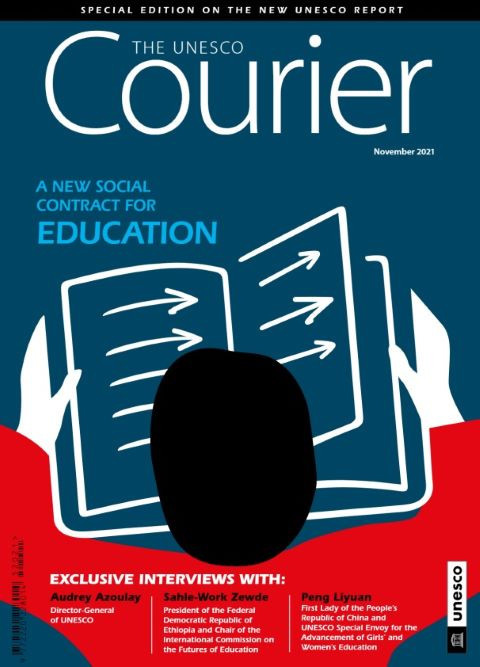 عقد اجتماعي جديد للتربية والتعليم (The UNESCO Courier Special Edition; November 2021) سنة النشر: 2021 المؤلف المؤسسي: منظمة الأمم المتحدة للتربية والعلم والثقافة (UNESCO) Reimagining Our Futures Together upholds the tradition of the major UNESCO reports that have already structured education policies throughout the world in the past. The Faure report, Learning to be, in 1972, and the Delors report, Learning: The Treasure Within, in 1996, have become benchmarks in the debate on learning. This third document presents a lucid assessment of the challenges confronting education today.Faced with the rapid changes in our environment, a change of direction is needed. We need to devote more importance to ecology; to provide students with the critical tools to detect misinformation, prejudices, and preconceived ideas; to strengthen teamwork, and to improve the professionalization of teachers. Beyond these imperatives, we must also rethink the multiple interdependencies, the links between generations and between cultures, and our relationship with living beings, to establish a new social contract for education. A New Social Contract for Education (The UNESCO Courier Special Edition; November 2021) سنة النشر: 2021 المؤلف المؤسسي: UNESCO Reimagining Our Futures Together upholds the tradition of the major UNESCO reports that have already structured education policies throughout the world in the past. The Faure report, Learning to be, in 1972, and the Delors report, Learning: The Treasure Within, in 1996, have become benchmarks in the debate on learning. This third document presents a lucid assessment of the challenges confronting education today.Faced with the rapid changes in our environment, a change of direction is needed. We need to devote more importance to ecology; to provide students with the critical tools to detect misinformation, prejudices, and preconceived ideas; to strengthen teamwork, and to improve the professionalization of teachers. Beyond these imperatives, we must also rethink the multiple interdependencies, the links between generations and between cultures, and our relationship with living beings, to establish a new social contract for education.