
الموارد
استكشف مجموعة واسعة من الموارد القيمة حول تعليم المواطنة العالمية لتعميق فهمك وتعزيز البحث والمناصرة والتعليم والتعلم.
تم العثور على 884 نتيجة
 Вернуться из школы живым سنة النشر: 2020 المؤلف: Nikita Makarenko 246 миллионов детей подвергаются насилию в школах во всем мире каждый год. Автор объясняет, почему Узбекистану необходимо срочно разработать стратегию борьбы с травлей в учебных заведениях уже к началу нового учебного года.
  Таджикистан: Факторы, препятствующие оказанию помощи жертвам семейного насилия سنة النشر: 2019 المؤلف المؤسسي: Human Rights Watch Власти Таджикистана предпринимают недостаточно усилий для проведения расследований и судебного преследования по фактам насилия в семье, а ситуация с оказанием помощи пострадавшим далека от удовлетворительной, говорится в публикуемом сегодня докладе Human Rights Watch по этому вопросу. Несмотря на определенный прогресс по ряду направлений, уголовная ответственность за семейное насилие как таковое законом по-прежнему не предусмотрена, а пострадавшие от насилия в семье женщины не обеспечиваются надлежащей защитой, доступом к убежищам и другим службам помощи.
 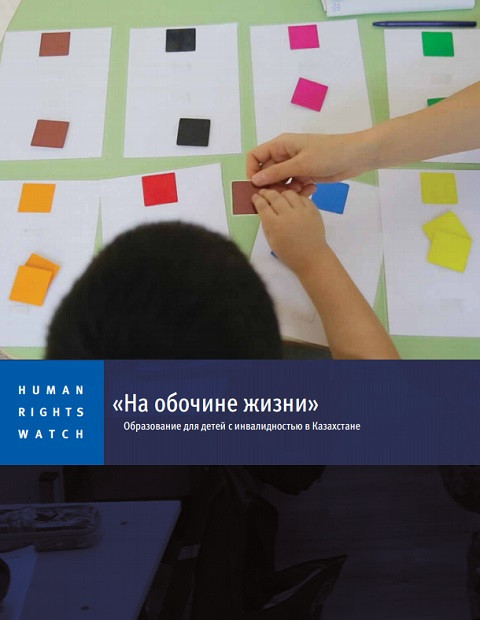 On the Margins: Education for Children With Disabilities in Kazakhstan سنة النشر: 2019 المؤلف المؤسسي: Human Rights Watch This report is intended to analyze the situation with inclusive education in Kazakhstan for children with disabilities, government initiatives in this area, the reasons and factors of insufficient implementation of inclusive education. It also contains recommendations to the government of the Republic of Kazakhstan and international partners and proposals for improving the situation. На обочине жизни: Образование для детей с инвалидностью в Казахстане سنة النشر: 2019 المؤلف المؤسسي: Human Rights Watch Данный отчет призван проанализировать ситуацию с инклюзивном образованием в Казахстане для детей с инвалидностью, государственные инициативы в данной сфере, причины и факторы недостаточного внедрения инклюзивного образования. В нем также содержатся рекомендации правительству Республики Казахстан и международным партнерам и предложения по улучшению ситуации.
 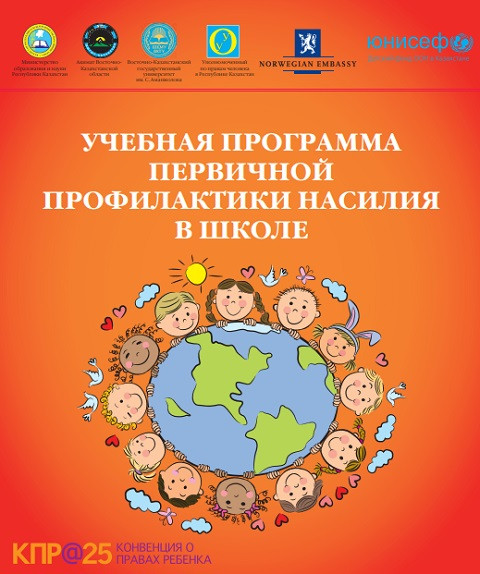 Учебная программа первичной профилактики насилия в школе سنة النشر: 2014 المؤلف: Robin Haarr المؤلف المؤسسي: United Nations Children's Fund (UNICEF) Данное пособие подготовлено в рамках сотрудничества между Министерством образования и науки РК, учреждением Уполномоченного по правам человека в Республике Казахстан, акиматом Восточно-Казахстанской области, Восточно-Казахстанским государственным университетом им. С. Аманжолова и ЮНИСЕФ в целях реализации проекта по профилактике и реагированию на насилие в отношении детей в школах Казахстана, при поддержке Министерства иностранных дел Норвегии.Настоящая учебная программа первичной профилактики школьного насилия была разработана для использования со всеми учащимися (по всей школе).
  Manual for the Programme to Prevent and Respond to School Violence in East Kazakhstan سنة النشر: 2014 المؤلف: Robin Haarr المؤلف المؤسسي: United Nations Children's Fund (UNICEF) School violence can threaten a child’s sense of safety within school, negatively impacting on their ability to learn. The best way to address school violence is to step in promptly, with effective intervention in the first instance. Internationally, ‘best practice’ in preventing and responding to school violence is being used to develop school-wide systems of prevention and intervention.This publication was prepared under the co-operation between the Ministry of Education and Science of Kazakhstan, the Office of the Commissioner for Human Rights of the Republic of Kazakhstan, the Akimat of East Kazakhstan Oblast, the East Kazakhstan State University, and the UNICEF Office in Kazakhstan. It aims to facilitate the prevention of violence towards children in schools in Kazakhstan, with support from the Ministry of Foreign Affairs of Norway. Руководство по реализации программы: Профилактика и реагирование на насилие в школах в восточно-казахстанской области سنة النشر: 2014 المؤلف: Robin Haarr المؤلف المؤسسي: United Nations Children's Fund (UNICEF) Насилие в школе может угрожать ощущению безопасности детей в школе и отрицательно влиять на их способность к обучению. Наилучшим способом решения проблемы насилия в школе является профилактика и должное вмешательство при его проявлении.Данное пособие подготовлено в рамках сотрудничества между Министерством образования и науки РК, учреждением Уполномоченного по правам человека, акиматом Восточно-Казахстанской области, Восточно-Казахстанским государственным университетом им. Аманжолова и ЮНИСЕФ в целях реализации проекта по профилактике и реагированию на насилие в отношении детей в школах Казахстана, при поддержке Министерства иностранных дел Норвегии. Primary Prevention Curriculum: The Programme to Prevent Violence Against Children سنة النشر: 2014 المؤلف: Robin Haarr المؤلف المؤسسي: United Nations Children's Fund (UNICEF) This publication was prepared under the cooperation between the Ministry of Education and Science of Kazakhstan, the Office of the Commissioner for Human Rights in the Republic of Kazakhstan, akimat of East Kazakhstan Oblast, the East Kazakhstan State University, and UNICEF Office in Kazakhstan to implement the programme on prevention and response to violence against children in schools in Kazakhstan, with thesupport from the Ministry of Foreign Affairs of Norway.This primary prevention curriculum has been developed for use with all students (schoolwide), and each includes specific worksheets and activities that should be taught in chronological order to students between the 3rd and 7th grades.
  INSPIRE Handbook: Action for Implementing the Seven Strategies for Ending Violence Against Children سنة النشر: 2018 المؤلف المؤسسي: World Health Organization (WHO) This handbook explains in detail how to choose and implement interventions that will fit your needs and context. The seven strategy-specific chapters address the Implementation and enforcement of laws; Norms and values; Safe environments; Parent and caregiver support; Income and economic strengthening; Response and support services; and Education and life skills. The handbook concludes with a summary of INSPIRE’s implementation and impact indicators, drawn from the companion INSPIRE indicator guidance and results framework. Manual INSPIRE: Medidas destinadas a implementar las siete estrategias para poner fin a la violencia contra los niños سنة النشر: 2018 المؤلف المؤسسي: World Health Organization (WHO) El Manual INSPIRE: Medidas destinadas a implementar las siete estrategias para poner fin a la violencia contra los niños (en adelante denominado el Manual INSPIRE) se explica en él cómo escoger y llevar a cabo intervenciones acordes con sus necesidades y su entorno. Tras una exposición de carácter general, en los capítulos sucesivos se aborda cada una de las siete estrategias, a saber: Implementación y vigilancia del cumplimiento de las leyes; Normas y valores; Seguridad en el entorno; Padres, madres y cuidadores reciben apoyo; Ingresos y fortalecimiento económico; Respuesta de los servicios de atención y apoyo; y Educación y aptitudes para la vida. El manual concluye con un resumen de los indicadores de ejecución e impacto de INSPIRE, tomados de la publicación conexa INSPIRE Indicator guidance and results framework (Orientación sobre indicadores y marco de resultados de INSPIRE).