
الموارد
استكشف مجموعة واسعة من الموارد القيمة حول تعليم المواطنة العالمية لتعميق فهمك وتعزيز البحث والمناصرة والتعليم والتعلم.
تم العثور على 3,777 نتيجة
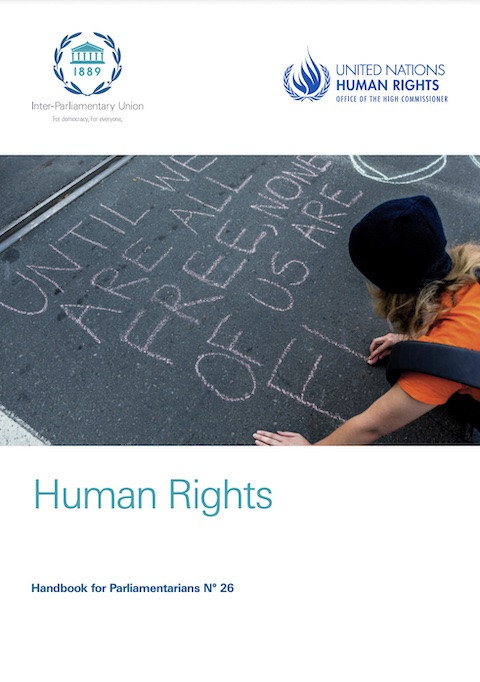 Human Rights: Handbook for Parliamentarians N° 26 سنة النشر: 2016 المؤلف المؤسسي: Inter-Parliamentary Union (IPU) The Human Rights Handbook for Parliamentarians is based on the conviction that parliaments and their members can play a key role in delivering concretely on human rights. It is a joint initiative of the IPU and the Office of the United Nations High Commissioner for Human Rights. With brief presentations of the international human rights legal framework and international mechanisms which oversee its implementation at the national level, the Handbook looks at how parliaments can contribute to greater human rights protection. Derechos Humanos: Manual para Parlamentarios N° 26 سنة النشر: 2016 المؤلف المؤسسي: Inter-Parliamentary Union (IPU) El Manual de Derechos Humanos está dirigido a parlamentarios que quieran familiarizarse con el marco que ha sido establecido desde 1945 por las Naciones Unidas y las organizaciones regionales para proteger y promover los derechos humanos. Presenta la noción de derechos humanos y los contenidos centrales de los derechos consagrados en la Declaración Universal de Derechos Humanos. Especifica las obligaciones de los Estados de proteger y promover los derechos humanos y contiene sugerencias sobre las acciones que los parlamentos y sus miembros pueden tomar para contribuir a su implementación. Droits de l’homme: Guide à l’usage des parlementaires N° 26 سنة النشر: 2016 المؤلف المؤسسي: Inter-Parliamentary Union (IPU) Le Guide des droits de l’homme à l’usage des parlementaires repose sur la conviction que les parlements et leurs membres peuvent jouer un rôle capital en obtenant des résultats concrets en matière de droits de l’homme. C’est une initiative conjointe de l’UIP et du Haut-Commissariat des Nations Unies aux droits de l’homme. Après avoir présenté brièvement le cadre juridique des droits de l’homme et les mécanismes internationaux qui veillent à sa mise en oeuvre au niveau national, l’ouvrage expose la manière dont les parlements peuvent contribuer à une meilleure protection des droits de l’homme. 국회의원을 위한 인권 핸드북 سنة النشر: 2016 المؤلف المؤسسي: Inter-Parliamentary Union (IPU) 본 자료는 국제인권규범의 일반적 원칙과 국가의 의무, 국제인권기구들의 기능 소개, 인권 및 국제인권규범에 대한 유용한 지식과 실질적인 적용에 관한 내용, 그리고 인권보호를 위한 국회의원의 역할 등을 제시하면서 국회와 의원들의 인권보호 및 증진에 관한 의정활동을 수행하는데 도움을 주고자 발간되었다.
  An Educator’s Guide to Cyber-Bullying سنة النشر: 2018 المؤلف المؤسسي: Media Literacy Council (MLC) Cyber-bullying is an increasingly worrying problem in schools across Singapore, affecting students of all ages. This Guide gives you supplementary materials - such as information about the issue and lesson plans for lower primary to pre-university - to help you teach and guide your students through this problem.
 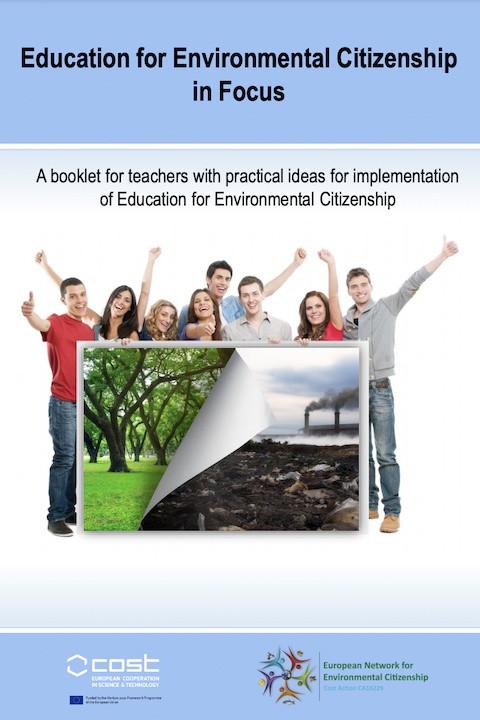 التربية من أجل المواطنة البيئية التربية من أجل المواطنة البيئية: كتيب للمعلمين لأفكار عملية من أجل تطبيق التربية للمواطنة البيئية سنة النشر: 2019 المؤلف المؤسسي: European Network for Environmental Citizenship (ENEC) تم تأسيس الشبكة األوروبية للمواطنة البيئية (ENEC (كشبكة مخصصة للتعاون العلمي تم تمويلها كفعالية لمنظمة التعاون األوروبي في العلوم والتكنولوجيا (2020 Horizon-CA16229 (COST – حيث تجمع أكثر من 120 خبير من 38 دولة بهدف تحسين فهم ممارسة وتقييم المواطنة البيئية في اوروبا والدول المشاركة. تعتبر المواطنة البيئية مفهوما مؤثرا في العديد من المجاالت المختلفة مثل االقتصاد، السياسة، الفلسفة، االدارة التظيمية والتسويق، باالضافة الى ذلك من الممكن استغاللها وتطويرها أكثر في المجال التربوي. األزمة البيئية المعاصرة مع تغير المناخ، فقدان التنوع البيئي، تلوث الهواء، وجميع المشاكل البيئية المحلية والعالمية تتطلب تربية قاد ًرة على انشاء وتمكين المواطنين البيئيين. تلعب التربية دورا اساسيا في بلورة مواطنين بيئيين مستقبليين. ان المنهج التعليمي من أجل التربية للمواطنة البيئية هو اقتراح يشير في هذا االتجاه. اعتما ًدا على المشكلة البيئية قيد الدراسة ، ومستوى التعليم )مثل التعليم االبتدائي أو الثانوي( واإلعدادات التعليمية )على سبيل المثال ، رسمية أو غير رسمية( ، يمكن إجراء الفروق والتعديالت الالزمة. يوصي هذا النهج باتخاذ عناصر محددة كمراحل وخطوت، اال أنه ليس من الضروري اتباعها كلها أو أن تتم على نحو تسلسلي معين, فان األمر منوط بالمشكلة البيئية المدروسة، مستوى التربية )مثال: التعليم االبتدائي أو التعليم الثانوي( واالطر التربوية )مثال: رسمي أو غير رسمي(، ووفقا لها يتم القيام بالمالئمات والتعديالت المالئمة. Education for Environmental Citizenship in Focus: A Booklet for Teachers With Practical Ideas for Implementation of Education for Environmental Citizenship سنة النشر: 2019 المؤلف المؤسسي: European Network for Environmental Citizenship (ENEC) The European Network for Environmental Citizenship (ENEC) – funded as a COST Action (CA16229-Horizon 2020) – brings together more than 130 experts from 38 countries with the objective to improve the understanding, the practice and the assessment of Environmental Citizenship in Europe and the participating countries. Environmental Citizenship has been an influential concept in many different arenas such as economy, policy, philosophy, organizational and corporation management and marketing and could be better exploited and established furthermore in the field of education as well. The contemporary environmental crisis with climate change, biodiversity loss, air pollution and all other local and global environmental problems demand an education that is capable of empowering environmental citizens. Education plays a key role in shaping future environmental citizens. The Education for Environmental Citizenship pedagogical approach is a proposal that points in this direction. The approach recommends specific elements as stages and steps, but it is not mandatory to follow all of them, or to apply them in a particular linear order. Depending on the environmental problem under study, the level of education (e.g., primary or secondary) and the educational settings (e.g. formal or non-formal), the necessary differentiations and amendments can be made.
  المواطنة سنة النشر: 2020 المؤلف: Zeyad Alawana المؤلف المؤسسي: Ministry of Political and Parliamentary Affairs يهدف الكتيب إلى تعميق ثقافة المواطنة الصالحة والفعّالة لدى الشباب، وتعريفهم بحقوقهم وواجباتهم الواردة في الدستور الاردني، وتعريفهم أيضاً بقيم المواطنة الصالحة الي تقوم على أساس سيادة القانون، واحرام المساواة، والتسامح وتقبّل الآخر، وتقبل التعددية والتنوع في المجتمع. وبشكل أكثر تفصيلاً، يحتوي الكتيب على موضوعات ومعارف وأسئلة وخبرات تهدف إلى ما يلي:•أولاً، التعريف بمفهوم المواطنة والحقوق والواجبات والتمييز بين المواطن الصالح وغير الصالح.•ثانياً، التعريف بمبادئ المواطنة الصالحة ، كالحرية والمشاركة الفاعلة والمساواةوتكافؤ الفرص والتضامن والمحافظة على الممتلكات العامة.•ثالثاً، التعريف بأهداف المواطنة، كالالتزام بمبادئ الديمقراطية، والتحرر من التعصب والتميز، والايمان بالأخوّة الإنسانية والمنهج العلمي في التفك وسيادة القانون، والالزام بالدستور، والمشاركة السياسية الفاعلة، واحرام كرامة الانسان، واكتساب قيم المواطنة الحقة.
 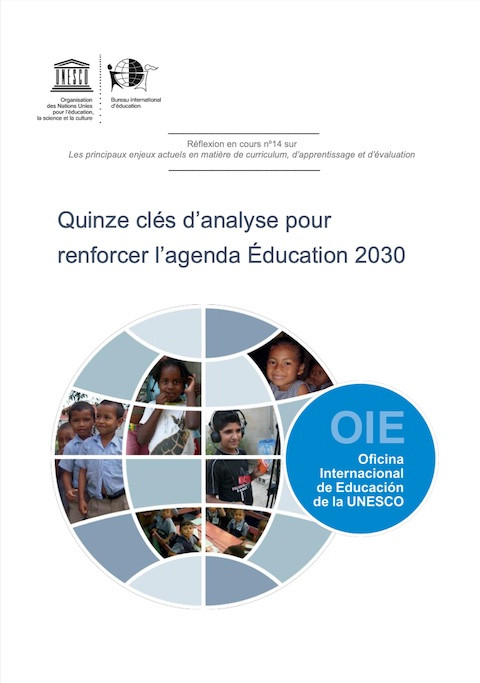 Fifteen Analytical Keys to Strengthen the Education 2030 Agenda سنة النشر: 2017 المؤلف: Renato Opertti المؤلف المؤسسي: UNESCO International Bureau of Education (IBE) The joint review of the goals of the Education 2030 agenda and global change accentuated by the emergence of a fourth industrial revolution highlights the need to rethink the concepts that have influenced education over the past forty years. This necessity is accompanied by a major challenge: that of giving a new meaning to these concepts, in the same way education systems, in a transformational and united perspective. The present document proposes a global reflection based on fifteen keys of analysis, in order to help define a vision of education and learning that is in line with the Education 2030 agenda examines the following aspects: 1) education as a reflection of the type of society targeted; 2) the state as guarantor of the right to education; 3) education as a cultural, social and economic ; 4) the characteristics and roles of education systems; 5) learning throughout life long; 6) education according to age groups; 7) inclusion as a basis for education systems; 8) education for global and local citizenship; 9) education for sustainable development ; 10) STEM training to build sustainable societies; 11) the relevance of the gender issue at a time of the democratization of society and education; 12) computer programming as a new challenge in the teaching of ICT; 13) the evolution of the relationship between training and work; 14) the trio formed by curricula, educational establishments and pedagogy; and 15) teachers as decision-makers. Quinze clés d’analyse pour renforcer l’agenda Éducation 2030 سنة النشر: 2017 المؤلف: Renato Opertti المؤلف المؤسسي: UNESCO International Bureau of Education (IBE) L’examen conjoint des objectifs de l’agenda Éducation 2030 et des changements planétaires accentués par l’émergence d’une quatrième révolution industrielle met en évidence la nécessité de repenser les concepts qui ont influencé l’éducation au cours des quarante dernières années. Cette nécessité s’accompagne d’un défi de taille : celui de donner un sens nouveau à ces concepts, de même qu’aux systèmes éducatifs, dans une perspective transformationnelle et unie. Le présent document propose une réflexion globale reposant sur quinze clés d’analyse, en vue de contribuer à définir une vision de l’éducation et de l’apprentissage qui soit en adéquation avec l’agenda Éducation 2030. Il se penche ainsi sur les aspects suivants : 1) l’éducation en tant que reflet du type de société visé ; 2) l’État en tant que garant du droit à l’éducation ; 3) l’éducation en tant que politique culturelle, sociale et économique ; 4) les caractéristiques et les rôles des systèmes éducatifs ; 5) l’apprentissage tout au long de la vie ; 6) l’éducation en fonction de groupes d’âge ; 7) l’inclusion en tant que fondement des systèmes éducatifs ; 8) l’éducation à la citoyenneté mondiale et locale ; 9) l’éducation pour le développement durable ; 10) la formation aux STEM en vue de bâtir des sociétés durables ; 11) la pertinence de la problématique hommes-femmes à l’heure de la démocratisation de la société et de l’éducation ; 12) la programmation informatique en tant que nouveau défi dans l’enseignement des TIC ; 13) l’évolution de la relation entre la formation et le travail ; 14) le trio formé par les curricula, les établissements éducatifs et la pédagogie ; et 15) les enseignants en tant que décideurs.