
الموارد
استكشف مجموعة واسعة من الموارد القيمة حول تعليم المواطنة العالمية لتعميق فهمك وتعزيز البحث والمناصرة والتعليم والتعلم.
تم العثور على 82 نتيجة
 PRESENTACIÓN DE CIUDADANÍA GLOBAL سنة النشر: 2018 المؤلف المؤسسي: EducacionBA Para construir un futuro más justo, equitativo y sustentable se crea el programa "Ciudadanía Global", cuyo objetivo es promover los Objetivos de Desarrollo Sostenible a través de una educación de calidad potenciada por las tecnologías digitales y fomentando las habilidades del siglo XXI. A través de una plataforma digital, contenidos de calidad y herramientas de planificación seguimiento y evaluación, niñas y niños aprenden jugando, emprendiendo misiones, creando estrategias y siendo protagonistas de sus aprendizajes.
  The SDGs and Cities INTERNATIONAL HUMAN MOBILITY سنة النشر: 2018 المؤلف المؤسسي: International Centre for the Promotion of Human Rights | (ICPHR) The Handbook is to address new situations – and responses to these situations – generated by the global phenomenon of human mobility in urban spaces. Democracies are being threatened by the sustained growth of social gaps and the exclusion of vast sectors of the population from political systems and benefits of development, placing structural limits on the exercise of human rights. In this context, where new tensions and problems have arisen such as massive displacements of the population, the appearance of diverse types of extremism, of wars and conflicts and climate change in turn place these social sectors under conditions of structural inequality, exclusion and discrimination, as the main victims of human rights violations. This Handbook was prepared and published with the support and assistance of the UNESCO Sector for Social and Human Sciences through its Regional Science Bureau in Montevideo and the Latin American and Caribbean Coalition of Cities against Racism, Discrimination and Xenophobia.
  The SDGs AND CITIES INTERNATIONAL HUMAN MOBILITY سنة النشر: 2018 المؤلف المؤسسي: International Centre for the Promotion of Human Rights | (ICPHR) The Handbook is to address new situations – and responses to these situations – generated by the global phenomenon of human mobility in urban spaces. Democracies are being threatened by the sustained growth of social gaps and the exclusion of vast sectors of the population from political systems and benefits of development, placing structural limits on the exercise of human rights. In this context, where new tensions and problems have arisen such as massive displacements of the population, the appearance of diverse types of extremism, of wars and conflicts and climate change in turn place these social sectors under conditions of structural inequality, exclusion and discrimination, as the main victims of human rights violations. This Handbook was prepared and published with the support and assistance of the UNESCO Sector for Social and Human Sciences through its Regional Science Bureau in Montevideo and the Latin American and Caribbean Coalition of Cities against Racism, Discrimination and Xenophobia.
  Holocaust and Genocides of the 20th Century: Questions, Answers and Proposals for Your Teaching سنة النشر: 2014 المؤلف: María Celeste Adamoli | Cecilia Flachsland المؤلف المؤسسي: Argentina. Ministry of Education This book presents, in questions and answers format, basic information and the enumeration of the main historical and theoretical problems that arise from the Holocaust and other genocides of the 20th century, to accompany teachers in the complex task of teaching this subject. Holocausto y genocidios del siglo XX: Preguntas, respuestas y propuestas para su enseñanza سنة النشر: 2014 المؤلف: María Celeste Adamoli | Cecilia Flachsland المؤلف المؤسسي: Argentina. Ministry of Education Este libro presenta, en formato de preguntas y respuestas información básica y la enumeración de los principales problemas históricos y teóricos que se desprenden del Holocausto y otros genocidios del siglo XX para acompañar a los docentes en la compleja tarea de la enseñanza de esta temática.
 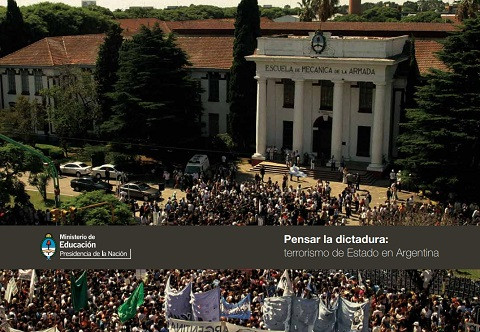 Thinking of the Dictatorship: State Terrorism in Argentina سنة النشر: 2010 المؤلف المؤسسي: Ministry of Education (Argentina) This book presents, in questions and answers format, basic information and the enumeration of the main historical and theoretical problems that arise from dictatorship and State Terrorism, to accompany teachers in the complex task of teaching this subject. Pensar la dictadura: Terrorismo de Estado en Argentina سنة النشر: 2010 المؤلف المؤسسي: Ministry of Education (Argentina) Este libro presenta, en formato de preguntas y respuestas información básica y la enumeración de los principales problemas históricos y teóricos que se desprenden de la dictadura y el terrorismo de estado, para acompañar a los docentes en la compleja tarea de la enseñanza de esta temática.
 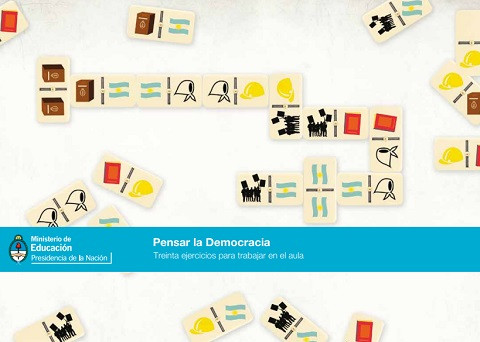 Thinking of Democracy: Thirty Exercises to Work on in the Classroom سنة النشر: 2013 المؤلف: María Celeste Adamoli | Cecilia Flachsland | Violeta Rosemberg المؤلف المؤسسي: Argentina. Ministry of Education This book presents tools for education for democratic citizenship. The text proposes thirty exercises, short texts that link and put in counterpoint two precise events of the last three decades (phrases, slogans, laws, facts, dates, mobilizations, objects, songs, films, proper names, life stories, etc. ) that allow us to reflect on different facets of the Argentine democratic experience that began in 1983. Pensar la democracia: Treinta ejercicios para trabajar en el aula سنة النشر: 2013 المؤلف: María Celeste Adamoli | Cecilia Flachsland | Violeta Rosemberg المؤلف المؤسسي: Argentina. Ministry of Education Este libro presenta herramientas para la educación para la ciudadanía democrática. El texto propone treinta ejercicios, textos breves que vinculan y ponen en contrapunto dos acontecimientos precisos de las últimas tres décadas (frases, consignas, leyes, hechos, fechas, movilizaciones, objetos, canciones, películas, nombres propios, historias de vida, etc.) que permiten reflexionar sobre distintas facetas de la experiencia democrática argentina iniciada en1983.
  Rights as a Product of Struggles and Demands Throughout History: The Political Rights of Women; Ethical and Civic Education (1st year) سنة النشر: 2018 المؤلف المؤسسي: Buenos Aires Ciudad This document is part of the series of materials Deepening the NES, which presents different teaching proposals including both the contents - concepts, skills, abilities, practices, values and attitudes - defined in the Curriculum Design of the New Secondary School of the Autonomous City of Buenos Aires, and new ways of organizing spaces, times and teaching methods.